Six experiences on Lake Titicaca.
From the sacred Basilica to the Inca ruins of Isla del Sol — Copacabana is far more than a border crossing.
Basilica of Our Lady of Copacabana
The Basilica of Our Lady of Copacabana is Bolivia's most important Marian shrine, built between 1605 and 1820 in a distinctive Moorish–mestizo baroque style. Inside, the revered image of the Virgen de la Candelaria, sculpted in wood by indigenous artist Francisco Tito Yupanqui in 1583, attracts pilgrims from across Bolivia and Peru. On weekends and during festivals (Feb 2, Aug 5–6), the forecourt fills with vehicles brought for blessing — a uniquely Bolivian fusion of Catholic and Pachamama tradition.
Isla del Sol Boat Tour
Isla del Sol is the most important reason to visit Copacabana. The island sits 2 hours by public boat from the pier and contains Inca ruins (Chincana labyrinth in the north, Pilkokaina temple in the south), the sacred Fountain of the Inca, pre-Columbian terraces and three communities of 3,000 people living without roads or cars. The classic experience is the ridge-top trek from north to south (5–6h walk) with panoramic lake views the entire way.
Cerro Calvario
Cerro Calvario is a sacred hill rising directly above Copacabana, marked by 14 Stations of the Cross ascending the slope. At the summit (reached in 30–40 minutes of gentle climbing), the panoramic view takes in the entire Copacabana bay, the curved shoreline, the Basilica below, and the deep blue of Titicaca extending to the Peruvian mountains on the horizon. The final light of day transforms the lake into gold and copper — one of the best sunsets in Bolivia.
Vehicle Blessing — Ch'alla del Auto
Every weekend (and especially during festivals), hundreds of vehicles arrive at the Basilica for the ch'alla — Bolivia's tradition of bringing a new vehicle to Copacabana to receive the double blessing: first from the Catholic priest (holy water, incense), then from Pachamama (beer, flowers, streamers, confetti poured over the hood). Bolivians drive from La Paz, Cochabamba, even Brazil and Colombia for this. The best days are Saturday–Sunday 10am–2pm when up to 50 vehicles queue in the forecourt.
Titicaca Trout on the Waterfront
Lake Titicaca trout (trucha) is one of Bolivia's great culinary experiences. Introduced from North America in the 1940s, Titicaca trout now grow slowly in glacially cold water at 3,812m, producing denser flesh and richer flavour than lowland-farmed fish. Copacabana's lakefront restaurants serve it a la plancha (grilled), en escabeche (pickled), a la mostaza (mustard cream) or in a light caldo (broth). Portions are large; prices are 30–60 Bs. The row of restaurants along Avenida 6 de Agosto all serve it fresh.
Yampupata Trek
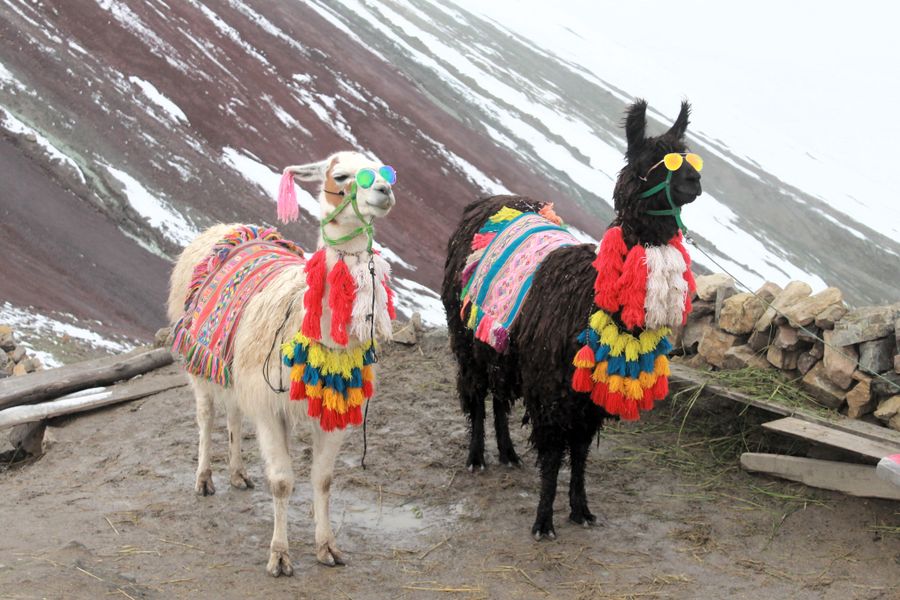
The Yampupata Trek is a 17km walk from Copacabana following the lakeside to the village of Yampupata, from where a short boat crosses to the south end of Isla del Sol. The trail passes through traditional Aymara farming communities, llama pastures, terraced fields of quinoa and potatoes, and gives constantly changing perspectives over the lake. The walk takes 4–5 hours at a comfortable pace; at Yampupata, fishermen offer the crossing for 20–40 Bs. This is the quietest, most authentic approach to Isla del Sol.
Copacabana, well connected.
Buses from the main Terminal de Buses (Cemetery district) or minibuses from El Alto's Ceja. Duration: 3–3.5h including the Tiquina Strait crossing (passengers and bus cross separately by boat). Price: 20–35 Bs (bus) / 50–80 Bs (minibus). Frequency: every 30–60 min from 7am. Comfortable tourist buses run from travel agencies on Calle Sagárnaga.
Buses and minibuses from Puno's Terminal Zonal cross the border at Kasani (5–10 min formality) and arrive in Copacabana in 3–4h total. International operators like Bolivia Hop assist with the border crossing. Peru is 1 hour behind Bolivia — always confirm times.
La Paz–Copacabana highway: RN 2 (paved) to the Tiquina Strait. The San Pablo de Tiquina ferry (2 Bs per passenger, 20–30 Bs per vehicle) takes 10 minutes. From Tiquina to Copacabana: 45 additional minutes. The road is good year-round; brief muddy sections in heavy rain only.
The town is entirely walkable for tourists. The pier is 5 minutes on foot from the Basilica. Copacabana has no urban transit — everything is on foot (the tourist centre is 800m long). Local mototaxi taxis charge 5–10 Bs to reach hillside accommodation.
Copacabana sits at 3,841m — the same altitude as La Paz. If you've already spent several days in La Paz (3,640m), you'll be acclimatized. If arriving directly from sea level, take the first 24h easy: walk slowly, avoid alcohol on day one, stay hydrated. The altiplano sun burns intensely even when the air feels cool — use sunscreen year-round.
— Gallery
Bolivia in focus
Real photography from our routes. No stock images. Hover to explore.