North, south and the ridge that joins them.
The island is small but topographically dense — each sector has its own logic and its own treasures.
North — Challapampa & Chincana Ruins
The north sector of Isla del Sol (village: Challapampa) is home to the island's most important archaeological sites. The Chincana ruins are a labyrinthine Inca complex of interlocking rooms and passageways used for ritual purposes — less grand than Machu Picchu but far less visited, with the lake visible on three sides. The Sacred Rock (Piedra Sagrada / Titi Kharka) nearby is the mythical spot where, according to legend, the sun and moon were created. The Museo del Oro in Challapampa displays Inca artefacts recovered from the lake. Entry: 15 Bs community fee at Chincana.
South — Yumani & Pilkokaina Temple
Yumani is the main settlement on the south end of Isla del Sol and the most tourist-developed area. From the pier, 206 Inca-built stone steps ascend to the village, flanked by a natural spring whose three channels are known as the Fountain of the Inca (nicknamed "don't be lazy, don't be a liar, don't be a thief"). Above Yumani, the Pilkokaina ruins are a well-preserved Inca palace complex with multiple rooms, trapezoidal doorways and views over the lake — considered the first temple dedicated to Inti the Sun God. The south has the most guesthouse and restaurant options.
North–South Ridge Trek
The classic Isla del Sol experience is the ridge-top walk from Challapampa (north) to Yumani (south) — or in reverse. The trail follows the spine of the island at 3,800–3,900m, passing through all three communities, ancient agricultural terraces, viewpoints over both the Bolivian and Peruvian shores of Titicaca, and the island's main archaeological sites. The path is clear and continuous (no guide required) but at altitude: allow extra time, walk slowly on the first section, and carry 2L of water. Community checkpoint fees (15–20 Bs) are collected at two points.
Sunrise & Stargazing
One of the strongest reasons to spend at least one night on Isla del Sol is the sky. At 3,812m with virtually no light pollution and the clean air of the altiplano, the night sky over the lake is extraordinary — the Milky Way reflects in the water on calm nights, and the Southern Cross is visible from June to October. Sunrise over the Cordillera Real mountains to the east of the lake (the snow-capped peaks of Huayna Potosí and Illimani on clear days) is one of the signature images of the Bolivian altiplano.
Isla de la Luna
Isla de la Luna (Island of the Moon) is a small island 45 minutes by boat from the south of Isla del Sol and visible from the Yumani shore. Inhabited by ~80 people, it was the Acllahuasi in Inca times — the house where chosen women (acllas) dedicated to the Sun God lived. The Iñak Uyu temple complex is the main ruin: a series of trapezoidal niches, ceremonial rooms and an enclosure wall showing the Inca's command of large-scale stonework. Entry: 20 Bs. Boats from Copacabana or from the south pier of Isla del Sol.
You can only get there by boat.
Bus or minibus from La Paz (3–3.5h, 20–80 Bs). Most depart 7–8am from the Terminal or Sagárnaga agencies. The Tiquina Strait crossing is part of the journey.
Boats at 8:30am (to Challapampa/north, 2h) and 1:30pm (to Yumani/south, 1.5h). Price: 30–50 Bs round-trip. Buy at the pier on the morning of travel. No online booking.
Challapampa (north): simple guesthouses, 50–80 Bs per bed. Yumani (south): more options, 80–200 Bs. No credit cards, no ATMs — bring enough bolivianos in cash.
— Gallery
Bolivia in focus
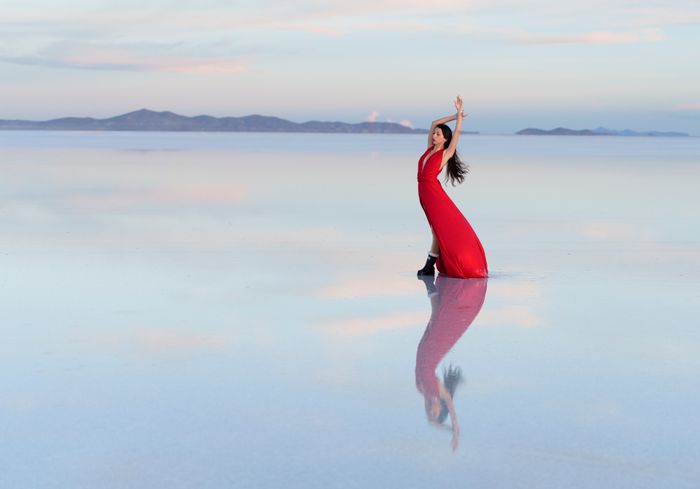
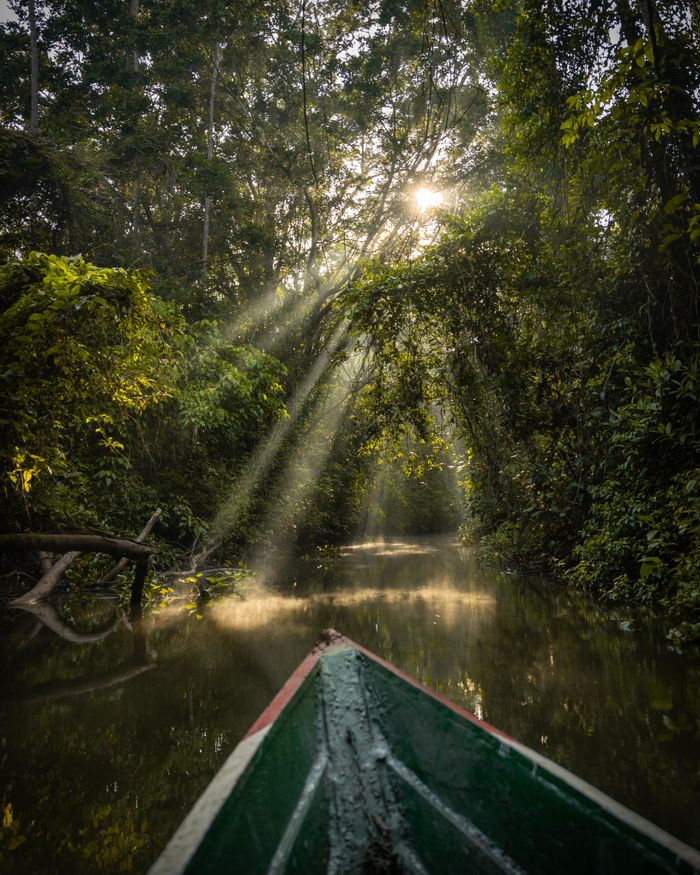
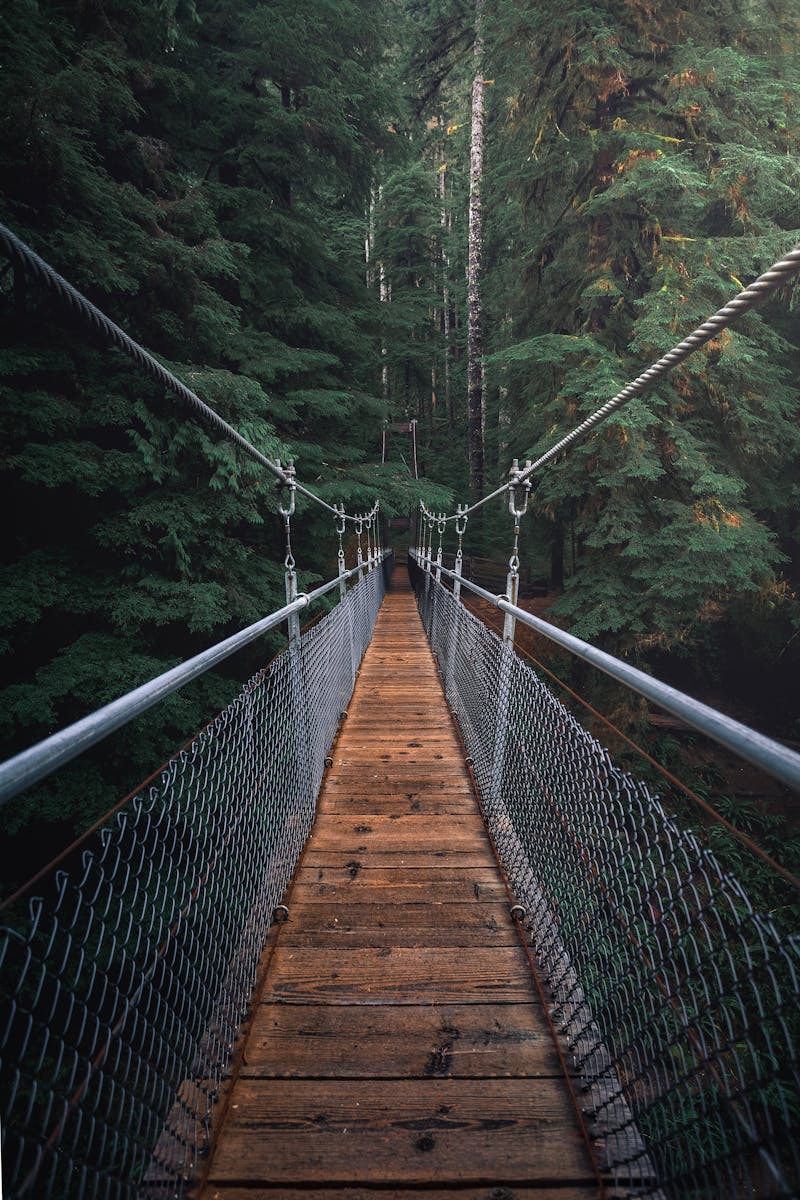
Real photography from our routes. No stock images. Hover to explore.