Amazonian Adventure! Discover the best routes to see pink dolphins in Bolivia
Ever dreamed of seeing pink dolphins? Yep, you read that right, PINK! 🐬💖
Well, let me tell you, in Bolivia, you can make that wild dream come true. Get ready to embark on an Amazonian adventure that’ll leave you wide-eyed and heart-full. Let’s dive into the world of pink dolphin routes in Bolivia, the bufeo route!
Pink dolphins? Seriously, are pink dolphins in Bolivia? 🤔
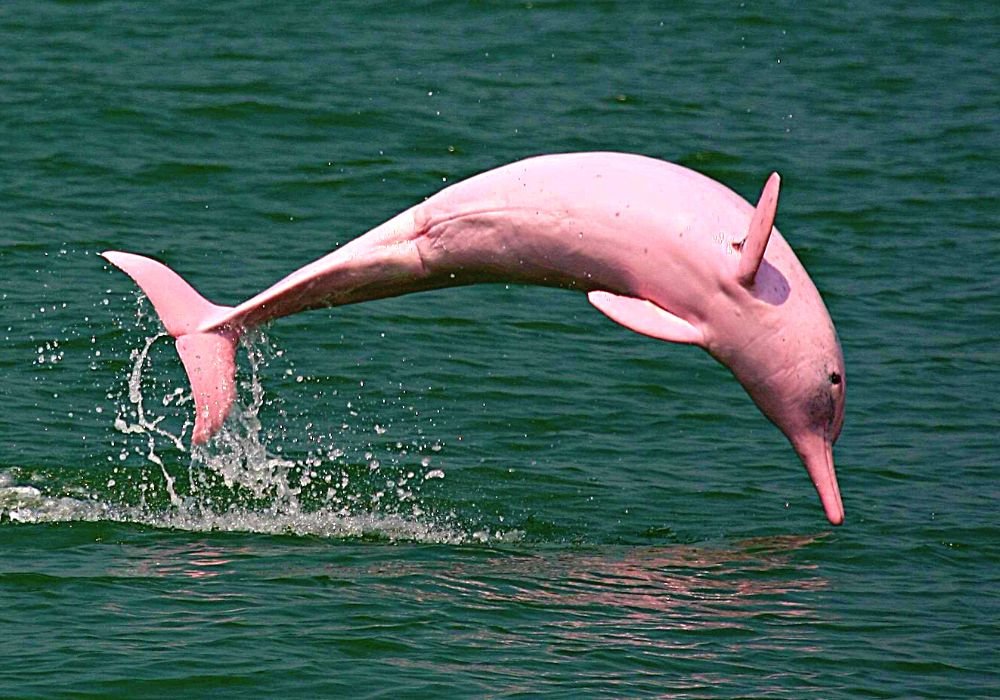
First things first: yes, they exist! And no, they didn’t fall into a paint bucket. These charming animals are called Inia geoffrensis. However, the ones found in Bolivia are known as Inian boliviensis. Locals affectionately refer to them as “Bufeos”. They are as real as your desire to see them.
The difference from its closest relative, the Inia geoffrensis, comes from natural barriers. Waterfalls and rapids separated part of the population thousands of years ago. Inia geoffrensis lives in Venezuela, Colombia, Peru, Brazil, and Ecuador. In contrast, Inia boliviensis is only found in Bolivia.
Dolphin species But, according to recent studies, this natural isolation has never been a definitive prison. The bufeos can make regional migrations and visit their close relatives living below the rapids of the Madeira River. When they meet, the two dolphins may even mate, allowing hybridization of the species.
Many of these legends depict the bufeo (Inia boliviensis) as a “seducer”. It wins over the women in the villages. Once enchanted, they want to stay by the river. Eventually, they jump into the water to be with their beloved bufeo. You can see all the legends in our section of legends of the east.
If you want to know more about the differences between these types of pink dolphins, you will find it in this study. https://www.atrapados.historiassinfronteras.com/index-en.html
Did you know? Pink dolphins can change color based on their mood and activity. They’re like living emojis!
Where can I see these pink dolphins in bolivia?
The heart of the Bolivian amazon.
The main route to see pink dolphins in Bolivia is in the Beni department. Imagine a place where the jungle meets winding rivers. The air is filled with strange sounds. If you’re lucky, you might see a pink flash in the water.
Welcome to bufeo paradise!
Key destinations:
- Isiboro-Sécure National Park (TIPNIS)
- Pilón Lajas Biosphere Reserve and Indigenous Territory
- Ibare and Mamoré Rivers
The bufeo route: Your adventure step by step
Trinidad: Your gateway.
It all starts in Trinidad, the capital of Beni. It’s like the lobby before entering the great Amazonian show. This is where you’ll meet your guide (mine was called Carlos and had a mustache so impressive it almost upstaged the dolphins).
Quick tip: Arrive a day early to acclimatize and enjoy a delicious Benian majadito. Your stomach will thank you!
Navigating the Ibare river.
Get ready for your first encounter with the water. The Ibare River is like a liquid highway that’ll take you straight to the action.
Personal anecdote: On my first trip, I was so excited looking for dolphins that I almost fell out of the boat. Moral of the story: enthusiasm is good, but better if it comes with balance.
The magic of the Mamoré.
Following our route, we venture into the majestic Mamoré River. It’s here where the chances of seeing our pink friends increase exponentially.
What not to miss:
- Sunrise on the river: dolphins tend to be more active in the early morning hours.
- The Amazonian sunset: a spectacle of colors that rivals the pink of the bufeos.
When to go: Timing is everything
The best time to see pink dolphins in Bolivia is during the dry season, from April to November. July and August are the star months, but watch out, they’re also the busiest.
Rhetorical question: Do you prefer more dolphins or fewer tourists? It’s the eternal traveler’s dilemma.
Preparing for the adventure: Jungle survival tips.
- Insect repellent: Unless you want to become the local mosquito buffet.
- Sunscreen: The Amazonian sun doesn’t forgive, not even the most tanned.
- Light clothing: Think of what you’d wear to a sauna, but more decent.
- Waterproof camera: Because the best moments are often the wettest.
- Binoculars: For spying… I mean, closely observing the dolphins.
Beyond dolphins: Complementary experiences.
Bufeo ecological park
Want to know more about these fascinating animals? This interpretation center is like the Wikipedia of pink dolphins, but more fun and smelling of jungle.
Indigenous communities
Some tours allow you to visit local communities. It’s a great chance to learn about life in the Amazon. You might even pick up some local words to impress your friends.
Fun fact: In some communities, they believe pink dolphins can transform into humans at night. Keep your eyes peeled in case you see any dancing the samba!
Conservation: Be a responsible traveler 🌿
Pink dolphins face threats like pollution and habitat loss. By visiting, you’re not only living an incredible adventure but also contributing to the local economy and conservation efforts.
How to Help:
- Respect observation guidelines
- Don’t litter
- Support local businesses
- Spread the word (share this blog!
Quick tips for your dolphin adventure
- Book in advance, especially during high season.
- Bring cash, not all places accept cards (and dolphins definitely don’t).
- Learn some Spanish phrases, the dolphins might not understand you, but the locals will.
- Be patient, dolphins don’t work on office hours.
- Keep your expectations realistic: they’re wild animals, not circus performers.
FAQ: Pink Dolphin Adventures in Bolivia
Do pink dolphins really exist in Bolivia?
Yes, they do! They are a unique species called Inia boliviensis (locally known as “bufeos”). Unlike their relatives in other Amazonian countries, these are found exclusively in Bolivia due to natural barriers like waterfalls and rapids.
When is the best time of year to see them?
The dry season, from April to November, is ideal. If you are looking for peak conditions, July and August are the best months, though they are also the busiest for tourism.
Where should I travel to start the “Bufeo Route”?
Your main gateway is Trinidad, the capital of the Beni department. From there, you can access the Ibare and Mamoré rivers, which are the heart of the pink dolphin’s habitat.
In which Bolivian rivers can pink dolphins be spotted?
Most sightings happen in the Ibare and Mamoré rivers. They also live in protected areas like TIPNIS (Isiboro-Sécure National Park) and the Pilón Lajas Biosphere Reserve.
Why are Amazonian dolphins pink?
While they are born gray, they turn pink as they age. Interestingly, their color can change based on their mood and activity levels—they’re like living emojis!
Is it safe to swim with dolphins in the Bolivian Amazon?
The dolphins are wild animals, not “circus performers.” It is always recommended to follow responsible observation guidelines to avoid stressing them and to ensure your own safety.
What should I pack for an Amazon tour?
Essential items include: insect repellent, sunscreen, light clothing (think sauna-appropriate but decent), a waterproof camera, and binoculars.
Are there local legends about the “bufeos”?
Absolutely! The most famous legend depicts the bufeo as a “seducer” who enchants village women, eventually leading them to join him in the river.
What other places can I visit near the dolphin route?
You can visit the Bufeo Ecological Park (a fun interpretation center) or engage with local indigenous communities to learn about life in the Amazon.
How can I help conserve the pink dolphin?
By being a responsible traveler: don’t litter, respect observation distances, support local businesses, and spread the word about the threats they face, such as pollution.
Conclusion: Ready to swim with the pink stars?
Embarking on an adventure to see pink dolphins in Bolivia is more than just a trip. It’s a journey into a world where nature keeps amazing secrets. Every river bend can reveal a pink surprise. If you’re lucky, you might have a life-changing experience.
So, what are you waiting for? The Bolivian Amazon, with its pink dolphins, is calling. It’s time to answer the call. Pack your sense of adventure and plenty of repellent. Get ready for an experience that will give you stories to share for years.
Remember: life is short, and pink dolphins are elusive. Don’t put off until tomorrow the adventure you can live today. See you on the river!
Did you like this article? Have you been lucky enough to see pink dolphins in Bolivia or elsewhere? Tell us about your experience in the comments! And don’t forget to share this post with your adventurous friends. Who knows, you might inspire the next great Amazonian adventure!