Andean adventure! Discover the best routes to see Llamas in Bolivia
Ever dreamed of coming face to face with a llama? Or better yet, hundreds of them? 🦙✨ Well, my friend, get ready to embark on the fuzziest and most charming adventure of your life. Welcome to the world of llama watching routes in Bolivia! Come and enjoy the LLama route in Bolivia.
Why is Bolivia the Llama paradise?
Before we dive into the routes, let me tell you why Bolivia is the place to see llamas. Imagine dreamlike landscapes, from shiny salt flats to tall mountains. In the middle of it all are cute animals that seem to say, “Are you going to take my picture?” Bolivia has thousands of llamas, and they are part of its rich culture.
“You won’t believe what Andean llamas do when they feel threatened! 😱💦”
This curiosity refers to the fact that llamas can spit when they feel threatened or annoyed. Although it sounds unpleasant, it’s a fascinating defense mechanism:
- Llamas can spit up to 3 meters (about 10 feet) away.
- The “spit” is actually partially digested stomach contents.
- They use it as a last resort when visual warnings (ears back, neck erect) don’t work.
This unique characteristic of Andean llamas has made them iconic animals, somewhat feared by tourists visiting the Andes.
Did you know? Llamas are so important in Bolivia that they even have their own festival. Yes, you heard that right! It’s called the “Llama Festival” and it’s celebrated in August in Copacabana.
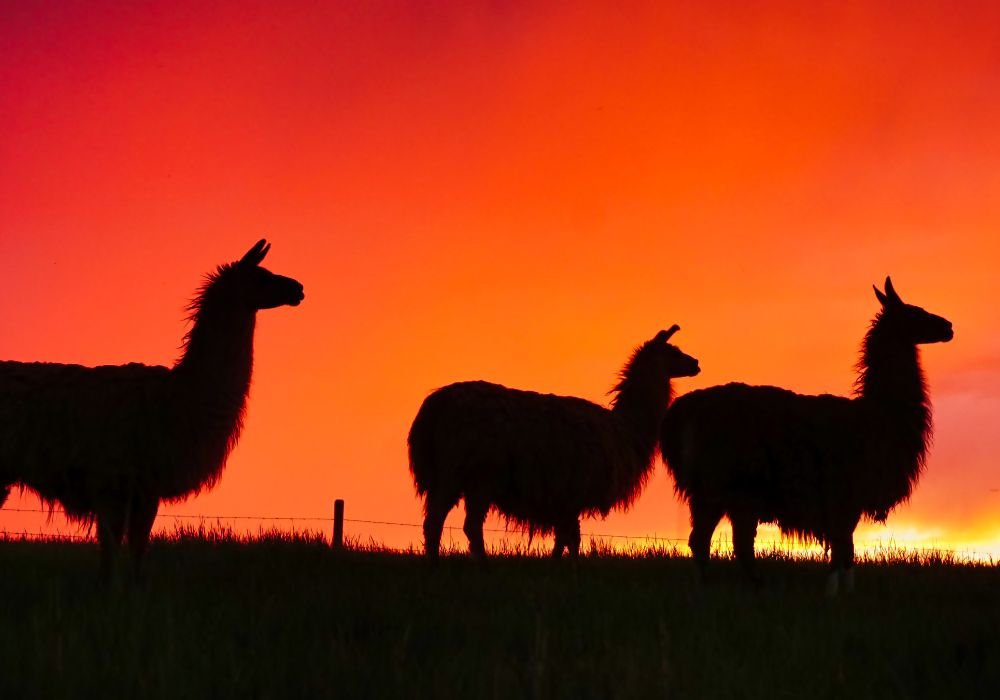
The Llama-zing routes: Where to find these furry celebrities?
The salt flat route: Uyuni and its surroundings
What awaits you?
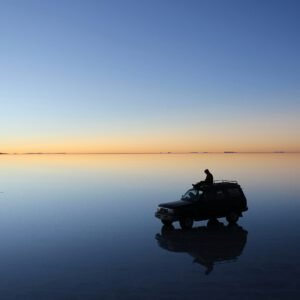
- A salt desert that seems out of this world.
- Llamas posing like professional models (seriously, they seem born for the camera).
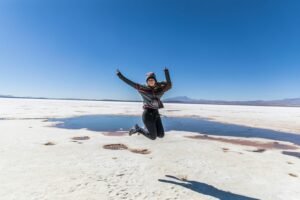
- The chance to take those perspective photos that will break Instagram.
Personal anecdote: On my first trip to Uyuni, I tried to take a selfie with a llama. Spoiler alert: the llama had other plans, and I ended up with a close-up of its nostrils. Lesson learned: llamas decide when it’s photo time, not you.
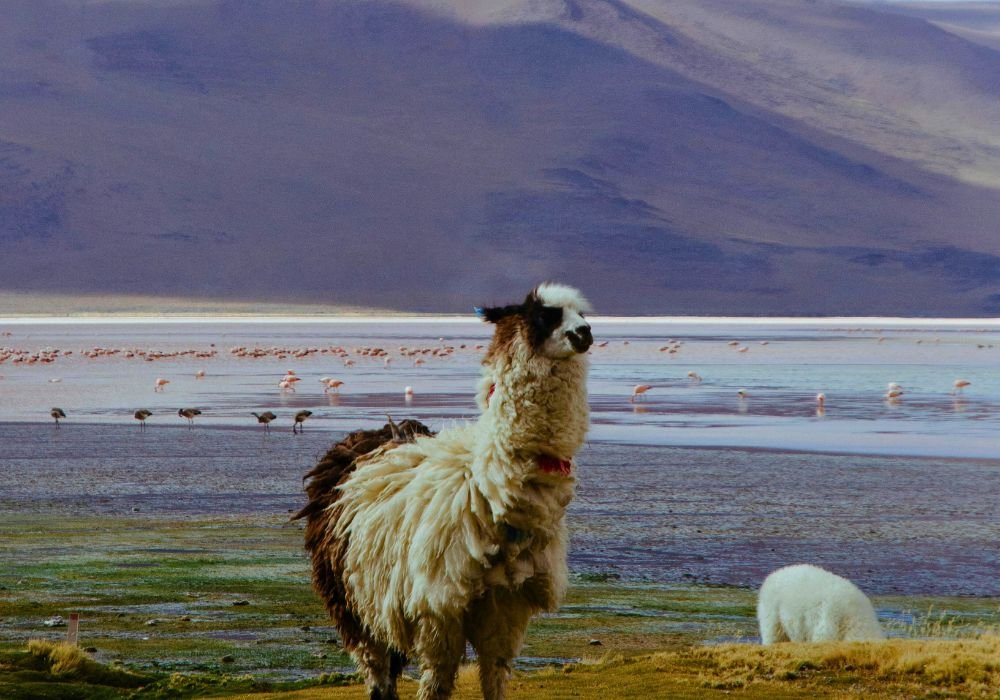
The sky route: Sajama national park
What not to miss:
- The Sajama volcano as a backdrop (the highest in Bolivia!).
- Herds of llamas and alpacas grazing peacefully.
- Hot springs to relax after a day of “llama-watching”.
Quick tip: Bring a good zoom lens for your camera. Sometimes llamas are shy, and you’ll want to capture their expressions from afar.
The time route: Tiwanaku
Why is it special?
- Archaeological ruins + llamas = perfect combo.
- Learn about the Tiwanaku civilization while watching llamas stroll among the stones.
- Unique opportunity to travel back in time (llamas included).
Fun fact: The ancient inhabitants of Tiwanaku used llama wool to make textiles. So while you’re looking at them, imagine you’re seeing the “models” of ancestral fashion.
The Inca route: Qhapaq Ñan
Get ready for:
- Walking ancient trails (like an explorer!).
- Seeing llamas in their most natural habitat.
- Feeling like you’re in a time machine, but with a better view.
Friendly advice: If you see a llama on the path, give it the right of way. After all, they’ve known these routes for centuries.
The water route: Copacabana and sun island
Highlights:
- The majestic Lake Titicaca as a backdrop.
- Possibility of seeing llamas with a lake view (double win!).
- Mystical experience on Sun Island, possibly with llamas in the background.
Rhetorical question: Is there anything more zen than a llama contemplating Lake Titicaca at sunset?
The Jurassic route: Torotoro national Park
What to expect?
- A trip to the past with dinosaur footprints.
- Llamas grazing where T-Rex once walked (well, more or less).
- Impressive canyons and caves to explore.
Funny anecdote: Once I saw a llama standing right next to a dinosaur footprint. For a moment, I wondered if it was posing for a “before and after” evolution photo.
The community route: Loma alta
Don’t miss:
- The opportunity to interact directly with llamas.
- Learning about the cultural importance of these animals.
- Possibly learning to weave with llama wool (spoiler: it’s harder than it looks).
Quick tips for your Llama adventure
- Respect llamas’ personal space. Yes, they’re adorable, but they can also be a bit grumpy.
- Wear layers. Andean weather can be tricky.
- Learn a few words in Aymara or Quechua. The llamas won’t understand you, but the locals will appreciate the effort.
- Always ask for permission before taking photos, especially if there are local people.
- Bring snacks, but not for the llamas. They have their own diet, and you’ll need energy for all those walks.
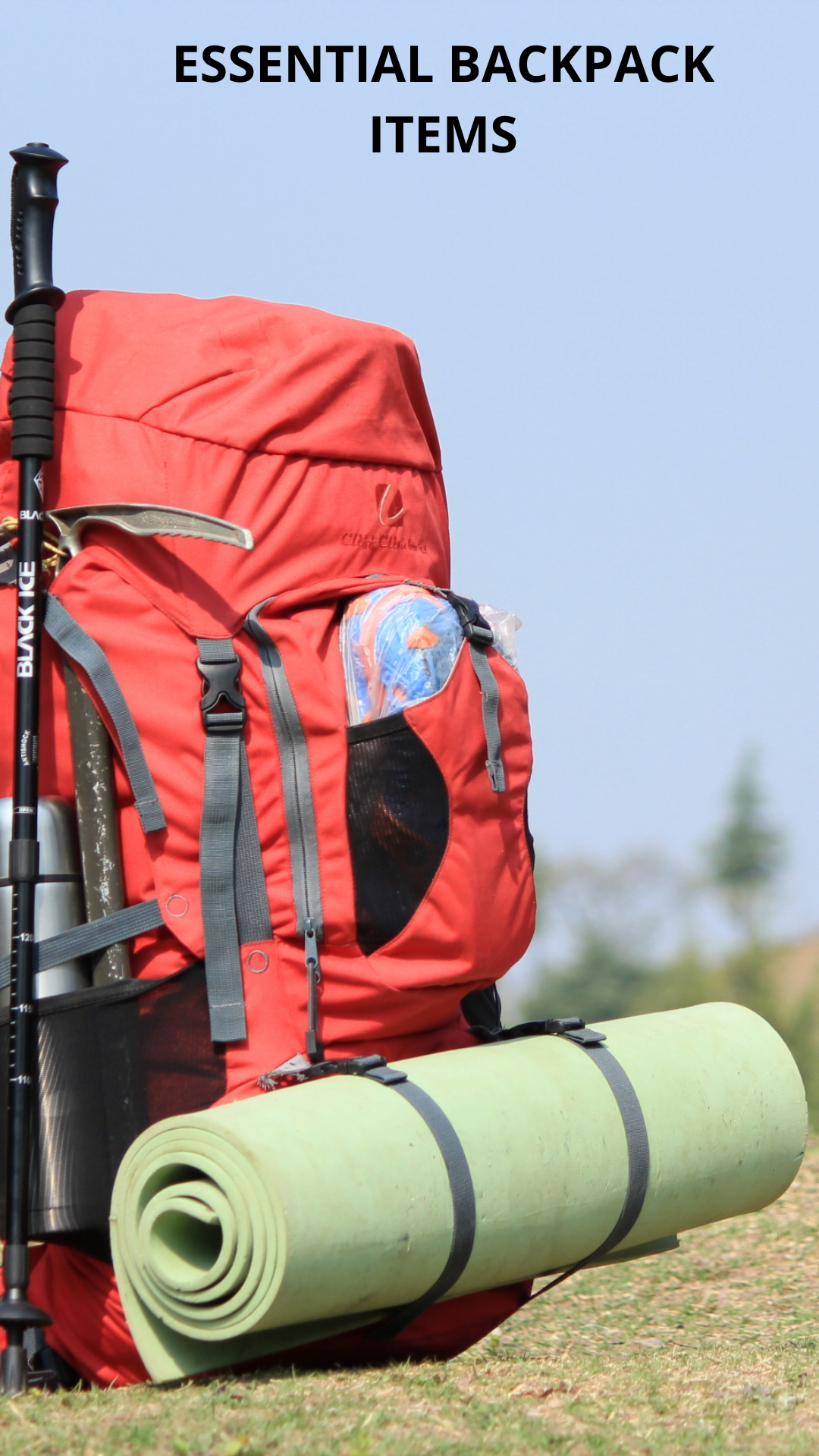
What do you need in your Llama adventure backpack?
- Camera (or phone with a good camera)
- Binoculars (for spying… I mean, observing llamas from a distance)
- Sunscreen (the Andean sun is unforgiving)
- Reusable water bottle (be environmentally friendly)
- A wool sweater (irony level: expert)
Llama Etiquette: How to Behave in the Presence of Furry Royalty 👑
- Don’t chase them for selfies. If the llama wants a photo with you, it will let you know.
- Don’t give them human food. Their stomachs are designed for Andean grass, not for your tuna sandwich.
- If a llama spits at you, take it as a compliment. In the llama world, that means you’re important enough to waste saliva on.
The Impact of Your Visit: Beyond the Photos 🌿
Your adventure to find llamas will create amazing memories and photos to share. It can also help local communities and support animal conservation.
How You Can Help:
- Buy local crafts made with llama wool
- Participate in tours guided by community members
- Learn about conservation efforts and share that information
Reflection: Every photo you take and every experience you have contributes to the preservation of llama culture and habitat.
Frequently asked questions about Llama watching routes
- What’s the best time to see llamas in Bolivia?
- Although you can see llamas year-round, the dry season (May to October) offers better travel conditions.
- Is it safe to approach llamas?
- Generally yes, but always with respect and caution. Remember, they’re wild animals, not stuffed toys.
- Do I need a guide for these routes?
- It’s not mandatory, but a local guide can greatly enrich your experience with knowledge about llamas and local culture.
- Can I ride a llama?
- While it’s possible in some places, it’s not a recommended practice. Llamas aren’t designed for riding like horses are.
- What do I do if a llama spits at me?
- First, take it with humor. Then, wash your face. And finally, brag about your authentic Andean experience.
Frequently Asked Questions: The Llama Route in Bolivia
When is the best time to do the llama route in Bolivia?
The best time is during the dry season (May to October), as travel conditions are better and the weather is more predictable for hiking.
Where can I see llamas in the Uyuni Salt Flats?
Llamas are commonly found on the outskirts of the salt flats and in nearby grazing areas, where they often pose naturally against the desert landscape.
Why do llamas spit and how can I avoid it?
Spitting is a defense mechanism used when they feel threatened. To avoid it, respect their personal space, don’t chase them for selfies, and watch for warning signs like flattened ears.
What is the Llama Festival and when is it celebrated?
It is a cultural celebration honoring the importance of the animal; it takes place every August in Copacabana, on the shores of Lake Titicaca.
Can I visit Sajama National Park to see llamas and alpacas?
Yes, it is one of the top spots known as the “sky route,” where you can see herds grazing with the Sajama volcano as a backdrop and enjoy local hot springs.
Can you ride a llama during tours in Bolivia?
While it might be offered in some places, it is not a recommended practice. Llamas are not physically designed to carry the weight of a human adult like horses are.
What should I pack for a llama-watching tour?
Don’t forget high-SPF sunscreen (the Andean sun is unforgiving), binoculars, a camera with a good zoom lens, a reusable water bottle, and plenty of layers for the cold.
Why are llamas so important to Bolivian culture?
They have been vital since ancient times (such as in the Tiwanaku civilization) for transportation, textiles (wool), and as a primary resource for local communities.
Do I need permission to take photos of the llamas?
While you don’t need the llama’s permission, you should always ask the local people or the herd owners before taking photos out of cultural respect.
Which routes combine archaeology and llamas in Bolivia?
The Tiwanaku route is perfect for seeing llamas wandering among ancient ruins, and the Qhapaq Ñan (Inca Road) offers a chance to see them in their most natural habitat.
Conclusion: Your adventure is Llama-ing… Literally! 🦙✨
Embarking on a llama-watching route in Bolivia is more than just a trip. It’s a dive into a world where nature, culture, and history blend in a warm and charming way.
From wide salt flats to high Andes, each path gives you a special view of these charming animals. They play an important role in Bolivian life. If you want the perfect photo, a chance to connect with nature, or a unique adventure, Bolivia’s llama routes have it all.
So, what are you waiting for? The llamas of Bolivia are there, with their long eyelashes and curious gazes, waiting for you to pay them a visit. Remember: life is short, and llamas are wise. Don’t put off until tomorrow the fuzzy adventure you can live today.
See you in the highlands!
Has this article inspired you to plan your next llama adventure? Do you have any fun experiences with llamas you’d like to share? Leave us a comment below! And don’t forget to share this post with your animal-loving and adventure-seeking friends. Who knows, you might inspire the next great llama-filled journey!