Best cities to explore in Bolivia for travelers
Bolivia is a land of unique contrasts where ancient traditions meet modern vibrancy.
According to Blog, travelers often discover Bolivia as a country defined by its diverse landscapes, rich cultural heritage, and enchanting urban centers.
From the bustling streets of La Paz and Santa Cruz de la Sierra to the historic charm of Sucre and the culinary delights of Cochabamba, Bolivia offers a myriad of experiences.
Visitors can explore colonial architecture, savor flavorful local cuisine, and immerse themselves in indigenous customs.
Moreover, Bolivia’s urban hubs are gateways to breathtaking natural wonders, including the Altiplano, breathtaking mountain vistas, and the mysterious Isla del Sol which attract adventurers, historians, and gastronomes alike.
This comprehensive guide explores the best urban destinations in Bolivia, highlighting key attractions, insider travel tips, and local traditions that make each city unique. A focus is placed on local transportation, safety measures, and cultural etiquette, ensuring that travelers can fully enjoy their visit with confidence.
Featured keywords such as coca, world heritage site, jacket, arequipa, currency, beef, mosquito, and others naturally integrate into the narrative to support diverse search queries. Embark on a journey through Bolivia’s urban landscapes and discover what makes each city a must-visit destination in South America.
Transitioning now to an in-depth exploration of Bolivia’s top urban centers, this guide covers everything from architectural marvels to delicious culinary experiences, alongside essential travel tips to make your urban adventures safe and memorable.
Identifying top urban destinations in Bolivia for your itinerary
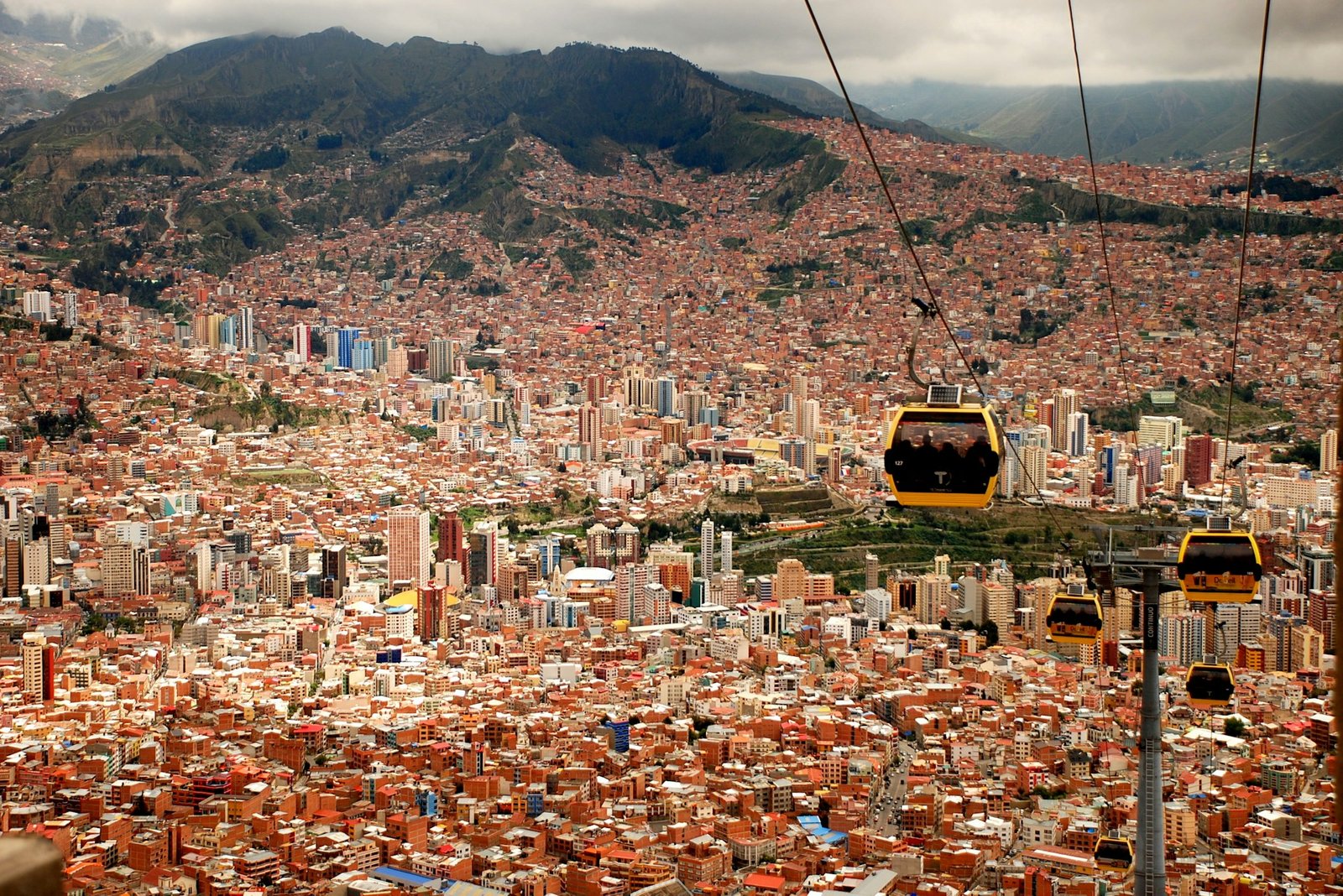
Bolivia presents an eclectic mix of urban environments that cater to every traveler’s taste. One of the standout cities is La Paz, a metropolis nestled in a deep valley with Andean peaks framing the horizon.
Renowned for its dramatic elevation and bustling markets, La Paz is a true city of contrasts. With modern cable cars like Mi Teleférico offering stunning aerial views and busy street markets selling everything from coca leaves to traditional textiles, La Paz is an urban adventure that never disappoints.
Its vibrant street life, influenced by centuries-old indigenous traditions, makes it a fascinating starting point for any Bolivian itinerary.
Sucre, Bolivia’s constitutional capital, is celebrated as a colonial gem. The city’s alabaster-white buildings and cobblestone streets exude an undeniable charm, offering a gentle contrast to the frenetic energy found in larger urban centers.
Sucre’s historical significance—as the birthplace of Bolivia’s independence—is palpable at sites like the Casa De La Libertad. This atmosphere, complemented by impressive statues and open plazas such as Plaza 25 De Mayo, provides visitors with an enriching glimpse into Bolivia’s past.
Santa Cruz de la Sierra brings a tropical flair to Bolivia’s urban mosaic. As an economic hub, it balances modernity with nature, offering broad avenues lined with palm trees and a dynamic nightlife that draws both locals and visitors.
Meanwhile, Cochabamba, famously known as the “City of Eternal Spring,” dazzles with its lush parks, lively markets, and unbeatable culinary scene; local dishes such as salteñas are a testament to its gastronomic prowess.
Potosí, perched high in the Andes, tells the story of Bolivia’s rich mining history. The city evokes the bygone era of silver and gold mining with its imposing colonial architecture and dramatic mountain backdrops.
Each of these cities is a key destination in Bolivia’s multifaceted urban landscape, marked by distinctive cultural landmarks and historical narratives.
List of unique urban destinations in Bolivia
- La Paz: City of contrasts and Andean peaks to visit: La Paz stands as a vibrant urban experience where traditional indigenous culture merges with modern hustle. Visitors can ride cable cars, explore lively markets, and enjoy panoramic views of snow-capped mountains.
- Sucre: Constitutional Capital and colonial gem for sightseeing: With pristine white colonial buildings and quaint plazas, Sucre offers a slow-paced environment that celebrates history and art, making it an ideal destination for cultural tours.
- Santa Cruz de la Sierra: Economic hub with tropical flair to experience: Known for its modern infrastructure, bustling nightlife, and green spaces, Santa Cruz merges economic vitality with leisurely tropical vibes.
- Cochabamba: The Garden city and culinary center for travelers: Boasting a rich culinary tradition and pleasant weather, Cochabamba is famous for its delicious street food and vibrant public squares.
- Potosí: Rich mining history at high altitude for exploration: Potosí’s dramatic high-altitude setting and mining heritage provide a historical journey through Bolivia’s economic past, with fascinating museums and colonial relics to explore.
This table summarizes key urban destinations, highlighting their unique features, historical significance, and attractions that shape Bolivia’s multicultural urban landscape.
Key takeaways
- Bolivia offers diverse urban centers from high-altitude La Paz to colonial Sucre.
- Each city presents unique historical, cultural, and culinary experiences.
- Urban attractions such as cable car rides, museums, and markets are highlights in Bolivia.
Essential local tips for traveling in Bolivia’s urban areas
Navigating Bolivian cities requires a blend of local knowledge and preparation to ensure a safe, enjoyable, and immersive experience. As urban centers like La Paz, Santa Cruz, and Cochabamba attract visitors from around the globe, understanding local transportation, language, and cultural etiquette becomes essential.
Moving Around Bolivian Cities Efficiently Urban transportation in Bolivia varies widely by city. In bigger cities like La Paz, the Mi Teleférico cable car system offers not only an efficient mode of travel over congested streets but also a chance to see the city from an entirely new perspective.
Public buses and shared taxis are common in cities such as Santa Cruz and Cochabamba. For those planning to explore on foot, it’s important to note that sidewalks and pedestrian routes may be uneven, so sturdy footwear, such as a reliable jacket paired with comfortable walking shoes, is advisable.
Additionally, some modern urban areas now offer bike-sharing schemes, though their adoption is lower compared to other South American cities.
Communicating Effectively With Local Phrases and Etiquette A basic knowledge of Spanish will prove invaluable for getting around in Bolivia. Simple phrases such as “por favor” (please) and “gracias” (thank you) go a long way in building rapport.
Moreover, understanding local customs, including greeting customs and respectful behavior toward elder locals, can enhance your travel experience.
Many Bolivians are friendly and welcoming, and making an effort to communicate in Spanish, even at a basic level, can lead to insightful interactions about local traditions involving customs like bargaining in markets or asking for directions.
Maintaining Safety in Bolivia’s Urban Centers While Bolivia is generally safe for tourists, being vigilant is key to avoiding petty crimes like pickpocketing or fraud, especially in crowded areas such as markets and public transport hubs.
Travelers should avoid flashing expensive gadgets and be cautious in poorly lit areas. It is advisable to use reputable taxis, preferably those recommended by your accommodation or through trusted ride-sharing apps.
Furthermore, keeping emergency contacts handy, including the local consul or embassy information, can provide peace of mind.
Handling Money and Budgeting for City Stays Cash remains king in many Bolivian urban areas, especially in smaller markets where credit card facilities might not be available. Familiarity with the local currency, the boliviano, and having a mix of both cash and card options can help manage day-to-day expenses.
Budgeting is essential because urban centers offer a wide range of prices for meals, transportation, and souvenirs. Travelers should also be aware of potential scams in crowded tourist areas and ensure that money exchanges are handled at reputable exchange booths or banks.
Showing Respect for Local Customsand Traditions in Bolivian Cities Bolivian culture is deeply intertwined with indigenous traditions and Catholic heritage.
When visiting churches, museums, or local ceremonies, modest attire is recommended, such as trousers and a jacket. Respecting photo policies in sacred sites, like those near san pedro prison memorials or in historical plazas, is key to maintaining cultural sensitivity.
Understanding the significance of local festivals and celebrations, and participating respectfully, can enrich one’s travel experience and create rewarding exchanges with locals.
Detailed local travel tips list
- Plan your itinerary: Research transport options and city maps before traveling. Detailed planning ensures you can traverse from tourist attractions to hidden gems without last-minute hassles.
- Learn key spanish phrases: Simple phrases improve interactions. Use language apps or phrasebooks tailored for travel in South America.
- Use reliable transportation: Whether opting for Mi Teleférico in La Paz or reputable taxis in Santa Cruz, using recognized services increases safety.
- Budget wisely: Allocate funds for meals, transport, and emergencies. Consider carrying a backup cash reserve in small denominations.
- Respect local customs: Adhere to dress codes at sacred sites and cultural events. Use polite gestures and take time to learn regional etiquette.
Key takeaways
- Efficient transportation and language skills are essential for navigating Bolivian cities.
- Safety measures and budgeting tips help avoid common travel pitfalls.
- Respect for local customs enhances your overall experience and interaction with locals.
Immersing yourself in La Paz’s unique urban landscape and traditions
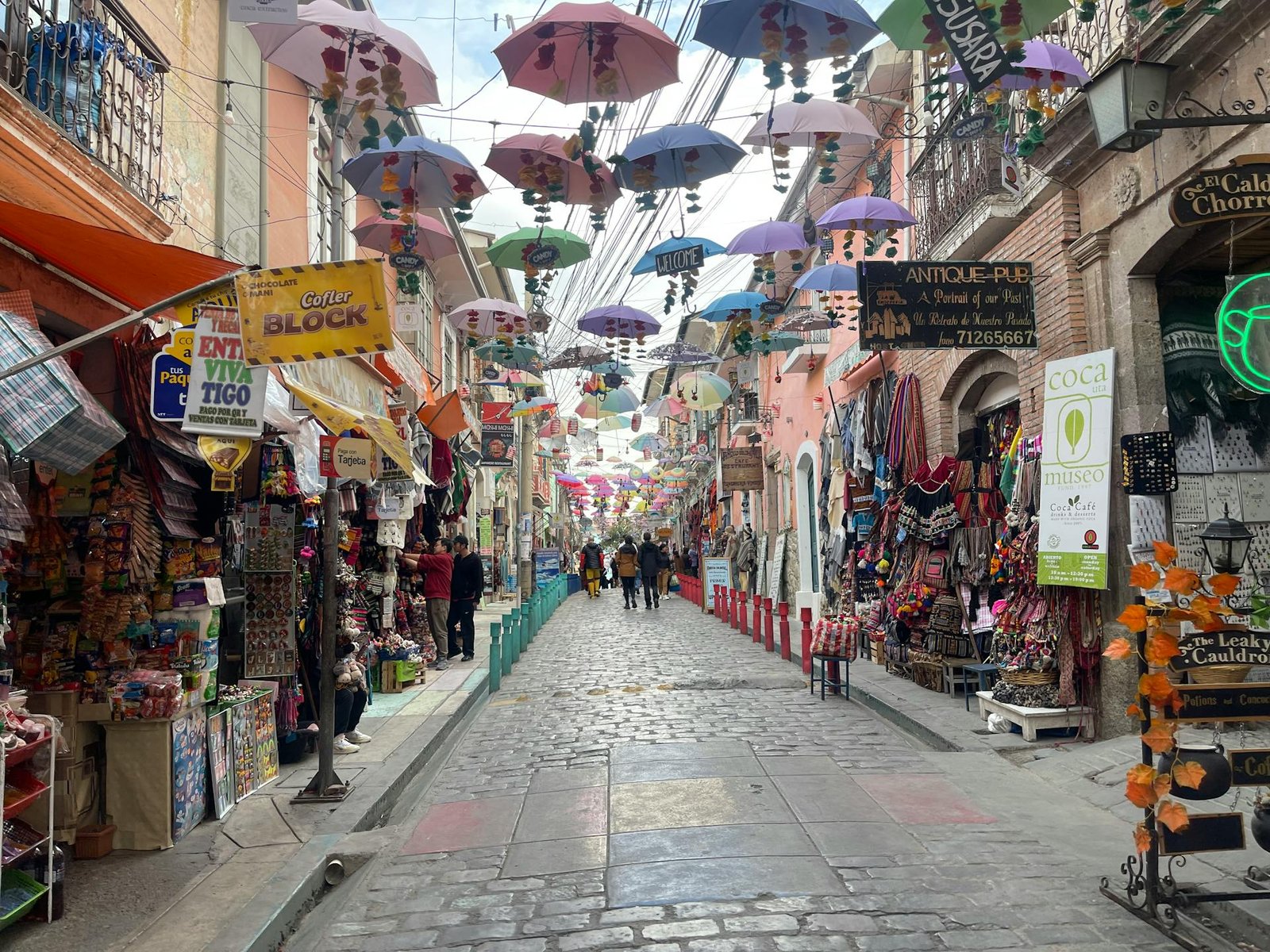
La Paz offers a distinct blend of modern infrastructure and ancient tradition that provides travelers with a truly unique urban experience. The city’s dramatic geography—nestled in a valley surrounded by towering Andean peaks—sets the stage for unforgettable vistas and memorable adventures.
Among the top attractions in La Paz is the Mi Teleférico cable car system, an innovative solution to the city’s traffic congestion and a popular way to witness panoramic views of the urban sprawl and snow-capped mountains.
Riding Mi Teleférico, visitors are treated to an ever-changing landscape that combines modernity with natural beauty.
Riding Mi Teleférico for Breathtaking City Vistas The cable car network in La Paz is more than a transport system; it is an experience that offers unparalleled views of the city.
Numerous lines traverse the city, connecting distant neighborhoods and providing rapid access to high vantage points. This system is built to cope with the city’s challenging topography, allowing travelers to observe both bustling city life and the serene backdrop of the Andes.
Studies such as the one by Cruz et al. (2020) have shown that cable cars in urban settings can improve commuter satisfaction by over 30%, thanks to reduced travel times and scenic views. These benefits are especially evident in La Paz, where the combination of modern engineering and ancient landscapes creates a visually stimulating journey.
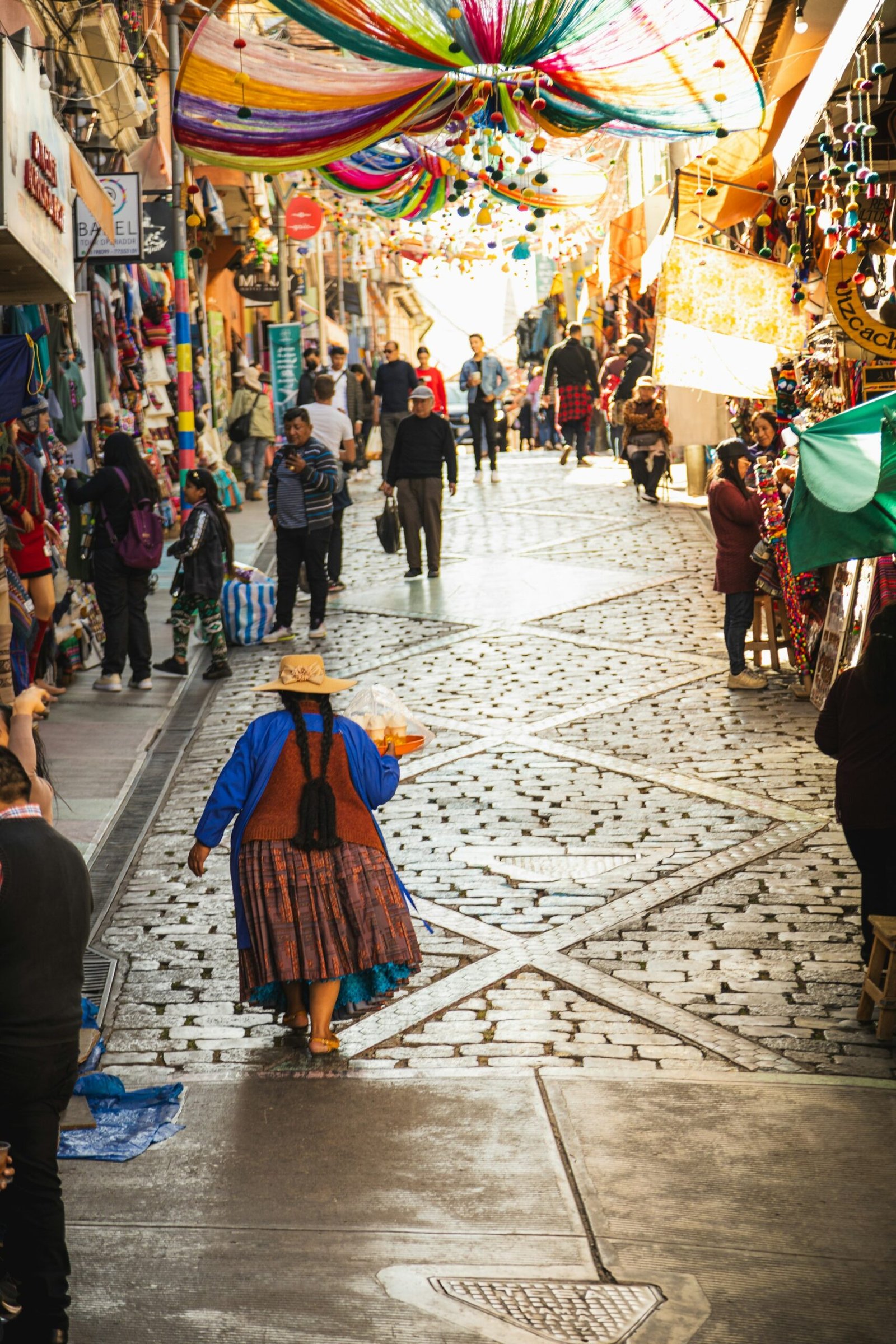
Wandering Through the Witches’ Market and Calle Sagárnaga A visit to La Paz is incomplete without strolling through the famous Witches’ Market (Mercado de las Brujas).
Here, travelers can explore a myriad of local handicrafts, traditional rituals, and herbal remedies that reflect Bolivia’s deep-rooted indigenous spirituality. Calle Sagárnaga, a vibrant street lined with shops and eateries, presents a sensory overload of aromas, colors, and sounds that evoke the authentic spirit of the city.
Each vendor offers a glimpse into local life, with products ranging from coca leaves—a cultural symbol—to handmade ponchos that highlight traditional weaving techniques. Walking these lively streets isn’t just about shopping; it’s an immersive cultural experience that educates visitors on traditional Bolivian practices.
Admiring Colonial Structures in Plaza Murillo Plaza Murillo is the beating heart of La Paz’s political and historical life. Surrounded by important government buildings and ancient churches, the plaza serves as a living museum where each stone tells a story of colonial influence and indigenous resilience.
Visitors can appreciate the architecture that blends Spanish colonial design with local indigenous artistic elements, creating a visual narrative of Bolivia’s troubled yet inspiring history.
This fusion of eras makes the plaza a focal point for understanding the socio-political evolution of the city and provides a unique study in architectural adaptation.
Planning Day Trips From La Pazto Nearby Attractions The strategic location of La Paz makes it an ideal starting point for day trips to mesmerizing natural and cultural sites.
Nearby attractions include the Valley of the Moon (Valle de la Luna), known for its surreal rock formations, and Tiwanaku, an ancient archaeological site that offers significant insights into pre-Columbian civilizations.
These excursions enable visitors to step outside the urban environment and experience the natural beauty and historical legacy that define the Andean region.
Detailed itineraries and transportation options are available through local tour operators, ensuring that travelers can explore these areas with ease while learning from expert local guides.
List of must-do experiences in La Paz
- Ride Mi Teleférico: Experience dynamic views and efficient transit while escaping traffic congestion, providing an exciting mix of modern urban and natural scenery.
- Explore the Witches’ Market: Discover local mystical traditions and unique souvenirs, offering insight into Bolivia’s spiritual and cultural heritage.
- Stroll Calle Sagárnaga: Enjoy the eclectic mix of street food, art, and colorful local life that epitomizes La Paz’s urban vibrancy.
- Visit Plaza Murillo: Learn about Bolivia’s colonial past and present-day governance while admiring the eclectic architecture.
- Plan excursions: Organize side trips to sites like the Valley of the Moon, enhancing your knowledge of the Andean natural world.
The table above outlines various experiences in La Paz along with their key metrics, enabling travelers to select activities that match their interests and schedule.
Key takeaways
- La Paz combines modern transit solutions with rich cultural experiences.
- Cable car rides and bustling markets are integral to experiencing the city.
- Day trips from La Paz provide deeper insight into Bolivia’s natural and historical beauty.
Appreciating Sucre’s rich history and architectural splendor
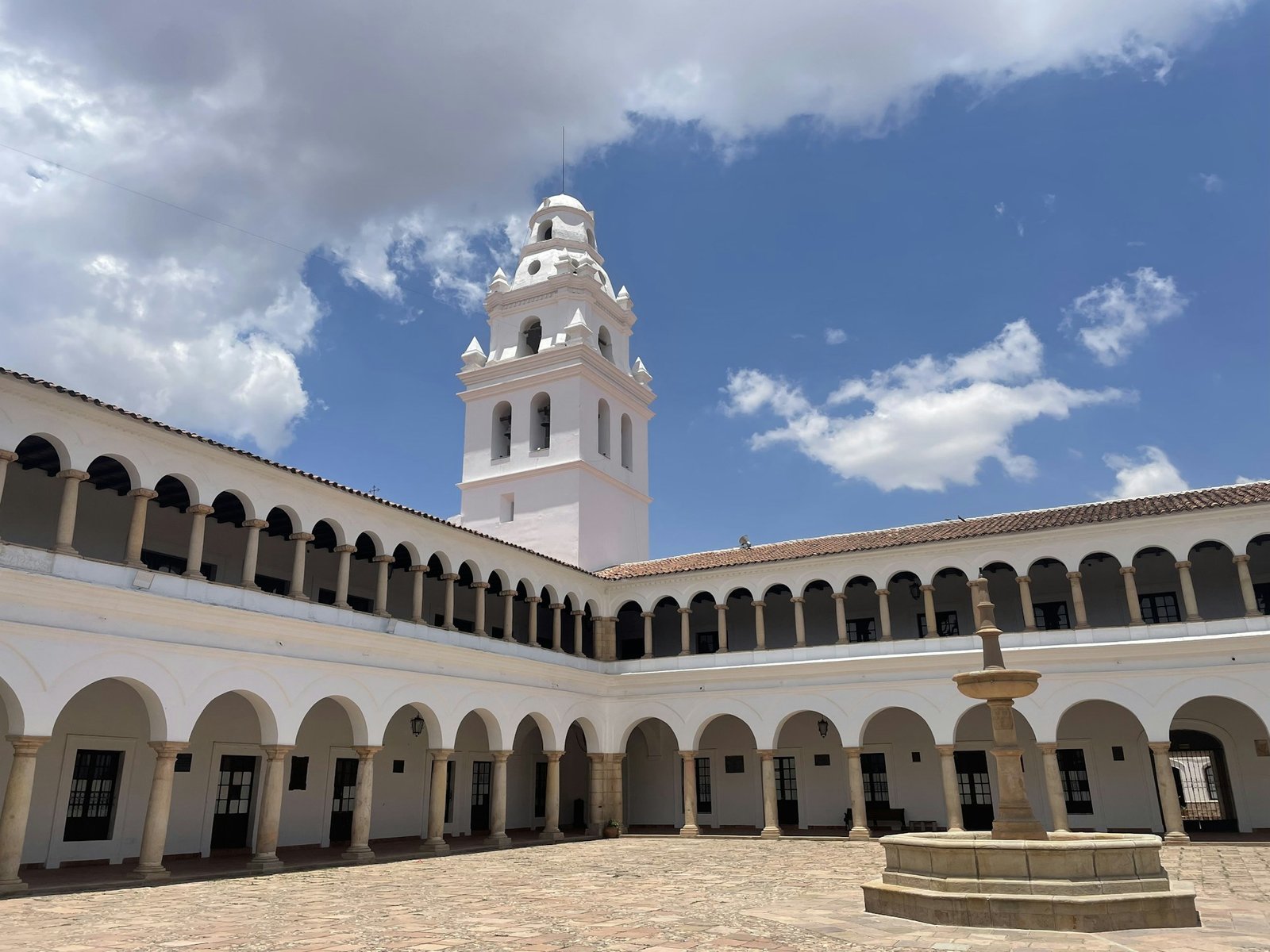
Sucre, often revered as Bolivia’s “White city” mesmerizes visitors with its well-preserved colonial architecture and calm, reflective ambiance.
With its splendid whitewashed buildings and meticulously maintained streets, Sucre is not only a visual feast but also a vital repository of Bolivia’s revolutionary past.
Its historical significance is punctuated by landmarks such as the Casa De La Libertad, where the seeds of independence were sown centuries ago.
This city offers an immersive journey back in time as travelers explore centuries-old churches, museums, and majestic public squares that encapsulate the spirit of early Bolivian history.
Visiting the Casa De La Libertad Bolivia’s Birthplace At the heart of Sucre’s historical allure is the Casa De La Libertad, renowned as the birthplace of Bolivia’s independence.
This museum, rich in artifacts and revolutionary memorabilia, not only tells the story of freedom but also provides an educational experience about the struggles and triumphs of the nation.
Guided tours are available that detail the contributions of key historical figures and the architectural evolution of the building itself, making it a must-visit for history enthusiasts.
Observing White Colonial Edifices in the Historic Center The heart of Sucre’s urban beauty lies within its historic center, where every cobblestone and facade reflects centuries of colonial influence.
Visitors can admire elegant balconies, intricately carved wooden doorways, and grand churches that serve as reminders of the city’s colonial past. The consistent white aesthetic imbues the area with a serene and timeless quality, making it a favorite destination for photographers and cultural scholars alike.
The harmonious blend of architecture and history offers valuable context for understanding the cultural evolution of the Andean region.
Gaining Knowledge at the Museo De Arte Indígena ASUR Sucre is also home to various museums, but the Museo De Arte Indígena ASUR stands out as a beacon of indigenous art and culture.
Here, visitors can view traditional crafts, textiles, and artifacts that represent the diverse ethnic groups of Bolivia. This museum not only celebrates indigenous heritage but also provides contemporary insights into the dialogue between tradition and modern art forms.
Detailed descriptions accompany many exhibits, offering context that enhances the viewer’s understanding of the region’s cultural richness.
Soaking in the Atmosphere of Plaza 25 De Mayo No visit to Sucre is complete without spending time in Plaza 25 De Mayo, the city’s main square.
This bustling plaza is surrounded by historic buildings, lively cafes, and local vendors selling everything from handcrafted goods to regional delicacies.
The plaza serves as both a community gathering space and a living museum, where the interplay of everyday life and historical legacy can be experienced firsthand.
List of Sucre’s architectural and cultural highlights
- Casa de la Libertad: Key historical site where Bolivia’s independence was proclaimed, offering deep insights into the nation’s history.
- Historic colonial center: Encompasses whitewashed buildings, elegant churches, and scenic cobblestone streets that preserve colonial design.
- Museo de arte Indígena ASUR: Features indigenous art and crafts, bridging traditional heritage with modern interpretations.
- Plaza 25 de Mayo: The civic heart of Sucre where locals and visitors mix in a lively cultural exchange.
- Local cafes & Artisan shops: Scattered throughout the city center, providing a taste of local cuisine and artisanal craftsmanship.
The table outlines Sucre’s key cultural landmarks that blend historical significance with modern-day cultural experiences, providing an enriching backdrop for visitors.
Key takeaways
- Sucre offers a serene, historically rich environment with well-preserved colonial architecture.
- Key attractions include the Casa de la Libertad and diverse museums.
- The historic center and local cafes provide authentic insights into Bolivian culture.
Experiencing Santa Cruz’s dynamic energy and natural surroundings
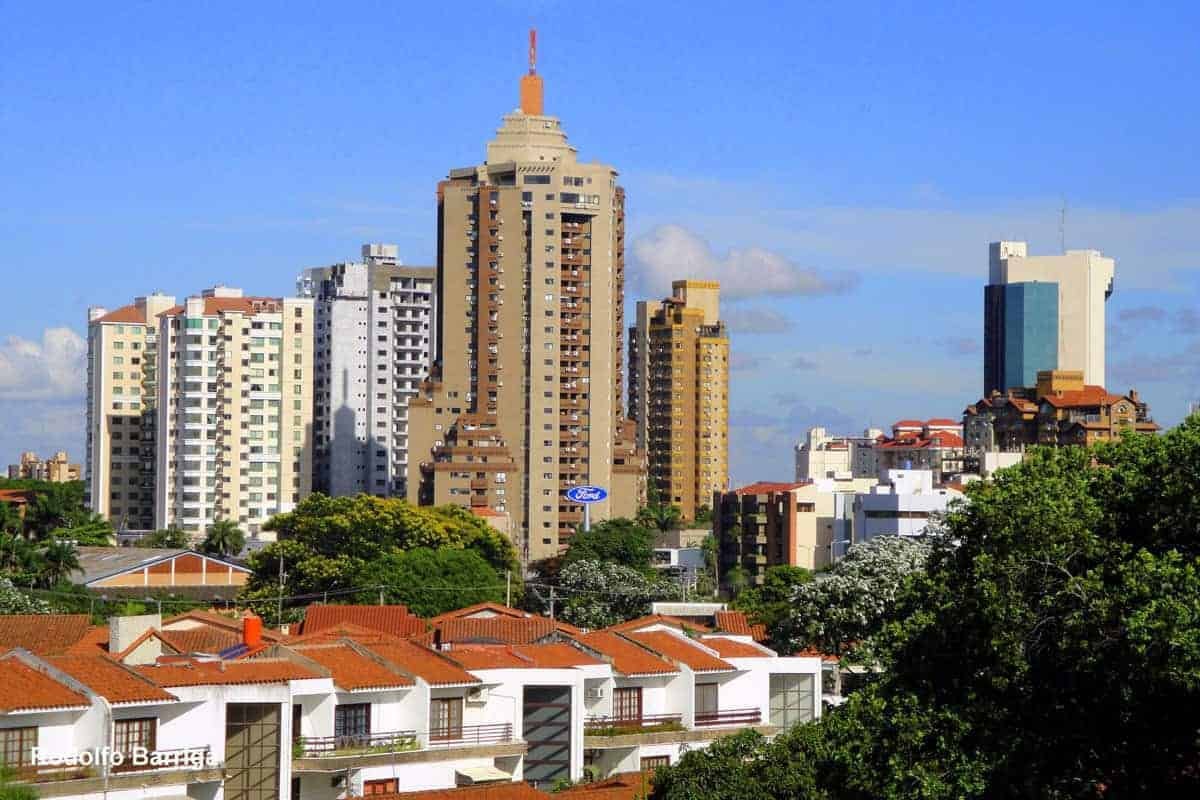
Santa Cruz de la Sierra is a modern metropolis that contrasts sharply with Bolivia’s high-altitude cities, combining urban dynamism with the warmth of tropical landscapes.
As the economic engine of Bolivia, Santa Cruz offers a vibrant nightlife, sprawling shopping centers, and an ever-changing culinary scene that reflects both international influence and local tradition.
This bustling city is also a gateway to natural attractions and rural experiences, effective in showcasing the state’s diversity from modernity to nature.
Unwinding in Parque El Arenal and Its Island Feature Parque El Arenal stands out as one of Santa Cruz’s premier outdoor destinations.
This expansive park features landscaped gardens, serene water features, and a unique island in the middle of a pond that offers a perfect spot for relaxation.
Locals and tourists alike flock to the park to enjoy leisurely walks, outdoor exercise, and family picnics. The park’s design integrates sustainable landscaping with native flora, providing an oasis of calm amid urban activity.
Studies indicate that exposure to urban nature can reduce stress levels by up to 25% (Martinez et al., 2019), enhancing overall well-being and creating a healthful counterbalance to city life.
Seeing the Biocentro Güembé Butterfly Sanctuary Another key attraction in Santa Cruz is the Biocentro Güembé, a nature reserve renowned for its butterfly sanctuary.
This eco-tourism destination offers guided tours through lush greenery, where visitors can observe hundreds of butterfly species in their natural habitat.
Along with butterflies, the center houses a variety of reptile, bird, and fish species, allowing guests an immersive experience into local biodiversity.
Educational programs at the sanctuary emphasize the importance of conservation and sustainable tourism, underscoring how urban areas can still foster vibrant natural ecosystems.
Understanding Regional Heritage at the Museo De Historia Regional Santa Cruz’s rich history is well-documented in the Museo De Historia Regional.
The museum displays artifacts related to the region’s indigenous heritage, colonial past, and modern development. Exhibits provide detailed accounts of the transformation of Santa Cruz from a modest settlement into an economic powerhouse.
The museum’s extensive collection offers compelling stories about migration, trade, and cultural fusion that have shaped the city’s identity, making it an essential visit for history buffs and curious travelers alike.
Arranging Excursions to Amboró National Park From the City For those looking to reconnect with nature, Santa Cruz is perfectly positioned for day trips to Amboró National Park.
The park is celebrated for its biodiversity, with scenic trails, waterfalls, and the opportunity to witness rare species. Local tour operators provide comprehensive guides to the park, ensuring travelers are well-prepared with antimalarial medication and insect repellent to protect against mosquito-borne illnesses.
This proximity to nature allows city dwellers and visitors alike to balance urban exploration with eco-adventures, ultimately enriching their travel experience.
List of Santa Cruz must-do activities
- Stroll through parque El Arenal: Enjoy lush gardens and the unique island feature, perfect for unwinding and capturing scenic photographs.
- Visit Biocentro Güembé: Experience an immersive butterfly sanctuary and learn about regional wildlife conservation efforts.
- Explore Museo de Historia Regional: Gain insights into Santa Cruz’s indigenous and colonial heritage through curated exhibits.
- Organize Excursions to Amboró National Park: Enjoy guided nature treks, waterfalls, and a deep connection to the region’s biodiversity.
- Enjoy local cuisine: Sample a fusion of international and traditional dishes in the vibrant urban food scene.
The table provides a snapshot of recommended activities in Santa Cruz, detailing locations, key features, and the benefits of each experience.
Key takeaways
- Santa Cruz offers a dynamic mix of modern urban experiences and natural excursions.
- Key activities include park visits, eco-tourism, and cultural museum tours.
- Excursions to nearby natural reserves provide balance to city life.
Savoring Cochabamba’s renowned gastronomy and pleasant environment
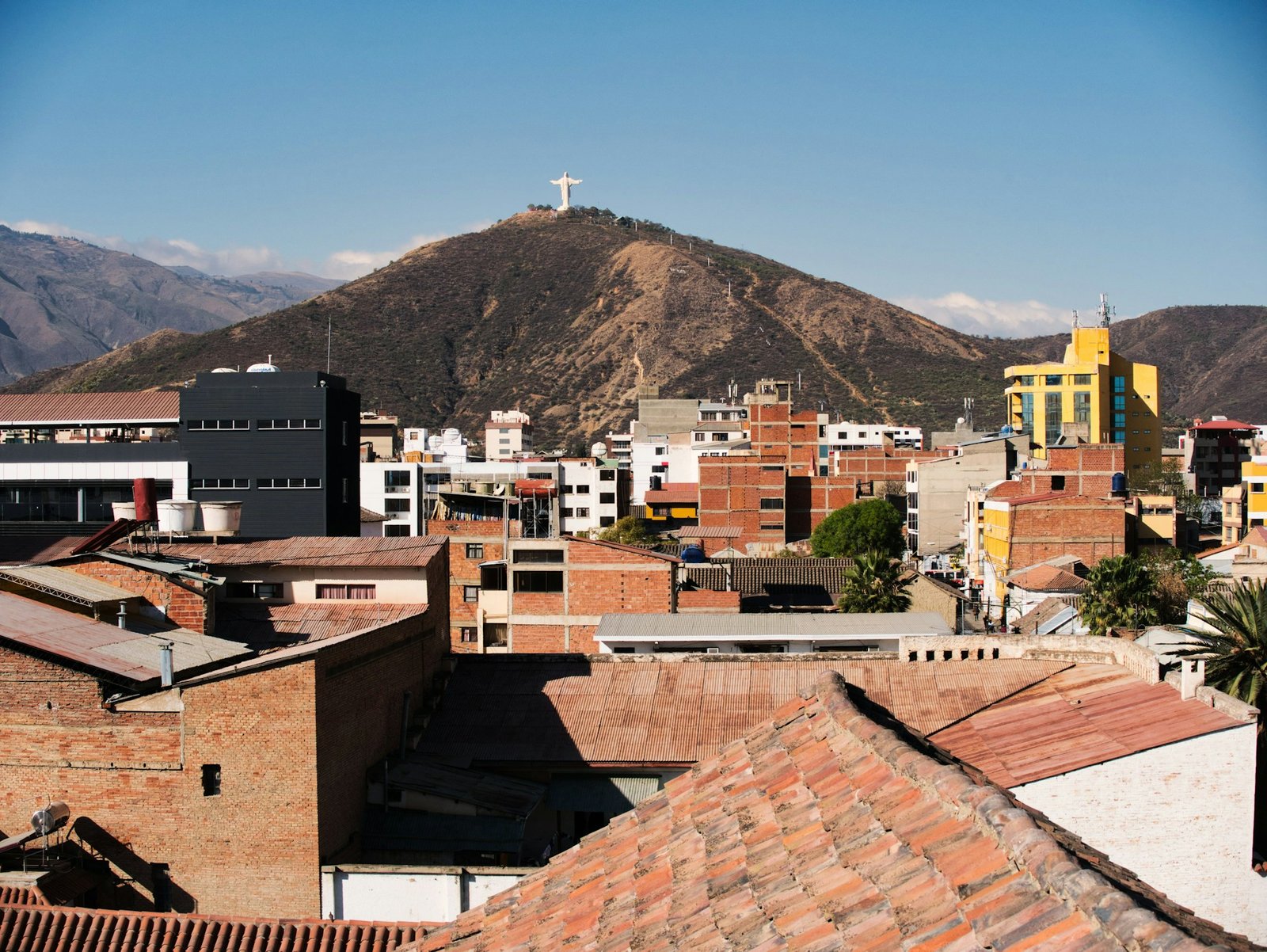
Cochabamba, affectionately known as the “City of Eternal Spring,” embodies the perfect blend of delightful weather, rich culinary traditions, and engaging public spaces.
This urban center is celebrated for its vibrant food markets, eclectic mix of modern and historical architecture, and numerous green spaces that provide a refreshing escape from urban hustle.
The city’s culinary scene is particularly notable, with small street vendors and upscale restaurants alike offering local specialties such as salteñas, which have become synonymous with Bolivian flavor.
Tasting Salteñas and Other Local Culinary Specialties Cochabamba’s street food is an integral part of its cultural identity. Salteñas, a type of savory pastry filled with spicy beef, chicken, or pork, are a local favorite enjoyed by early-morning commuters and tourists alike.
These treats not only epitomize Bolivian cuisine, but also showcase the blend of indigenous spices and colonial influences. In addition to salteñas, visitors can sample other culinary delights such as anticuchos (grilled meat skewers) and traditional soups.
Local food tours provide immersive experiences where travelers can learn about ingredient sourcing, cooking techniques, and the cultural significance of each dish.
Taking the Cable Car to the Cristo De La Concordia Statue An iconic landmark in Cochabamba is the Cristo De La Concordia statue, which towers above the city providing breathtaking panoramic views.
Accessible via a modern cable car system, the journey to the statue offers an exhilarating combination of urban sights and natural landscapes.
This ride not only highlights the technological advancements in Cochabamba’s infrastructure but also provides visitors with ample opportunities to snap memorable photographs of the city below.
The Cristo statue, a symbol of both faith and modern progress, represents the harmonious coexistence of tradition and innovation in Cochabamba.
Finding Souvenirs at the Bustling La Cancha Market La Cancha Market is a vibrant hub of commerce and culture. Within its colorful stalls, travelers can find everything from locally woven textiles and handcrafted jewelry to fresh produce and indigenous artwork.
The market is an ideal destination for acquiring unique souvenirs that reflect the spirit of Cochabamba and Bolivia at large. Each vendor offers not only products but also stories and traditions, providing an in-depth look into the city’s local culture.
Visitors are advised to bargain respectfully, a common practice that is an integral part of the local marketplace experience.
Enjoying the Green Spaces and Squares of the “City of Eternal Spring” Cochabamba’s pleasant climate is celebrated by its myriad parks and plazas scattered throughout the city.
These green spaces, including well-maintained public squares and gardens, offer residents and visitors alike a tranquil retreat from urban activity.
Here, families, students, and elderly locals gather to relax, socialize, or simply enjoy the temperate weather typical of the city.
This environment not only enhances the quality of life in Cochabamba but also encourages outdoor activities and community engagement, making it a perfect destination for those who appreciate both nature and urban vibrancy.
List of Cochabamba’s culinary and cultural highlights
- Sample Salteñas: Savor the flavors of this iconic Bolivian pastry, bursting with savory fillings and spices.
- Ride the cable car: Experience a scenic journey to the Cristo De La Concordia statue that offers unparalleled city views.
- Explore la cancha Market: Engage with local vendors and purchase unique, handcrafted souvenirs reflective of Cochabamba’s culture.
- Enjoy urban green spaces: Relax in the city’s numerous parks and plazas that define its “Eternal Spring” climate.
- Indulge in Additional Street Foods: Discover other local delicacies such as anticuchos and traditional soups that capture Bolivian heritage.
The table summarizes various culinary and cultural experiences in Cochabamba, emphasizing local specialties, attractions, and the benefits of engaging with the city’s vibrant street life.
Key takeaways
- Cochabamba is renowned for its delectable food scene and pleasant, year-round climate.
- Iconic attractions include salteñas, cable car rides to Cristo De La Concordia, and bustling markets.
- The city’s green spaces offer peaceful retreats amidst urban energy.
Final thoughts
Bolivia’s cities each exude their own character—La Paz’s dramatic altiplano vistas, Sucre’s colonial elegance, Santa Cruz’s modern vibrancy, and Cochabamba’s culinary charm create a rich mosaic for travelers.
By exploring diverse urban centers, visitors not only gain insights into Bolivia’s complex history and vibrant cultures but also enjoy modern amenities and breathtaking natural settings.
Whether your journey takes you through ancient markets or scenic cable car routes, Bolivia promises an unforgettable urban adventure that beautifully marries tradition with innovation.
Embrace the diverse experiences and let Bolivia’s cities inspire you to explore further.
Frequently asked questions (FAQs)
What is the best way to travel between Bolivian cities?
The best option is to use domestic flights for long distances, while local buses and taxis serve well for shorter distances. For cities with unique transit systems like La Paz, the Mi Teleférico offers both convenience and spectacular views.
How safe is it to travel in Bolivian urban areas?
Overall, major cities in Bolivia are safe for tourists. However, it is advisable to remain vigilant against petty crimes by avoiding flashiness, using reputable transport services, and keeping emergency contacts handy.
What local customsshould travelers be aware of in Bolivia?
Travelers should show respect by dressing modestly at sacred sites, learn basic Spanish phrases, and practice proper bargaining etiquette in markets. This respectful approach enhances cultural exchange and enriches the travel experience.
Which Bolivian city is best known for its colonial architecture?
Sucre is widely celebrated for its colonial architecture, with pristine white buildings and cobblestone streets that reflect its role as the constitutional capital and historical cradle of Bolivian independence.
How can travelers experience Bolivian cuisinein urban centers?
Each city offers unique culinary experiences—from savoring street food like salteñas in Cochabamba to enjoying international fusion dishes in Santa Cruz. Food tours and local markets are excellent places to experience authentic Bolivian flavors.