⚡ Quick answer: Most travelers no longer need a tourist visa for Bolivia in 2026 — including US citizens since December 1, 2025. But everyone must complete the free SIGEMIG online pre-registration before flying.
Bolivia visa requirements in 2026 are the simplest they have been in a decade: US, UK, EU, Canadian, Australian and New Zealand passports all enter visa-free for 90 days. The United States was moved into Group 1 on December 1, 2025 — for years the single most-asked question in our inbox, now with a one-word answer: “no.” What changed instead is the digital side. SIGEMIG (free, about 10 minutes online) is mandatory for everyone, and it is now the number-one reason travelers get pulled aside at El Alto.
Bolivia visa requirements explained — the three-group system
Bolivia classifies foreign visitors into three groups. Which group your passport lands in decides everything else.
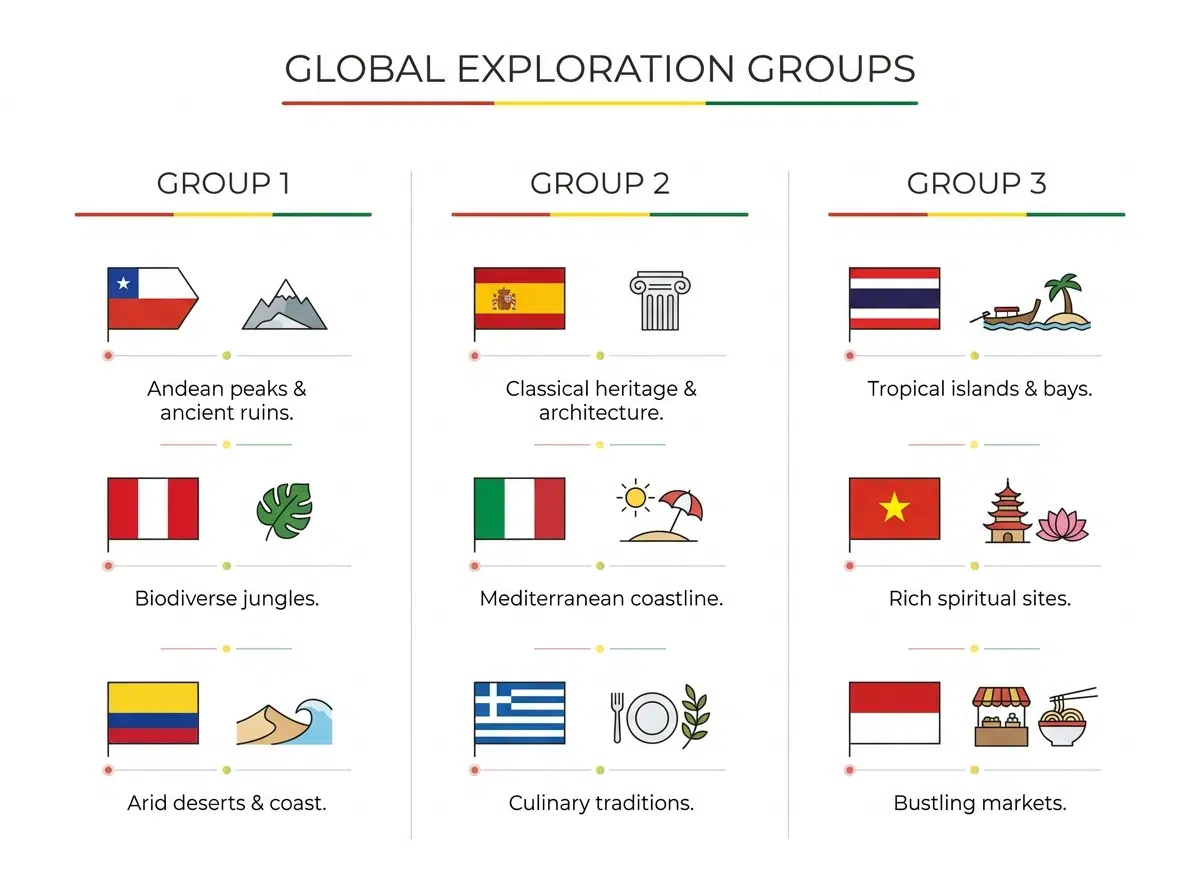
- Group 1 — Visa-exempt. You show up, get stamped for 90 days, done. Most Western European citizens, UK, EU, Canada, Australia, New Zealand, Japan, South Korea, and — since December 2025 — the United States.
- Group 2 — Visa required, obtainable on arrival or at consulate. Visitors from a specific list of countries (including several Asian and African nations). Cost around USD 30–52 depending on nationality; you can apply at a Bolivian consulate before traveling, or pay at the airport counter on arrival.
- Group 3 — Visa required, consulate only. A short list (including countries Bolivia does not maintain full diplomatic relations with). Must apply in advance at a Bolivian consulate; no airport option.
If you are reading this in English, chances are you sit in Group 1. But do not assume — the official list is updated by Bolivia’s Ministry of Foreign Affairs (cancilleria.gob.bo) and it moves. Check your exact passport before you fly.
United States — the big 2025 change
Up until November 30, 2025, US passport holders needed a tourist visa to enter Bolivia, costing USD 160 and valid for 10 years of multiple-entry stays. That regime ended. From December 1st, 2025 onward, US citizens travel to Bolivia visa-free for tourism, with a 90-day maximum stay per year (which can be extended once at SIGEMIG offices in La Paz, Santa Cruz or Cochabamba for another 90 days, for a total of 180 per calendar year).
A practical note — if you are reading older Reddit threads or Lonely Planet editions, half the internet still says “Americans need a visa for Bolivia.” That was true until four months ago. Trust the date, not the ranking.
What you do need as a US citizen in 2026:
- A passport valid for at least 6 months beyond your entry date (standard globally, also enforced here).
- At least one blank page for the entry stamp.
- Proof of onward travel (return or onward flight). They ask at check-in more often than at the border, but both happen.
- Proof of sufficient funds — in practice, rarely checked, but USD 50 per day of stay is the informal threshold officers will mention if they do.
- A Yellow Fever vaccination certificate if you are arriving from or transiting through a country classified as yellow-fever endemic (Brazil, Peru, Colombia are the common triggers). More on this below.
UK, EU, Canada, Australia, New Zealand — the quiet Group 1
If you hold a British, Irish, French, Spanish, German, Italian, Dutch, Portuguese, Scandinavian, Canadian, Australian or New Zealand passport, you have been visa-free for years and nothing changed. You get 90 days on arrival, extendable to 180 through SIGEMIG.
The same passport-validity rule applies (6 months), and the same yellow-fever nuance. The only travelers I would flag here are British citizens flying via Madrid or São Paulo — there is no visa needed for Bolivia, but Spain requires ETIAS pre-registration from mid-2026 and Brazil quietly reintroduced tourist visas for Australians, Canadians and Americans in April 2025 (UK citizens are still exempt for Brazil, as of this writing). If you are transiting, check the transit country separately. Bolivia’s rules do not cover your layover.
SIGEMIG — the digital step nobody mentions until they get stopped
This is the part where the generic visa blog posts fall apart. Even if you are in Group 1, Bolivia asks all foreign visitors to complete an electronic migratory pre-registration called SIGEMIG (Sistema de Gestión Migratoria) before arrival. It has been mandatory since mid-2025.
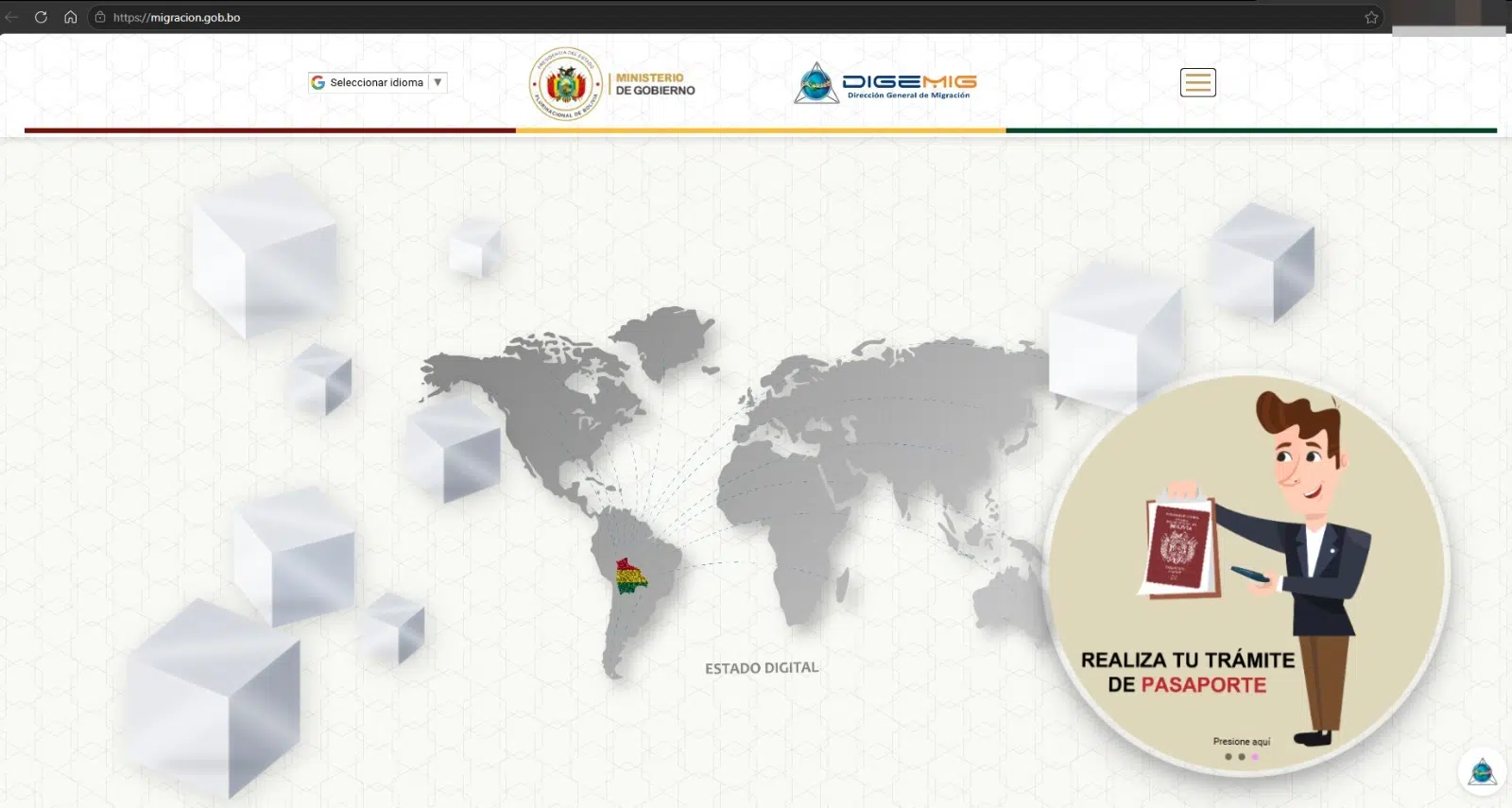
It is not a visa. It is not a fee. It is a form.
What you do:
Free 10-minute online migratory pre-registration mandatory for all foreign visitors to Bolivia since mid-2025
Total Time: 10 minutes
Open the official portal
Go to https://migracion.gob.bo/ (the official Bolivian Migration portal — confirm the URL before use, since Bolivian government domains occasionally change).
Create an account
Register with your email and confirm via the link sent to your inbox.
Fill in trip data
Fill in the form: passport data, flight number, arrival date, address in Bolivia (first hotel is fine), purpose of trip.
Download the QR
The portal generates a PDF with a QR code confirming your pre-registration.
Present at immigration
Show the QR at the Bolivian border post (El Alto, Viru Viru, land crossings).
Tools:
- Smartphone or computer with internet connection
- Valid passport
- Flight booking confirmation
- Bolivia accommodation address
It takes about 8–10 minutes if your flight info is handy. Do it from the airport in Miami, Madrid or São Paulo while you wait for your connection — not on the plane (in-flight Wi-Fi on LATAM and Gol between Lima and La Paz is genuinely unreliable, even in 2026).
A practical observation from our inbox: the #1 reason travelers get delayed in El Alto immigration in 2026 is not missing visas. It is missing SIGEMIG. The officers are polite but firm — they will ask you to fill it on your phone on the spot, which means standing aside for 15 minutes while everyone else walks out to the taxis.
Yellow fever — the real bottleneck for Amazon-bound travelers
If your Bolivia itinerary touches Rurrenabaque, Madidi National Park, the bufeo (pink dolphin) route in Beni, or the jaguar route in the Noel Kempff area — basically anything east of the Andes — yellow fever vaccination is strongly recommended. Bolivian regulation officially requires the certificate only if you arrive from a yellow-fever endemic country, but Amazon regions ask for it at the door of several national parks.
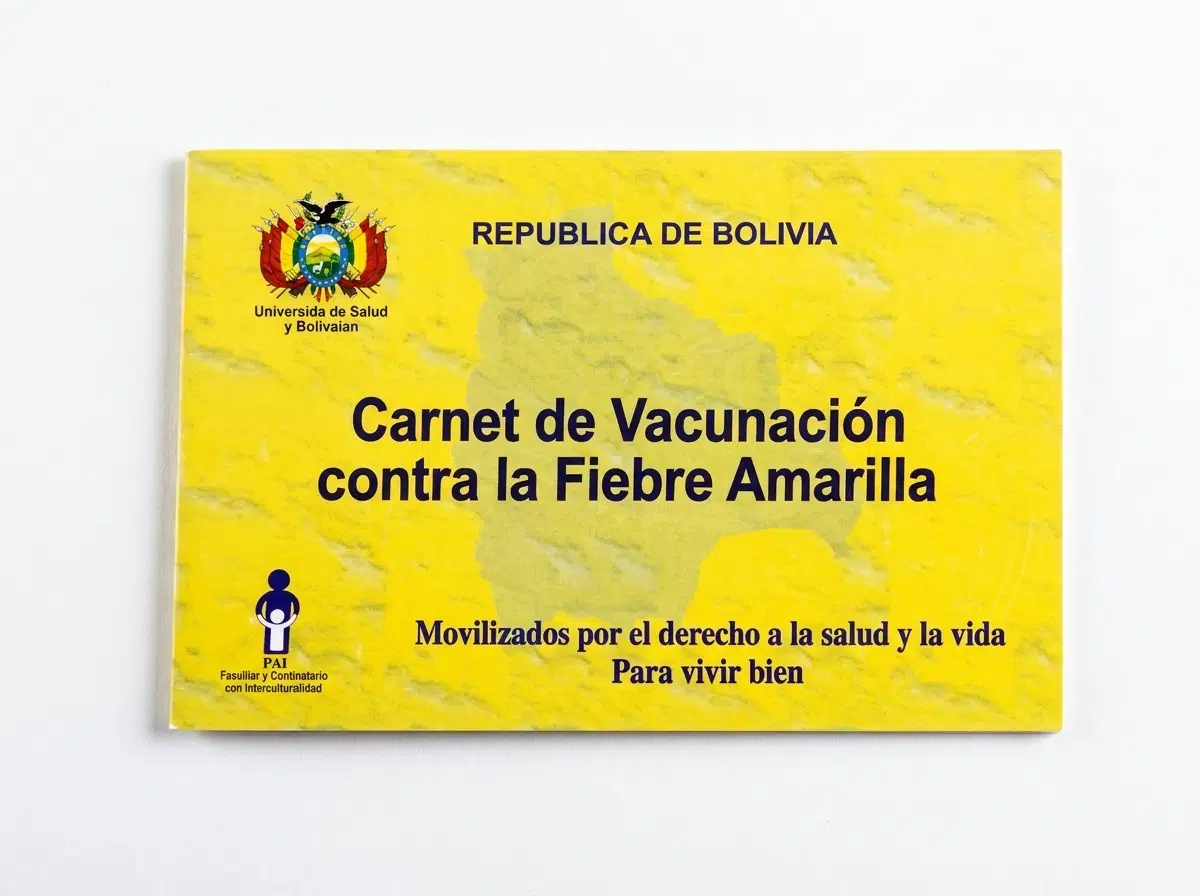
The vaccine must be administered at least 10 days before entry to be considered effective. It is a single dose, lifetime valid, and costs roughly USD 40–200 depending on your country (cheaper in Europe, more expensive in the US). The yellow card (“carné amarillo internacional”) is what customs asks for — a phone photo of it is not always accepted. Bring the physical card.
Not planning to leave the Altiplano (La Paz, Uyuni, Lake Titicaca, Sucre, Potosí)? You can skip it without real consequence. Yellow fever mosquitos do not survive above 2300 m, and the Bolivian highlands start well above that.
Passports and documents — the not-so-obvious stuff
Two things travelers get wrong every month:
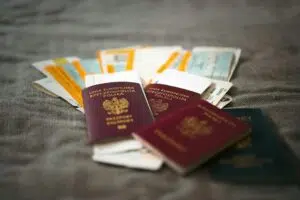
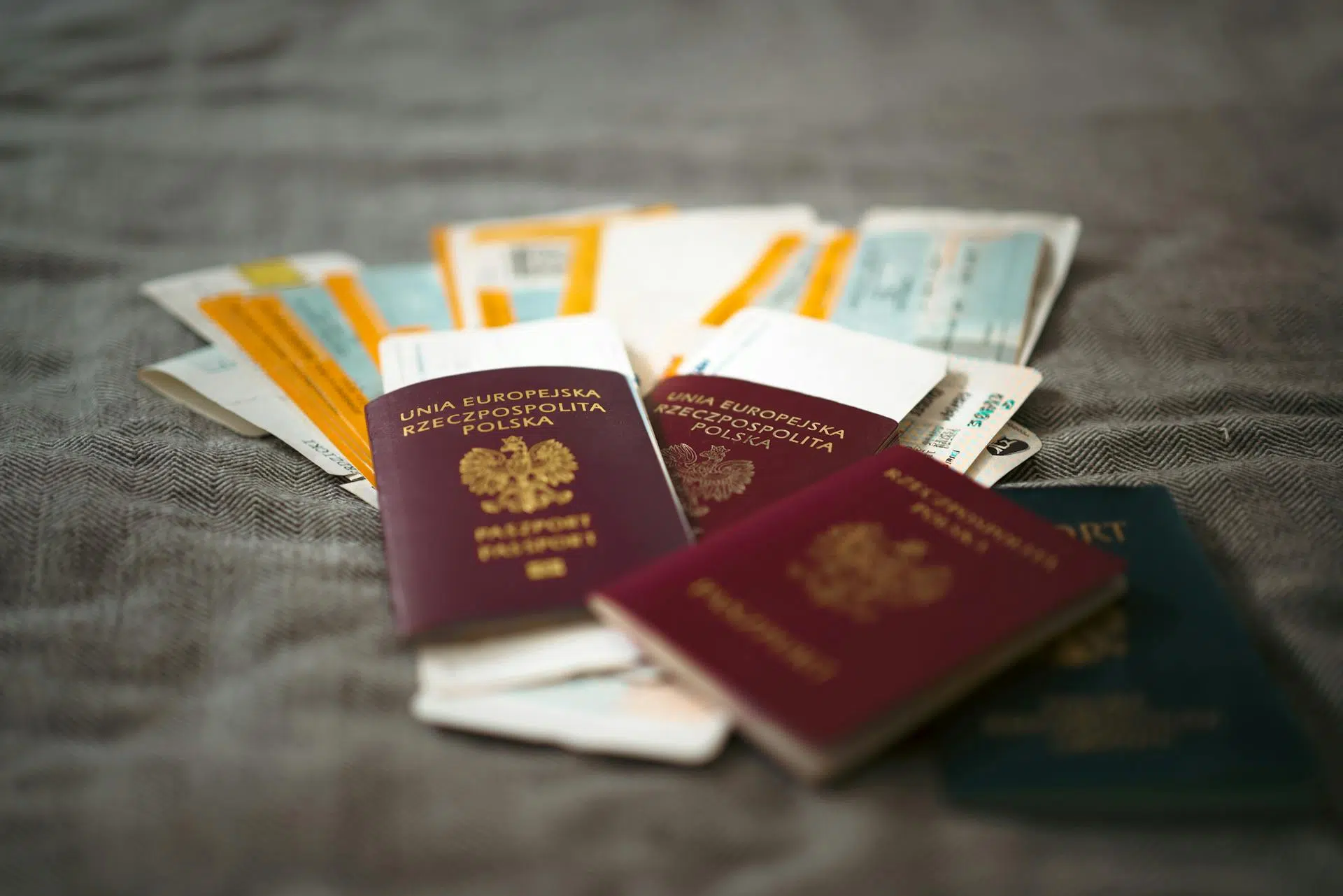
1. Passport condition. Bolivian immigration is strict about damaged passports. A torn edge, a ripped-out page, or water damage that made the photo page bubble up — any of these can get you turned around at the border. A colleague got pulled aside in Santa Cruz last October because a single corner of her passport had started to peel from humidity in Southeast Asia. It went fine after a supervisor looked, but she lost 40 minutes. If your passport is approaching the end of its life, renew it before going.
2. Minors traveling without both parents. If a child under 18 enters Bolivia with only one parent (or with neither), you need a notarized parental consent letter. This catches divorced-parent travelers off guard. The format is specific — name of minor, dates of travel, signed and apostilled authorization from the absent parent(s). Some consulates will do this for you for free, but it takes a week. Do not leave it for the last Tuesday.
On-arrival realities — what actually happens at El Alto
Most readers will land at El Alto (La Paz) or Viru Viru (Santa Cruz). What the actual counter experience looks like in 2026:

- The officer scans your passport, scans your SIGEMIG QR, asks how many days you are staying and where you will sleep the first night.
- They stamp 90 days by default. If you ask for longer (“My flight out is in 100 days”), they will usually give you the extension on the spot — but the phrasing matters. Be specific.
- No interview-style questioning for Group 1 nationalities. Expect 60 seconds at the counter, 3 minutes in line.
- Customs: occasional bag X-ray, mostly waved through. Drone declarations are required for anything over 250g.
What you should not do is arrive without a hotel reservation for the first night. Officers rarely ask, but if they do and you cannot answer, things get slower. Book one refundable night — anywhere in La Paz Sopocachi or Miraflores, or Santa Cruz city center. Booking.com covers Bolivia well.
Extending your stay — the 180-day path
Got 90 days on arrival, want to stay longer? Go to a SIGEMIG office in person (La Paz, Santa Cruz, Cochabamba, Sucre). Bring your passport, current immigration stamp, and around BOB 250–300 (USD 35–45). They give you another 90 days. This is standard and routinely approved — the Bolivian system assumes tourists sometimes overshoot. What they do not allow is a second extension: 180 days is the cap per calendar year.
Overstaying triggers a fine of roughly BOB 30 per day when you leave. Annoying, not catastrophic. But if you are thinking of staying 9+ months, you need a different visa category (specific-purpose, student, or residence), which is a separate process entirely.
Quick reference — Bolivia entry checklist 2026
Before you fly, confirm you have:
- Passport valid 6+ months, at least 1 blank page, physically intact.
- SIGEMIG pre-registration QR downloaded.
- Proof of onward travel (flight or bus reservation).
- Yellow fever certificate if arriving via Amazon-region countries or heading to Bolivian Amazon.
- First-night hotel reservation (refundable is fine).
- USD cash (small bills) for incidental fees — Bolivia is increasingly card-friendly but airport taxis and some border crossings are not.
- Notarized parental letter if a minor travels without both parents.
We made this into a 2-page downloadable PDF — subscribe to the Love Bolivia newsletter and we will send you the checklist plus the map of SIGEMIG office locations across the country.
Common mistakes we see from readers
- Assuming old information. The US visa rule changed December 2025. Most travel blogs and half of YouTube still show 2023 data.
- Confusing visa with SIGEMIG. SIGEMIG is not optional even for Group 1.
- Skipping yellow fever for Amazon trips. Some lodges in Madidi will refuse you entry without the yellow card, regardless of what immigration said at the airport.
- Traveling with passport expiring in 5 months. “Valid” is not the same as “valid 6+ months from entry.”
- Paying cash bribes. The modern airport officers do not ask. If anyone suggests it, they are freelancing — ask for a supervisor.
If your situation is not in Group 1
If your passport is Group 2 or Group 3, the process is more involved and changes more often. Rather than repeat possibly outdated details here, check the official list at cancilleria.gob.bo and contact the nearest Bolivian consulate in your country directly. If you would like help navigating the paperwork, write to us at hi@lovebolivia.com and we will point you to the right consulate contact and timeline.
Final word
The “do I need a visa for Bolivia” question has been answered simpler in 2026 than at any point in the last decade. For most of our readers, the answer is no — but the homework just shifted from consulate appointments to a 10-minute online form. SIGEMIG is the new gatekeeper. Fill it before you board and the border is a non-event.
See you on the Altiplano.
Frequently Asked Questions
Can I enter Bolivia by land from Peru or Chile without a visa?
Yes, if your passport is Group 1. The busy land crossings at Desaguadero (Peru) and Tambo Quemado (Chile) apply the same 90-day rule as airports. SIGEMIG is still mandatory, and border Wi-Fi is patchy — fill it in the night before, not at the checkpoint.
Does my SIGEMIG registration expire if my trip gets postponed?
Yes. SIGEMIG is tied to the specific arrival date you declared. If you shift your flight by more than 48 hours, log back in and edit the entry, or submit a fresh pre-registration. Officers at El Alto do flag QR codes with mismatched dates — they scan the arrival field.
Can I work remotely in Bolivia on a tourist entry stamp?
Technically no: the tourist stamp is for tourism, not paid activity. In practice, remote work for a foreign employer sits in a grey zone and is widely tolerated for stays under 90 days. If you plan to bill locally, open a Bolivian contract or stay longer, you need a specific-purpose visa.
Is there a Bolivia ETA planned like Europe’s ETIAS?
Not announced as of April 2026. SIGEMIG is the closest equivalent already in place — a free digital pre-registration, not a paid travel authorization. Watch Bolivia’s Cancillería site (cancilleria.gob.bo) for updates; the system was expanded in late 2025 and may evolve further this year.
I hold dual citizenship — which passport should I use to enter Bolivia?
Use whichever gives you Group 1 visa-free access and matches your flight booking. Bolivian officers stamp the passport you present and do not ask about second nationalities. Just be sure the passport, ticket name and SIGEMIG entry are all on the same document — mismatches slow the line.
Does Bolivia accept a digital photo of the yellow fever certificate?
Airport immigration usually accepts a clear photo on your phone. Amazon lodges and national park gates in Madidi or Noel Kempff often do not — they want the physical yellow booklet (carné amarillo internacional) with the vaccinator’s stamp and signature. Carry the original; use photos only as backup.
About the author
Daihana writes for Love Bolivia on modern, tech-savvy Bolivia travel — apps, routes, digital nomadism and planning. Bio: gravatar.com/daihanatravel.
— Daihana
Published April 22, 2026. Verified April 2026.