From Andean snow to tropical jungle.
64km, three ecosystems, 3,500m of descent — all in a single day of riding.
La Cumbre → Unduavi — The warm-up
The tour starts at La Cumbre Pass at 4,650m — cold (often 2–6°C), possibly snowing, definitely windy. After gear fitting and a full safety briefing, the first 22km run on the paved old highway: fast, steep, safe. This section is where riders find their rhythm, test the brakes and build confidence before the unpaved section. The descent from 4,650m to 2,700m happens fast — within 45 minutes of starting you're already at the entrance to the Death Road proper.
Unduavi → Yolosa — The Death Road
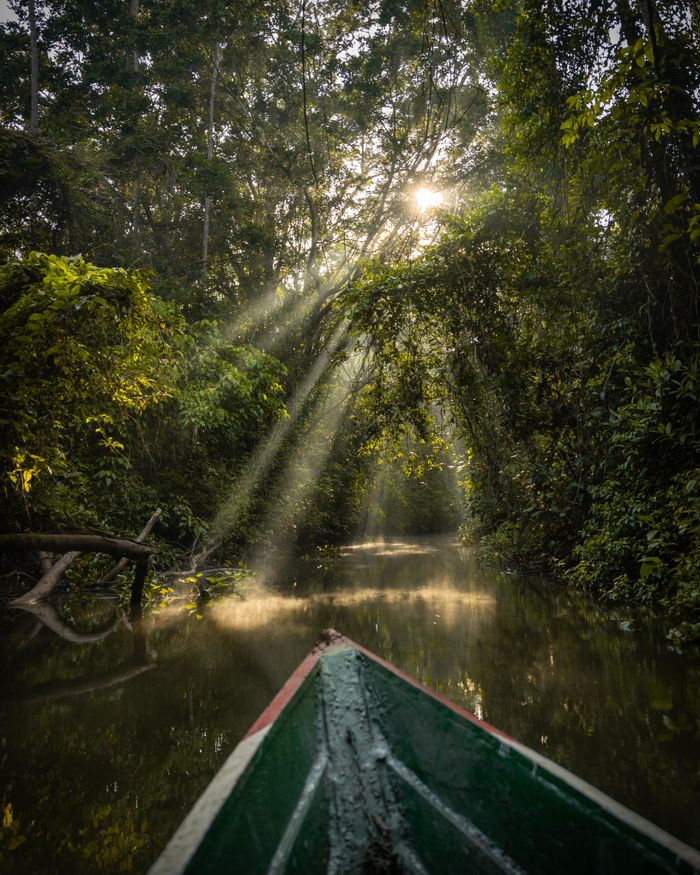
At the junction near Unduavi, the tarmac ends and the Death Road begins. The road is 3.2m wide in its narrowest sections — barely enough for one vehicle. The left edge drops between 200m and 800m with no barrier. Wooden crosses mark the sites of fatal accidents. The middle third of the descent has the deepest drops and tightest switchbacks. Waterfalls cascade across the road (you ride through them in wet season). The road changes from cold Andean grassland to cloud forest to warm jungle as you descend — the ecosystem shift is dramatic and continuous.
Yolosa — Lunch, pool & the return
At Yolosa (1,200m), the tour finishes with a buffet lunch at a restaurant near the finish point — usually La Senda Verde animal refuge or similar. The warm jungle air, the relief, the smell of vegetation and a massive lunch make this one of the best ends to a day out in Bolivia. Some operators offer the option to stay overnight in Coroico (15 minutes up the hill from Yolosa) and return the next day — this is the better option if your schedule allows. The return to La Paz by the new highway takes 2–3 hours.
The operator is everything.
The Death Road has no official safety standard regulation. The difference between an extraordinary experience and a serious incident is operator quality.
Look for operators using modern full-suspension bikes (Kona, Trek, Specialized) in good condition. A hardtail (front suspension only) on the dirt section is technically inadequate for riders without downhill experience. Ask the bike model before booking.
The full-face helmet is the most critical piece of equipment. No serious operator accepts a road cycling helmet for the Death Road — the full-face protects your face in a fall on loose dirt or rocks. Check that the helmet is modern and fits properly.
A 4x4 support vehicle must follow the group throughout the descent. This vehicle carries spare parts, a first aid kit, tools and can collect riders who cannot continue. Operators without a support vehicle = unacceptable risk.
The ideal ratio is 1 guide per 6–8 riders. Groups of more than 15 people with a single guide are problematic on narrow sections. Confirm the maximum group size when booking.
Fair price: USD 80–135 all-in (bike, gear, guide, support van, breakfast, lunch, transfer). Operators charging USD 40–60 are cutting corners on a critical element. Ask explicitly what is included.
A complete safety briefing before departure is mandatory at serious operators: road rules, stop signals, body position, braking, photo zones. If the briefing is under 10 minutes, that's a red flag.
— Gallery
Bolivia in focus
Real photography from our routes. No stock images. Hover to explore.