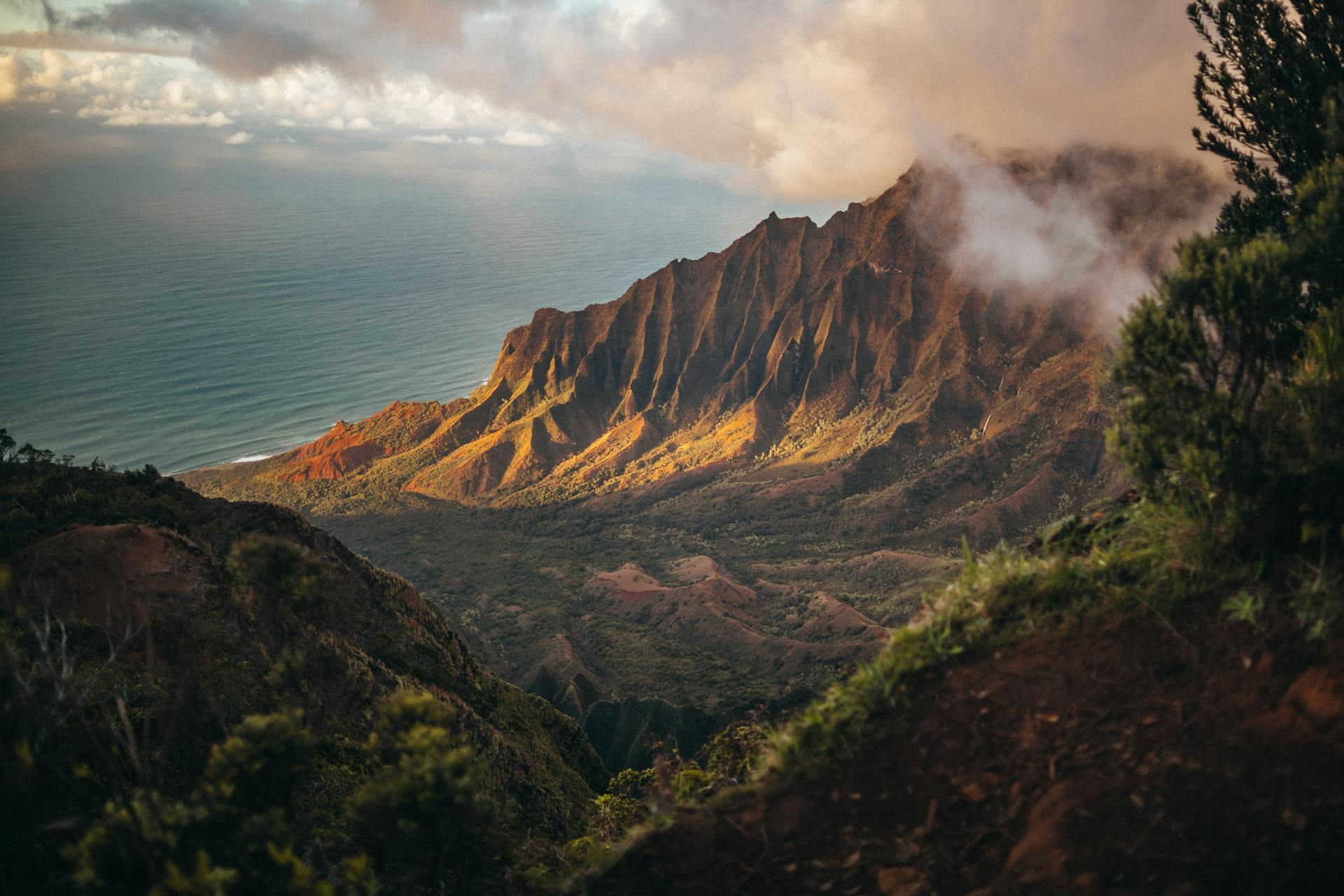
Why Bolivia is the world's most biodiverse country per unit area
Bolivia occupies less than 0.8% of the earth's land surface, yet harbours 40% of all South American biodiversity. The reason is geographical and has no equivalent anywhere on the planet: Bolivia spans from the Andean altiplano above 5,000 m to the Amazon basin at 100–200 m above sea level — a journey that can be made by vehicle in under four hours. This nearly 5,000 m altitude difference over such a short horizontal distance generates eleven completely distinct ecosystems, each with its own species, microclimates, and food webs. No other country in the world has a compressed altitudinal transition of this magnitude, which is why Madidi National Park has more bird species than all of North America, and why Bolivia's southwest harbours three of the world's six flamingo species at the same lake on the same day.
Eleven ecosystems — from Andean ice to the Amazon
Bolivia's eleven ecosystems include the Andean altiplano (4,000–5,000 m), salt flats, southwestern geothermal fields, dry inter-Andean valleys, the Yungas cloud forest, the Tucumano-Bolivian forest (Argentine border), the Chiquitano dry forest (the largest in South America), the cerrado, the seasonally flooded Beni pampas (Llanos de Mojos), the Bolivian Amazon, and the Gran Chaco. Each ecosystem has differentiated endemic fauna: Andean condors and vicuñas on the altiplano; spectacled bears and cock-of-the-rock in the Yungas; jaguars and tapirs in Madidi; giant armadillos in the Chaco. No country of comparable area concentrates this diversity. The only country with a higher total species count is Colombia, which has three times Bolivia's land area.
Bolivia's jaguar — the world's second largest population
Bolivia has the world's second largest jaguar (Panthera onca) population, estimated at 5,000–8,000 individuals according to WWF and the Bolivian government. The main jaguar corridors in Bolivia are Kaa-Iya del Gran Chaco National Park (the largest refuge), the Bolivian Pantanal (San Matías), TIPNIS, and the Madidi-Apolobamba corridor. Bolivia maintains such a healthy jaguar population because of the low infrastructure density in its eastern lowlands: the Beni pampas and the Chaco are among the least human-disturbed terrain in South America, and jaguars need 50–200 km² of continuous territory to survive. Specialised tours from Santa Cruz to the Pantanal have confirmed sighting rates of 60–70% during the dry season.
Responsible wildlife tourism — the LOVEBOLIVIA protocol
Poorly managed wildlife tourism can cause exactly the damage it claims to prevent: disturbance of young, predator habituation, habitat degradation from trampling. LOVEBOLIVIA works with local guides who know the approach protocols for each species — minimum distances, approach direction, silence at critical points, and zero supplementary feeding. All parks we visit have visitor quota systems: the number of simultaneous visitors in jaguar, pink dolphin, and spectacled bear zones is regulated. Flash photography is prohibited on all nocturnal wildlife encounters. Our clients leave with real images of real wild animals — no staging, no captive animals, no false guarantees.
— Key species
12 animals to see in Bolivia

— Wildlife routes