Skip to content
Valles Bolivia — cañones y paisajes cálidos
perezoso
— Ecosystem · Bolivian Valleys1.800–2.800m

The Valleys
of Bolivia.

Perfect temperature year-round. The best food in the country. Two UNESCO cities. A pre-Inca site with the world's largest carved rock. Wines at 3,000 metres. The valleys are where Bolivia settles.

Altitude
1,800–2,800m
Climate
Spring-like year-round
Main city
Cochabamba
UNESCO
Sucre · Potosí
Gastronomy
Capital: Cochabamba
Wine & Singani
Tarija · Cinti
— Bolivia's temperate zone

The cultural and gastronomic heart of Bolivia.

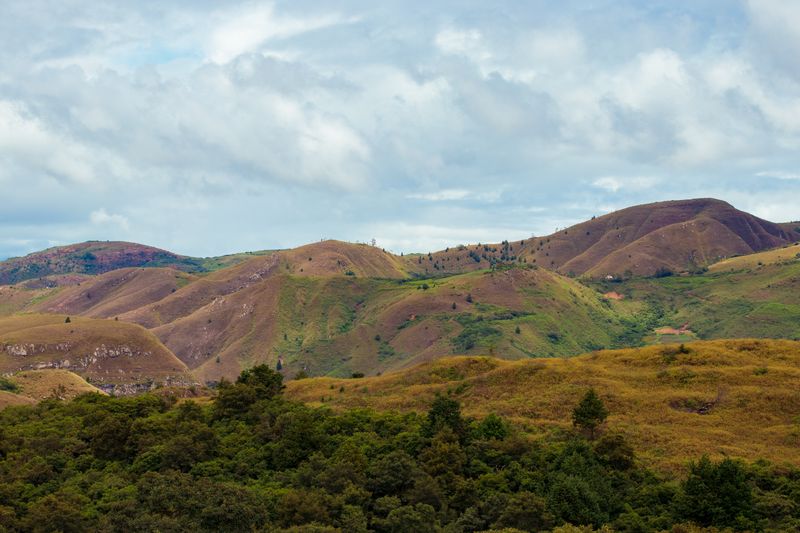
Bolivia's valleys are the temperate strip between the altiplano and the lowlands — fertile river valleys at 1,800–2,800m where temperatures hold between 15–22°C year-round. It's the most inhabited zone of Bolivia and the one that accumulated the most history: independence was born here, the constitutional capital is here, and here Bolivian cooking reaches its richest expression.

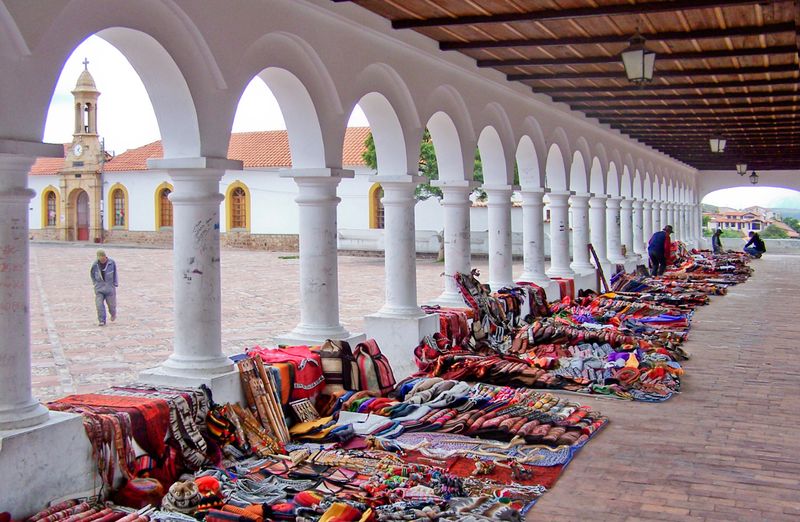
The valleys are the heart of Quechua culture in Bolivia. Cochabamba produces the chicha consumed across the country. Sucre holds the most complex jalq'a textiles on the continent. Tarija speaks with its own accent and produces wines at one of the highest vineyards on earth. Samaipata has the world's largest carved rock. And Torotoro has dinosaur tracks you walk at open air.

Valley altitude solves the altitude sickness problem: at 2,500–2,800m, the vast majority of travelers experience no symptoms. The body breathes well. The climate is ideal. The food is Bolivia's best. It is the most accessible and most underrated ecosystem.

Valles Bolivia
2
UNESCO cities (Sucre and Potosí)
3,000m
altitude of Tarija's vineyards
18,000
dinosaur tracks at Cal Orcko, Sucre
$6–12
market lunch cost, Cochabamba
— Valley destinations

Six cities, one temperature.

Sucre
UNESCO 1991
Chuquisaca
Cochabamba
2,570m
Cochabamba
Tarija
1,866m
Tarija
Samaipata & El Fuerte
UNESCO 1998
Santa Cruz
Torotoro National Park
2,660m
Potosí
Vallegrande & La Higuera
Che Trail
Santa Cruz
— Bolivian gastronomy

The valleys invented Bolivia\'s best food.

Six dishes and drinks that define valley cooking. All with context — where to eat them, how to order and what to expect.

🥐

Salteña

All valleys, eaten before noon

Bolivia's answer to the empanada — a thick braided pastry filled with a juicy stew of meat or chicken, potatoes, olives, egg and raisins. The key is the juice inside, which must not spill. Eaten standing up, with two hands, before noon only. Salteñas eaten with cutlery mark the tourist.

🥩

Silpancho

Cochabamba — the definitive version

A thin, breadcrumbed beef schnitzel (pounded flat, the size of a dinner plate) served over white rice, fried potatoes and a fried egg. Topped with a fresh tomato and onion salsa. Cochabamba's signature dish. A complete meal for under $3. At the Cancha market, the best silpanchos are cooked in front of you.

🍖

Pique Macho

Cochabamba

A sharing dish of chopped beef and sausage sautéed with peppers, onions, tomatoes and beer, served over a bed of fried potatoes and topped with hard-boiled egg, yellow mustard and llajua (the Bolivian chilli sauce). Named for its heat. Serves 2–4. A Cochabamba lunchtime staple.

🌽

Chicha

Cochabamba Valley — origin of Bolivian chicha

A fermented corn drink with a history of 4,000 years in the Andes. Slightly alcoholic, cloudy, sour-sweet. Brewed by women (chicheras) in earthenware vats, served in huge glasses (chicherías have a white flag outside when fresh batches are ready). Cochabamba's chicha is considered the benchmark. An acquired taste and a cultural ceremony.

🦙

Charque

Potosí, Oruro, valley highlands

Sun-dried and freeze-dried llama or beef — one of the oldest food preservation techniques in the Andes, dating to pre-Inca times. The same technique used for chuño. Charque is used as an ingredient in stews and rice dishes (majadito in the lowlands, charque cochabambino in the valleys). The flavour is deeply concentrated, slightly mineral.

🍷

Singani & Chuflay

Tarija, Cinti Valley

Singani is Bolivia's national spirit — a grape brandy distilled exclusively from Muscat of Alexandria grapes grown above 1,600m. Unlike pisco (Peruvian/Chilean), singani is a geographical indication: if it's not made in Bolivia's Tarija or Cinti valleys, it's not singani. A chuflay is singani + Sprite + lime. The drink of every Bolivian fiesta.

Full Bolivia gastronomy guide →
— Tarija wine & singani

Vineyards at 3,000 metres.

Bolivia produces wine and singani (grape brandy) in Tarija and Chuquisaca departments, at altitudes of 1,700–3,100m — among the highest vineyards on earth. Extreme altitude, intense UV radiation and cold nights produce wines with high acidity and concentrated fruit. Singani — distilled from Muscat of Alexandria grapes — is Bolivia's national spirit and the base of the national cocktail, the chuflay.

Wineries to visit
Campos de Solana — Bolivia's largest winery, with full wine tourism (tasting, dinner, accommodation)
Kohlberg — founded 1876, Tarija's oldest. Premium high-quality singani
Casa Real — export singani leader. Tasting visit in Tarija centre
Aranjuez — small family winery in the Cinti Valley. By appointment only
Key grape varieties
Muscat of Alexandria
White / singani base
The base grape for singani. Also produces aromatic and sweet whites. The most planted variety in Bolivia.
Tannat
Red
A Gascon grape adapted to Bolivian altitude. Produces structured reds with high acidity and firm tannins. Increasingly Tarija's signature red.
Cabernet Sauvignon
Red
Well-adapted to cold altitude nights. Cinti Valley wines at 3,000m show unusual black-fruit concentration for the latitude.
Malbec
Red
Less planted than in Argentina but present. Altitude produces more acidic, lower-alcohol versions than Mendoza. Evolving.
— When to visit

Perfect climate year-round.

Jan
Feb
Mar
Apr
May
Jun
Jul
Aug
Sep
Oct
Nov
Dec
🎭Feb–Mar
Carnival in Sucre and Cochabamba
The valleys celebrate carnival with parade floats, bands and chicha. Sucre has one of Bolivia's most colourful carnival entradas. The streets smell of water and lotion.
🌸Apr–May
Mild autumn — best travel window
Perfect temperatures (18–22°C), minimal rain, clear skies. The countryside is green after summer rains. All roads are passable.
☀️Jun–Aug
Dry season — ideal climate
The best season to visit the valleys: dry, warm during the day, cool at night. Torotoro is at its best (dry roads). Summer harvest at some Tarija wineries.
🍇Feb–Apr
Vendimia (grape harvest) in Tarija
Tarija's grape harvest runs February to April, peaking in March. Wineries open their doors, festivals run, and new wine is served in city-centre restaurants.
— Getting there

The valleys are well connected.

✈️Sucre
Fly from La Paz or Santa Cruz

Sucre Airport (SRE) receives BoA and Amaszonas flights from La Paz (~50 min, ~$70 USD) and Santa Cruz (~40 min, ~$60 USD). Always fly when possible — the La Paz–Sucre road takes 10–12 hours.

✈️Cochabamba
Best-connected valley airport

Jorge Wilstermann Airport (CBB) is the best-connected in the valleys. Direct flights from La Paz (35 min), Santa Cruz (40 min) and Lima. Also connections from Sucre and Tarija.

✈️Tarija
Fly from Santa Cruz or La Paz

Capitán Oriel Lea Plaza Airport (TJA) receives BoA flights from Santa Cruz (~50 min) and La Paz (~80 min). Flights are reliable but infrequent — book ahead.

🚌Bus network
Inter-city buses across the valleys

Cochabamba–Sucre: 8–10h overnight (~$10). Sucre–Potosí: 3h (~$5). Santa Cruz–Samaipata: 3h (~$5). Bolivian buses are comfortable on main routes. For Torotoro and Vallegrande, a rented 4×4 is recommended.

— Love Bolivia valley routes

Two routes that pass through the valleys.
El Perezoso
Route 04
El Perezoso

The valley circuit: Cochabamba food, Sucre UNESCO, El Fuerte de Samaipata and the transition from Andes to Santa Cruz lowlands.

Cochabamba · Sucre · Samaipata · 8–12 days
from $1,900 · €1,777 · Bs. 13,167
La Llama
Route 01
La Llama

Bolivia's classic circuit: the Altiplano and the valleys together, connecting La Paz, Sucre, Cochabamba and the Salar de Uyuni.

Altiplano · Valleys · Lake Titicaca · 10–14 days
from $2,400 · €2,244 · Bs. 16,632
FAQ

Frequently asked questions.

Get in touch →

Bolivia's Valleys (Los Valles) are the temperate zone at 1,800–2,800m between the high Altiplano and the lowland Amazon. The main cities are Cochabamba (2,570m), Sucre (2,750m) and Tarija (1,866m). The valleys have a spring-like climate year-round, Bolivia's best food, two UNESCO cities, important pre-Inca ruins (El Fuerte de Samaipata) and Bolivia's wine and singani production.

Cochabamba invented or popularized Bolivia's most iconic dishes: silpancho (breaded beef schnitzel over rice and egg), pique macho (chopped meat and vegetables for sharing), salteñas (Bolivia's filled pastries, eaten before noon) and chicha (fermented corn drink). La Cancha market is the largest open-air market in South America. Cochabamba's food culture is deep, daily and democratic — the best meals cost $3–6 USD in the central markets.

El Fuerte de Samaipata is a pre-Inca ceremonial rock carving site 120km from Santa Cruz, UNESCO World Heritage since 1998. A massive sandstone outcrop carved with felines, serpents, channels and ritual seats — the world's largest carved rock. First used by the Chané-Mojocoyas culture, then adapted by the Inca as they expanded eastward. The nearby town of Samaipata is a relaxed travellers' base with good food and access to Amboró National Park.

Yes. Bolivia produces wine and singani in Tarija and the Cinti Valley at 1,700–3,100m — among the highest vineyards on earth. Key varieties: Muscat of Alexandria (singani base), Tannat, Cabernet Sauvignon and Malbec. Singani is the national spirit and the base of the chuflay cocktail. The vendimia (harvest) runs February–April. Main wineries: Campos de Solana, Kohlberg (founded 1876), Casa Real.

Sucre is Bolivia's constitutional capital and UNESCO World Heritage city (1991). Key sites: Casa de la Libertad (independence declared 1825), Cathedral and main plaza, Museo Textil Etnográfico ASUR (finest jalq'a and tarabuco weavings), Cal Orcko (world's largest dinosaur footprint site, 5km from centre — 462 species, 5,000+ tracks), and Tarabuco Sunday market (64km, one of Bolivia's most important indigenous markets).

The Che Guevara Trail follows Ernesto 'Che' Guevara's final guerrilla campaign in Bolivia (1966–1967). Key sites: Vallegrande (hospital where his body was displayed after execution on October 9, 1967), La Higuera (the schoolhouse where he was held and executed — now a mausoleum), and the Nancahuazu canyon. Vallegrande is 130km from Cochabamba and Santa Cruz. La Higuera requires a 4×4.

— Plan your Valley trip

Ready to eat
the world\'s best salteñas?

45 minutes. We design your valley itinerary with gastronomy, culture and logistics.

$90 · €85 · Bs. 623

Book a consultation → $90 · €85 · Bs. 623See El Perezoso route