
Skip to content
Chiquitanía Bolivia misiones jesuíticas
mision-jesuita
— Ecosystem · Chiquitano Dry Forest300–600m

The Chiquitanía
of Bolivia.

Six UNESCO baroque missions. The largest surviving dry tropical forest in South America. Bolivia's highest jaguar density outside Madidi. Three hours from Santa Cruz.

Forest area
150,000 km²
UNESCO Missions
6
Climate
Warm & dry
Best season
Apr–Oct
Base city
Santa Cruz
Altitude
300–600m
— The forgotten forest

South America\'s largest surviving dry tropical forest.

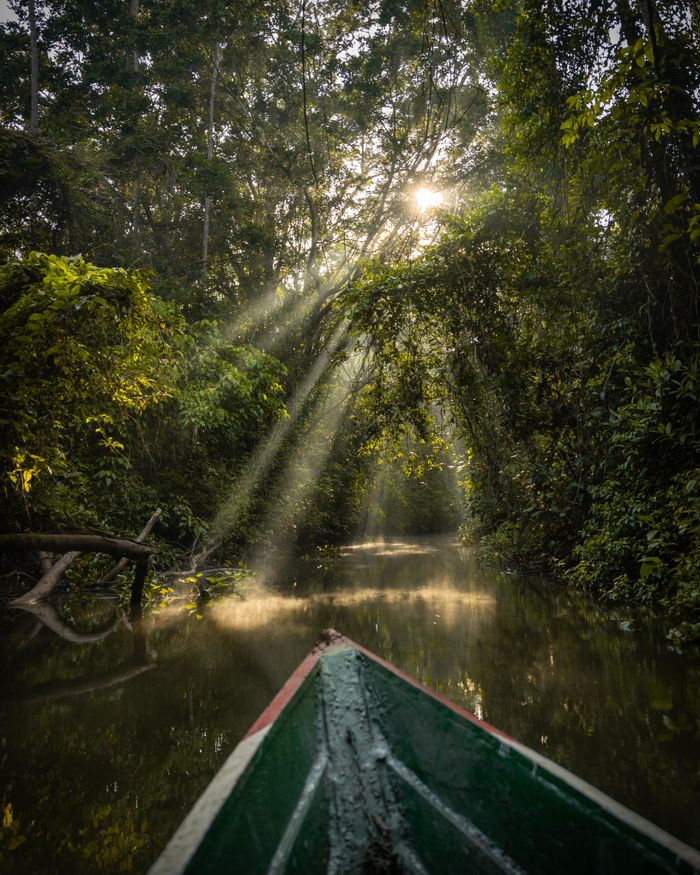
The Chiquitano Dry Forest covers approximately 150,000 km² of eastern Bolivia. It is one of the few large dry tropical forests remaining on earth — global deforestation has eliminated over 95% of this ecosystem type. Bolivia holds the largest surviving portion.

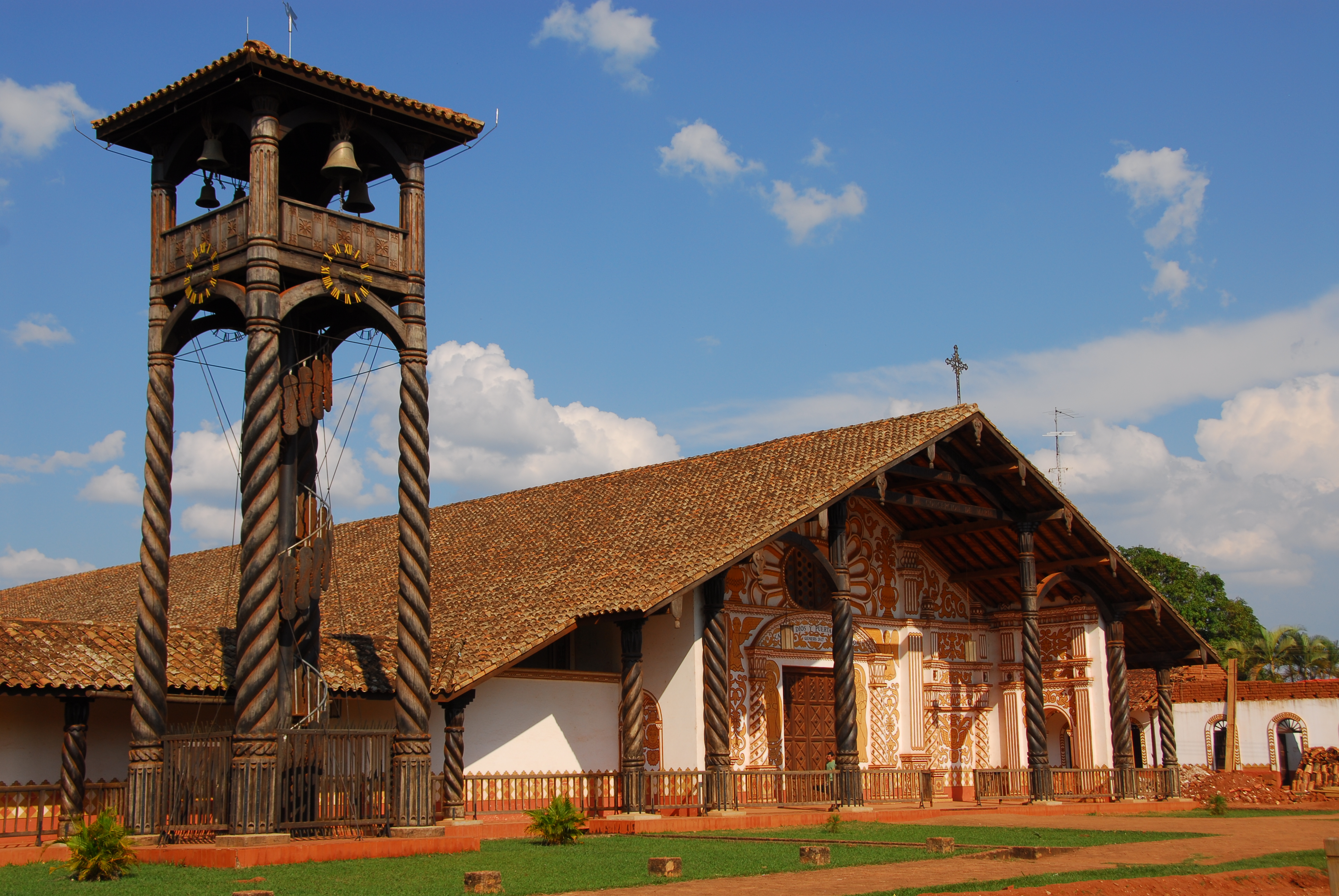
Beyond its extraordinary biodiversity, the Chiquitanía is home to the Jesuit Missions of Chiquitos — UNESCO World Heritage Site since 1990. Six baroque churches built between 1691 and 1760 remain the spiritual centres of their Chiquitano indigenous communities.

Chiquitanía bosque seco
6
UNESCO Missions
— Key destinations

Forest, missions and wildlife.

Chiquitanía

Jesuit Missions Circuit

UNESCO 1990
Six baroque churches in the forest

San Xavier, Concepción, San Rafael, Santa Ana, San Miguel de Velasco and San José de Chiquitos — six baroque mission churches built by Jesuit priests and Chiquitano artisans between 1691 and 1760. The full circuit takes 4–5 days. Each church is the centre of its town, still active as a parish, still maintained by the local community.

Tip
Concepción is widely considered the most beautiful. San José is the most accessible (3h from Santa Cruz by road or train). The Festival of Baroque Music (even years) transforms the missions into concert halls.
Full guide →
Santa Cruz

Noel Kempff Mercado NP

UNESCO 2000
1.5M ha where three countries meet

One of the most pristine parks on earth: 1.5 million hectares of cerrado, flooded savannas and Amazonian forest where Bolivia, Brazil and Paraguay converge. The Huanchaca Plateau — tepuis (table-top mountains) rising 600m above the forest — feeds two spectacular waterfalls. Over 600 bird species, giant otters, jaguars and black caimans.

Tip
Access is remote — fly from Santa Cruz to Flor de Oro or Los Fierros airstrips. Visit with a specialist operator. No roads reach the main park interior.
Full guide →
Eastern Bolivia

Chiquitano Dry Forest

Biodiversity hotspot
The rarest large forest on earth

150,000 km² of dry tropical forest — one of the last large examples on earth. The dry season (Apr–Oct) strips many trees of leaves, creating an open, atmospheric landscape. Wildlife concentrates near water: jaguars, maned wolves, giant anteaters, tapirs, pumas and 600+ bird species. The forest shares a corridor with Brazil's Cerrado.

Tip
Early morning and late afternoon are best for wildlife. The dry season concentrates animals near rivers and water holes — much better sightings than the wet season.
Santa Cruz

Santa Cruz de la Sierra

Base city
Gateway to the Chiquitanía

Bolivia's largest city — 2.5 million people, subtropical climate, internationally connected airport. Santa Cruz is the base for all Chiquitanía routes, the Pantanal, and access to the Amazon lowlands. The historic Jesuit zone (casco viejo) has good restaurants and accommodation within walking distance of the central plaza.

Tip
Fly into Viru Viru International Airport (VVI) — direct connections from Miami, Madrid, São Paulo, Lima and Buenos Aires. Most Chiquitanía itineraries start here.
Full guide →
— The six missions

Six churches, four days.

The Jesuit Missions Circuit of Chiquitos is one of South America's most important cultural itineraries. Six towns, six churches, one style — Chiquitano tropical baroque.

Est. 1691UNESCO 1990

San Xavier

The first mission

The oldest of the six — founded 1691, rebuilt in its current form between 1749 and 1752. Architecture by Hans Roth, the Swiss architect who restored the missions in the 20th century.

— Wildlife

100+ mammals. 600 birds.

🐆
Jaguar
Highest density outside Madidi
🐺
Maned wolf
Cerrado canid of the dry forest
🦔
Giant anteater
Up to 2.1m snout to tail
🦌
Tapir
South America's largest land mammal
🐆
Puma
Apex predator of the dry forest
🦅
600+ bird species
Including cerrado endemics
🦡
Giant armadillo
Up to 60kg, threatened
🦌
Marsh deer
Present in savanna transition zones
— When to visit

The dry season, no exceptions.

Jan
Feb
Mar
Apr
May
Jun
Jul
Aug
Sep
Oct
Nov
Dec
☀️Apr–Oct
Dry season — the ideal time
Reliable roads, open landscapes (many trees lose leaves), wildlife concentrated near water. The missions are most photogenic in dry-season light. Comfortable temperatures (20–30°C).
🎵Even years
Baroque Music Festival
The International Festival of Baroque Music of Chiquitos is held every two years (even years) inside the mission churches themselves. One of South America's most powerful cultural experiences.
🐆May–Sep
Best wildlife season
The dry season concentrates mammals and birds at water points. Highest probability of jaguar, maned wolf and giant anteater sightings. Noel Kempff — accessible year-round — is also best in this period.
🌧️Nov–Mar
Wet season — avoid
Rain can make the circuit tracks impassable. Heat is intense (up to 38°C). Some secondary roads close. Not recommended except for very experienced visitors.
— Love Bolivia route

The route designed for the Chiquitanía.

El Jaguar route
Route 03
El Jaguar

The complete Chiquitanía circuit: Santa Cruz · Jesuit Missions · Kaa-Iya · San Matías Pantanal · Chiquitos. 8–12 days from Santa Cruz.

8–12 days · From Santa Cruz
from $2,100 · €1,964 · Bs. 14,553
FAQ

Frequently asked questions.

Still wondering? Write to us.

Get in touch →

Six baroque mission churches built between 1691 and 1760 by Jesuit priests and Chiquitano indigenous artisans in eastern Bolivia. Declared a UNESCO World Heritage Site in 1990. The six missions are San Xavier, Concepción, San Rafael, Santa Ana, San Miguel de Velasco and San José de Chiquitos — each still active as a parish church today.

The full circuit is best done by private car or guided tour — the road is paved and takes 3–6h depending on destination. San José de Chiquitos is also accessible by train (Ferrobus, 6h). The full 6-mission circuit takes 4–5 days. A specialist guide from Santa Cruz is strongly recommended.

The Chiquitano Dry Forest holds Bolivia's largest jaguar population outside Madidi, plus maned wolf, giant anteater, tapir, giant armadillo, puma, marsh deer and 600+ bird species. Noel Kempff Mercado NP adds giant otters, black caimans and tepui-endemic species.

The International Festival of Baroque Music of Chiquitos is held every two years (even years — 2026, 2028…) in the mission churches themselves. Orchestras and choirs from around the world perform in San Xavier, Concepción, San Rafael, Santa Ana, San Miguel and San José. One of South America's most extraordinary cultural experiences. Book well in advance.

Yes — the Chiquitanía and Pantanal routes are natural complements. The Jesuit Missions of Chiquitos and the San Matías Pantanal are both in Santa Cruz department. Love Bolivia's El Jaguar route combines both in a single 8–12 day private itinerary from Santa Cruz.

— Plan your trip

The missions are waiting.
So is the forest.

45 minutes. We design your Chiquitanía itinerary with local lodging and specialist guides.

$90 · €85 · Bs. 623

Book a consultation → $90 · €85 · Bs. 623El Jaguar →