Skip to content
Bolivia Pantanal wildlife
jaguar
— Ecosystem · Bolivian Pantanal150–300m

The Pantanal
of Bolivia.

The world's largest tropical wetland. The highest jaguar density on earth. The hyacinth macaw — the world's largest parrot. And almost no other tourists.

Total Pantanal
150,000 km²
Bolivia's share
~30,000 km²
Kaa-Iya Park
34,411 km²
Jaguar density
World's highest
Hyacinth macaw
Key species
Entry hub
Santa Cruz
— The world's largest tropical wetland

Bolivia\'s Pantanal: almost unexplored.

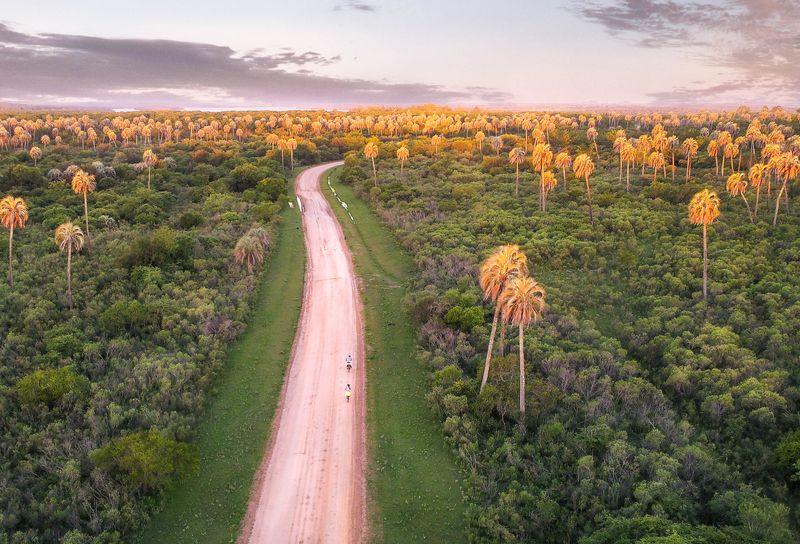
The Pantanal is the world's largest tropical wetland — 150,000 km² of flooded plains, gallery forests and savannahs spanning Brazil, Bolivia and Paraguay. Bolivia holds roughly 15–20% of the total: about 30,000 km² in the far east of Santa Cruz department, where the Paraguay, Negro and Iténez rivers drain southward.

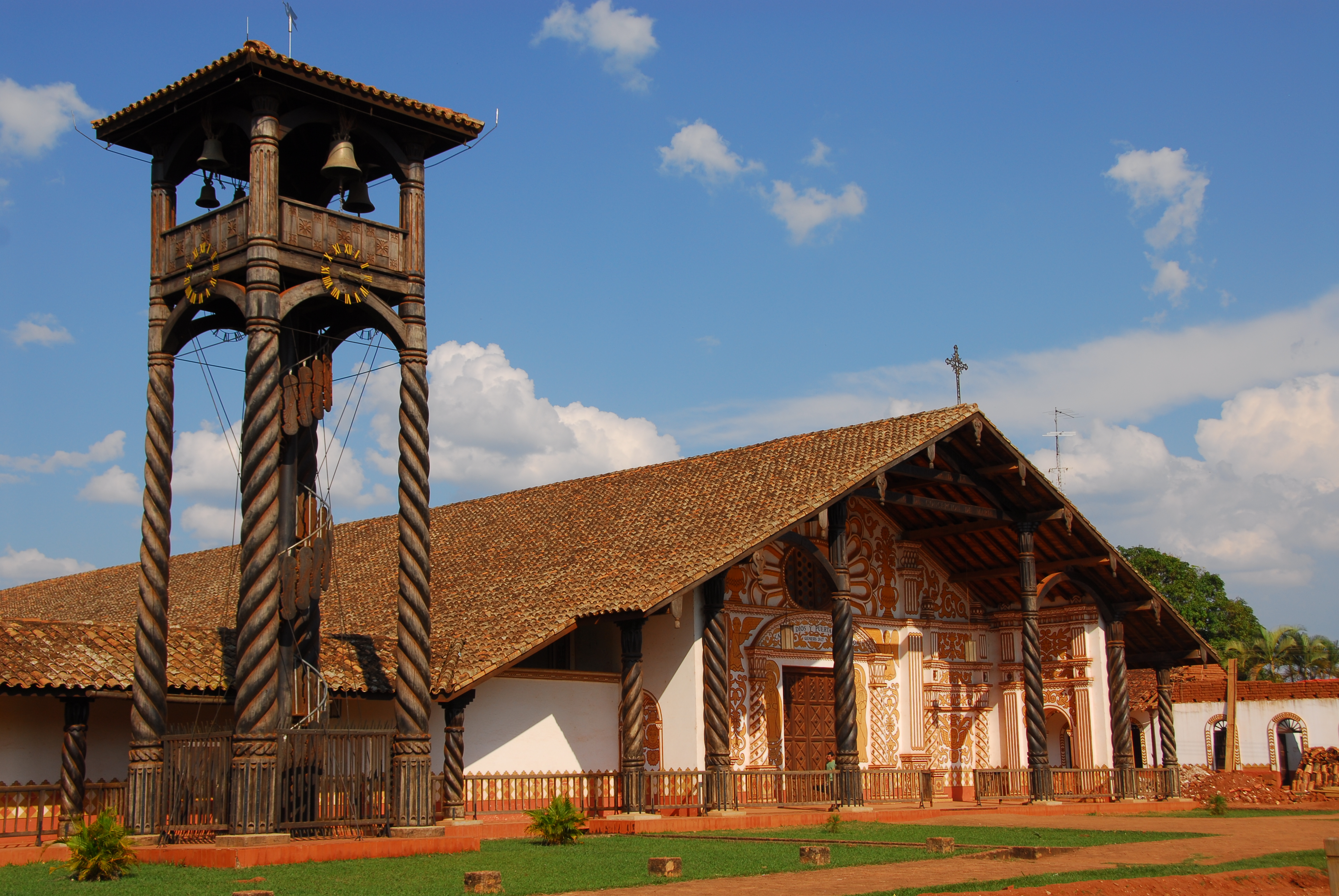
What distinguishes Bolivia's Pantanal from Brazil's is precisely what few visitors know: it is the least touristed, most pristine sector, and it combines best with other destinations (the Jesuit Missions, Santa Cruz, the Chaco). Kaa-Iya del Gran Chaco — Bolivia's largest national park at 34,411 km² — has been co-managed with the Izoceño-Guaraní indigenous community since 1995, in the first such agreement in South America.

Bolivia's Pantanal contains the highest documented jaguar concentration in the world. San Matías, Bolivia's largest protected area (2,918,000 ha), connects the Pantanal with the Amazon and the Brazilian Cerrado in a biodiversity corridor with no parallel in South America.

🐆
Jaguars
The world's highest documented density. San Matías and the Iténez corridors are the most active zones.
🦜
Hyacinth macaw
One of the most important populations outside Brazil. Regularly seen in palm trees across the San Matías region.
🤫
No tourist crowds
Bolivia receives a tiny fraction of Pantanal visitors. In San Matías you can go days without seeing another traveler.
🗺️
Perfect combination
Bolivia's Pantanal combines naturally with the Chiquitania Jesuit Missions (UNESCO) and Santa Cruz in a single trip.
— Bolivian Pantanal destinations

Six destinations, one frontier.

Kaa-Iya del Gran Chaco
34,411 km²
Santa Cruz
San Matías AMNI
2,918,000 ha
Santa Cruz
Otuquis National Park
1,005,950 ha
Santa Cruz
Puerto Suárez & Quijarro
Border town
Santa Cruz
Chiquitania & Jesuit Missions
UNESCO 1990
Santa Cruz
Santa Cruz de la Sierra
416m
Santa Cruz
— Everything you need to know

The jaguar guide for Bolivia.

Bolivia has the world's highest jaguar density. What it doesn't have is Brazil's tourist infrastructure. This guide tells you exactly what to expect.

01
Where?
San Matías (Santa Cruz) is the highest-probability zone. The Iténez corridor — on the Brazilian border — has the highest documented density. Kaa-Iya also has an established population but extremely difficult access.
02
When?
July–September: dry season, low water, concentrated prey. Jaguars are active year-round but tracks are more visible in dry season and river crossings more predictable.
03
Realistic probability
In Bolivia, a sighting cannot be guaranteed. The jaguar is elusive and territories are vast. What does happen: fresh tracks, tree scrapes, nocturnal vocalisations. Think of it as jaguar tracking, not guaranteed observation.
04
How to go?
Always with a specialist local wildlife guide. Jaguar tracking requires territory knowledge. Bring a camera with telephoto lens (400mm+) and patience.
05
Brazil vs Bolivia
Porto Jofre (Brazil) offers the highest probability of a boat sighting. Bolivia is for those who want the experience without the crowds — and accept that reading tracks is part of the privilege.
06
Ethics
Never approach a jaguar closer than 30m without your guide's instruction. Do not use drones in sensitive wildlife zones. Work only with responsible operators and verify their practices.
— Wildlife guide

9 species that define Bolivia\'s Pantanal.

Click to expand each species — zone, season and what to realistically expect.

🐆Possible
Jaguar
Panthera onca
San Matías, Iténez corridorJul–Sep
🦜High
Hyacinth Macaw
Anodorhynchus hyacinthinus
San Matías, Pantanal edgesYear-round
🐊Very high
Yacaré Caiman
Caiman yacare
Otuquis, San Matías wetlandsYear-round
🦔Good
Giant Anteater
Myrmecophaga tridactyla
Kaa-Iya, Chaco grasslandsMay–Sep
🦌High
Marsh Deer
Blastocerus dichotomus
San Matías, OtuquisYear-round
🐗High
White-lipped Peccary
Tayassu pecari
Kaa-Iya, Chaco sectorDry season
🐺Low–medium
Maned Wolf
Chrysocyon brachyurus
Chiquitano cerrado, San MatíasDry season
🦦Good
Giant River Otter
Pteronura brasiliensis
San Matías river systemsMay–Oct
🦅Very high
Jabiru Stork
Jabiru mycteria
Otuquis, San Matías wetlandsYear-round
— When to visit

July–September: the jaguar season.

Jan
Feb
Mar
Apr
May
Jun
Jul
Aug
Sep
Oct
Nov
Dec
🐆Jul–Sep
Peak for jaguars and large wildlife
Dry season drops water levels and concentrates animals at channels. August is the best month: frequent tracks, visible caimans, birds at maximum activity.
🦜Jun–Aug
Hyacinth macaw at full activity
Hyacinth macaws are easiest to see and photograph during dry season. Palm-tree nests are accessible and the evening flights are spectacular.
🦋Oct–Nov
Early rains — new life
The first rains activate vegetation and insects. Wildlife begins reproductive cycles. Landscapes are extraordinarily green. Fewer tourists, lower prices.
🌊Dec–Mar
Maximum flooding — aquatic landscape
The Pantanal in its most dramatic form: an ocean of water and sky. Access is difficult but aquatic bird photography is exceptional. For experienced travelers with solid logistics only.
— Getting there

The Death Train: 15–18 hours of wilderness.

The Ferrobus — nicknamed the Death Train for the thousands of workers who died during its construction in the 1940s and 50s — runs 560km from Santa Cruz de la Sierra to Puerto Quijarro, on the Brazilian border. Today it's a comfortable train with executive seating, a dining car and panoramic windows.

The overnight journey crosses the Chiquitano dry forest, passes two Jesuit missions (San José de Chiquitos is the most accessible from the station) and enters the Pantanal before dawn. The journey itself is an experience — not just transport.

Frequency
Tue / Fri / Sun
Duration
15–18 hours
Economy
~$15 USD
Executive
~$30 USD
Departs
6–8pm SCZ
Arrives
~9–11am Quijarro
Route stops
Santa Cruz
Departs 6–8pm (Tue/Fri/Sun)
Starting point
Pailón
~3h from Santa Cruz
Dry Chaco
San José de Chiquitos
~5h
UNESCO Jesuit mission
Roboré
~8h
Pantanal transition
El Carmen
~12h
Ecosystem frontier
Puerto Quijarro
~15–18h
Border with Brazil
— Love Bolivia Pantanal routes

Two routes for eastern Bolivia.

El Jaguar
Route 03
El Jaguar

Track the jaguar through Kaa-Iya, San Matías wetlands and the Jesuit Missions of the Chiquitania in a single 8–12 day circuit from Santa Cruz.

Kaa-Iya · Pantanal · Chiquitos · 8–12 days
from $2,100 · €1,964 · Bs. 14,553
La Capibara
Route 08
La Capibara

Bolivia's Beni pampas: herds of 10,000 capybara, caimans, pink dolphins and almost zero other tourists. The most off-the-beaten-track wildlife route in Bolivia.

Beni Pampas · Trinidad · Llanos de Mojos · 6–9 days
from $1,600 · €1,496 · Bs. 11,088
FAQ

Frequently asked questions.

Have another question? We answer you personally.

Get in touch →

Bolivia's Pantanal is smaller (about 15,000–30,000 km² vs Brazil's 120,000+ km²) but has two major advantages: a fraction of the tourist volume, and adjacent parks — Kaa-Iya del Gran Chaco and Otuquis — add vast wilderness with almost no other visitors. Jaguar sightings are possible in Bolivia's sector. For travelers who want a genuinely uncrowded experience, Bolivia's Pantanal is compelling precisely because it's not the famous one.

July to September is optimal. Water levels drop during the dry season, concentrating prey animals at predictable water points. Jaguars are active year-round but tracks are easier to follow on firm dry ground. The highest jaguar density in the world is documented in the broader Pantanal ecosystem. San Matías and the Iténez corridor offer the best access in Bolivia.

The 'Death Train' (Ferrobus) runs 560km from Santa Cruz de la Sierra to Puerto Quijarro on the Bolivian-Brazilian border. Journey time: 15–18 hours. Departs Tuesday, Friday and Sunday evenings. Tickets: economy ~$15 USD, executive ~$30 USD. The name comes from its construction through dense jungle in the 1940s–1950s. Today it's a comfortable overnight journey through the Chiquitano dry forest, Jesuit Missions and Pantanal.

Jaguar (possible, not guaranteed), yacaré caiman (very common), capybara (abundant), hyacinth macaw (high probability in San Matías), giant anteater, giant armadillo, maned wolf, tapir, marsh deer, giant river otter, white-lipped peccary and 600+ bird species including jabiru stork and rhea. San Matías holds one of the most important hyacinth macaw populations outside Brazil.

Kaa-Iya del Gran Chaco is Bolivia's largest national park (34,411 km²) and South America's largest dry forest protected area. Located in southern Santa Cruz department, bordering Paraguay and Argentina. Co-managed with the Izoceño-Guaraní indigenous community since 1995 — the first such agreement in South America. Home to jaguars, pumas, giant armadillos, giant anteaters and white-lipped peccaries.

Three options: (1) Death Train to Puerto Quijarro (560km, 15–18h, Tue/Fri/Sun evenings, from $15 USD). (2) Road to San Matías — 620km northeast of Santa Cruz, 8–10 hours, also accessible by charter flight (1h). (3) Fly to Puerto Suárez (PSZ) — daily flights from Santa Cruz (~45 min, ~$80 USD). All routes use Santa Cruz as the hub.

— Plan your Pantanal trip

Ready to track
the jaguar?

45 minutes. We design your Pantanal itinerary with logistics, accommodation and a realistic budget.

$90 · €85 · Bs. 623

Book a consultation → $90 · €85 · Bs. 623See El Jaguar route