Skip to content
Caranavi Bolivia — valles yungas donde se cultiva el mejor café de especialidad de Bolivia
— Coffee · Cacao · Nor Yungas · 900m

Caranavi
& Bolivian coffee.

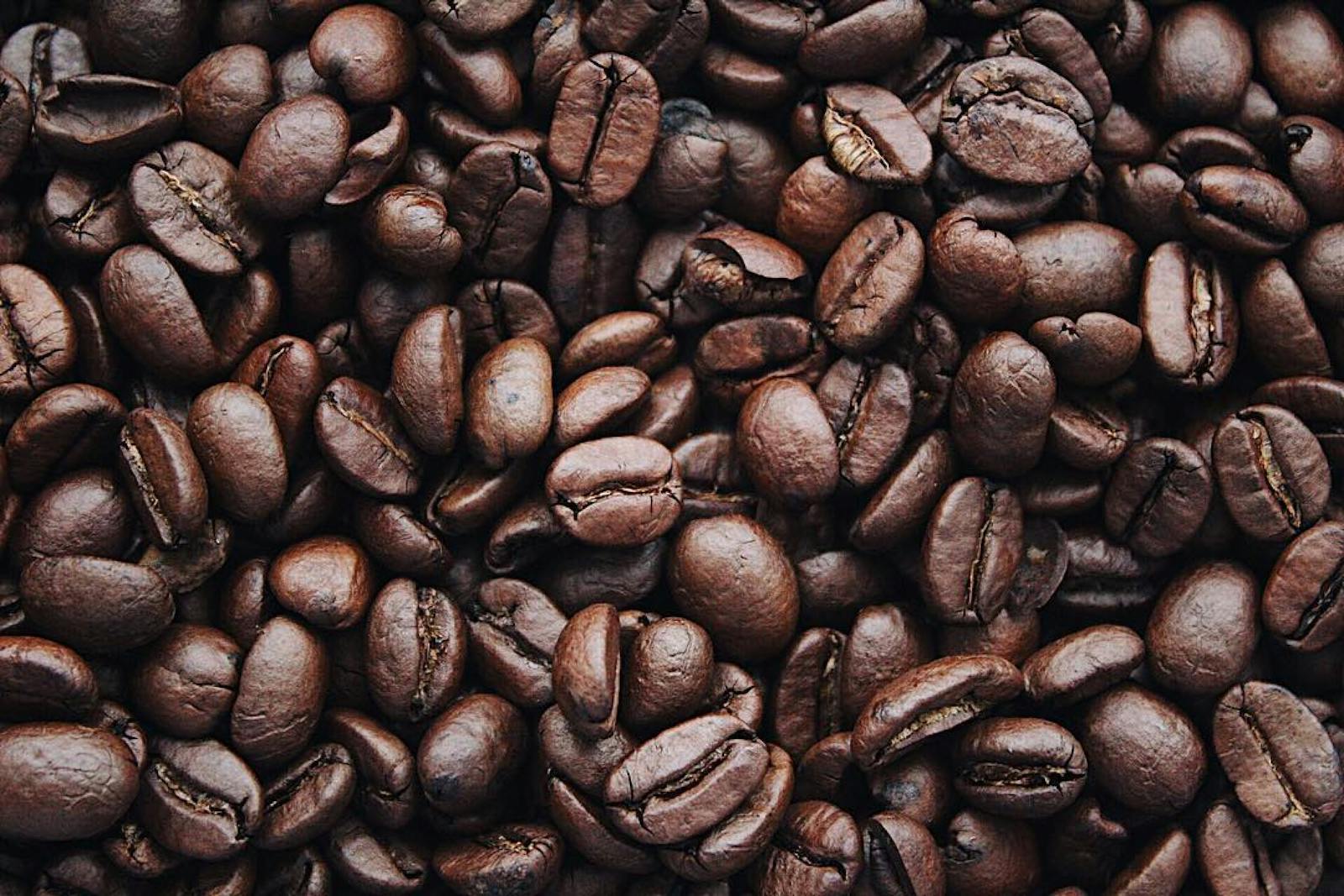
The capital of Bolivian specialty coffee. Typica and Caturra varieties at 1,200–1,900m, hand-picked, wet-processed. A coffee that wins international competitions and is almost entirely exported as green beans. To buy it roasted, you come here.

Caranavi altitude
900m
Farm altitude
1,200–1,900m
From La Paz
3h · new road
Harvest
October–February
Score
85–88+ Q-grader
Varieties
Typica · Caturra · Bourbon
— From Tiwanaku to Q-grader

One hundred years of coffee in the Yungas.

From the coca leaf to the specialty bean. The story of Bolivian coffee in four chapters.

before coffee
The Yungas before the bean
The Yungas valleys were cultivated for millennia before coffee arrived. The Tiwanaku and Inca empires used these slopes exclusively for coca. When the Spanish arrived in the 16th century they expanded coca production. Coffee did not exist in Bolivia until the 20th century — these valleys were, before the bean, the heart of the sacred leaf economy.
1920s–1960s
Coffee arrives in Caranavi
Coffee reached the Yungas in the 1920s–30s, introduced by European settlers and missionaries. By the 1960s Caranavi had emerged as the main centre, with small family farms of 1–5 hectares as the dominant model — fundamentally different from the industrial plantation model of Brazil or Colombia. This smallholder structure gives Bolivian coffee its artisanal character and unique traceability.
2000s
The specialty coffee discovery
International Q-graders discovered Bolivian coffee in the 2000s. Beans from Caranavi farms began scoring 85–88+ — world-class quality. FECAFEB organised the export supply chain. European, Japanese and American specialty roasters started sourcing Bolivian single-origins. Caranavi coffee appeared on menus at leading cafés in Berlin, Tokyo and New York — without Bolivia knowing.
today
The paradox of the world's unknown great coffee
Bolivia produces some of the world's finest specialty coffee and remains one of the least-known coffee origins. 90% is exported green. Labour costs make Bolivian coffee expensive — some farmers are switching back to coca (higher return per hectare). The Caranavi farm circuit is a direct response: connecting consumers to origin and giving farms income beyond green bean sales.

Bolivia grows some of the world\'s finest specialty coffee at 1,200–1,900m in the Yungas. Most of it is drunk in Berlin, Tokyo and New York. To drink it at origin — you come to Caranavi.

— Bolivian coffee in depth

A coffee that wins prizes and nobody knows.

Six keys to understanding Bolivian coffee from Caranavi and how to visit at origin.

Why Bolivian coffee is special

Bolivian coffee is produced in one of the world's most extreme conditions for coffee growing — the Yungas valleys between 1,200 and 1,900m altitude, with dramatic temperature swings between day (25–30°C) and night (10–15°C). These conditions slow the bean maturation, concentrating sugars and developing complex aromatics. The result is a cup with bright acidity, medium-to-full body, and characteristic notes of tropical fruit, dark chocolate and caramel. Bolivian coffee routinely scores 85–88 points at international Q-grader competitions.

🌱

The harvest: October to February

The Bolivian coffee harvest runs October to February — selective hand-picking of ripe red cherries is the standard method. This selective harvest (as opposed to strip-picking) is labour-intensive but produces higher quality. Visiting during harvest allows participation in picking, seeing the beneficio húmedo (wet processing: depulping, fermentation, washing) and the drying patios (solar drying on raised beds). The smell of fermenting coffee at a Caranavi beneficio during peak harvest is an extraordinary sensory experience.

🍫

Cacao: Bolivia's other fine crop

The Caranavi region also produces fine-flavour cacao (Theobroma cacao var. criollo and trinitario) — used in premium craft chocolate production. Bolivian cacao from the Beni and Yungas regions has won multiple international awards, with the Caranavi crop distinguished by fruity, floral notes that differ from West African bulk varieties. Several farms near Caranavi combine coffee and cacao production, and the best tours cover both crops in a single visit.

🏭

The problem: 90% exported green

Bolivia's coffee industry has a structural paradox: 90% of the production is exported as green (unroasted) beans to international roasters in Europe, Japan and the USA. The best cup of Bolivian coffee is therefore typically enjoyed in Berlin, Tokyo or New York — not in La Paz. This is changing slowly: a small number of specialty roasters in La Paz (Kaffa Café, Altura Café) now offer single-origin Bolivian roasts. Buying direct from the Caranavi beneficios is the most direct way to access freshly roasted Bolivian coffee at origin.

🗺️

The coffee circuit: farms to visit

The main farms and cooperatives accessible from Caranavi for visits: (1) Finca El Palomar (1.650m, 45 min from Caranavi) — specialty production, harvest visits October–January; (2) COAINE cooperative (Caranavi town) — the main regional cooperative with beneficio visits year-round; (3) Finca Takesi (1.850m) — one of the highest-altitude farms, combined coffee and cacao, views over the Nor Yungas. All visits require advance booking (1–2 days) through Caranavi agencies or La Paz specialty coffee shops.

🛒

Where to buy Bolivian coffee

In Caranavi: directly from the COAINE cooperative beneficio (sells roasted coffee bags and green beans for export). In La Paz: Kaffa Café (Sopocachi), Altura Café (Miraflores) — both source single-origin Bolivian and have knowledgeable staff. At La Paz airport (El Alto): a small Bolivian specialty coffee kiosk in the departures area sells roasted Caranavi beans. Online: several cooperatives now ship internationally — search "Bolivian specialty coffee" or "Caranavi coffee" for current export options.

FAQ

Questions about Bolivian coffee.

Plan your circuit →

Caranavi is a city of ~40,000 people in the Nor Yungas of La Paz department at 900m altitude, 3 hours from La Paz. The surrounding valleys (1,200–1,900m) produce the majority of Bolivia's specialty coffee. The combination of altitude, day/night temperature variation (up to 20°C differential), regular rainfall and volcanic soils creates ideal conditions for slow bean maturation and complex flavour development. Caranavi coffee routinely scores 85–88+ points at Q-grader competitions.

October to February is the harvest season — the best time to visit. You can participate in selective hand-picking, see the wet processing (depulping, fermentation, washing), and taste freshly processed coffee. November–January is the peak. Outside harvest season (March–September), farm visits and cuppings are still available with stored coffee from the previous harvest. The farms are also beautiful year-round — the Yungas valley scenery changes with the seasons.

From La Paz: bus from Villa Fátima terminal, 3 hours on the new paved road via Cotapata (through Cotapata National Park). Buses depart frequently throughout the morning (~20–25 Bs). Shared taxi: ~60–80 Bs per person. Private vehicle: ~$50–70 USD. The road is the same route used for Coroico (Nor Yungas) but continues past Coroico junction further into the Yungas toward Caranavi.

In growing quantities — yes. Several Caranavi cooperatives and farms now export directly to specialty roasters in Europe (Germany, Switzerland, UK), Japan and the USA. Online: search "Bolivian specialty coffee" or "Caranavi single origin" for current importers. In Bolivia itself: Kaffa Café (La Paz Sopocachi) and Altura Café (La Paz Miraflores) source single-origin Bolivian coffee for café and retail. The La Paz airport departures area has a small Bolivian coffee kiosk.

Typica is the dominant variety in the Yungas — a centuries-old heirloom that gives Bolivian coffee its signature floral, bright-acid profile. Caturra and Bourbon are also grown. Most Caranavi farms are small (1–5 hectares), shade-grown under banana and citrus trees. Several cooperatives — including FECAFEB (Federación de Cafetaleros Exportadores de Bolivia) — support certified organic production. Washed process dominates; experimental natural and honey processes are emerging among smaller specialty farms.

Yes — several farms around Caranavi offer overnight stays with cabin accommodation, farm meals and an included cupping session. Prices range from $40–80 USD per person per night including full board. Advance booking is essential (at least 3–5 days). Love Bolivia can arrange a curated farm-stay with a Q-grader guide, wet-mill visit and origin cupping as part of a 2-day Caranavi circuit from La Paz. The experience is most rewarding during harvest (October–February), when you can participate in selective hand-picking.

— Travel logistics

Getting there, staying and cupping.

🚌

How to get to Caranavi

  • Bus from La Paz (Villa Fátima terminal): 3–4h · ~20–25 Bs · departures throughout the morning.
  • Shared taxi (minivan): ~60–80 Bs per person · faster than the bus.
  • Private vehicle: ~$50–70 USD from La Paz · route through Cotapata National Park.
  • Road passes the Coroico junction — combine into a 2–3 day trip.
  • No direct flight to Caranavi — all access is by road from La Paz.
🛏️

Accommodation and logistics in Caranavi

  • Basic accommodation in Caranavi town (hostals, 60–120 Bs/night).
  • Best experience: stay on a coffee farm ($40–80 USD/night full board).
  • Combine with: Coroico (Nor Yungas) → Caranavi is the complete 3-day Yungas circuit.
  • Caranavi's main market runs on Sundays — the best day to arrive.
  • For farms with organised cuppings, book at least 3–5 days in advance.
— Bolivian coffee circuit

The best cup
you drink here.

We organise your Caranavi coffee and cacao farm circuit — farm visits, origin cupping and logistics from La Paz.

$90 · €85 · Bs. 623

Book consultation → $90Yungas guide →Gallery ↓