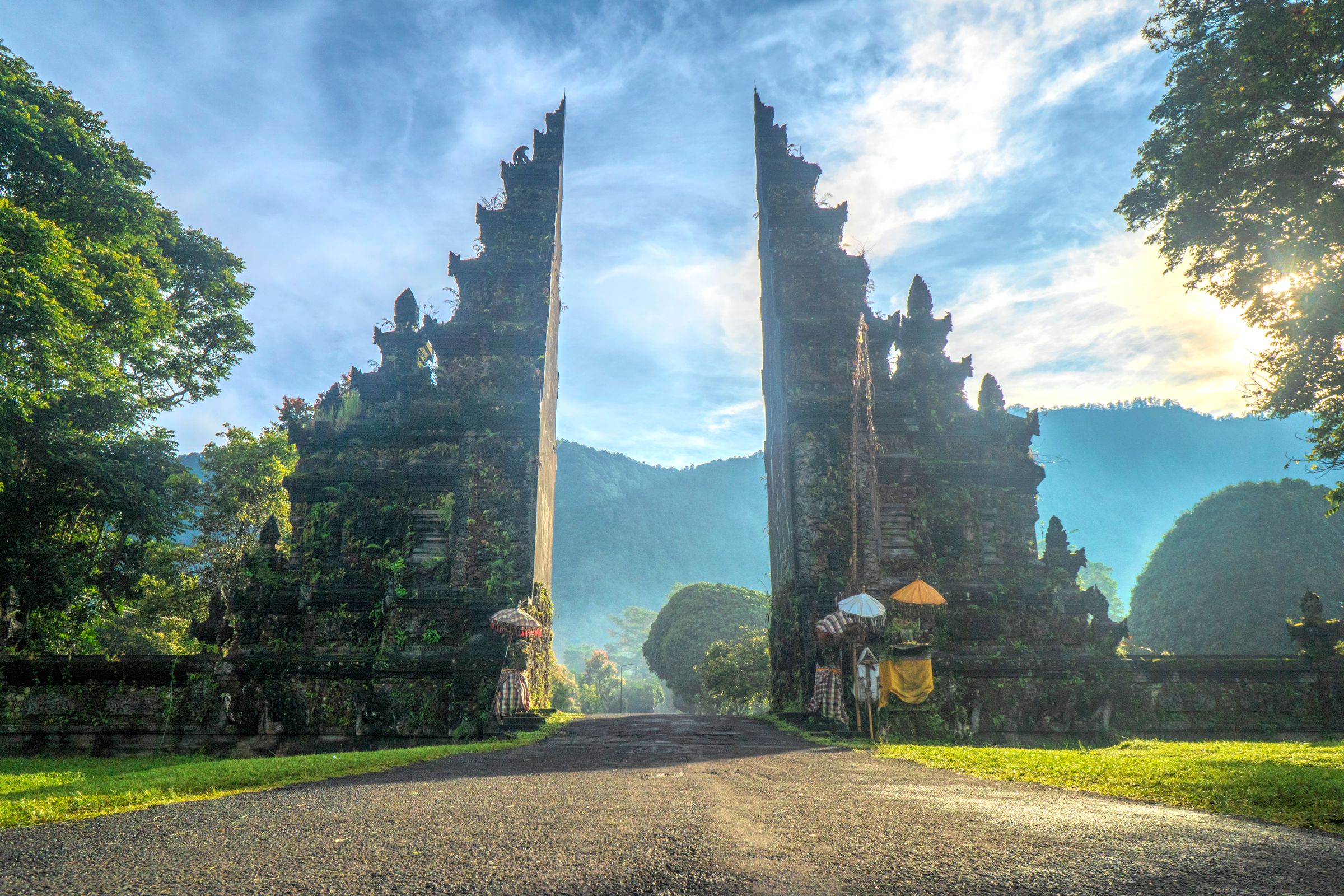

Three options. One canyon.
- Tarija → Villa Abecia (3h) · arrive midday
- Artisanal winery visit + singani and local wine tasting
- Walk the vineyard terraces · return to Tarija (3h)
Possible as a day trip from Tarija — depart and return the same day. Sufficient to see the terraces and do a tasting, but not for the Villa Abecia dawn.
- Day 1: Tarija → Villa Abecia (3h) · check in · afternoon on terraces + tasting
- Day 2: Dawn in the canyon (best hour for light photography) · local winery · return to Tarija
The recommended itinerary. The overnight in Villa Abecia is essential for the canyon dawn — the sunrise light on the vertical vineyard terraces is the defining photographic moment of the valley.
- Day 1: Tarija → Villa Abecia · artisanal winery visits · dinner at local accommodation
- Day 2: Dawn · terrace trekking + singani producer visit with distillation
- Day 3: Camblaya canyon exploration · San Lucas village · return to Tarija
The extended version for travellers wanting to go deep into Bolivian singani and wine culture. The third day allows exploration of the Camblaya canyon and the village of San Lucas.
Six experiences found nowhere else.
The world's most vertical vineyards, Bolivia's most artisanal singani and the most photogenic canyon light in the valleys. Far from everything — and unique in everything.
Vertical Vineyard Terraces
The vineyard terraces of the Cintis valley are carved directly into the vertical walls of the canyon at inclines of up to 60° — steeper than most working vineyards in the world. Each terrace was built by hand over generations using the canyon stone, and each is harvested by hand because no machinery can operate at these angles. The result is a production volume so small that Cintis singani almost never leaves the region.
Artisanal Singani Tasting
Singani is Bolivia's national spirit — a grape eau-de-vie distilled from Moscatel de Alejandría grown above 1,600m altitude. The Cintis valley singani is the artisanal extreme of the category: small-batch, single-copper-pot distilled by families using techniques documented since the 18th century. The resulting spirit is florally intense, with the characteristic white flower and citrus notes of the Moscatel grape amplified by altitude and the canyon microclimate.
Dawn Canyon Photography
The canyon of the Cintis valley has one of the most photogenic dawn landscapes in the Bolivian valleys: the vertical vineyard terraces on the opposite canyon wall are lit by the first direct sun while the canyon floor remains in deep shadow, creating a dramatic contrast. This effect lasts 20–30 minutes after first direct light and is the defining photographic moment of the valley. It is only possible with an overnight in Villa Abecia.
Villa Abecia · Colonial Town
Villa Abecia is the main town of the Cintis valley — a colonial settlement of approximately 2,000 inhabitants at 2,000m altitude. The town has been described as one of the most isolated and best-preserved colonial towns in southern Bolivia: the main plaza, the church and the surrounding streets maintain the original 18th-century architecture without significant modern alteration. The singani and wine culture pervades the town — most families have some connection to viticulture.
Local Wine Producers
Beyond singani, the Cintis valley also produces small quantities of local wine — primarily from Moscatel de Alejandría (white) and some Mission-style red varieties. The wines are not commercially distributed and are only available at the source. Several family producers in and around Villa Abecia welcome visitors for tastings and will sell directly at cellar-door prices that reflect the tiny production volumes. The wines have none of the commercial polish of Tarija wines but a raw character unique to the altitude and canyon microclimate.
Canyon Light & Landscape
The Cintis canyon is a geological landscape of extraordinary visual variety — the canyon walls expose layers of sedimentary rock in ochre, red, grey and white, and the vertical vineyard terraces add a human layer of green (growing season) or dormant brown (winter). The light changes colour and direction continuously from dawn to dusk. Landscape photographers can find new compositions throughout the day just by waiting for the light.
Singani, terraces and 18th-century techniques.
Six keys to understanding Cintis — the geology, history and singani that almost nobody has drunk outside the canyon.
The southern Bolivia circuit.
Tarija · Bolivia's Wine Capital
Tarija (1,854m) is Bolivia's wine capital — the Tarija valley wine region produces 90% of Bolivia's commercial wine and the most internationally known singani brands. The city has Bolivia's most accessible wine scene: the Camargo and Valle de la Concepción routes are just 30–90 minutes from Tarija. Tarija also has Bolivia's most established gastronomic culture outside Cochabamba: local cheese, singani cocktails and lamb.
Camargo · Cinti Wine Route
Camargo (2,150m, 100km from Tarija) is the main town of the Cinti wine region and the midpoint between Tarija and Villa Abecia. The Camargo area has the largest commercial wineries in the Cinti region — notably COVI (Cooperativa Vinícola de Camargo) which produces Bolivia's most widely distributed Cinti region wines and singani. Camargo is a half-day stop on the route to Villa Abecia.
San Lucas · Remote Colonial Village
San Lucas is a small colonial village 50km north of Villa Abecia — one of the most isolated communities in the Chuquisaca department. The village has an 18th-century church and a small Sunday market that draws indigenous Quechua communities from the surrounding valleys. The road north from Villa Abecia to San Lucas passes through increasingly remote canyon scenery.
Potosí · UNESCO Silver City
Potosí (4,090m) is a UNESCO World Heritage City and one of South America's most historically significant cities — the Cerro Rico silver mines funded the Spanish Empire for two centuries. The city has a spectacular colonial centre: baroque churches, the Casa de la Moneda (Royal Mint) and the silver mine tours. Potosí makes the Cintis valley into a 3-night triangle from Tarija: Tarija → Cintis → Potosí → return to Tarija or continue to Sucre.
Getting there and getting around.
How to get to the Cintis Valley
- Tarija → Villa Abecia: 150km (3h) on the Tarija–Camargo–Villa Abecia road
- Bus Tarija–Camargo (2h, Bs 20–30) + bus/taxi Camargo–Villa Abecia (1h, Bs 15–25)
- Private taxi Tarija → Villa Abecia: ~$35–50 USD one-way
- Rental vehicle: the Tarija–Camargo road is paved · Camargo–Villa Abecia is dirt but passable in a standard vehicle in dry season
- For San Lucas (north of Villa Abecia): 4×4 essential
- No flights to the area — all by road from Tarija
How to get around Villa Abecia and Cintis
- Villa Abecia is fully walkable — all the town and nearby terraces on foot
- For distant vineyard terraces: local guide from accommodation or producer
- Canyon floor trail (Villa Abecia → terraces): 45min one-way
- For Camargo (return): bus or shared taxi, Bs 15–25, 1h
- For San Lucas: 4×4 + local guide + full day
- No taxis in Villa Abecia — all arranged through accommodation
When to visit the Cintis Valley.
— Gallery
Bolivia in focus
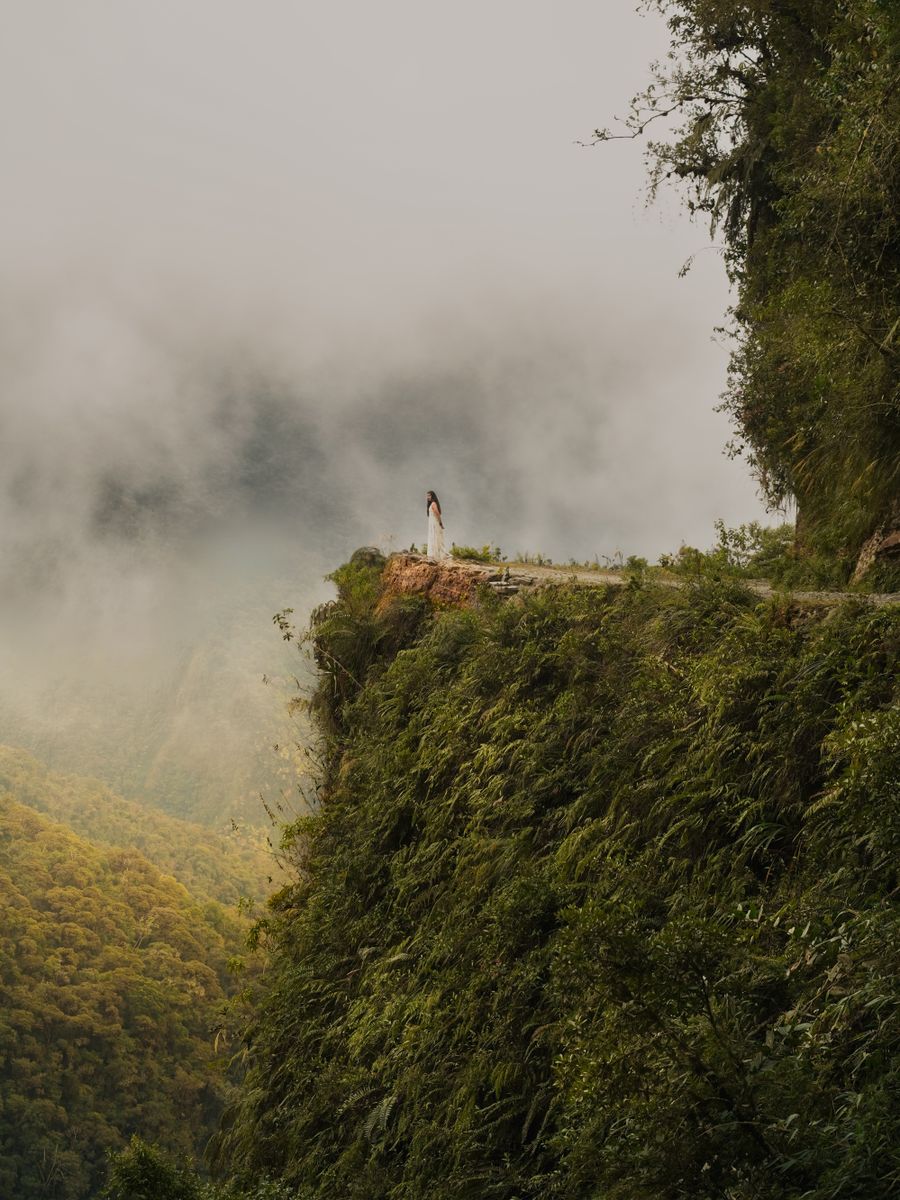
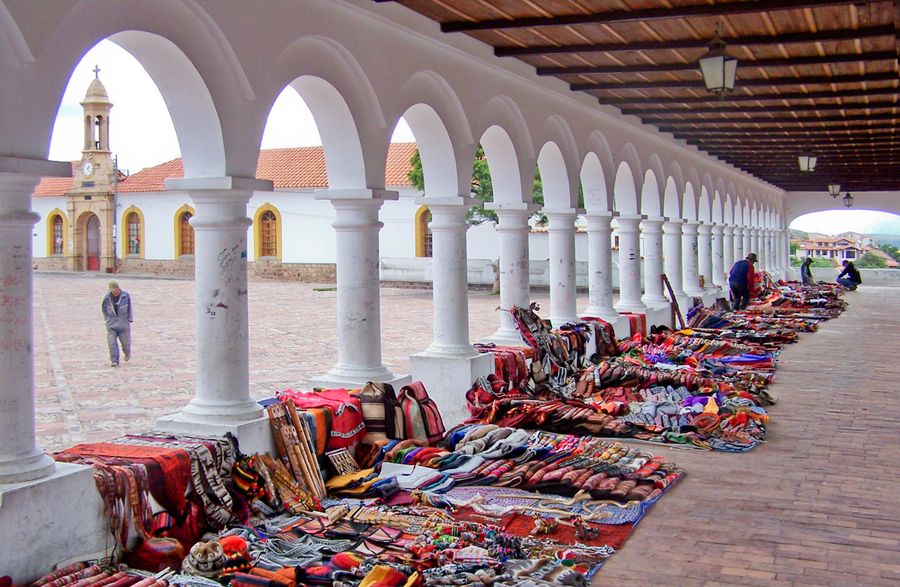
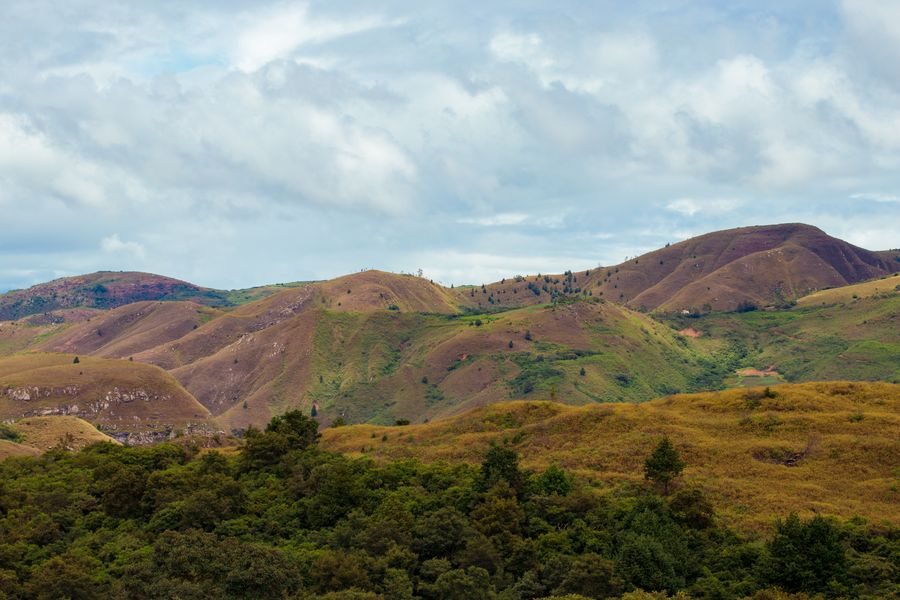
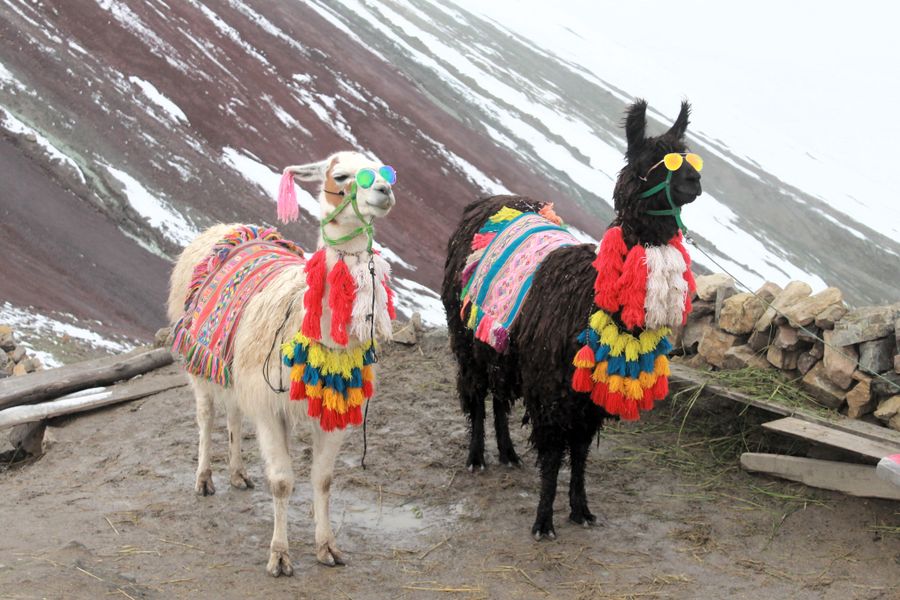
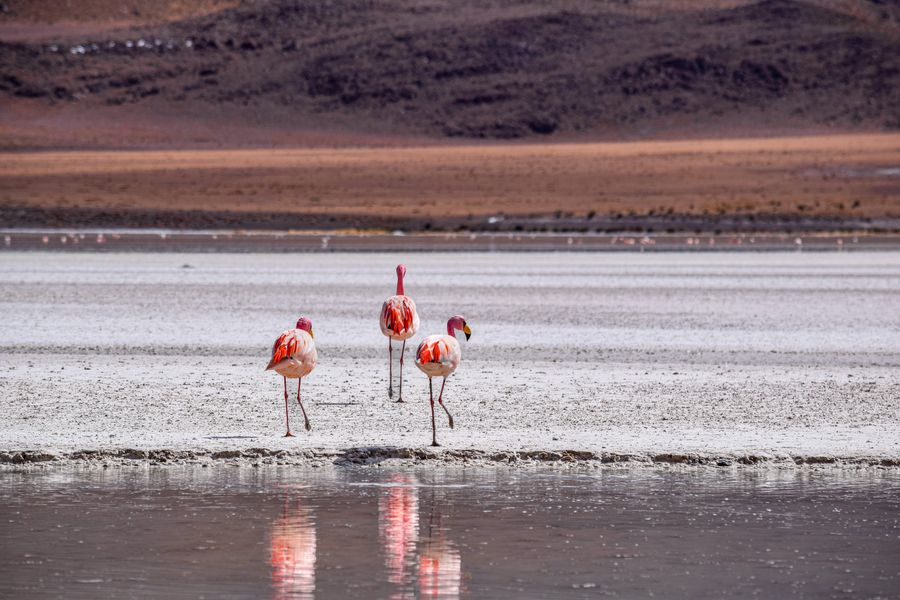
Real photography from our routes. No stock images. Hover to explore.

Questions about the Cintis Valley.
The 5 most common questions about Bolivia's most vertical vineyards and the canyon artisanal singani.
Plan your trip with us →The singani is waiting.
Direct from the canyon.
45 minutes. We design your southern Bolivia itinerary — Tarija, Cintis and Potosí — with logistics, accommodation and a realistic budget.
$90 · €85 · Bs. 623