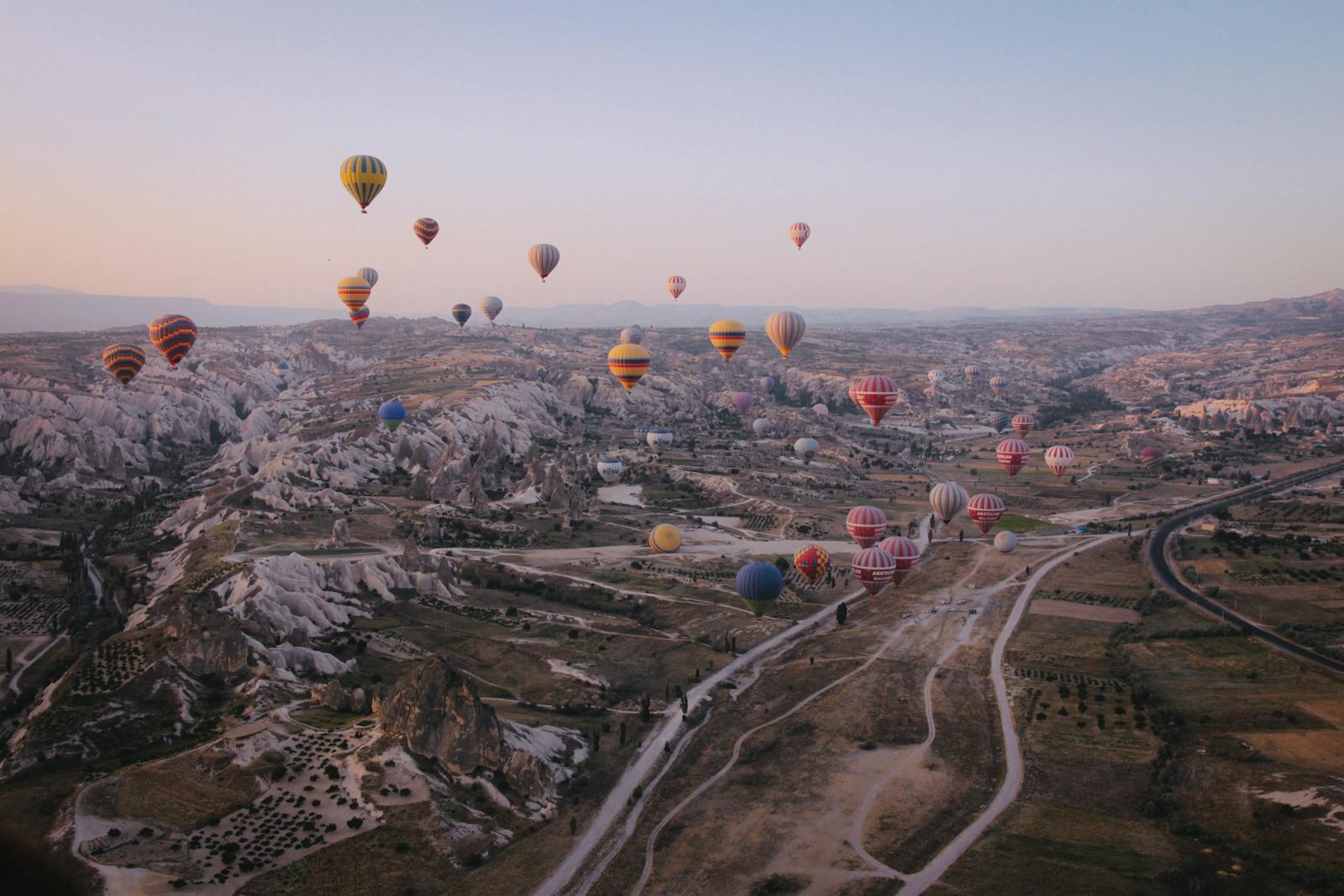
Nature imitates surrealism.
The name is not a marketing whim. The colours and forms of these volcanic formations on the Bolivian altiplano have an extraordinary resemblance to the landscapes painted by Salvador Dalí in his surrealist works: deep reds, ochres, yellows, strange forms emerging from the ground on an endless plateau.
The rock is ignimbrite — volcanic material ejected during ancient eruptions and consolidated in layers. The different colours (red, orange, yellow, grey) come from variable concentrations of iron oxides and other minerals. Wind at 4,500m erodes the softer rock and leaves the harder formations standing.
The Stone Tree: 7 metres of wind.
The Stone Tree (Árbol de Piedra) is a 7-metre ignimbrite column in the Siloli Desert at approximately 4,500m. Its characteristic shape — narrow base, wider upper portion, eroded lateral branches — is the result of thousands of years of wind erosion. Southwest wind acts most intensely at ground level, eroding the base more than the top.
It is not the only formation in the desert — the Stone Tree is the most photogenic of dozens of similar formations within a radius of several kilometres. It is signposted and is the briefest stop of the 3-day tour (15–25 minutes), but immediate and striking.
The desert is alive.
The Dalí Desert looks inhospitable but hosts diverse wildlife adapted to cold, altitude and water scarcity.
— Gallery
Bolivia in focus
Real photography from our routes. No stock images. Hover to explore.


Red rock.
Free vicuñas.
45 minutes. We design your Bolivian southwest itinerary with complete logistics and a realistic budget.