

Surface area
29,185 km²
Rank in Bolivia
Area nº 1
Ecosystems
Pantanal·Cerrado·Forest
Hyacinth macaw
Viable population
Border with
Brazil (Mato Grosso)
Access from
Santa Cruz
— Key wildlife of AMNI San Matías
Three ecosystems. Exceptional wildlife.
San Matías combines Pantanal, cerrado and dry forest in one territory — producing wildlife diversity few areas in the world can match.
🦜Endangered
Hyacinth Macaw
The world's largest parrot — 1m long, cobalt blue. Bolivia has one of the most important populations. Nests in bajera palms. Daily sightings at salt licks in the dry season.
🐆Vulnerable
Jaguar
Dense jaguar population confirmed by camera traps. The Pantanal corridor is critical habitat. Tracks at waterholes are daily in the dry season. Full sightings with patient, specialist guides.
🦦Endangered
Giant River Otter
San Matías's rivers hold resident giant otter families. The crystal rivers of the cerrado transition zone are particularly productive. Dawn canoe excursions are the most reliable approach.
🦌Vulnerable
Marsh Deer
The largest deer in South America — up to 150kg. Specialist of flooded savannas. San Matías's Pantanal wetlands support a large population. Easily seen from boats and 4×4 at dawn and dusk.
🐊Conservation dependent
Black Caiman
Up to 6m. San Matías's rivers and lakes have healthy populations. Night spotlight boat tours produce consistent sightings. The Pantanal waterways are the richest habitat.
🐾Vulnerable
Giant Anteater
Common in the cerrado and dry forest transition zones of San Matías. Dawn and dusk are best. Recognisable from distance by the distinctive white stripe and powerful digging motion. Camera traps show regular presence park-wide.
— Expedition logistics
Getting there and what to expect.
✈️
How to get to San Matías
- Option 1: Charter or light aircraft from Santa Cruz (~1.5–2h)
- Option 2: Road Santa Cruz → San Matías (~8h, partly paved)
- San Matías town: small Bolivian-Brazilian border settlement
- From San Matías, access the protected area by 4×4 and boat
- Full programme organised with a Santa Cruz specialist operator
- SERNAP visit permit required — your operator handles this
🦜
What to expect
- Hyacinth macaw: near-guaranteed sightings at dawn clay licks
- Jaguar: daily tracks; full sighting possible with 4–6 days
- Giant otter: cerrado crystal rivers — dawn canoe excursion
- Marsh deer: from 4×4 at dusk in wetland areas
- Giant anteater: dawn in open cerrado zones
- This is Bolivia's least-known Pantanal — and its most pristine
— Gallery
Bolivia in focus
Real photography from our routes. No stock images. Hover to explore.

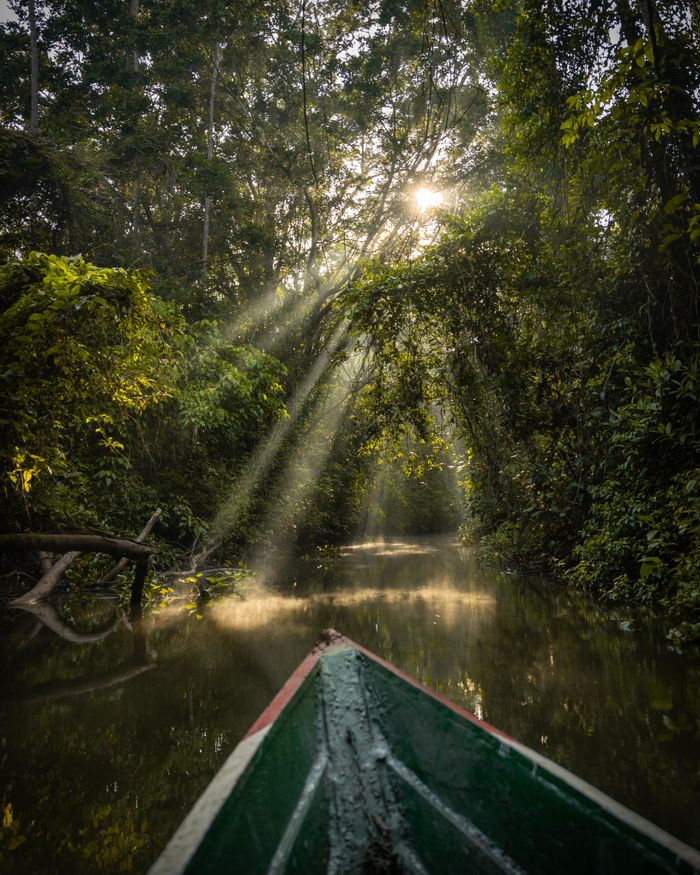

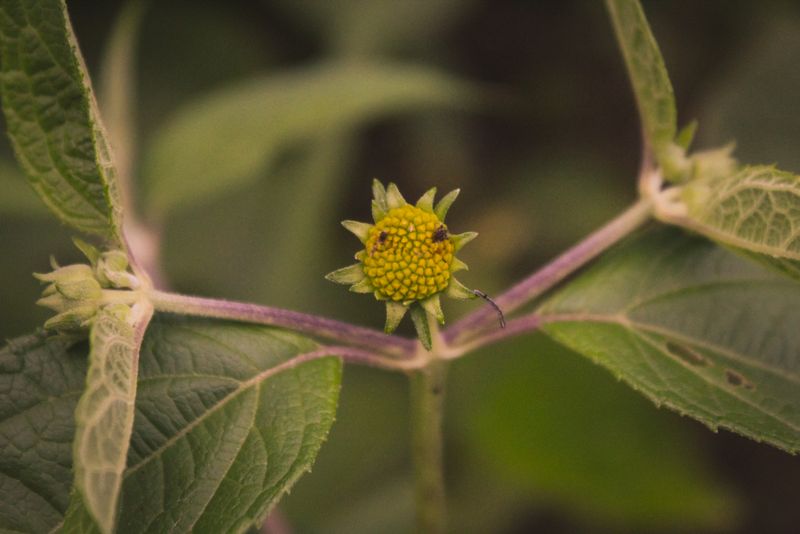
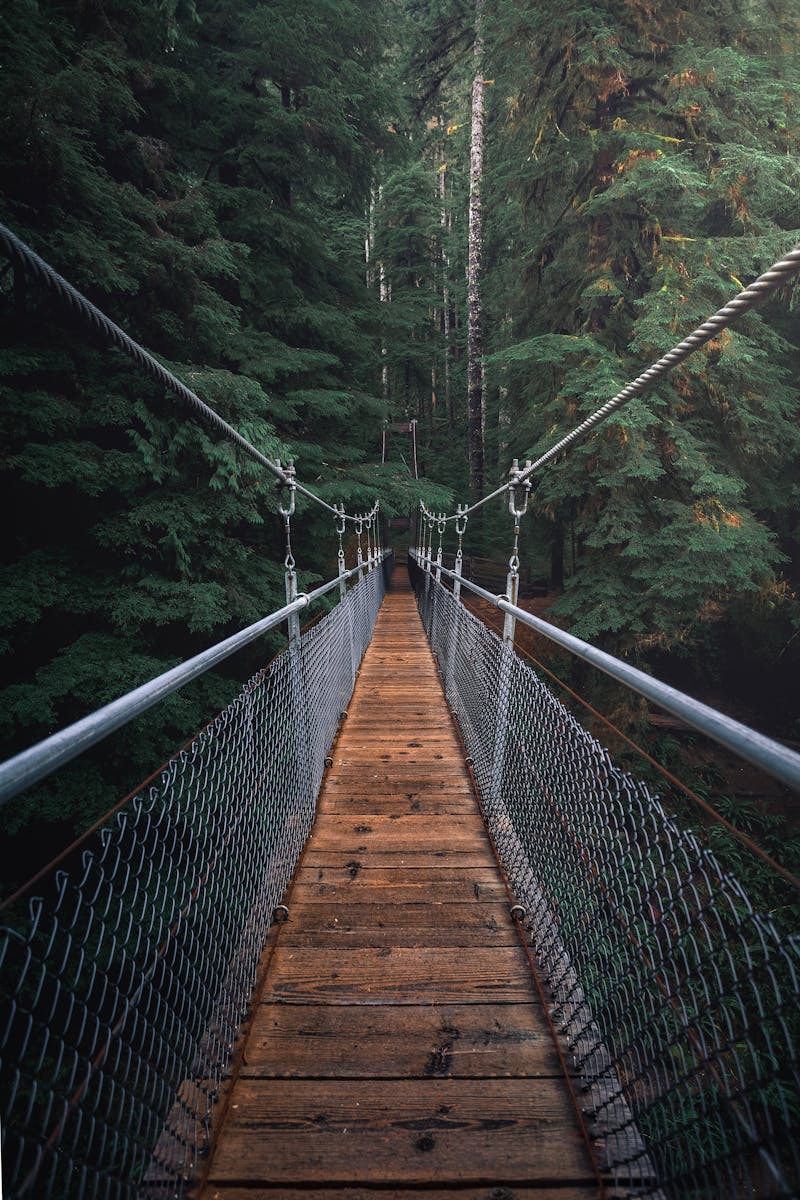

— Your San Matías expedition
Bolivia\'s Pantanal.
The purest.
45 minutes. We design your San Matías expedition with charter plane, specialist guides, SERNAP permits and full logistics from Santa Cruz.
$90 · €85 · Bs. 623