Skip to content
Ciudad de Cochabamba Bolivia — Valle de Cochabamba, capital gastronómica de Bolivia con el Cristo de la Concordia
saltena
— City · Bolivia's gastronomic capital · 2,570m

Cochabamba,
Bolivia.

The City of Eternal Spring. 2,570m, 16–22°C year-round. The world's tallest Christ statue. La Cancha, South America's largest market. And the best food in Bolivia — no debate.

Altitude
2,570 m
Climate
16–22°C year-round
Metro population
~1.8 M
Cristo Concordia
World's tallest Christ
La Cancha
Largest market in SA
Flight from LPB
45 min
— Things to do in Cochabamba Bolivia

Six reasons to stay in Cbba.

✝️
Cerro San Pedro

Cristo de la Concordia

World's tallest Christ statue — 34.2m

The Cristo de la Concordia (34.2m figure, 6.24m pedestal) is the largest Christ statue in the world by the height of the figure — taller than Rio's Cristo Redentor by 2.17m. Inaugurated in 1994 on Cerro San Pedro. Access by cable car (teleférico) or 2,000 steps. From the summit: 360° panoramic view of Cochabamba's valley.

Local tip
The cable car operates Tue–Sun, 9am–6pm. The interior of the statue is accessible — stairs take you up to the arm level. Sunset from the summit is extraordinary. The Cochabamba valley at dusk, surrounded by Andean peaks, is one of Bolivia's great urban views.
🛒
South of city centre

La Cancha Market

South America's largest open-air market

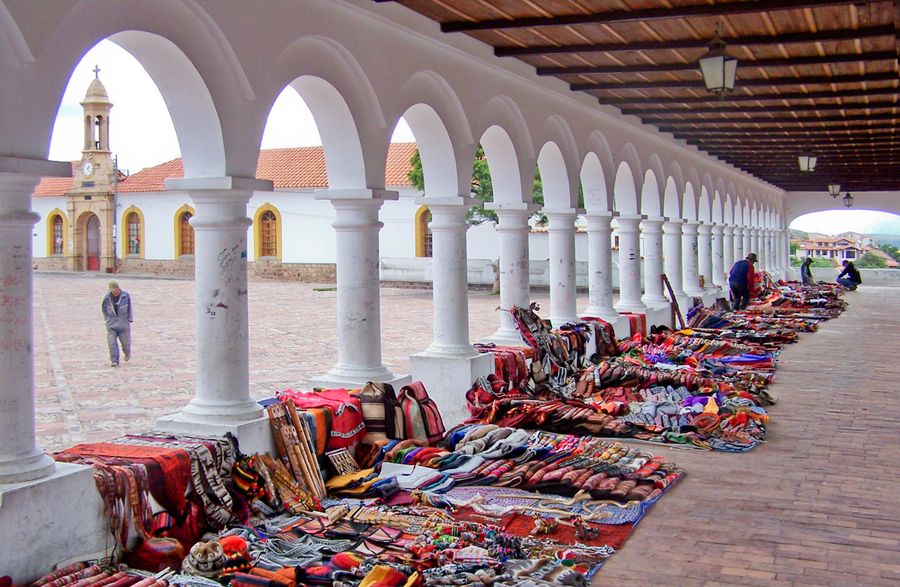
La Cancha covers more than 8 city blocks of permanent market stalls — the largest open-air market in South America. It sells everything: food, electronics, clothing, tools, medicinal plants, coca leaf, live animals, and the full range of Andean agricultural produce. The food section is extraordinary: the best chicharrón, anticuchos, api morado and empanadas in the country.

Local tip
Go on Wednesday or Saturday for the busiest market days. Keep your phone and wallet in a front pocket. The food court in the east section opens at 7am — the breakfast stalls (api with pasteles) are the best in Cochabamba. A local guide doubles the experience.
🌿
City centre

El Prado & Cala Cala

Cochabamba's social heart

El Prado is Cochabamba's main boulevard — a tree-lined promenade connecting the central plaza to the Portales neighbourhood. At weekends it fills with families, food vendors, live music and artisan markets. The adjacent Cala Cala neighbourhood has the city's best restaurants, cafés and craft beer bars. The Portales Palace (built for tin baron Simón I. Patiño in 1927) is nearby and open to visitors.

Local tip
The Portales Palace (Patiño Mansion) is one of Bolivia's most extraordinary buildings — a French Renaissance palace in the middle of Bolivia, built by the man who was once South America's richest person. Opening hours: Tue–Sun 9am–1pm. Free.
🏔️
North of the city

Parque Nacional Tunari

Cloud forest and Andean peaks above Cochabamba

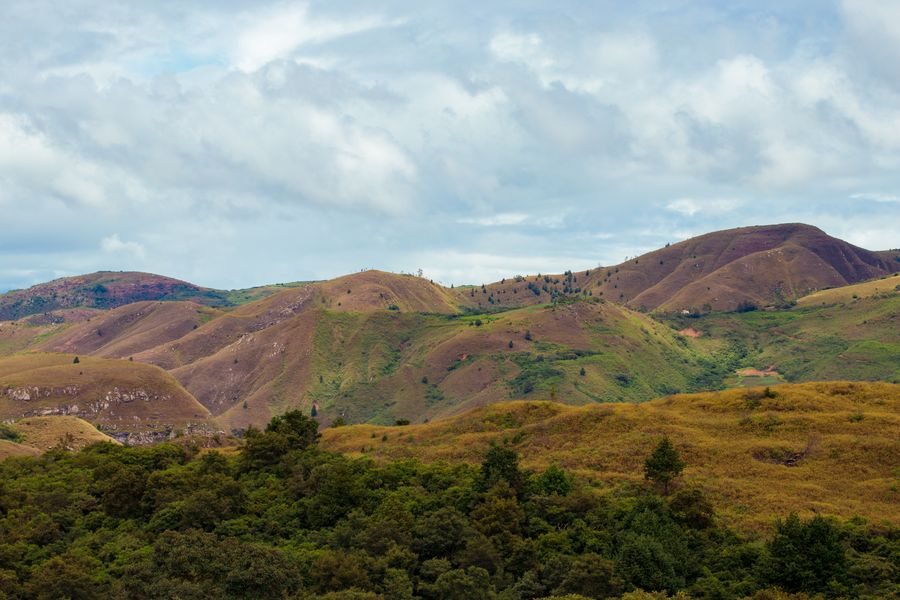
Parque Nacional Tunari begins just north of Cochabamba and rises to 5,035m (Cerro Tunari). The park encompasses cloud forest, Andean grassland, archaeological sites and excellent bird and wildlife watching. The condor (Vultur gryphus) is regularly seen soaring over the ridgelines. Multiple day-hike access points from the city make it ideal for a half-day or full-day excursion.

Local tip
The easiest access is from the Colina San Pedro (Cristo hill) — trails continue north into the park from the summit. For Cerro Tunari (5,035m), hire a local guide and allow a full day (pre-dawn start). The Inca agricultural terraces inside the park are rarely visited and extraordinary.
Full guide →
🏛️
130km from Cochabamba

Inkallajta

Bolivia's most important Inca site after Tiwanaku

Inkallajta (3,250m, 130km east of Cochabamba) is the largest Inca site in Bolivia — a tambo (waystation) and military complex on the frontier of Inca expansion against the Chiriguano. The site includes the largest single roofed structure in all of Inca architecture (call the kalanka — 76m × 26m). Almost no tourists know it.

Local tip
Inkallajta requires a half-day from Cochabamba (tour or rental car via Pocona). The road becomes unpaved for the last section — 4×4 recommended in wet season. Combine with the cloud forest of the Machu Machi area for an exceptional Cochabamba day trip.
Full guide →
🍗
City-wide

Cochabamba Gastronomy

Bolivia's undisputed gastronomic capital

Cochabamba is universally considered the best city for food in Bolivia — a consensus so strong it barely requires defending. The valley's agricultural richness and the city's quechua culinary tradition produce dishes unlike anywhere else: chicharrón (crispy pork) served with mote (hominy) and llajwa (chilli sauce), silpancho (breaded beef over rice and egg), fricasé (pork soup for Sunday), sopa de maní (peanut soup).

Local tip
The best chicharrón street in Bolivia is Av. Blanco Galindo (km 8). Eat between 10am and 2pm — the pork is prepared fresh each morning and finishes by afternoon. For sopa de maní: El Vegetariano (paradoxically) and any peña on a Sunday morning. Anticuchos (beef heart skewers): night markets.
— The iconic dishes

Six dishes. One city.

There is no consensus on which Bolivian city has the best food. There is consensus that it's Cochabamba.

Chicharrón de cerdo
Cochabamba's most emblematic dish. Crispy pork with mote (cooked hominy), llajwa (tomato-locoto sauce) and salad. Av. Blanco Galindo km 8, 10am–2pm.
Silpancho
Flattened breaded beef over rice, boiled potato and two fried eggs, with llajwa. Cochabamba's definitive set lunch.
Fricasé
Hearty pork soup with chuño, mote and yellow chilli. Eaten Sunday mornings at the markets. Bolivia's most satisfying breakfast.
Sopa de maní
Creamy roasted peanut soup with beef, vegetables and thin noodles. Appears on almost every set menu. Completely unique.
Api morado with pasteles
Purple corn drink with spices (cinnamon, clove) served with cheese-filled fried pastries. The market breakfast, 6–9am.
Anticuchos
Grilled beef heart skewers with llajwa and boiled potatoes. Best are the nocturnal versions, cooked on charcoal at street markets.
— Travel logistics

Getting there and getting around.

✈️

How to get to Cochabamba

  • Flight from La Paz: 45 min, ~$60–100 USD, BoA or Amaszonas. Several daily.
  • Flight from Santa Cruz: 45 min, ~$60–90 USD. Daily direct connection.
  • Bus from La Paz: ~7–8h on the new road. Overnight sleeper available.
  • Bus from Sucre: ~10–12h. Long but comfortable.
  • Jorge Wilstermann Airport (CBB) 15 min from centre by taxi (~$5–8 USD)
  • Cochabamba is the national transport hub — all major routes pass through here
🚕

How to get around Cochabamba

  • Trufi (shared mini-bus): most efficient local transport, 2–3 Bs per trip
  • Taxi: call by phone or InDriver app, never hail from street — 20–40 Bs by distance
  • On foot: historic centre is walkable but more spread out than Sucre
  • For the Cristo: cable car from the base of Cerro San Pedro (Tue–Sun)
  • For La Cancha: trufi south from main plaza — any local knows it
  • Av. Blanco Galindo (chicharrón): minibus from centre, ~15 min
FAQ

Questions about Cochabamba.

Plan your trip →

Cochabamba is considered Bolivia's gastronomic capital because of the richness of its regional cuisine — a product of Quechua culinary tradition and the agricultural abundance of its valley. Key dishes: chicharrón (crispy pork on Av. Blanco Galindo), silpancho, fricasé (Sunday pork soup), sopa de maní, api morado with pasteles. La Cancha (South America's largest market) is the epicentre.

The Cristo de la Concordia (34.2m figure + 6.24m pedestal) is the world's largest Christ statue by the height of the figure — taller than Rio de Janeiro's Cristo Redentor. Inaugurated in 1994 on Cerro San Pedro above Cochabamba. Access: cable car (Tue–Sun, 9am–6pm) or 2,000 stairs. The statue interior is accessible. 360° panoramic views of the valley.

La Cancha is South America's largest open-air market, covering more than 8 city blocks in southern Cochabamba. It sells everything: food, electronics, clothing, tools, medicinal plants, coca leaf, live animals and agricultural produce. The food section is exceptional: the best chicharrón, anticuchos, api and empanadas in the country. Busiest on Wednesdays and Saturdays.

Parque Nacional Tunari begins just north of Cochabamba city and rises to 5,035m (Cerro Tunari). It encompasses cloud forest, Andean puna, archaeological sites and condor territory. Multiple day-hike access points from the city. The easiest access is from Cerro San Pedro (Cristo hill) — trails continue north into the park. Cerro Tunari (5,035m) requires a full day with a local guide.

Chicharrón de chancho cochabambino is Cochabamba's signature dish — pork deep-fried in its own fat until the skin crackles. Served with corn, potatoes and llajwa (fresh tomato and locoto salsa). The best chicharrón concentrates on Avenida Blanco Galindo (km 1–4 from the city centre) — outdoor cocinas where entire pigs are fried over wood fires. Hours: 9am–4pm daily. Sunday is peak day: families drive from across the country. Budget: 30–50 Bs per person for a full portion.

2 days minimum for first-timers: Day 1 — morning at La Cancha, afternoon Cristo de la Concordia by cable car, evening chicharrón on Av. Blanco Galindo. Day 2 — Parque Nacional Tunari morning walk, Palacio Portales, lunch at a traditional cocina. 3 days adds a day trip to Quillacollo or the Chapare tropics (1.5h). 4–5 days makes sense for food-focused travellers or those using Cochabamba as a hub for exploring the Bolivian valleys (Tarabuco, CalOrcko, Sucre direction).

— Your Cochabamba trip

Bolivia\'s best food.
Start here.

45 minutes. We design your Cochabamba and Bolivian valleys itinerary with logistics, gastronomy and a realistic budget.

$90 · €85 · Bs. 623

Book consultation → $90 · €85 · Bs. 623Valleys ecosystem →