

Three options. One fortress.
- Cochabamba → Inkallajta by vehicle (3h)
- Guided site visit: kallanka + ushnu + qollqas (2–3h)
- Return to Cochabamba (3h)
The minimum. Just the site visit, without deep exploration. Sufficient to see the kallanka and understand the scale of the place.
- Cochabamba → Inkallajta early departure (6–7am)
- Complete site visit: kallanka + perimeter + Machajmarca river viewpoint (3–4h)
- Lunch in Pojo village (10km away) · return to Cochabamba (5–6pm)
The standard itinerary. With a full day there is time to walk the complete site perimeter and understand the architectural complexity of the Inca defensive system.
- Day 1: Cochabamba → Inkallajta · complete visit · overnight in Pojo or Arani
- Day 2: Explore surrounding area — Machajmarca river, valley viewpoints, local communities · return to Cochabamba
For those wanting to go deeper. The second day allows exploration of the Cochabamba valley landscape without the return time pressure, and visiting the site surroundings most visitors skip.
Six reasons to go beyond Cochabamba.
Bolivia's greatest Inca fortress — with the Empire's longest kallanka. History, architecture and the landscape of Cochabamba's eastern valleys.
The 78m Kallanka
The kallanka at Inkallajta is 78m long, 26m wide and originally had a thatch roof covering the entire interior without interior columns. No comparable Inca structure exceeds it in length. Kallankas were multi-purpose great halls used for assemblies, ceremonies, accommodating armies and sheltering travellers. The Inkallajta kallanka served as the main hall of the frontier garrison — the interior floor area alone is over 2,000m².
Frontier Fortress Strategy
Inkallajta was the eastern anchor of the Inca Empire's frontier against the lowland Chiriguano (Guaraní) people — who were among the few populations that successfully resisted Inca expansion. The site's location above the Machajmarca valley was strategic: it controlled the valley route from the lowlands into the Cochabamba highlands. The compound includes tambos (waystation accommodation), qollqas (storehouses for provisions and weapons), and an ushnu (ceremonial platform).
Tupac Inca Yupanqui's Expansion
Inkallajta was built during the reign of Tupac Inca Yupanqui (1471–1493), the Inca emperor who expanded the empire to its greatest territorial extent — reaching into present-day Bolivia, Argentina and Chile. The eastern frontier (Anti Suyu — the jungle quarter of the empire) was a persistent challenge: the Chiriguano raids forced the construction of a chain of fortified sites. Inkallajta was the most important of these in the Cochabamba region.
Green Cochabamba Valley
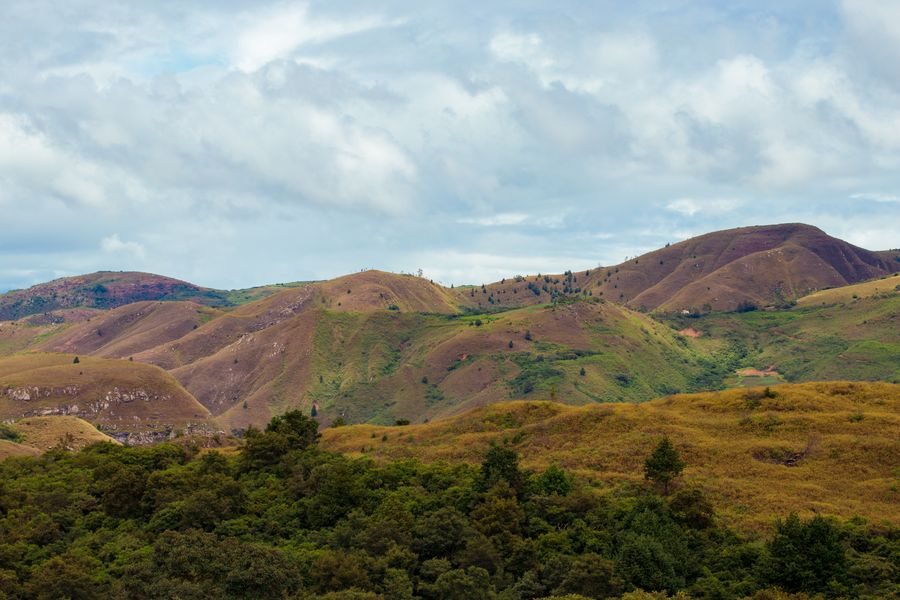
Inkallajta sits above the Machajmarca river valley at 2,700m — at the transition zone between the Cochabamba highlands and the subtropical valleys descending toward the Amazon basin. The surrounding landscape is greener and more forested than the dry altiplano: the ruins sit among grass and queñua trees with the valley visible below. The contrast between the dense Inca stonework and the green valley is the defining visual of the site.
Inca Stonework Up Close
Inkallajta demonstrates several Inca stoneworking techniques. The main structures use pirka (fieldstone) construction — large, shaped stones fitted together without mortar. The doorways show the classic double-jamb (double-recessed) Inca portal style that indicates ceremonial or high-status spaces. The quality of stonework varies by structure: the kallanka has the finest work; the perimeter walls are more utilitarian.
Guided Archaeological Visit
Inkallajta is not yet signposted in detail — visiting without a guide means missing the architectural interpretation and historical context that makes the site extraordinary. Local guides from Cochabamba (ask at the Ministry of Cultures office or through the Punata or Cliza area agencies) know the site well and can explain the difference between the structures. A guided visit takes 2–3h and covers all the main compounds.
Bolivia\'s greatest Inca fortress.
Six keys to understanding Inkallajta — the architecture, history and significance of the greatest Inca installation in the Bolivian valleys.
All on the Cochabamba circuit.
Cochabamba · Bolivia's Garden City
Cochabamba (2,550m) is the most temperate of Bolivia's major cities — year-round spring climate. It is Bolivia's food capital: the central market (La Cancha) is one of the largest open-air markets in South America, and the street food scene (salteñas, chicharrón, silpancho) is Bolivia's best. The Cristo de la Concordia statue on the hilltop is larger than the Rio Christ. Cochabamba is the base for Inkallajta.
Pojo · Valley Town near Inkallajta
Pojo is the closest village to Inkallajta — 10km along the valley road. It has a small market and several local restaurants where lunch after the site visit is a standard addition to the Inkallajta day trip. The town is at a lower altitude than Inkallajta and surrounded by the lush subtropical vegetation of the Machajmarca valley — a pleasant contrast to the stone ruins above.
Parque Nacional Tunari
Tunari National Park begins north of Cochabamba city — cloudforest and páramo accessible in 15–20 minutes from the city centre. The park has confirmed spectacled bear populations, 200+ bird species and condors. Cerro Tunari (5,035m) is the highest peak in the Bolivian central Andes west of the Amazon basin. Combine Inkallajta (day trip, east of Cochabamba) with Tunari (half-day, north) in a 2-day Cochabamba loop.
Tarata · Colonial Town
Tarata (2,820m, 30km from Cochabamba) is considered the best-preserved colonial town in the Cochabamba department. The main plaza has a fine 18th-century church, and the surrounding streets maintain the original colonial townhouse architecture. Tarata is also known for its alfarería (pottery) tradition and artisanal products. A half-day detour on the Inkallajta return route is feasible.
Getting there and getting around.
How to get to Inkallajta from Cochabamba
- Organised tour from Cochabamba (recommended): Bs 120–200/person with guide, transport and entry
- Private vehicle/taxi: 130km (3h) via Cochabamba–Punata–Arani–Pojo route
- 4×4 recommended — the final track to the site is dirt and can be difficult
- Public transport: bus Cochabamba–Arani (2h) + shared taxi Arani–Pojo–Inkallajta (1h, ~Bs 30–50)
- Site hours: 8am–5pm every day · entry Bs 20–30
- No restaurant or shop at the site — bring water and food
How to get around the site and surroundings
- The Inkallajta compound is fully walkable — visit area ~1km²
- Complete visit without guide: 1.5–2h · with guide: 2–3h
- Outer perimeter requires good boots — uneven terrain and tall grass
- Pojo village (lunch): 10km from the site on a dirt road
- For Cochabamba: return takes the same 3h as the drive in — leave the site before 2pm to arrive in daylight
- No mobile signal at the site — download the offline map before departure
When to visit Inkallajta.
— Gallery
Bolivia in focus
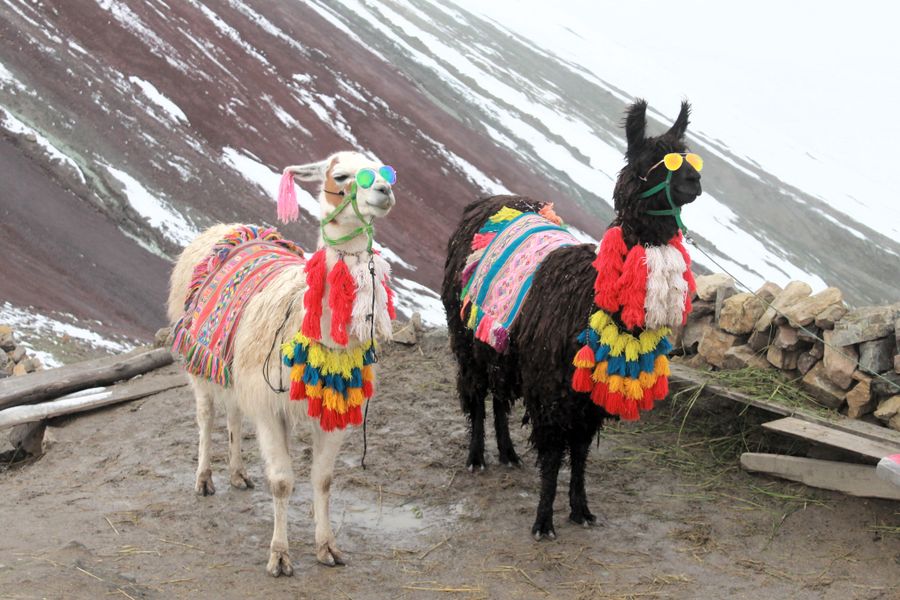
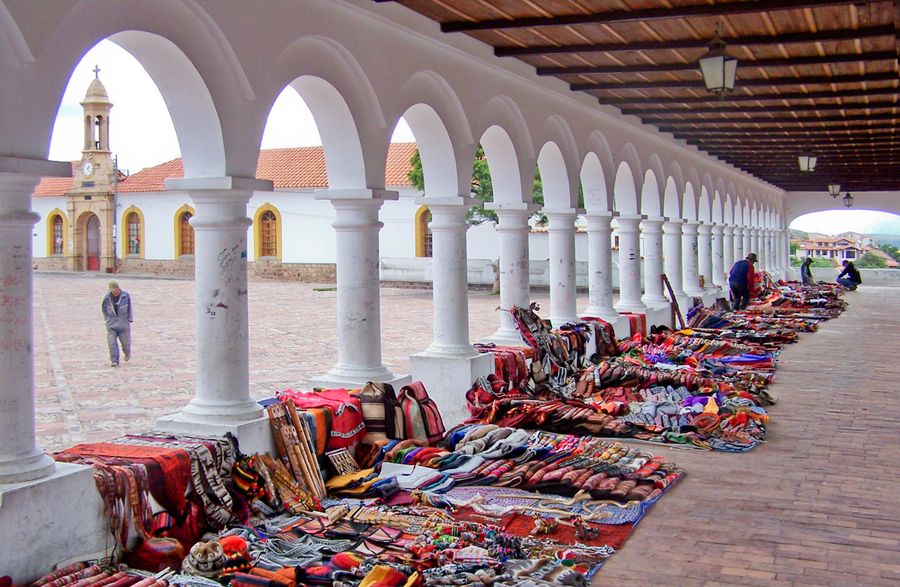
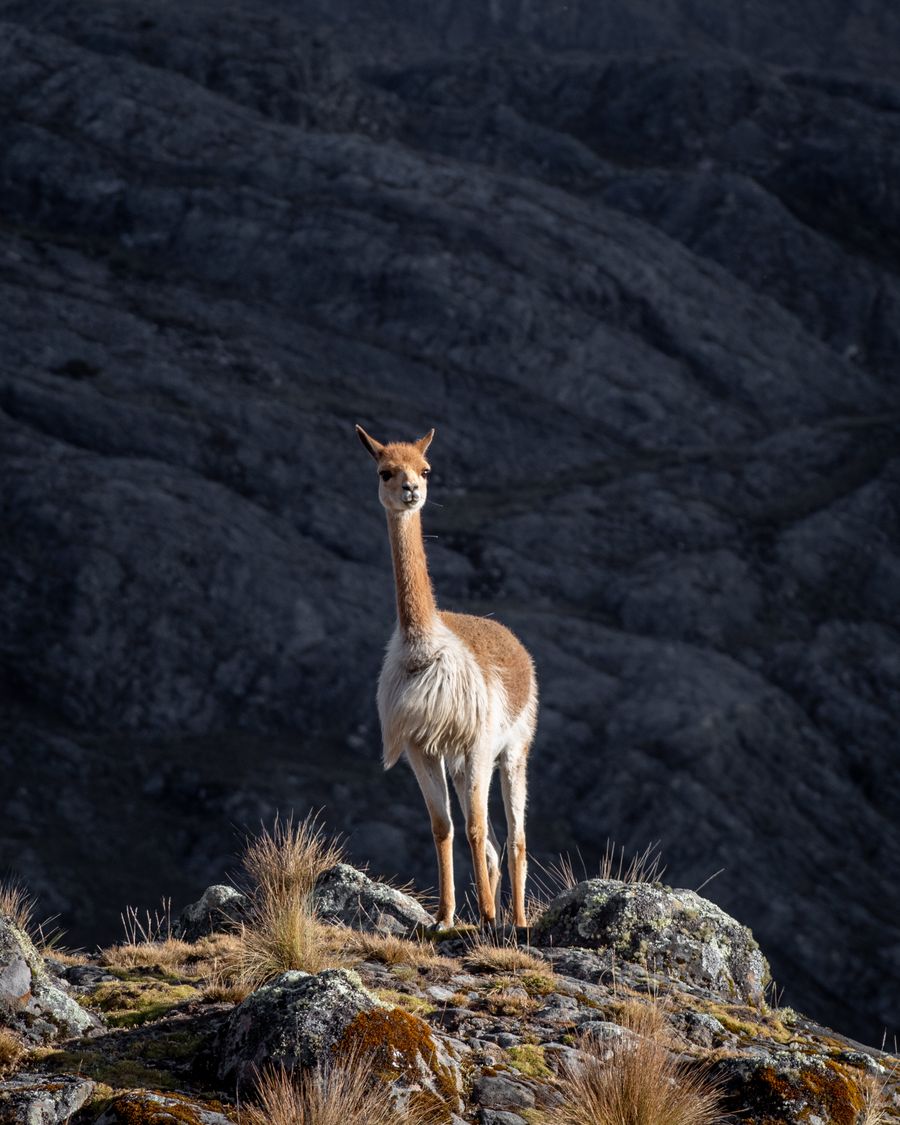
Real photography from our routes. No stock images. Hover to explore.

Questions about Inkallajta.
The 6 most common questions about visiting Bolivia's greatest Inca fortress.
Plan your trip with us →The Inca Empire waits.
Start at Inkallajta.
45 minutes. We design your Cochabamba valley itinerary with logistics, accommodation and a realistic budget.
$90 · €85 · Bs. 623