
Three itineraries. An eternal lake.
- Day 1: La Paz → Copacabana (3.5h bus) — Basilica of the Virgin, afternoon on the lakeshore
- Day 2: Isla del Sol tour (boat 8:30am) — north + south + Inca Steps, return 4pm → La Paz
Minimum viable. Returning to La Paz on Day 2 means arriving late. Consider staying 1 more night.
- Day 1: La Paz → Copacabana — Basilica + Calvario hill (panoramic views)
- Days 2–3: Isla del Sol — 1 night north (Challapampa), 1 night south (Yumani), full 10km trail
- Day 4: Return to Copacabana → La Paz or connection to Uyuni
The ideal itinerary. Spending 2 nights on Isla del Sol avoids day-tripper crowds and allows sunset over the water both evenings.
- Days 1–4: Copacabana + Isla del Sol (4-day itinerary)
- Day 5: Copacabana → Puno (Peru) by bus (4h), border at Kasani — Uros floating reed islands
- Day 6: Puno → flight to Lima or return to Bolivia (La Paz 4.5h)
The complete lake route: both shores, both countries. Valid passport and travel insurance required for the crossing.
Six experiences on the highest lake.
From the Inca ruins of Isla del Sol to ancient totora reed boats. Selected by Bolivians.
Isla del Sol
The largest Bolivian island on Titicaca and one of the most sacred places in Andean cosmology — according to Inca tradition, the sun god Inti and the first Inca rulers Manco Cápac and Mama Ocllo emerged here. The island has no cars, no paved roads. Two sectors: the north (Challapampa, Chincana ruins, Inca Fountain) and the south (Yumani, Inca Steps). The 10km north–south trail takes 3–4 hours with extraordinary lake views throughout.
Copacabana Basilica
The Basilica of Our Lady of Copacabana, built between 1605 and 1820, is Bolivia's most important Marian pilgrimage site. The Virgin of Copacabana is the patron saint of Bolivia. The Moorish-influenced white façade is one of the finest examples of colonial religious architecture in the Andes. The interior contains the statue of the Virgin carved by Tito Yupanqui (1576). The lake is visible from the atrium.
Calvario hill
A hillside above Copacabana with 14 stations of the Via Crucis, traditionally climbed on hands and knees as an act of devotion by Bolivian pilgrims. At the top: a wide terrace with some of the best panoramic views of the lake — the Isla del Sol visible on clear days, the full arc of the bay, the reed beds at the lake's edge. A 30-minute walk from the town centre on a paved path.
Totora reed boats
Totora (Schoenoplectus tatora) is the tall reed that grows in the shallow waters around the lake. The Aymara have built boats — balsas — from totora bundles for at least 3,000 years. The same boats that crossed the Pacific (Thor Heyerdahl's Ra expeditions were built by Bolivian Aymara craftsmen from Suriqui island). You can take a 30-minute trip on a traditional balsa from the Copacabana lakeshore — a completely different pace on the water.
Tiquina Strait crossing
The Tiquina Strait is the narrow neck connecting the two sections of Lake Titicaca: the Lago Mayor (south) and the smaller Lago Menor (north, also called Lago Huiñaymarca). The La Paz–Copacabana bus route crosses here — passengers disembark and cross in small wooden motorboats while vehicles travel on flat barges separately. The crossing takes about 20 minutes. An unexpectedly beautiful moment mid-journey.
Isla de la Luna
Smaller than the Isla del Sol, the Isla de la Luna was the site of the Acllahuasi — the "House of the Chosen Women" — where young women dedicated to the Inca sun religion were trained. The partially restored Inca temple (Iñak Uyu) is well preserved. The island has fewer than 100 inhabitants. Most tours from Copacabana include both islands. The light on the lake between the two islands at midday is extraordinary.
Six keys to understanding the lake.
What travel books don't explain about the Bolivian Lake Titicaca.
The lake and what surrounds it.
Isla del Sol — North circuit
The north sector of Isla del Sol (Challapampa) contains the most impressive ruins: the Chincana labyrinth (a large pre-Columbian ceremonial complex) and the Sacred Rock, said to be the birthplace of Inti. The Inca Fountain (Fuente del Inca) is a three-spout water feature that has flowed continuously for 600+ years. Far fewer day-trippers reach the north — most turn back at the south. Best done as an overnight.
Isla de la Luna
The Isla de la Luna was the Acllahuasi — the House of the Chosen Women — in the Inca cosmological system. The Iñak Uyu temple is the best-preserved Inca structure on the Bolivian side of the lake. The island has fewer than 100 permanent residents. Most Copacabana boat tours include a 45-minute stop here on the return from the Isla del Sol north sector.
Puno & Uros Islands (Peru)
Cross the Bolivian–Peruvian border at Kasani (between Copacabana and the Yunguyo checkpoint) and continue to Puno (3,827m) on the Peruvian shore. The Uros Islands are artificial islands built entirely from totora reeds, continuously replenished — the Uros people have lived on them for over 1,000 years. A very different experience to the Bolivian side of the lake. From Puno, flights to Lima or the Inca Trail connection to Cusco.
Tiwanaku (from La Paz)
The Tiwanaku civilization (300–1000 AD) was the dominant culture of the Titicaca basin for 600 years before the Inca. The Sun Gate (Puerta del Sol), the Akapana pyramid and the semi-subterranean temple are among the most important pre-Columbian monuments in South America. The site is 72km from La Paz — easily combined with the Copacabana journey on the same altiplano road. Best as a La Paz day trip before heading to the lake.
Getting there and navigating the lake.
How to get to Lake Titicaca
- Bus from La Paz (Cementerio Terminal — not the main terminal): 3.5h to Copacabana (30–50 BOB). Frequent departures 7am–1pm. Companies: Trans Titicaca, Manco Cápac, 2 de Febrero.
- The Tiquina Strait crossing is included: the bus stops, passengers cross by motorboat (~20 min), the bus crosses on a barge separately. Additional cost: ~$1.50 USD.
- From Puno (Peru): 4h by road along the lakeshore, border crossing at Kasani. Direct buses available.
- Organised tour from La Paz: agencies offer 1 or 2-day excursions including transport, boat and guide from $50–90 USD/person.
How to get around the lake
- Copacabana: fully walkable. Hotel, restaurants, tour agencies, jetty — all within a few minutes on foot.
- Boats to Isla del Sol: depart from Copacabana main jetty at 8:30am (north) and 1:30pm (south). Price: ~30–40 BOB one way, 60–70 BOB return. Duration: 30 min (south) to 1.5h (north).
- Dawn boats (~6:30am): chartered directly at the jetty the previous afternoon, 60–100 BOB. To see sunrise over the lake from the island.
- Water taxis between islands: available on demand at the jetty. Flexible if travelling in a group.
- Isla del Sol: no cars or motorcycles. Everything on foot. The 10km north–south trail is the only way to connect the two main sectors.
When to visit Titicaca.
The dry season (May–October) is clearly the best. The great exception is the Feast of the Virgin on 5 August.
Connected routes and ecosystems.
Lake Titicaca is the northern anchor of the Altiplano ecosystem and the destination most travellers include in their first Bolivia route.


— Gallery
Bolivia in focus
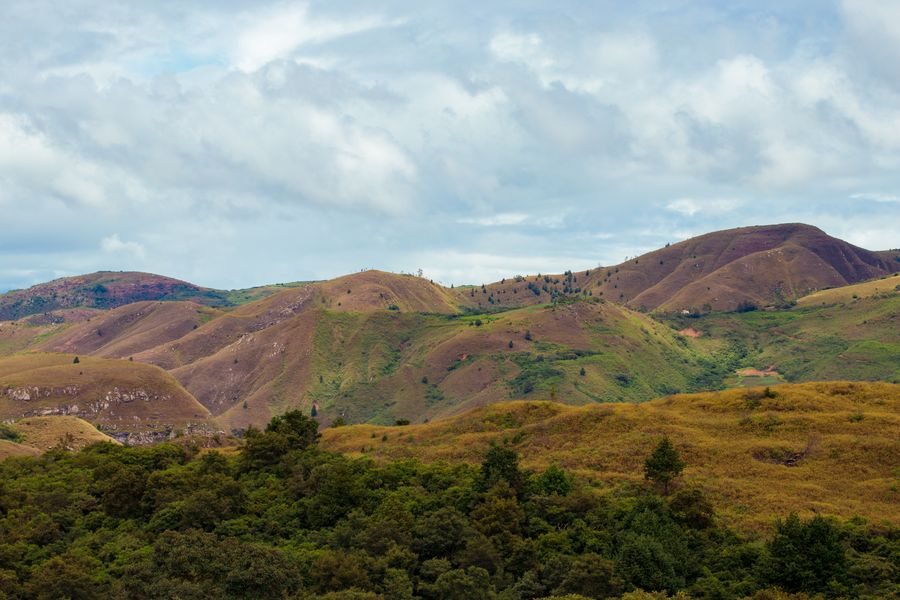
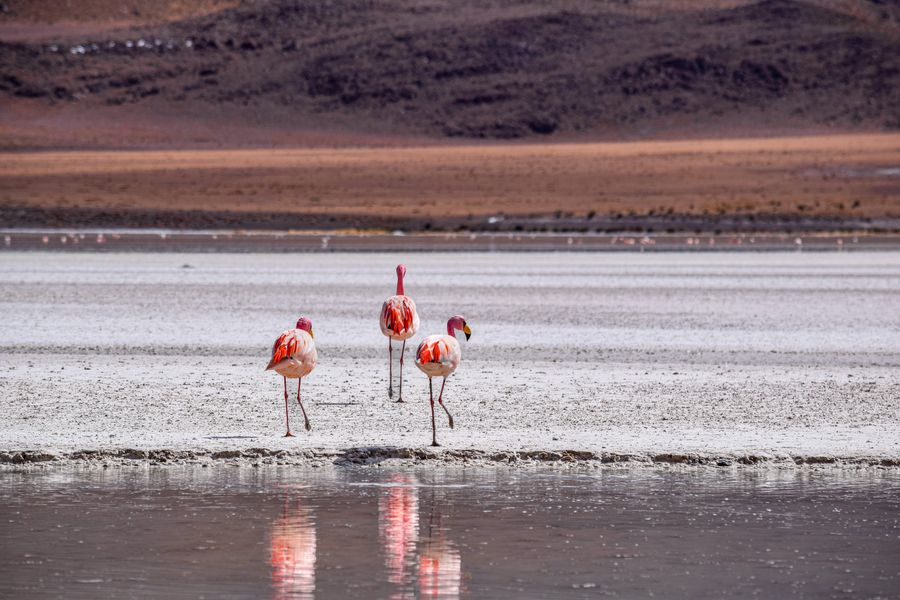
Real photography from our routes. No stock images. Hover to explore.

Questions about Lake Titicaca.
The 9 most common questions about travelling to Lake Titicaca, Bolivia.
Plan your trip with us →Isla del Sol.
The lake always wins.
45 minutes. We design your Lake Titicaca and Bolivia itinerary with logistics, accommodation and a realistic budget.
$90 · €85 · Bs. 623