
Six essential experiences.
Oruro beyond the Carnaval — even though the Carnaval is everything.

La Entrada del Carnaval
The Entrada del Carnaval de Oruro is the main event: a procession of 48 folkloric brotherhoods covering 4km through the city in 20 hours of uninterrupted dance and music. The order is fixed by tradition: the Diablada leads, followed by the Morenada, the Caporales, the Tinkus, the Kullawada, the Waca Wacas, the Pujllay, the Suri Sikuri and 40 more brotherhoods. Each has its own band, its own choreography, and its own costume tradition. Tickets (tribuna seats) sell out months in advance.
La Diablada
The Diablada (Dance of the Devils) is the most ancient and iconic dance of the Oruro Carnaval — and the one that led UNESCO to declare the festival a Masterpiece of Intangible Heritage. It represents the battle between Archangel Miguel and the Devil, but in deeply Andean terms: the devil costumes incorporate serpents, toads, lizards and the face of El Tío (the god of the mines, revered in all Bolivian mining culture). Each costume weighs 25–40 kilos, costs $2,000–6,000 USD and takes months to make by specialist artisans in Oruro.
Santuario de la Virgen del Socavón
The Sanctuary of the Virgin del Socavón is the spiritual heart of Oruro — a church built over the entrance of a colonial silver mine, where the Virgin of Candlemas appeared to miners in 1789 (according to tradition). The Carnaval de Oruro is at its core a religious procession in honour of this virgin: every Entrada ends when the last fraternity enters the sanctuary and dances before the Virgin. The church interior has an elaborate baroque altarpiece and, underneath, the original mine gallery can be visited.
Museo Antropológico Eduardo López Rivas
The Museo Antropológico Eduardo López Rivas holds one of the finest archaeological collections on the Bolivian altiplano — including Tiwanaku-era ceramics, pre-Columbian textiles, masks from the Oruro Carnaval tradition, and ethnographic material from the Chipaya community (considered the oldest living culture in South America). The museum also documents the mining history of Oruro from colonial silver extraction to 20th-century tin mining. A museum-quality hour that reframes everything you see in the city.
Mercado Campero & Orureño Food
The Mercado Campero is Oruro's main covered market — a 19th-century iron structure with permanent food stalls serving the city's specialties at breakfast and lunch. Oruro cuisine is one of the most distinctive in Bolivia: ají de fideos (noodle stew in spicy pepper sauce), charquekán (dried llama meat with chuño and corn), sopa de maní (peanut soup), and chicha de maíz from earthenware jars. The market is most active at 7–10am for breakfast and noon–2pm for lunch.
Carnaval After-Dark & Ch'alla
The Carnaval de Oruro extends beyond the Entrada into three days of continuous celebration: Saturday night — street parties and the first fraternidades returning through the city. Sunday — the Corso (Entrada del Corso de Corsos, second parade). Monday — La Ch'alla: the Andean blessing of houses, cars, businesses and land. Flower petals, confetti, chicha and llama fat are poured on every surface. Tuesday — Diablos de Martes: the masked figures roam the streets in a final night of revelry before Lent begins Wednesday.
Everything connected from the altiplano.
Chipaya
Chipaya is one of the most extraordinary places in Bolivia: an isolated community of ~2,000 people speaking Uru-Chipaya (one of the oldest languages in South America, predating Aymara and Quechua) in a treeless altiplano salt flat 3,600m above sea level. The circular adobe houses, the Uru-Chipaya cosmology, and the community's claim to be the original inhabitants of the Americas before the Aymara migrations make this one of the most anthropologically significant communities on the continent. Visitors are received by the community with prior arrangement.
Salar de Coipasa
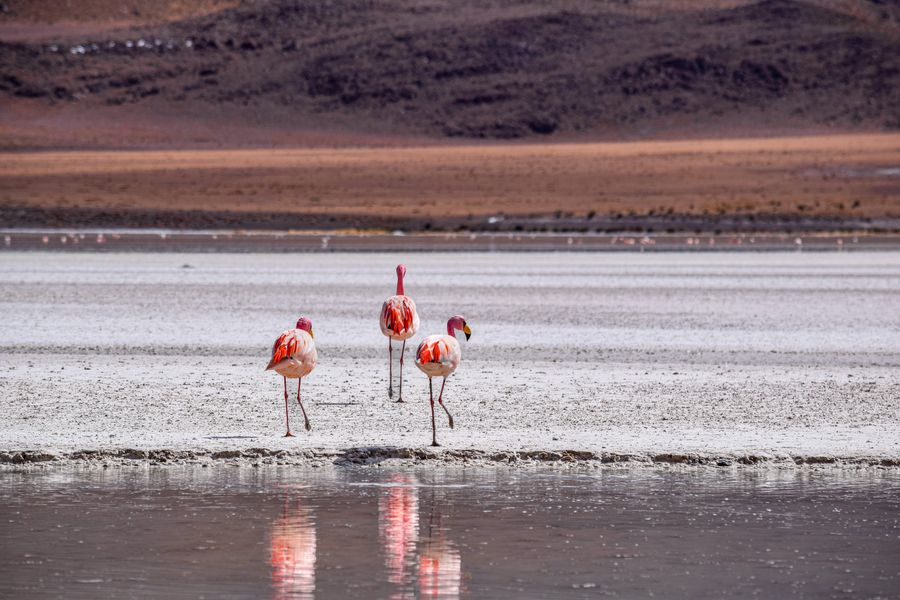
Salar de Coipasa is Bolivia's second-largest salt flat (2,218 km²) and one of the least-visited major natural sites in South America — fewer than 500 tourists per year. The island of Coipasa in the centre of the salar has Inca ruins and a 16th-century church. The salar's surface is softer than Uyuni's (not suitable for driving in rainy season) but the absolute silence and the complete absence of tourism infrastructure make it the opposite of the Uyuni experience. Flamingos are present year-round.
Parque Nacional Sajama
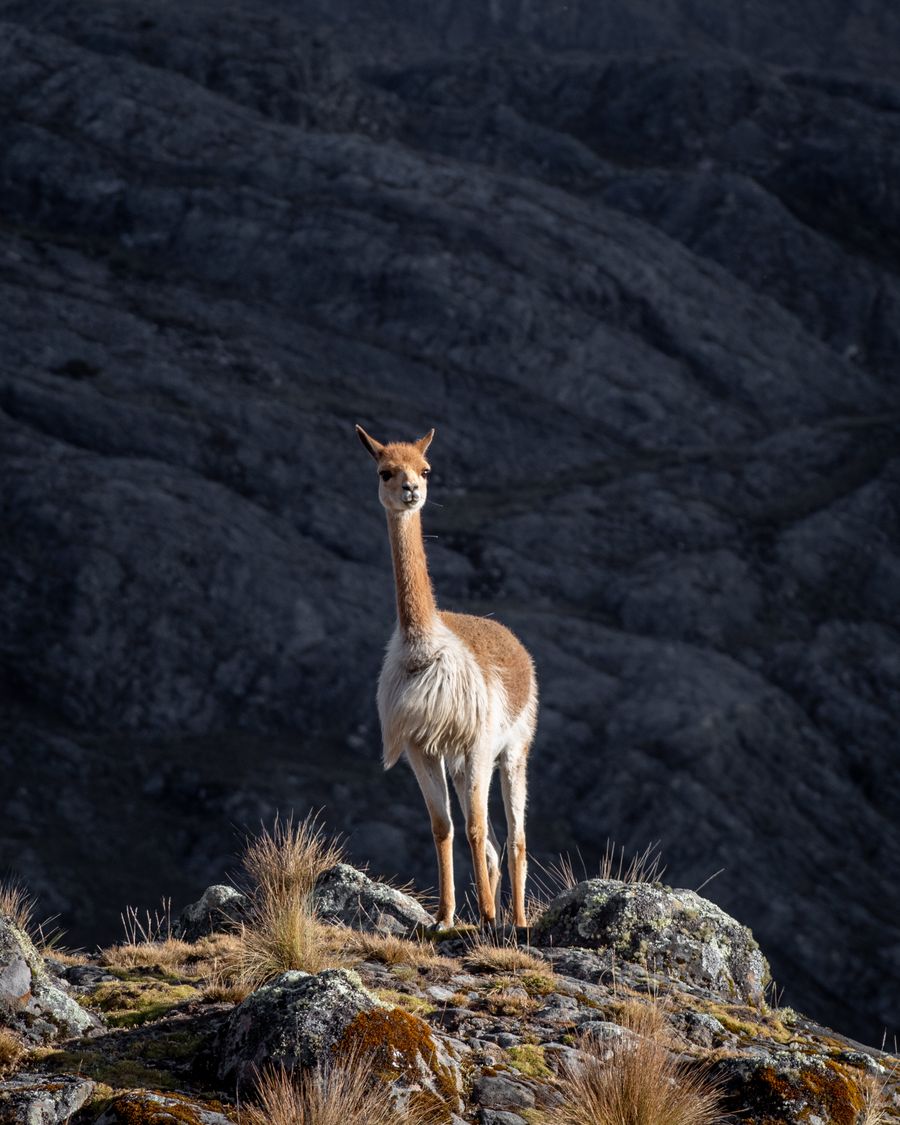
Sajama National Park contains Bolivia's highest peak — the Sajama volcano at 6,542m — and some of the most spectacular altiplano scenery in the country: snow-capped volcanic cones, thermal springs (Aguas Termales Sajama at 4,200m), dense stands of queñua trees (the world's highest forest at 5,000m), vast flocks of vicuñas, flamingos on saline lakes, and Andean condors. The village of Sajama at the base of the volcano offers community lodges and guides for trekking and climbing.
La Paz
Oruro sits at the midpoint of the altiplano highway between La Paz (3.5–4h north) and Potosí (3–4h south). Most Bolivia circuits use Oruro as a transit stop rather than a destination in itself — but the Carnaval changes that equation entirely. Outside Carnaval, a stop of 1 night in Oruro between La Paz and Uyuni (via Potosí) is the natural altiplano circuit. The Oruro–La Paz bus is one of the most frequent routes in Bolivia.
When to visit Oruro.
— Gallery
Bolivia in focus
Real photography from our routes. No stock images. Hover to explore.

The Carnaval
is waiting.
45 minutes. We design your Oruro and Bolivia itinerary with logistics, Carnaval tickets and a realistic budget.
$90 · €85 · Bs. 623