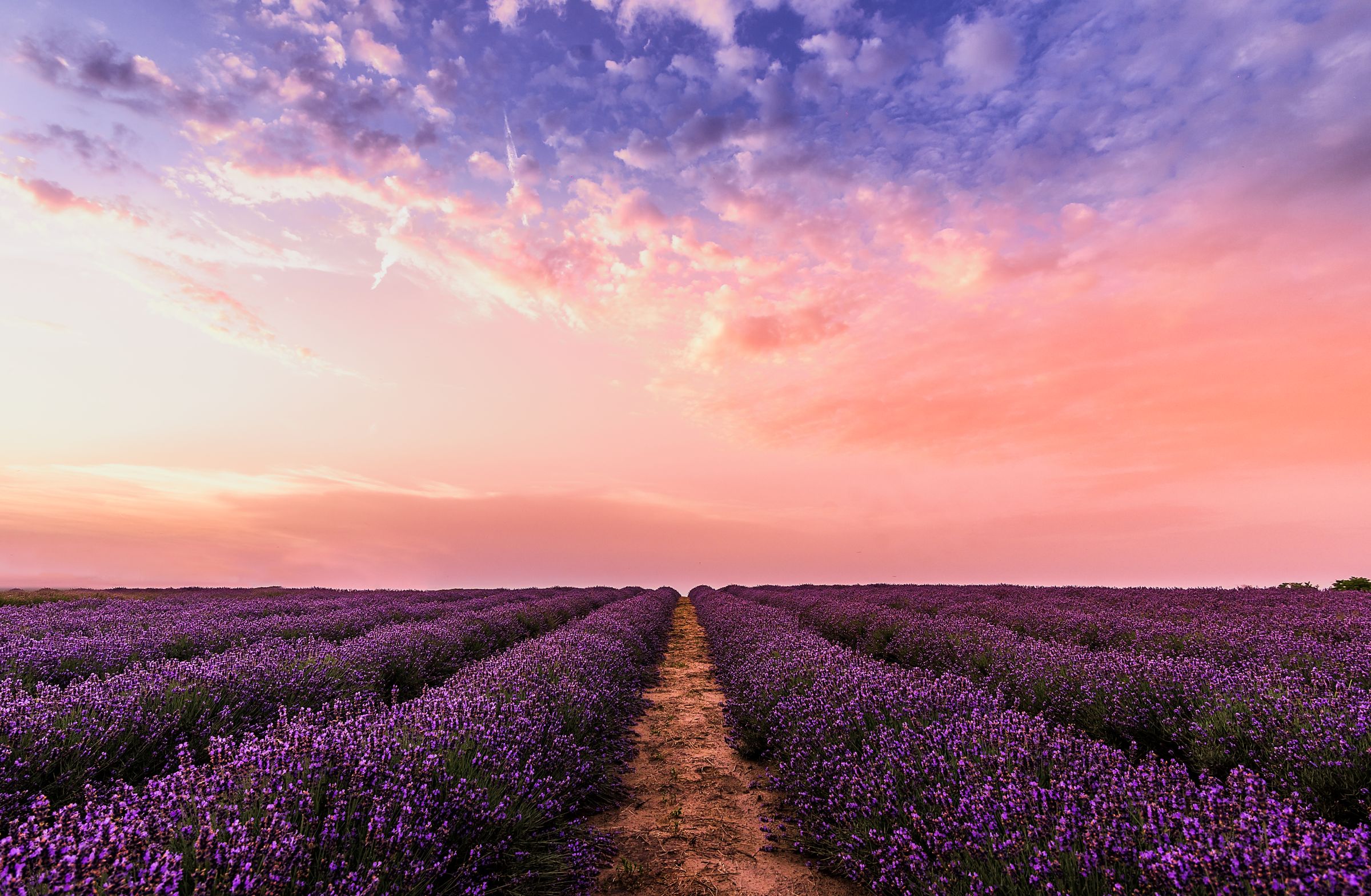

The Pantanal. Without tourists.
What is the Bolivian Pantanal?
The Pantanal is the world's largest tropical wetland, covering approximately 150,000 km² across Bolivia, Brazil and Paraguay. Otuquis National Park and AMNI protects 1,005,950 hectares of the Bolivian sector — the westernmost and highest-altitude portion of the Pantanal system. At its core is the Paraguay River basin, which floods seasonally to create a vast mosaic of open water, seasonally flooded grasslands, gallery forest and permanently dry islands called cordilheiras. The flooding cycle, driven by rains falling on the Brazilian Cerrado and Bolivian Chaco, determines everything: where animals concentrate, when birds nest, and when humans can navigate the waterways.
Wildlife of Otuquis National Park
Otuquis supports one of the highest concentrations of large mammals in South America. Jaguar populations are confirmed by camera trap programmes across the park — the wetland-forest edge is prime territory, and tracks appear at waterholes throughout dry season. Giant river otters (Pteronura brasiliensis) inhabit the main river channels; family groups of 5–8 individuals are regularly sighted. Marsh deer, the largest deer in South America, graze the flooded grasslands at dawn. Capybara, the world's largest rodent, are present in the hundreds. Black caiman reach up to 6 metres in the park's waterways — night boat excursions with spotlights produce sightings on virtually every trip. Giant anteaters, tapirs, giant armadillos and eight primate species complete the mammal list.
Birdwatching in Otuquis
The waterbird spectacle of Otuquis rivals the Venezuelan llanos and the Pantanal of Mato Grosso. Over 300 waterbird species use the park's wetlands: jabiru storks (the tallest flying bird in the Americas) nest colonially in the gallery forest; roseate spoonbills form pink clouds over the floodplains at dusk; wood storks, cocoi herons, capped herons and dozens of egret species concentrate wherever water levels are low enough to expose prey. The Pantanal kingfisher, the world's largest kingfisher, hunts the river channels. Sunbitterns, sungrebes, horned screamers and the extraordinary boat-billed heron are all found here. For dedicated birders, a 4-day boat expedition in dry season produces 150–200 species without leaving the waterways.
Why Otuquis is different from the Brazilian Pantanal
The Brazilian Pantanal, particularly the Transpantaneira road area in Mato Grosso, receives over one million visitors per year. The wildlife is habituated to vehicles and boats — encounters are easier but the wildness is partially manufactured. Otuquis receives fewer than 1,000 visitors annually. The animals here have not learned to ignore humans. A jaguar crossing a river channel 40 metres from the boat in Otuquis is a wild jaguar responding to a genuinely unfamiliar stimulus — the encounter has a different quality. This inaccessibility, which makes Otuquis challenging to visit, is also the source of its value. The park's remoteness is the guarantee of its ecological integrity.
Getting there and when to go.
How to get to Otuquis
- Step 1: Flight Santa Cruz → Puerto Suárez (~1h, BoA or Amaszonas, ~$70–120 USD) — recommended
- Alternative: bus Santa Cruz → Puerto Suárez (~4–5h by paved road)
- Step 2: From Puerto Suárez, your operator transfers you to the boat boarding point
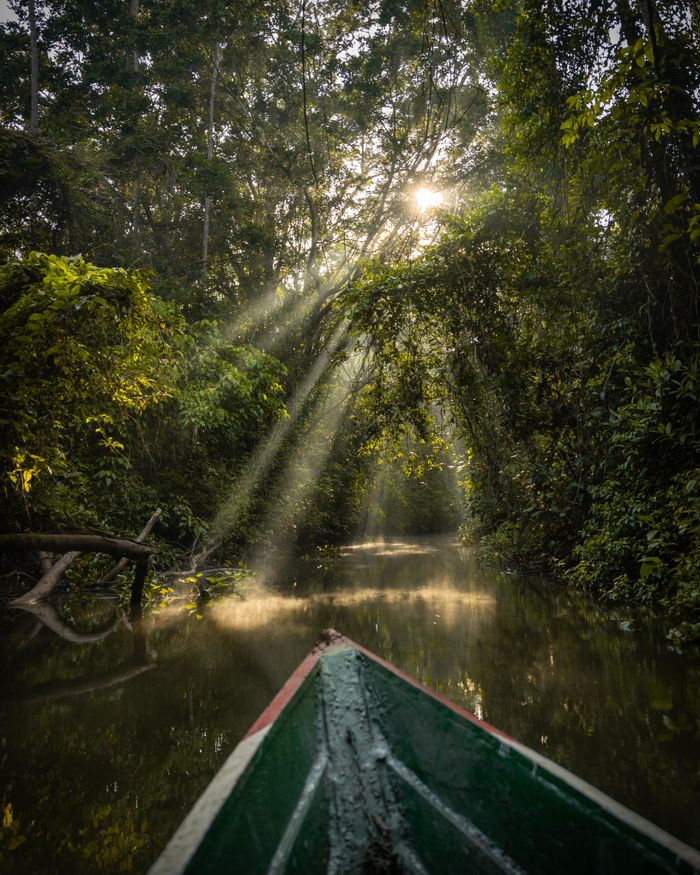
- Step 3: Boat into the park interior — 30 min to 3h depending on destination within the area
- No internal hotel infrastructure — camping or Puerto Suárez lodges
- All arranged with a specialist operator from Santa Cruz or Puerto Suárez
When to go and what to expect
- Dry season (May–October): river level drops, wildlife concentrates on rivers — best for sightings
- Wet season (November–April): vast flooding — many zones inaccessible but waterbirds explode
- 3 nights minimum to feel the Pantanal: dawn on boat, midday on land, night on boat with spotlight
- Black caiman sighting at night from the boat is near-guaranteed any season
- Jaguar requires patience — daily tracks, full sighting possible with 5–7 days
— Gallery
Bolivia in focus
Real photography from our routes. No stock images. Hover to explore.


The Pantanal without tourists.
Start here.
45 minutes. We design your Otuquis expedition with flight to Puerto Suárez, boat, specialist guides and full logistics.
$90 · €85 · Bs. 623