
Skip to content
Parque Nacional Tunari Bolivia — bosque nublado y páramo andino al norte de Cochabamba con oso andino de anteojos y cóndores, Cerro Tunari 5035m
oso-andino
— Spectacled bear · Condors · Cerro Tunari 5,035m · 20min from Cochabamba

Tunari National
Park, Bolivia.

Cloud forest and páramo with confirmed spectacled bear, 200+ bird species and condors — 15–20 minutes from central Cochabamba. Cerro Tunari (5,035m), the roof of the Bolivian central Andes.

Summit
Cerro Tunari 5,035m
From Cochabamba
15–20min
Spectacled bear
Confirmed populations
Birds
200+ species · condors
Ecosystem
Cloud forest + páramo
Access
No overnight needed for day activities
— How long do you need

Three options. One park.

Half day
  • Taxi/bus from Cochabamba to the park (15–20min)
  • Cloud forest trail (Tiquipaya entrance): 2–3h
  • Morning birdwatching · return to Cochabamba by midday

The minimum. The cloud forest starts close to the road — no intensive trekking needed for the cloud forest atmosphere and birdwatching.

Full day
  • Dawn at the park — best time for birds and spectacled bear
  • 4–6h trekking on the páramo trail to condor viewpoint
  • Picnic lunch in the park · return to Cochabamba in the afternoon

The standard itinerary. With a full day there is time for cloud forest + páramo ascent + condor viewpoint and a high probability of spotting large birds.

2 days (Cerro Tunari)
  • Day 1: Access to Tunari base camp (3,800–4,200m) · set up
  • Day 2: Ascent to Cerro Tunari (5,035m) · return to Cochabamba

For the Cerro Tunari summit (5,035m). Requires prior acclimatisation of at least 2–3 days in Cochabamba (2,550m). No technical climbing equipment needed — it is a high-altitude trekking route with poles. High physical demand.

— Things to do in Tunari National Park

Six reasons to leave central Cochabamba.

Bears, condors and cloud forest 20 minutes from the city. Bolivia's most accessible park — no logistics, no overnight, no excuses.

🐻
Cloud forest trails · dawn

Spectacled Bear Spotting

Bolivia's only bear species · confirmed Tunari populations

The spectacled bear (Tremarctos ornatus) — the only bear native to South America — has confirmed populations in Tunari National Park. The bears inhabit the cloud forest zone (2,800–3,500m) and the transition to páramo. Sighting probability is highest at dawn on the forest trails. Tunari is one of the most accessible sites in Bolivia to look for the species.

Local tip
Dawn is the highest-probability window for spectacled bear sightings — arrive at the Tiquipaya entrance by 5:30–6am. Silent movement on the forest trails is essential. The bears are most active in the fruiting season (March–June) when wild figs and bromeliads are abundant. Do not approach if you see a bear — observe from a distance of at least 50m.
🏔️
Two-day ascent from Cochabamba

Cerro Tunari 5,035m

Highest peak in the Bolivian central Andes west of the Amazon

Cerro Tunari (5,035m) is the highest peak in the Bolivian central Andes west of the Amazon basin — a major trekking objective. The ascent route starts from approximately 3,800m base camp (reachable by 4×4 from Cochabamba) and takes 4–6h to the summit. No technical climbing equipment is required — it is a challenging high-altitude trek on steep scree and grass slopes. Acclimatisation to 2,550m (Cochabamba) for 2–3 days minimum is essential.

Local tip
The summit route starts from the Llave Mayu area or the Vinto side — local guides from Cochabamba know both approaches. The views from the summit on a clear day extend to the Beni lowlands to the east and the altiplano to the west. Cerro Tunari is climbed year-round but dry season (May–August) is most reliable. Altitude sickness is a real risk if you ascend too fast from Cochabamba (2,550m) to the summit (5,035m) in a single push.
🦅
Cloud forest + páramo + water edges

Birdwatching · 200+ Species

Condors · hummingbirds · cloud forest endemics

Tunari National Park has been documented with over 200 bird species across its cloud forest, páramo and high-altitude lake habitats. Andean condors are regularly spotted on the thermals above the páramo. The cloud forest edge at 2,800–3,200m is the richest zone for endemic Andean bird species: hummingbirds, tanagers, flickers and several raptors. The Andean condor sighting from the park's upper ridge is one of the most reliable condor viewpoints near a major Bolivian city.

Local tip
For condors: reach the upper páramo ridge above 3,800m by 9–10am — the birds use the morning thermals for flight and are most visible at this time. For cloud forest birds: the Tiquipaya entrance forest trail between 6–9am is highest diversity. Bring binoculars and a field guide: Bolivia Birds or eBird has a checklist for Tunari NP. The hummingbird feeders at the Tiquipaya ranger station attract several species.
🌲
Tiquipaya entrance · 2,800–3,200m

Cloud Forest Trails

Bromeliads · mosses · queñua trees · cloud forest atmosphere

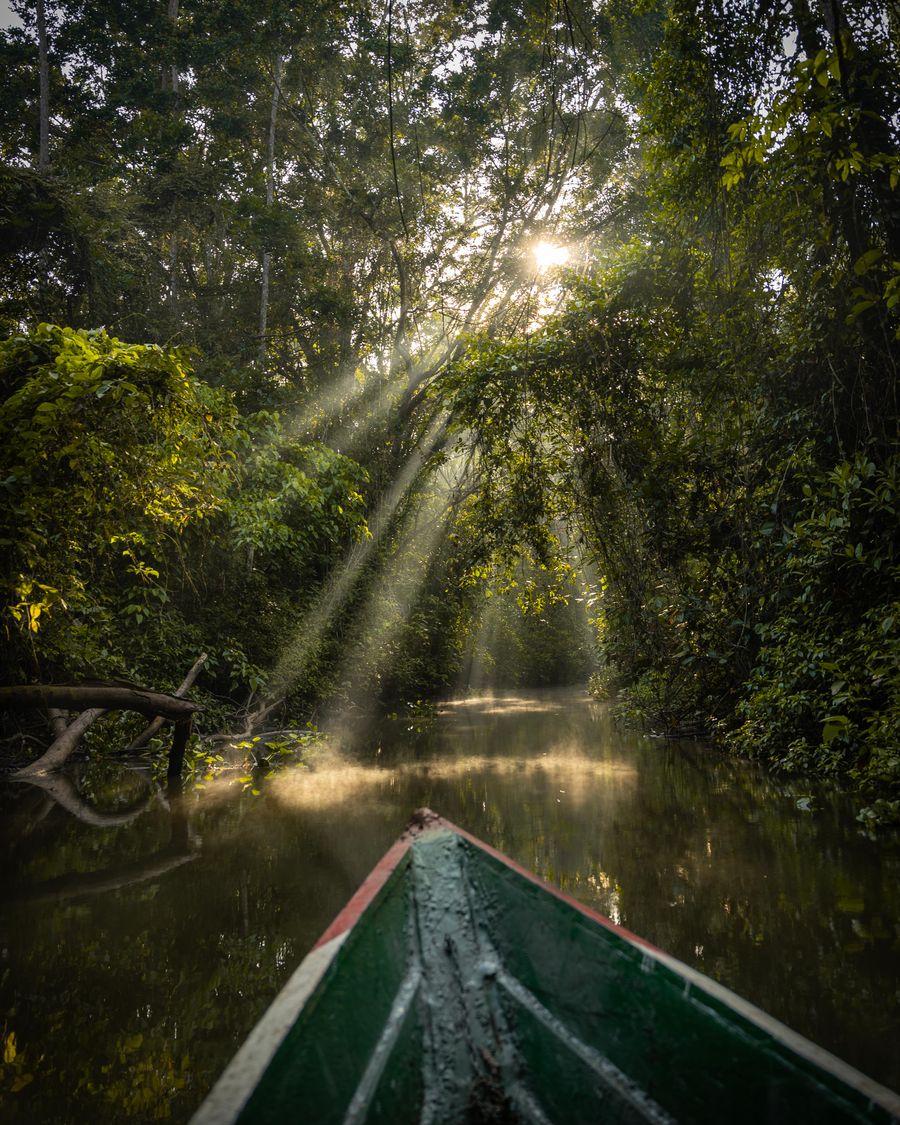
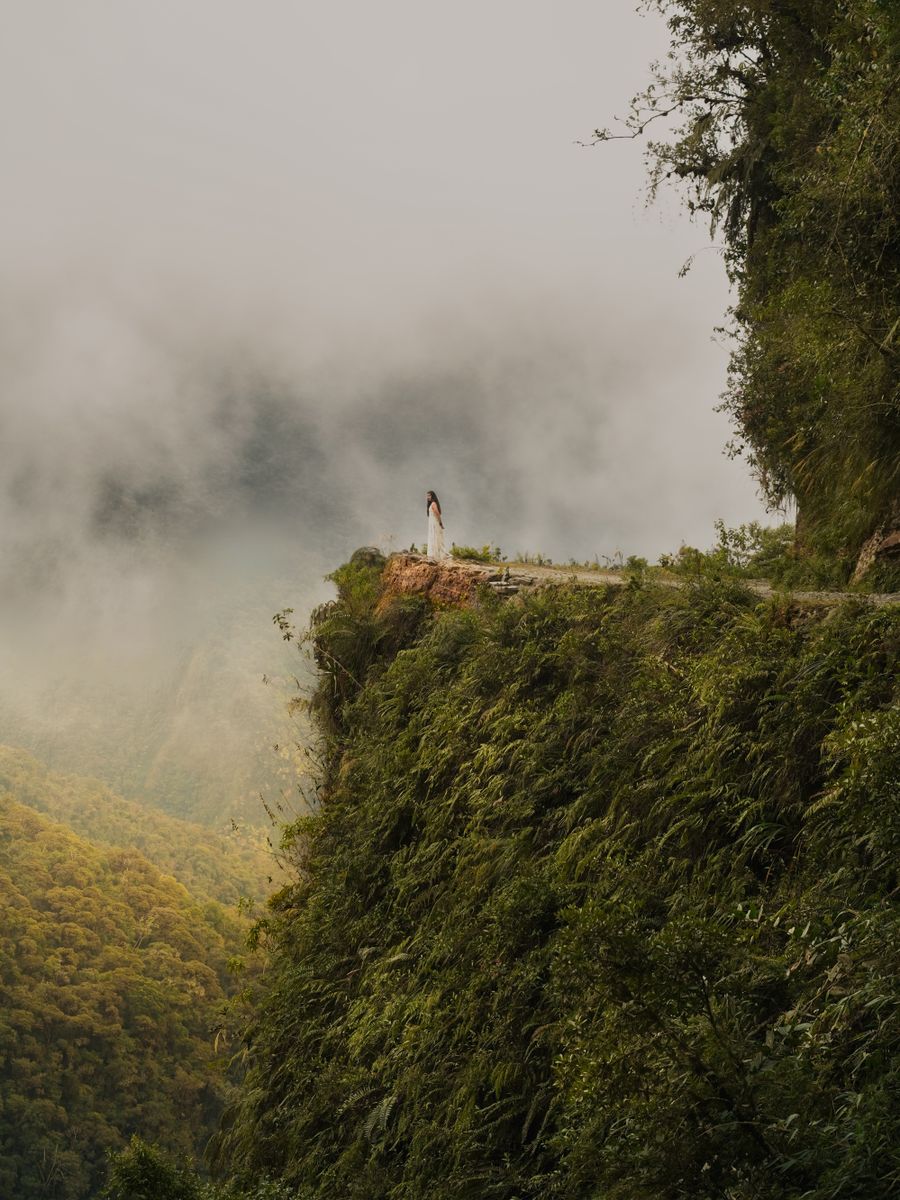
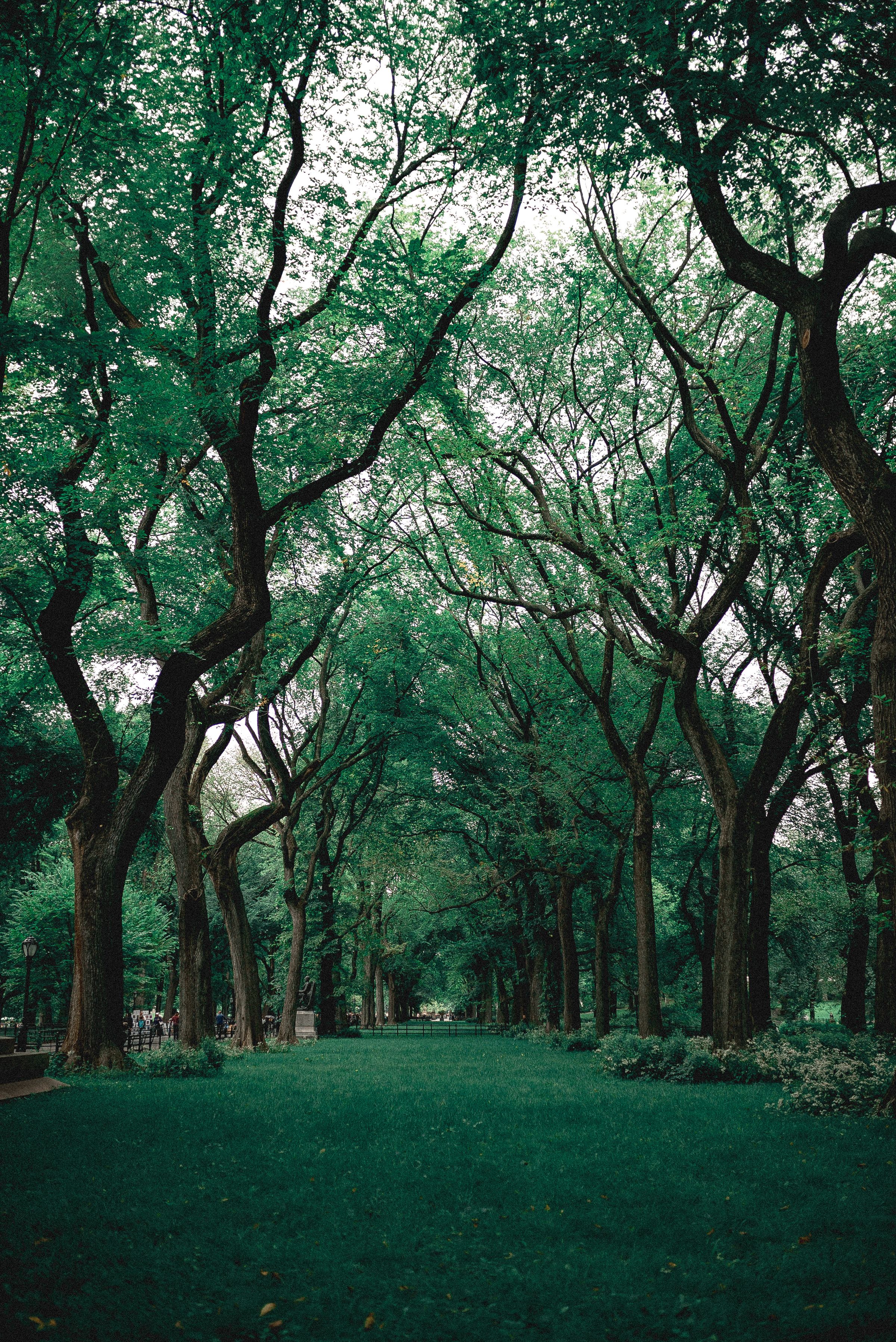
The cloud forest of Tunari — a transition zone between the dry Cochabamba valleys and the high páramo — is a microhabitat of extraordinary biodiversity. Queñua trees (Polylepis sp.) draped in mosses and bromeliads create a misty forest atmosphere that feels wildly different from the dry city below. The Tiquipaya entrance trail takes 2–3h for a return loop through the denser cloud forest sections.

Local tip
The cloud forest is best in the morning when the mist is heaviest and the light through the canopy is at its most atmospheric. Bring a waterproof layer even in dry season — the cloud forest creates its own moisture. The Polylepis (queñua) trees are one of the world's highest-altitude tree species; their twisted, papery-barked forms are distinctive. Look for the giant bromeliads (Puya) at the forest-páramo transition.
🌿
Above 3,500m · upper park trails

Páramo & High-Altitude Grasslands

High Andes grasslands · pumas · vicuñas · Andean fox

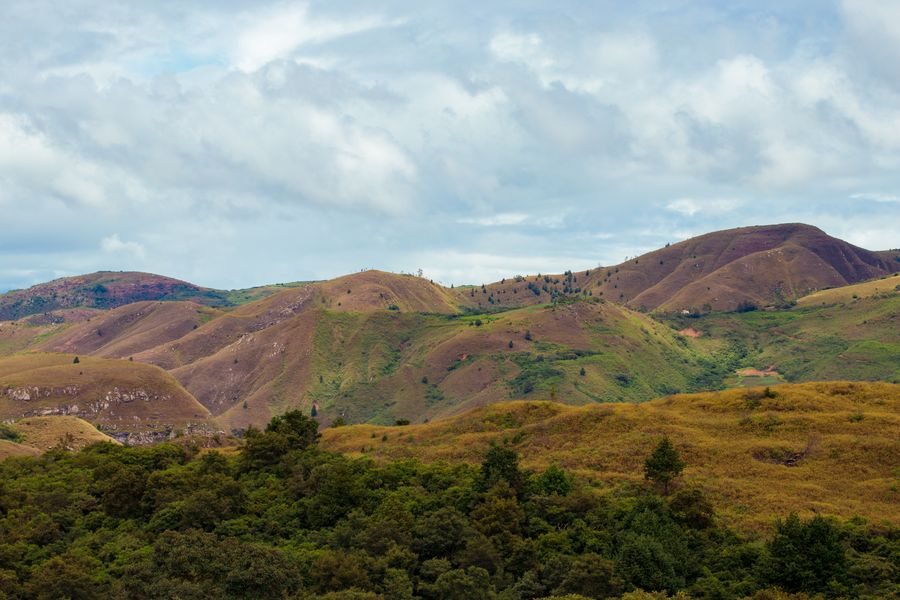
Above the cloud forest, Tunari transitions to páramo — the high-altitude grassland ecosystem of the tropical Andes. The páramo habitat supports pumas (low visibility), Andean fox (taruka), taruca deer and extensive birdlife. The scenery is more open and dramatic than the cloud forest below: wide views of the Cochabamba valley and the first views of Cerro Tunari from the upper trails.

Local tip
The páramo trail is most interesting with a pair of binoculars — the open landscape makes distant animals visible. The Andean fox is often seen at dawn and dusk on the páramo trails. Puma sightings are rare but tracks are found regularly. The grass species here include the distinctive ichu grass (Stipa ichu) used by Andean communities for thatch. Carry a hat and windproof layer — the páramo has strong afternoon wind.
📍
North of Cochabamba · Tiquipaya area

15 Minutes from Cochabamba

City + cloud forest in half a day · most accessible wilderness near a Bolivian city

Tunari National Park is the most accessible wilderness area near any major Bolivian city. The Tiquipaya entrance is 15–20 minutes by taxi or bus from Cochabamba's central plaza. This makes Tunari unique in Bolivia: no overnight, no complex logistics, no expensive tour — just a taxi to the park and a walk into cloud forest. The same day includes Cochabamba city's markets, restaurants and cultural sites.

Local tip
From Cochabamba's central plaza: take a trufi or taxi to Tiquipaya (Bs 10–20, 20 min). The entrance to the park is at the upper end of Tiquipaya. For the dawn birdwatching trip: hire a taxi the evening before for 5:30am pickup (Bs 50–80 return including 4h wait). The park entrance fee is minimal (Bs 10–20). No pre-booking needed for basic cloud forest visit.
— What makes Tunari National Park unique

Bear, cloud forest and 20 minutes away.

Six keys to understanding Tunari National Park — the ecology, accessibility and reasons this park is one of Bolivia's best kept secrets.

🐻
The spectacled bear — Bolivia's most threatened mammal
The spectacled bear (Tremarctos ornatus) is the only bear native to South America and the third smallest in the world. In Bolivia it is classified as Vulnerable (IUCN). Its range covers cloud forests and Andean yungas from Venezuela to Bolivia. Tunari is one of the few Bolivian national parks with confirmed and reasonably accessible populations for observation.
🌿
Cloud forest as a unique ecosystem
The Andean cloud forest (high-altitude yungas) is one of the world's most biodiverse and most threatened ecosystems. The permanent cloud layer enveloping the canopy creates constant humidity, favouring mosses, ferns, orchids and bromeliads on all surfaces. Tunari protects one of the last accessible cloud forest fragments in the Cochabamba department — most has been destroyed by agricultural expansion.
🏔️
Cerro Tunari and the central Andes
Cerro Tunari (5,035m) is the highest point of the Cordillera Tunari — the mountain massif separating the Cochabamba valley from the Chapare and the Beni lowlands. The ascent requires no technical climbing experience but does require acclimatisation and good physical fitness. From the summit, the view extends to the Andes as far as Illimani (La Paz) on clear days and the Beni lowlands to the northeast.
📊
Why Tunari has so many bird species
Tunari concentrates several altitudinal bands within a few kilometres — from the dry Cochabamba valley (2,550m) to Cerro Tunari (5,035m). This compressed altitudinal gradient produces a superposition of habitats: valley-floor birds, cloud forest birds, páramo birds and high-summit birds. 200+ species in under 30km of gradient is an extraordinary density of avian diversity.
🌱
Forest regeneration in Tunari
Tunari National Park was created in 1962 and has experienced significant forest regeneration in its core zones. Queñua (Polylepis) forests — extensively felled during the colonial period for fuel and construction — are recovering in protected areas. The park is a case study in Andean forest regeneration, although the pressure of Cochabamba's urban expansion on its boundaries remains a threat.
🔭
Astronomy from Cerro Tunari
The night sky from the summit and base camp areas of Cerro Tunari is exceptional — at 5,035m altitude, above much of the light pollution and atmospheric thickness. The Milky Way is visible to the naked eye on moonless nights. The Tunari base camp is developing as an amateur astronomy destination given its proximity to Cochabamba. The best period for night visibility is May–August (dry season, clear skies).
— From Tunari and Cochabamba

All on the same Cochabamba circuit.

Excursion
15–20min from park entrance

Cochabamba · Bolivia's Garden City

Bolivia's food capital · La Cancha market · 2,550m

Cochabamba (2,550m) is the base for Tunari and the most temperate of Bolivia's major cities. It is Bolivia's food capital: La Cancha market (one of South America's largest open-air markets), salteñas (Bolivia's best), chicharrón, silpancho, and the famous Cochabamba anticucho street food strip. The Cristo de la Concordia hilltop statue is larger than Rio's. Combine Tunari half-day with Cochabamba city afternoon.

Tip
La Cancha market is best in the morning. Cochabamba is flat and walkable at the centre. The Cochabamba valley is at 2,550m — acclimatisation to Cochabamba before going up to Tunari is beneficial if arriving from sea level. The city has Bolivia's best mid-range restaurant scene outside La Paz.
Excursion
130km east of Cochabamba · 3h

Inkallajta · Largest Kallanka in the Inca Empire

Inca fortress · 78m kallanka · Tupac Inca Yupanqui 1471–1493

Inkallajta is the most important Inca archaeological site in the Bolivian valleys — 130km east of Cochabamba via the valley route through Punata and Arani. The site contains the largest kallanka (Inca great hall) in the entire empire: 78m long. Inkallajta cannot be combined with Tunari in a single day — they are in opposite directions from Cochabamba. Plan: Day 1 Tunari (north), Day 2 Inkallajta (east).

Tip
Organise the Inkallajta visit through a Cochabamba tour operator — the site requires a guide for full interpretation. The road to Inkallajta passes through Punata and Arani, both interesting market towns. The roundtrip from Cochabamba takes a full day — depart by 6–7am.
Excursion
Central Cochabamba

La Cancha · Cochabamba Market

One of South America's largest open-air markets

La Cancha (literally "the yard") in central Cochabamba is one of the largest open-air markets in South America — operating every day of the week, with the biggest market days on Wednesdays and Saturdays. The market covers dozens of city blocks and sells everything: fresh produce, textiles, electronics, street food, live animals and handicrafts. It is the most vivid picture of Bolivian commercial life outside of La Paz's Witches' Market.

Tip
Arrive at La Cancha before 10am for the freshest produce and most active vendor streets. Navigate by smell and colour — the market has no map and is best explored freely. Bring only the cash you need: pickpocketing in crowded markets is a risk. The chicharrón stalls in the market serve the best fried pork in Bolivia — look for stalls with the longest queue.
Excursion
170km east of Cochabamba · 3h

Villa Tunari · Gateway to the Amazon

Entry point to the Chapare · Bolivia's Amazon lowlands · wildlife

Villa Tunari (300m) is the gateway to the Bolivian Amazon lowlands — a completely different ecosystem from Tunari NP. 3h east of Cochabamba, it sits at the edge of the Chapare jungle and is the entry point to TIPNIS (Isiboro Sécure National Park). The area has the most accessible jaguar habitat in Bolivia, pink river dolphins, giant river otters and Amazonian birdlife. Combine a 3–4 day trip: Tunari NP (Day 1–2) + Villa Tunari lowlands (Day 3–4).

Tip
Villa Tunari is 170km from Cochabamba on an excellent road through dramatic mountain descent. The Proyecto Machia wildlife centre near Villa Tunari rehabilitates jaguars, peccaries and primates — public visits are available. The Sierpe area (30min from Villa Tunari) has the best accessibility to pink river dolphin habitat. Combine only if you have 3–4 full days in Cochabamba.
— Travel logistics

Getting there and getting around.

🚌

How to get to Tunari National Park

  • Taxi from central Cochabamba to Tiquipaya: Bs 20–30, 15–20min
  • Trufi/minibus Cochabamba–Tiquipaya: Bs 3–5, 20–30min (slower but economical)
  • For north entrance (Vinto): taxi Bs 25–40, 25–30min from centre
  • For Cerro Tunari (base camp): 4×4 needed for the dirt track to 3,800m
  • No public transport into the park interior — only to Tiquipaya
  • Park entrance: Bs 10–20 · hours 6am–6pm
🚶

How to get around inside the park

  • Cloud forest trail (Tiquipaya entrance): marked, 2–3h circuit
  • Páramo trail: not always marked — GPS or local guide recommended for the interior
  • For Cerro Tunari: local guide essential + 2 days with overnight
  • Condor viewpoint (upper ridge): 4–6h from entrance, guide needed
  • No internal transport service — all on foot or private 4×4
  • Water: bring 2L minimum — no safe water sources on the trails
— Climate and seasons

When to visit Tunari Park.

Jan
Feb
Mar
Apr
May
Jun
Jul
Aug
Sep
Oct
Nov
Dec
May – August
Dry season — the best
Park trails are dry, skies are clear and Cerro Tunari views are sharp. Spectacled bear is easier to locate without dense foliage cover. The forest fruiting season coincides with the end of the wet season (March–May) but trails are better in May–August.
January – February
Rainy season — difficult for hiking
Rain makes páramo trails slippery and mist reduces visibility. The cloud forest is more brumous — atmospheric for photography but less comfortable for trekking. Spectacled bear sightings may be more likely during fruiting (January–March) although hiking conditions are worse.
March – April / September – October
Transition — good for wildlife
Rain decreases in March–April and September–October. The cloud forest is at its greenest and biodiversity is most active. Mild temperatures. A good balance between acceptable hiking conditions and maximum wildlife activity.
FAQ

Questions about Tunari National Park.

The 5 most common questions about Bolivia's most accessible national park near a major city.

Plan your trip with us →

Tunari National Park is a protected area covering 309,091 hectares north of Cochabamba city (2,550m), extending from 2,500m to 5,035m (Cerro Tunari). The park protects cloud forest, páramo and high-altitude grassland ecosystems and has confirmed populations of the spectacled bear (Bolivia's only bear species), condors, 200+ bird species, pumas, Andean fox and taruca deer. It is the most accessible national park near a major Bolivian city.

Spectacled bear sightings in Tunari are not guaranteed but are possible with a dawn visit and silent movement on the cloud forest trails. The species is most active at dawn and dusk. Fruiting seasons (March–June, when wild figs and bromeliads are in fruit) increase sighting probability. Local guides who know the park well increase your chances significantly. Signs of bear presence — claw marks on trees, seat of bromeliads eaten from the crown — are more commonly seen than the animal itself.

Tunari is 15–20 minutes from central Cochabamba. Tiquipaya entrance (main cloud forest access): taxi from Cochabamba centre Bs 20–30 (15–20min), or trufi/minibus Bs 3–5 (20–30min). The park entrance is at the upper end of Tiquipaya. For the dawn bird visit: arrange a taxi the evening before for 5:30am pickup (Bs 50–80 return with 3–4h wait). For Cerro Tunari base camp: 4×4 vehicle needed. Park entrance fee Bs 10–20. Hours 6am–6pm.

Tunari is unusual in Bolivia in that many of its best activities are accessible without overnight: cloud forest trail (2–3h circuit from Tiquipaya entrance), birdwatching at dawn (highest diversity 6–9am), flora photography (Polylepis forest, giant bromeliads, Puya), the lower páramo viewpoints (accessible in 3–4h return), and condor spotting on a full-day visit. Only the Cerro Tunari summit requires overnight (base camp at 3,800–4,200m).

For the cloud forest and birdwatching: half a day is sufficient to enter the park and experience the ecosystem. For a full birdwatching day with condor viewpoint: one full day. For the Cerro Tunari summit (5,035m): 2 days (Day 1: drive to base camp, Day 2: ascent and return). A Cochabamba-based itinerary combining Tunari (1 day) + Inkallajta (1 day) + Cochabamba city (1–2 days) = a strong 3–4 day base stay in one of Bolivia's best-positioned cities.

— Plan your Tunari & Bolivia trip

The cloud forest waits.
20 minutes away.

45 minutes. We design your Cochabamba, Tunari and Inkallajta itinerary with logistics, accommodation and a realistic budget.

$90 · €85 · Bs. 623

Book consultation → $90 · €85 · Bs. 623Cochabamba, base city →