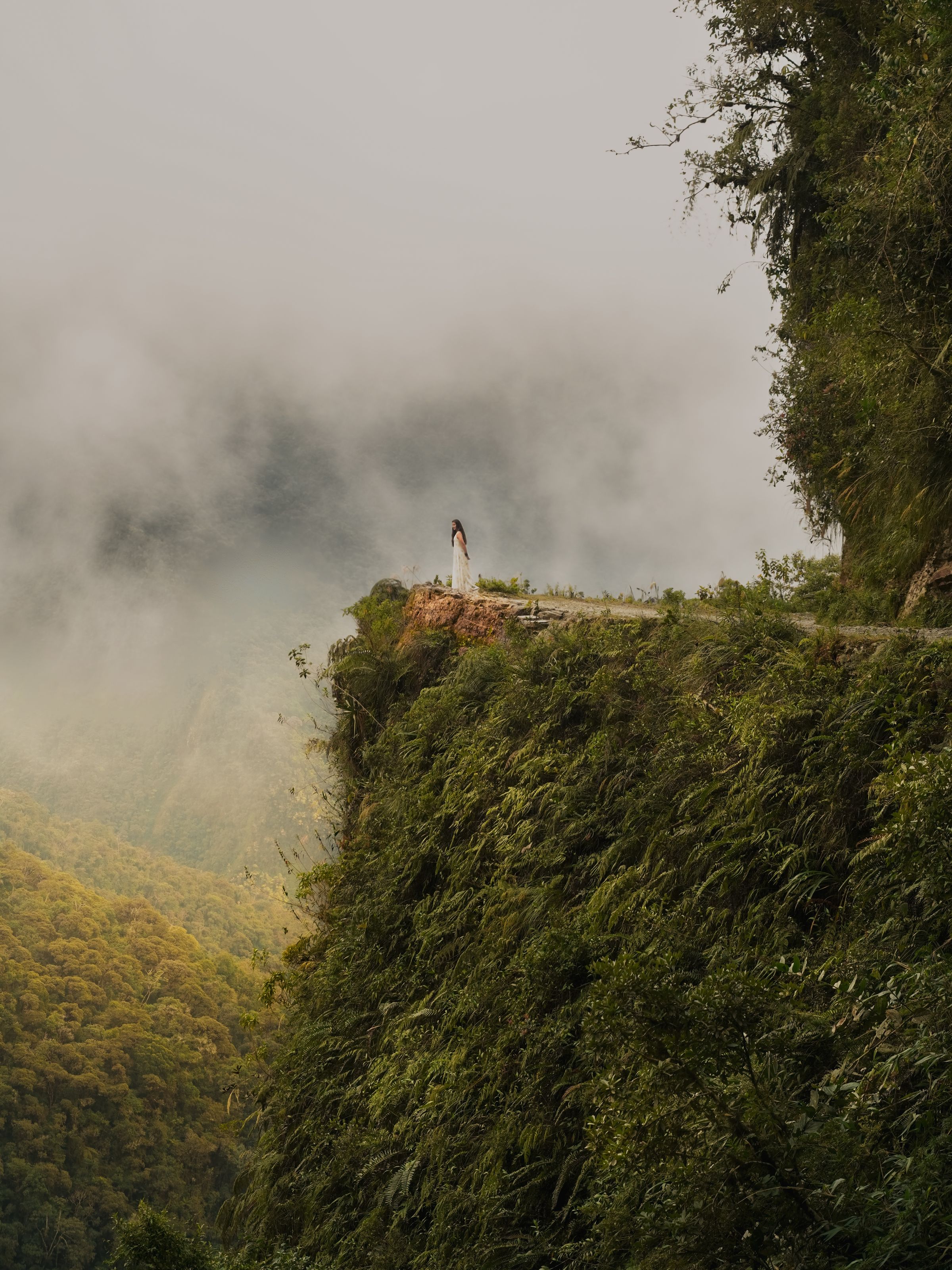

Condors at dawn, wine at sunset.
- Depart Tarija at 5:00am (15km, 20min by car)
- Arrive at north crags before sunrise — position for condors
- Condor spotting (5:30-8am): up to 15-20 condors on thermal currents
- Lake Tajzara: Andean flamingos and endemic ducks (30min)
- Return to Tarija before midday
The Sama half-day is the natural complement to an afternoon at Tarija's wineries (Kohlberg, Casa Real, Aranjuez). Condors at dawn and wine at sunset — the defining Tarija experience. It is the most popular excursion from the city and fits perfectly into half a day alongside a Cintis valley or winery visit.
- Dawn at north crags (5:30-8am) — condors taking flight
- Lake Tajzara (8:30-10am): flamingos, ducks, waterbirds
- Cloud forest trail (10:30am-1pm): transition 1,800m → 2,500m, Andean flora
- Field lunch with views over Tarija valley
- Afternoon: páramo sector (2,800-3,200m) — spectacled bear zone
- Return to Tarija at sunset — dinner at a winery
The full day covers all three reserve ecosystems: lower cloud forest (1,800-2,500m), transition zone (2,500-3,000m) and high-Andean páramo (3,000-4,500m). The cloud forest has the greatest flora diversity; the páramo is the spectacled bear zone. A local guide is essential for the full day.
- Day 1: Arrive Tarija — colonial city + central market + first winery tasting
- Day 2: Sama dawn (condors + Tajzara) + afternoon at Tarija wineries (Kohlberg, Aranjuez)
- Day 3: Valle de los Cintis (3h north): canyon vineyards + artisanal singani + colonial villages
The Tarija triangle: Tarija city (colonial culture, gastronomy), Sama Reserve (Andean wildlife, condors), Valle de los Cintis (Bolivia's most spectacular vineyards). The three destinations are entirely different in mood and experience. This 3-day itinerary is the most balanced and complete way to know southern Bolivia.
Condors, Lake Tajzara and cloud forest.
Three ecosystems in one reserve, 15 minutes from Bolivia's wine capital. The perfect plan: Andean wildlife at dawn, wineries at sunset.
Condor Spotting · North Crags
The Cordillera de Sama holds one of the most accessible Andean condor (Vultur gryphus) populations in Bolivia. The north-facing crags above Tarija are an established roosting and nesting site — condors spend the night on cliff ledges and launch on the first thermal currents at sunrise. The viewing window (5:30–8am) is reliable in dry season (May–October): arrive at the ridge viewpoints in darkness, position facing northeast, and watch the birds spiral upward as the thermals build. Groups of 5–20 birds are common in peak season.
Lake Tajzara · Ramsar Wetland
Lake Tajzara is a high-altitude wetland at 2,200m within the Cordillera de Sama Reserve, and the most significant Ramsar-listed wetland in southern Bolivia. The lake supports three flamingo species (Andean, James's, Chilean), resident and migratory waterbird communities (80+ species including Andean goose, puna ibis, Chilean coot and several endemic duck species), and a reed-bed ecosystem that shelters nesting waterbirds year-round. Tajzara is particularly important as a wintering ground for migratory shorebirds from Patagonia and the southern cone.
Cloud Forest Trail
The cloud forest of the Cordillera de Sama represents one of the most dramatic ecological transitions in Bolivia: from the arid wine-producing valley of Tarija (1,866m) to full Andean cloud forest (2,500m+) in just 15 horizontal kilometres. The cloud forest zone holds the highest plant diversity of the reserve — orchids, bromeliads, tree ferns and Andean tree species draped in moss and epiphytes. The bird diversity here is exceptional: the cloud forest is home to 120+ species including Rufous-throated dipper, Bolivian brushfinch, White-tailed leaf-tosser and multiple hummingbird species.
Spectacled Bear Zone
The Cordillera de Sama has a confirmed resident population of spectacled bears (Tremarctos ornatus), South America's only bear species. The bears use the high cloud forest and páramo transition zone (2,800–3,500m) as primary habitat, feeding on bromeliads, cacti fruit, corn and occasionally livestock (which creates conflict with local farmers). Spectacled bear sightings require multi-day camping in the high zone with a specialist tracker — they are not predictable on day visits. However, evidence of their presence (claw marks, hair on wire, digging signs) is commonly found by guides who know the area.
High-Andean Páramo · 4,000m+
Above 3,500m, the Cordillera de Sama opens into the high-Andean páramo — a vast puna grassland landscape of cushion plants, high-altitude wetlands (bofedales) and rocky outcrops that stretches to 4,500m+. This zone is the domain of puna birds: giant hummingbirds (Patagona gigas), Andean flicker, puna ibis and mountain caracara. On clear days, the views from the summit ridge look east over the entire Tarija department and west toward the altiplano horizon. The bofedales support rare high-altitude plant communities found nowhere else in the region.
Nature + Wine Combination
The Cordillera de Sama Reserve and Tarija's wine circuit are just 15km apart — a distance that makes their combination unique in South America. No other wine-producing region in the world offers Andean condors, a Ramsar wetland and spectacled bear habitat at walking distance from its vineyards. The typical combination: Sama dawn session (5am-10am, condors + lake) → return to Tarija hotel for breakfast → winery visits (11am-6pm, Kohlberg, Casa Real, Campos de Solana, Aranjuez). The afternoon wine circuit pairs naturally with the morning altitude experience.
Three ecosystems, one reserve.
From cloud forest and Lake Tajzara to the condor páramo. Why the Cordillera de Sama is southern Bolivia's most diverse natural area.
Tarija, Cintis and more.
Tarija City · 15km south
Tarija (1,866m) is the natural base for visiting the Cordillera de Sama Reserve — the city centre is just 15km south. Bolivia's wine capital has a well-preserved colonial centre (Plaza Luis de Fuentes, Casa Dorada), excellent gastronomy (chapanas, saice tarijeño, fried cheese), and a winery circuit within 15km of the city centre. The best wineries for visits: Kohlberg (10km, full bodega tour), Aranjuez (8km, boutique), Casa Real (city limits), Campos de Solana (12km). Tarija's airport (TJA) has daily connections to La Paz, Santa Cruz and Cochabamba.
Valle de los Cintis · 3h north
The Valle de los Cintis (130km north of Tarija, 3h on a winding road) is the most spectacular wine landscape in Bolivia and one of the most dramatic in South America: vineyards growing in deep Andean canyons at 2,000–2,500m, with terraced agriculture on near-vertical canyon walls. The artisanal singani producers of the Cintis valley (Rujero, Los Parrales) are considered the benchmark for high-quality singani. The valley is also home to colonial churches, traditional communities and the most intact rural landscape in the Tarija department.
Tariquía Reserve · 130km south
The Tariquía Flora and Fauna National Reserve (146,000 ha, 130km south of Tarija) is the protected area partner to Sama in the south: while Sama protects the northern cloud forest and altiplano, Tariquía protects the southern Tucumano-Boliviano forest — Bolivia's most intact example of this endemic forest type. Tariquía has confirmed jaguar populations, tapirs, peccaries and 370+ bird species. It is an off-the-beaten-track destination that requires planning but rewards with complete solitude and exceptional wildlife.
Bermejo · Subtropical border town · 180km south
Bermejo (180km south of Tarija, 3h on a paved road) is Bolivia's subtropical border town at just 400m elevation — a dramatic contrast to Tarija's wine valley. The town sits on the Bermejo river at the Argentine border, surrounded by subtropical vegetation, banana plantations, sugarcane fields and citrus orchards. The drive from Tarija to Bermejo (descending 1,400m in 180km) passes through the entire altitudinal transition of the Tarijeño mountains — a mini version of the full Sama elevational range in one road trip.
15 minutes from Tarija. The most accessible in the south.
How to get to Cordillera de Sama Reserve
- Base: Tarija city (airport TJA with flights from La Paz, Santa Cruz, Cochabamba)
- From Tarija to Sama: 15km north, 20-25min by car (road to Tomatitas)
- Taxi from Tarija: ~$15-20 round trip (negotiate with the driver to wait)
- Rental car: the most flexible option — no 4×4 needed for the lower zone and Lake Tajzara
- Public transport: bus to Tomatitas, then 30min walk to the reserve entrance
- Organised tour from Tarija: the easiest option if it includes a local guide for condors
At the reserve: what to know before you go
- Free entry — no ticket office or permanent rangers in all sectors
- No services inside the reserve: bring water, food, warm layers and basic first aid
- Local guide recommended (not required) for condor crags — exact roosting locations are not obvious without a guide
- For high zone (spectacled bear, páramo): specialist guide mandatory and 4×4
- Best start time: 5:00am from Tarija to reach the crags before sunrise (5:30am)
- Mobile signal: limited inside the reserve — download maps before entering
- Dry season (May-October): dry roads, clear skies, best for condors
May to September, the best time.
— Gallery
Bolivia in focus
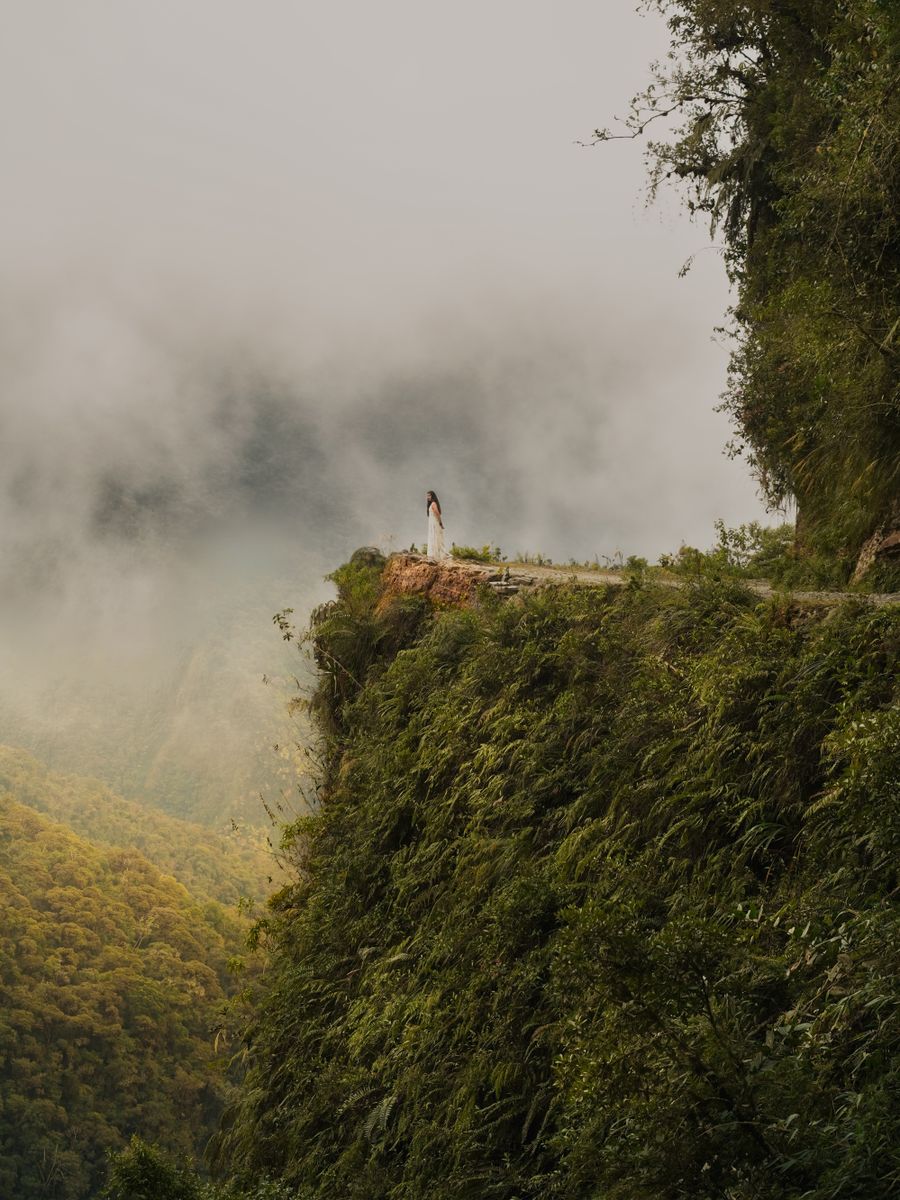
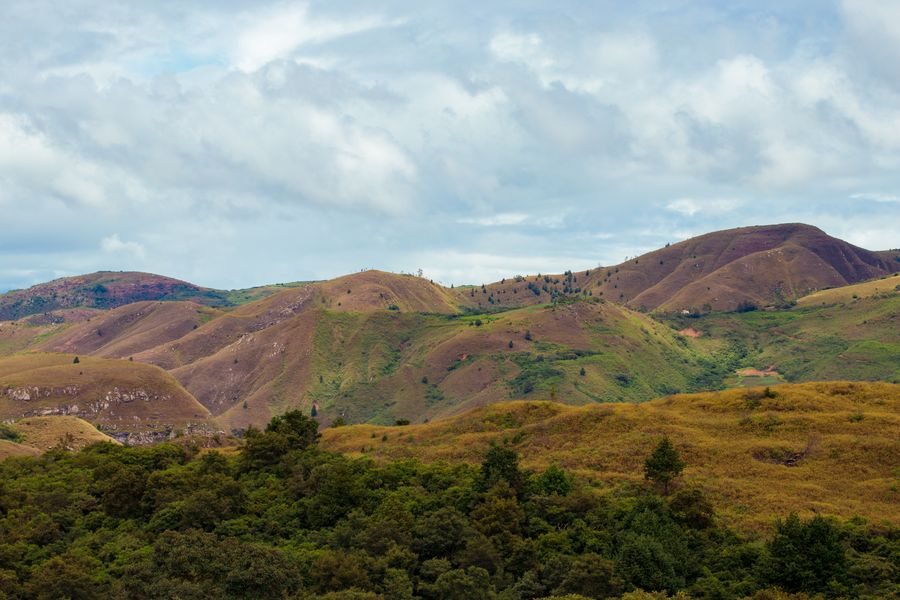
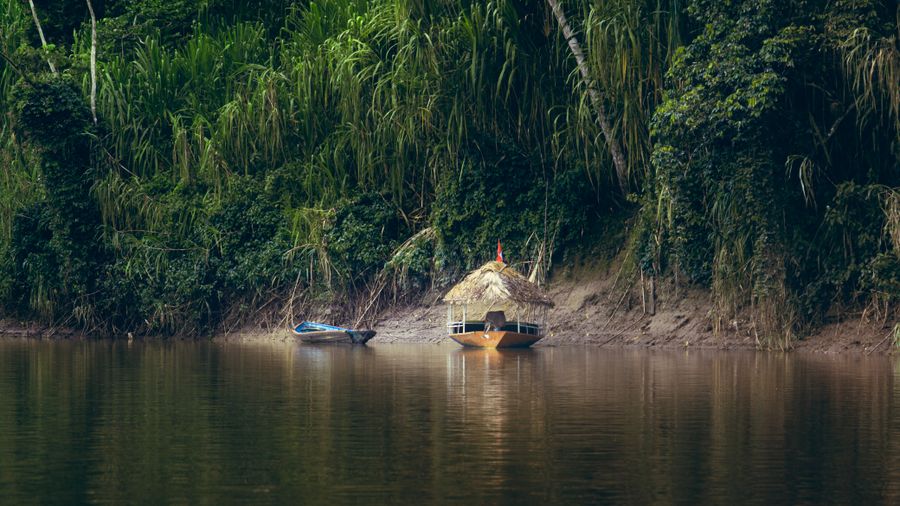
Real photography from our routes. No stock images. Hover to explore.
Questions about the reserve.
The 5 most common questions about the Cordillera de Sama Reserve — condors, Lake Tajzara, seasons and the combination with Tarija's wineries.
Plan your visit with us →Condors at dawn.
Wine at sunset.
45 minutes. We design your perfect Tarija day: dawn with condors at Sama Reserve with expert local guide, and afternoon at the best Tarijeño wineries.
$90 · €85 · Bs. 623