Skip to content
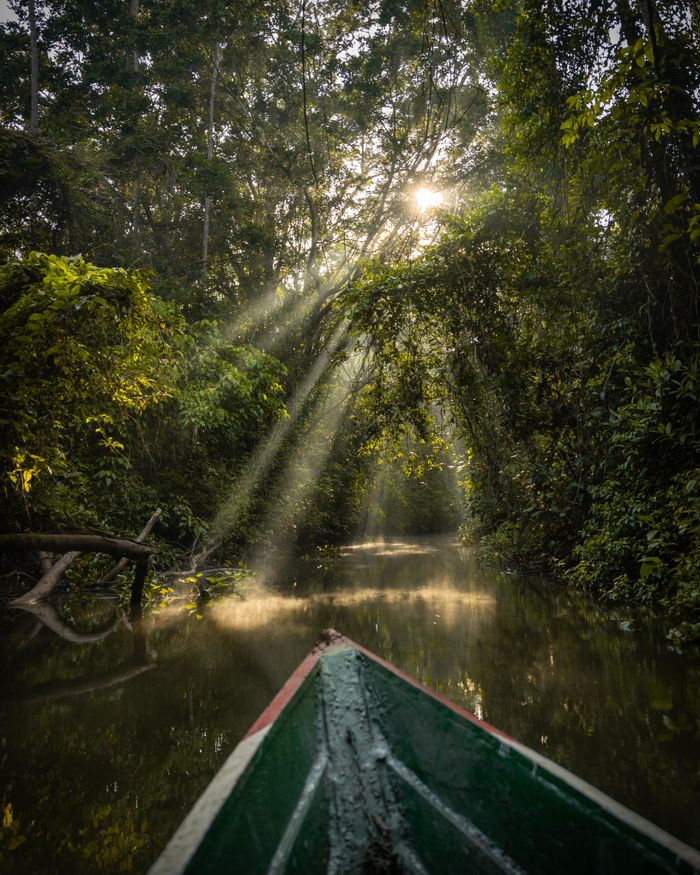
Bosque nublado Reserva Tariquía Tarija Bolivia — el ecosistema tucumano-boliviano más austral, hogar del oso de anteojos
— Ecosystem · Tucumano-Bolivian Forest500–2.750m

Reserva
de Tariquía,
Bolivia.

246,870 ha of cloud forest in southern Bolivia — the southernmost extension of the Tucumano-Bolivian Forest. The Andean bear. 550+ bird species. 700+ butterflies. The headwaters of the Río Bermejo. And 90 minutes from Bolivia's wine capital.

Area
246,870 ha
Altitude
500–2,750m
Birds
550+ species
Butterflies
700+ species
Best season
Apr–Oct
From Tarija
1.5–2h
— The secret forest of the south

Bolivia\'s most overlooked reserve.

Tariquía doesn't appear in standard travel guides. It has no Machu Picchu, no salt flat and no pink dolphins. What it has is a cloud forest of extraordinary biodiversity at the southern tip of Bolivia, less than two hours from Tarija, the wine city. It is one of the country's most important reserves and one of the least visited on the continent.

The reserve protects the southern limit of the Tucumano-Bolivian forest — the subtropical montane forest strip connecting the Amazon with northern Argentina. Above 1,800m, the forest becomes dense, cool and silent cloud forest. Below 800m, it gives way to thorny pre-Chaco.

This boundary position — between ecosystems, between countries — is exactly what makes Tariquía so special for naturalists and ornithologists. Andean, Amazonian and Chaco species overlap here in a biodiversity density that exceeds any other reserve in southern Bolivia.

🌡️
Mild climate year-round
Between 500 and 2,750m, the reserve has microclimates ranging from humid subtropical to cool Andean. The cloud forest zones at 1,200–2,200m are the richest in wildlife and the coolest (15–22°C).
💧
The cradle of the Río Bermejo
The Bermejo's headwaters — which irrigate northeast Argentina before joining the Paraguay — originate inside the reserve. Tariquía is one of the most critical water catchment zones in southern Bolivia and northern Argentina.
🦋
700+ butterflies
One of southern Bolivia's largest butterfly inventories. The forest-Chaco transition zone is especially rich in Nymphalidae and Papilionidae — including several species of blue morpho.
🌿
Exceptional botany
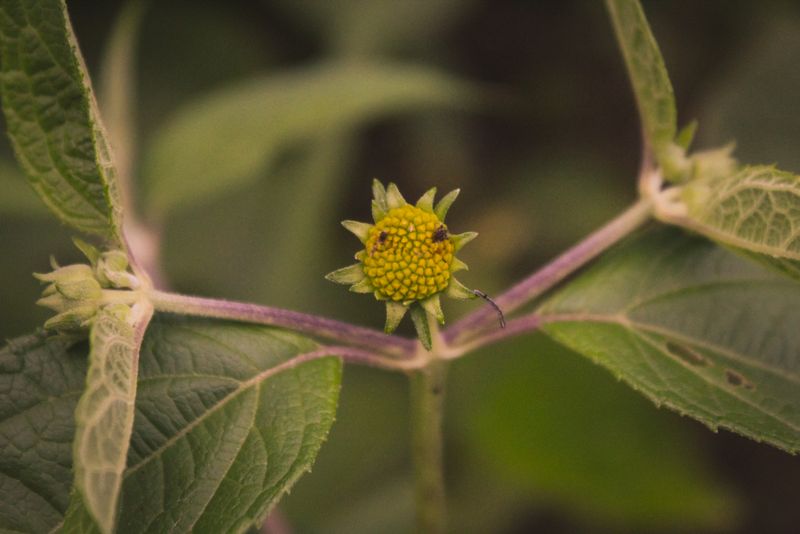
Over 500 endemic plant species of the Tucumano-Bolivian forest. The cedars, walnuts, laurels and tree ferns of the ravines form a canopy of enormous scientific and visual value.
— Tariquía wildlife

The Andean bear lives here.

🐻
Andean bear sighting: Rarely seen directly — the Andean bear is elusive and mainly nocturnal. What is frequently found on guided walks: mud tracks (paws up to 18cm), claw marks on trees (often cedars and palms) and feeding signs on embankments and bromeliads. A local guide knows the most active trails. Dawn in the ravines at 1,200–1,800m is the most likely __win.
🐻
Andean bear
Tremarctos ornatus — South America's only bear. Vulnerable (IUCN). Significant population in Tariquía.
🐆
Puma
Apex predator of the southern cloud forest. Elusive but present throughout the reserve.
🦌
Taruca
Hippocamelus antisensis — Andean deer, also called north Andean huemul. Present in highland zones.
🐗
Collared peccary
In small groups in the forest-Chaco transition zones below 900m.
🦦
Neotropical river otter
Lontra longicaudis — in streams and rivers, especially the Río Camblaya.
🦜
Tucuman chachalaca
Penelope dabbenei — threatened Tucumano forest species. One of the reserve's flagship birds.
🦋
Blue morpho (700+ sp.)
Several blue morpho species, especially in humid ravines at 800–1,400m.
🐍
Boa constrictor
Present in lowland and transition zones. Indicator of low-impact ecosystems.
— 550+ recorded bird species

Birds from three ecosystems.

Tariquía's position at the intersection of Andean, Tucumano and pre-Chaco forests produces exceptional bird diversity. Click each card to see where and how to find it.

🦜Vulnerable
Tucuman Chachalaca
Penelope dabbenei
Forest interior, 800–1,500m
🐦Near Threatened
Bolivian Blackbird
Oreopsar bolivianus
Cloud forest edges, 1,500–2,200m
🦅Vulnerable
Andean Condor
Vultur gryphus
High ridges, 1,800–2,750m
🦢Least Concern
Bare-faced Ibis
Phimosus infuscatus
Wetlands and river margins
🐦Least Concern
Cliff Flycatcher
Hirundinea ferruginea
Rocky outcrops, 1,000–2,000m
🦜See above
Red-faced Guan
Penelope dabbenei
Dense cloud forest
🔭
Birding tip: Best hours are 5:30–9:00am. Humid ravines between 1,000 and 1,600m are the richest zones. A local expert birding guide completely transforms the experience — Tariquía's species lists are little-known and local guides work with eBird and Cornell Lab. Bring 8×42 binoculars minimum.
— The perfect southern circuit

Bolivian wine + cloud forest.

Tarija is Bolivia's wine and singani capital. Tariquía is 1.5 hours south. Combined in 4 days, they form one of Bolivia's most distinctive circuits — and one of the least known internationally.

Day 1
Arrive Tarija + winery tour
Fly from La Paz or Santa Cruz (1h). Check in Tarija city. Afternoon: visit Campos de Solana or Kohlberg (tasting included). Dinner at a Tarija restaurant with the new harvest wine.
Day 2
Tariquía — cloud forest
Early departure to the reserve (1.5h drive). Guided walk through cloud forest ravines (5–6h): birds, butterflies and Andean bear signs. Lunch in the field. Return to Tarija at dusk.
Day 3
Tariquía — high trail + condor
Second day in the reserve: ascend the upper slopes (1,800–2,200m) for Andean condor search and cold cloud forest birds. Best Andean bear probability is at dawn at these altitudes.
Day 4
Tarija + Tariquía circuit
Morning: Tarija central market and singani shopping. Afternoon: optional second winery visit. Depart. The Tarija + Tariquía circuit is unique in Bolivia — altitude wine and cloud forest biodiversity in 4 days.
— When to visit

The forest in dry season.

Jan
Feb
Mar
Apr
May
Jun
Jul
Aug
Sep
Oct
Nov
Dec
🌿May–Sep
Dry season — ideal conditions
Dry and safe trails, comfortable temperatures (15–25°C in cloud forest), exceptional birdwatching. Wildlife is more visible as vegetation thins. The Andean condor is more frequent in July.
🌺Mar–Apr
Flowering and butterflies
March's last rains and early autumn in April produce a vegetation and butterfly explosion. The forest is at its densest and greenest. Trails may be slightly slippery but the botanical spectacle is unique.
🍇Oct–Dec
Grape harvest in Tarija
The grape harvest in Tarija vineyards (October–December) coincides with the start of the rain season. Pairs perfectly with Tariquía before the heavy January rains.
🌧️Jan–Feb
Heavy rain — with caution
January–February rainfall makes trails slippery, activates leeches and can cut the access road. Some reserve sectors become inaccessible. Not recommended except with an expert guide and appropriate gear.
— Getting there

The gateway is Tarija.

✈️Recommended
Flight to Tarija + car

Tarija Airport (TJA) receives direct flights from La Paz (1h, ~$80–120 USD) and Santa Cruz (1h, ~$70–110 USD). From Tarija city, Tariquía is 90km south (1.5–2h by road, paved to Padcaya then unpaved track). Best option: hire a guide with vehicle from Tarija.

Book the flight 3–5 days ahead. The flight + local guide combination is the most comfortable and guarantees access to the best trails.
🚌Alternative
Bus La Paz or SCZ → Tarija

Overnight buses from La Paz (10–12h, ~$15–20 USD) and Santa Cruz (14–16h). The Tarija airport makes more sense for most visitors. From Tarija, local minibuses reach Padcaya (45km, 1h); from there a 4×4 or guide with vehicle is needed for the final 45km to the reserve.

Bus recommended only if coming from nearby destinations (Potosí, Villazón/Argentina) or for maximum budget travel.
🇦🇷From Argentina
From Jujuy or Salta via Yacuiba

Travellers from northwest Argentina can enter via Yacuiba (Santa Cruz/Tarija border) or Villazón (La Quiaca, Jujuy). From Villazón, Tarija is 3–4h on a paved road. Tariquía is a natural extension of a northwest Argentina itinerary.

The reserve protects watersheds shared with Argentina — many Argentine researchers and naturalists visit regularly from Jujuy and Salta.
— Nearby destinations

Tariquía as your southern base.

1.5–2h northWine & singani capital
Tarija
Bolivia's wine capital — 1,900m vineyards
Fly from La Paz or Santa Cruz (1h). Wine circuit: Kohlberg, Campos de Solana, Casa Real. Singani at every restaurant.
Full guide →
6–7h north (via Tarija + SCZ)UNESCO 1998 · 830 birds
Samaipata & Amboró
Pre-Inca ruins + Bolivia's most biodiverse park
The northern extension of the same Tucumano-Bolivian forest belt. 830 bird species in Amboró vs 550 in Tariquía — complement each other.
Full guide →
3h east by roadFishing festival · Chaco
Villamontes & Río Pilcomayo
Bolivia's fishing capital + Chaco wildlife
Continue east from Tarija toward the Chaco. Villamontes is the gateway to the Gran Chaco ecosystem and the Fiesta del Pescado.
Full guide →
— FAQ

Frequently asked questions.

Still wondering? Write to us — we answer every question personally.

Get in touch →

The Tariquía Flora and Fauna National Reserve (RNFF Tariquía) is a 246,870-hectare protected area in southern Tarija department, Bolivia. It protects the southernmost extension of the Tucumano-Bolivian cloud forest at 500–2,750m — a subtropical montane forest transition zone between the Andes and the Chaco lowlands. It holds the Andean bear, puma, 550+ bird species and 700+ butterfly species. The headwaters of the Río Bermejo originate inside the reserve.

Yes. The Andean bear (Tremarctos ornatus — South America's only bear, IUCN Vulnerable) is present throughout Tariquía. Sightings are rare — bears are shy and nocturnal — but evidence is found regularly: mud tracks (paws up to 18cm), claw marks on cedars and palms, feeding signs on bromeliads. Dawn walks in the ravines at 1,200–1,800m with a local guide offer the best chance.

Tariquía holds 550+ bird species including many endemic to the Tucumano-Bolivian forest zone: Tucuman chachalaca (Penelope dabbenei — Vulnerable), Bolivian blackbird (Oreopsar bolivianus — endemic, Near Threatened), Andean condor, bare-faced ibis, cliff flycatcher, and numerous tanagers and hummingbirds. The reserve's position at the intersection of three avifaunal zones produces exceptional diversity. Best birding: 5:30–9am, humid ravines at 1,000–1,600m.

Fly to Tarija Airport (TJA) from La Paz or Santa Cruz (1 hour, ~$70–120 USD one way). From Tarija city, Tariquía is 90km south (1.5–2h): paved to Padcaya (45km) then unpaved track. A 4×4 and local guide with vehicle are recommended for the access track. Basic accommodation is available in Padcaya and Chaguaya, or return to Tarija for the night.

Yes — and this combination is unique in Bolivia. The wine route (Kohlberg, Campos de Solana, Casa Real wineries) is 10–30 minutes from Tarija city in the Valle de la Concepción and Cinti. Tariquía is 1.5–2 hours south. A 3–4 day circuit covering both is the classic Tarija itinerary: wine tour day 1, cloud forest days 2–3. It is the only place in Bolivia where world-class altitude wine and cloud forest biodiversity are this close together.

April to October (dry season) is best: dry trails, comfortable temperatures (15–25°C at cloud forest level), peak birdwatching, best wildlife visibility. March–April after the rains is spectacular for butterflies and lush vegetation. October–December works well combined with the Tarija harvest season (vendimia). January–February brings heavy rain, leeches and slippery trails — not recommended.

The Tucumano-Bolivian forest (Bosque Tucumano-Boliviano) is a subtropical montane forest ecosystem covering the Andean foothills of Santa Cruz, Cochabamba and Tarija at 1,500–3,200m. It is one of South America's most biodiverse transition zones, where Amazon, Andes and dry valleys converge. The Tariquía Reserve protects the southernmost (and therefore most isolated) section. Bolivia's Amboró National Park protects the northern section.

Tariquía holds 700+ butterfly species — one of the highest concentrations in southern Bolivia. The forest-Chaco transition zone is rich in Nymphalidae (including blue morpho species), Papilionidae (swallowtails), Hesperiidae (skippers) and Pieridae. The humid ravines at 900–1,500m are the richest zones. Peak butterfly season: March–April (after rains) and October–November. A local entomologist guide significantly increases the species count.

— Plan your Tarija trip

The bear is
in the forest.

45 minutes. We design your Tarija + Tariquía circuit: Bolivian wine, cloud forest and Andean bear in 4 days.

$90 · €85 · Bs. 623

Book a consultation → $90Tucumano Forest →