Skip to content
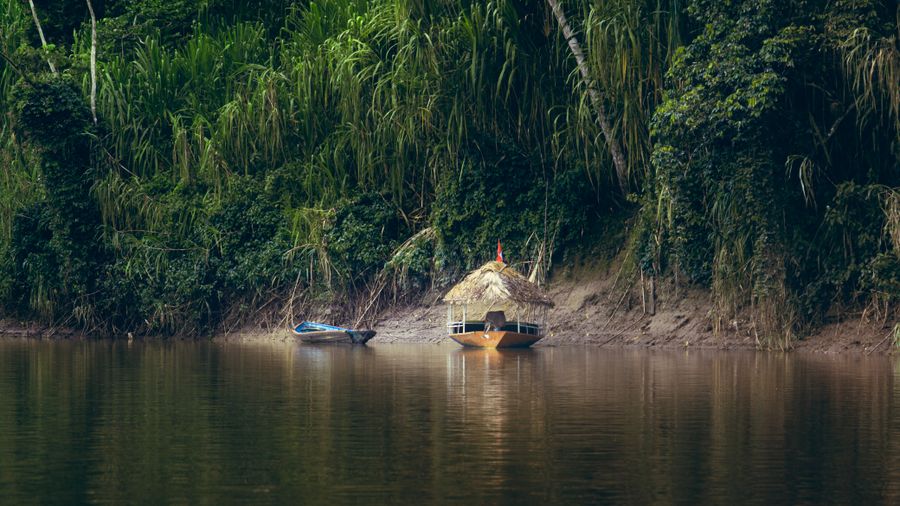
Día de lluvia en la comunidad Santo Corazón, ANMI San Matías — Pantanal boliviano en la frontera con Brasil, Santa Cruz
caiman
— Bolivian Pantanal · ANMI San Matías · Brazil border170m

San Matías,
Bolivia.

The Bolivian Pantanal. ANMI San Matías — 2.9 million hectares. Giant otters, black caimans and 600+ birds on the Brazil border. Bolivia's wildest destination.

ANMI San Matías
2,918,500 ha
From Santa Cruz
830km · charter 2h
Giant otters
90% sighting rate
Caimans
hundreds/km of bank
Confirmed birds
600+ species
Border with
Brazil (Iténez River)
— How long do you need

Three expeditions. One Pantanal.

5 days
  • Days 1–2: Transfer from Santa Cruz (charter or 4×4) + ANMI arrival
  • Days 3–4: Pantanal by canoe — giant otters, caimans, jabiru, anacondas
  • Day 5: Return to Santa Cruz

The minimum viable to justify the logistical effort. The distance requires at least 4 nights on the ground.

7 days
  • Days 1–2: Transfer and arrival + orientation and first canoe excursion
  • Days 3–4: Laguna La Gaiba — otters, night caimans, water birds
  • Days 5–6: Gallery forest — anacondas, trails, camera traps
  • Day 7: Return to Santa Cruz

The standard itinerary. Combines open Pantanal with the gallery forest transition ecosystems.

10 days
  • Days 1–2: Transfer and arrival
  • Days 3–5: Laguna La Gaiba + Río Iténez (canoe, otters, caimans, birds)
  • Days 6–7: Santo Corazón — local community + Chiquitano transitional forest
  • Days 8–9: Intensive birding — 600+ species, specialist guide
  • Day 10: Return

The full expedition. For serious birdwatchers and wildlife enthusiasts who want the ANMI in depth.

— Things to do in San Matías & the Bolivian Pantanal

Six wild experiences.

The Bolivian Pantanal is Bolivia's most intense wildlife destination. No shortcuts — just canoe, patience and the best guide you can find.

🦦
Canals and lakes · ANMI San Matías

Giant River Otters

Highest density giant otter population in South America

Giant river otters (Pteronura brasiliensis) live in family groups of 4–8 individuals that hold territories in gallery forest channels. They are intensely vocal and curious — a family will surface to investigate any canoe that enters their territory, approaching within 3–5 metres. The 90% sighting rate in San Matías's protected waterways is among the highest for this species anywhere on earth. Each family has a distinct call pattern — experienced guides can identify individual groups by sound.

Local tip
First light (5:30–7am) is the most active period — otter families patrol their territory as they wake. River channels connecting the main lagoon system are the most reliable spots. Approach slowly and cut the motor 200m upstream — they hear engines. Once they see you they will typically surface repeatedly for 15–30 minutes.
🐊
All waterways · dawn and dusk

Black Caimans

Hundreds per kilometre of riverbank · Bolivia's largest reptile

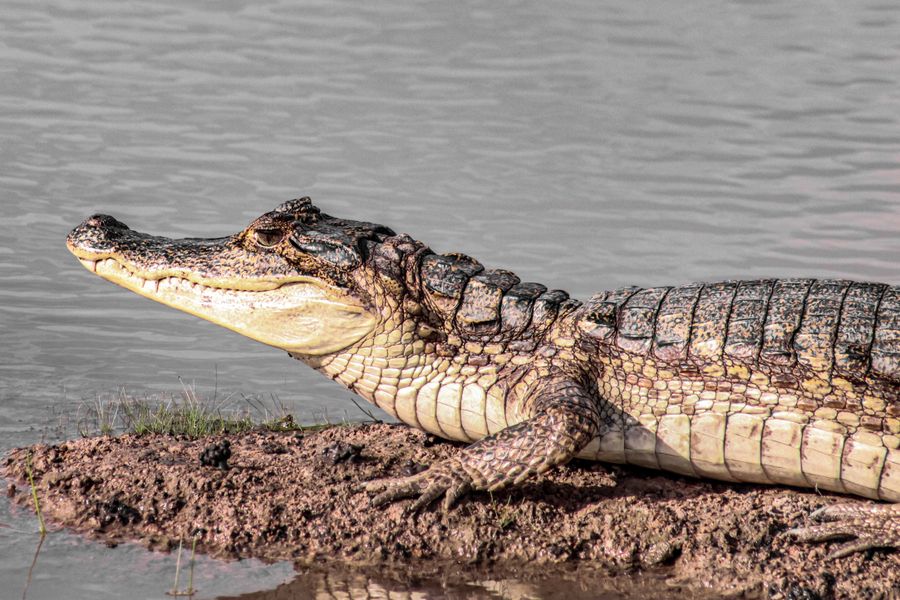
The black caiman (Melanosuchus niger) is Bolivia's largest reptile — adults can reach 6m and 300kg. In the San Matías ANMI, caiman densities are extraordinary: 100–300 individuals per kilometre of riverbank are counted in the main lagoon channels during dry season. Dawn boat excursions offer views of caimans basking in full sun on exposed mudbanks. Night spotlight tours reveal hundreds of orange eye-glow reflections in every direction. The yacaré caiman (Caiman yacare) is also abundant and more commonly seen.

Local tip
Night spotlight tours (7–9pm) are the most spectacular caiman experience: the motor is cut, torches are swept across the water, and hundreds of orange reflections appear simultaneously. The largest black caimans are most visible on exposed mudbanks at dawn (6–8am). Do not approach large caimans on foot — they move faster than they look.
🛶
ANMI waterways · Río Iténez · Laguna La Gaiba

Pantanal by Canoe

The only way to see the Pantanal properly

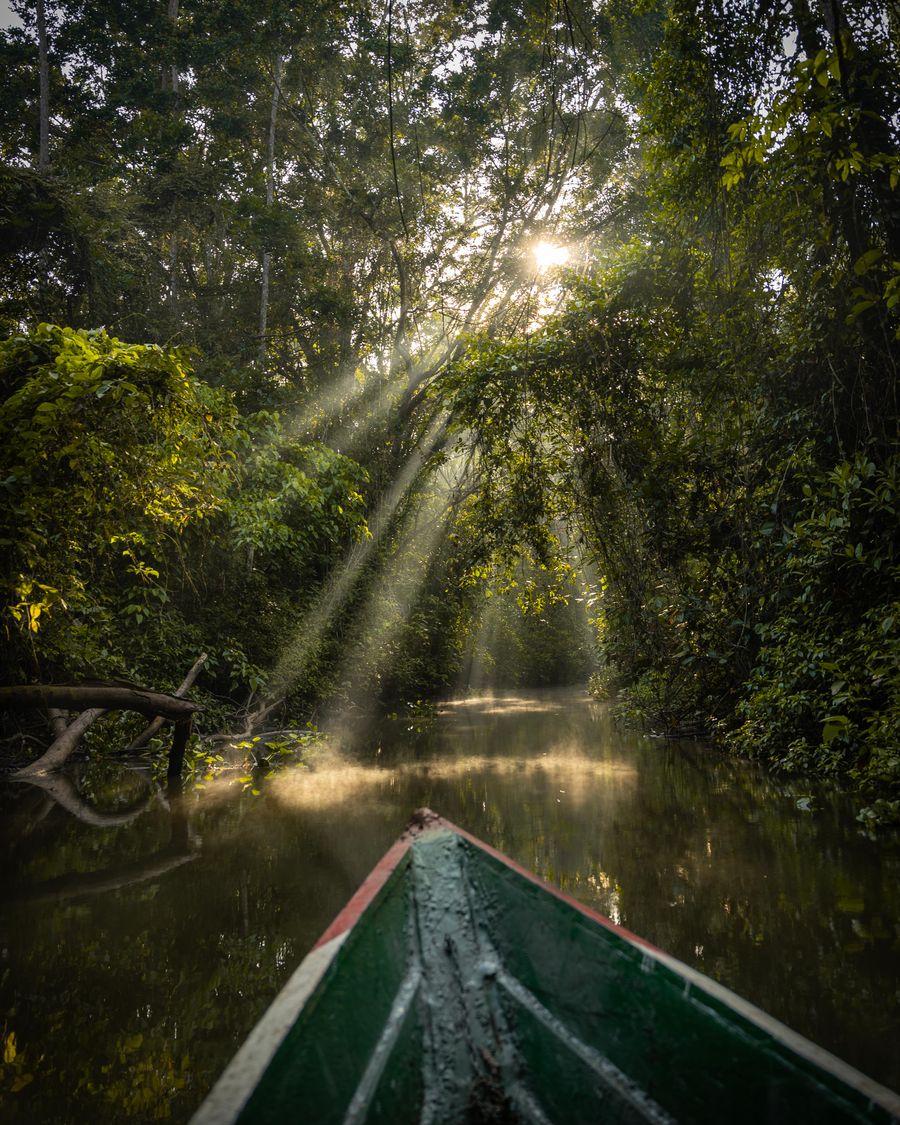
Canoe navigation is the primary way to experience the Bolivian Pantanal — motorised canoes cover 30–60km per day across the lagoon and river system. The Iténez River forms the Bolivia–Brazil border: from the Bolivian bank you can see the Brazilian Pantanal continuing uninterrupted on the other side. Laguna La Gaiba is the heart of the system — a 130 km² oxbow lake with extraordinary bird and mammal concentrations.

Local tip
Your guide decides the route based on water levels and recent fauna observations. Accept the detours — the side channels away from the main course hold the most wildlife. Pack binoculars (10×42 minimum), sun hat, long sleeves and 3L of water per day. The sun on the open lagoon is intense. The return at sunset across the lagoon is one of the most beautiful daily moments in Bolivia.
🦩
ANMI San Matías · 600+ species

Pantanal Birding

Jabiru · hyacinth macaw · giant kingfisher · marsh specialities

The ANMI San Matías has 600+ confirmed bird species — one of the highest densities in Bolivia. Signature species: jabiru stork (the largest flying bird of the Americas, up to 1.5m wingspan), hyacinth macaw (endangered, Bolivia has one of the last large populations), giant river kingfisher, roseate spoonbill, sunbittern, Pantanal-endemic wetland species and the full suite of herons. A single dawn canoe session typically records 60–100 species.

Local tip
The best birding hours are 5:30–9am and 4:30–6:30pm. The open lagoon edges at dawn hold the jabiru and large waders; the gallery forest channels host kingfishers, jacamars and forest interior species. A specialist birding guide (different from a wildlife guide) is essential for accurate identification — request one when booking.
🐍
Gallery forest · waterway edges

Anacondas & Reptiles

Green anaconda · caiman spotlighting · amphibian night chorus

The San Matías ANMI holds a healthy green anaconda (Eunectes murinus) population — the world's heaviest snake, reaching up to 5–6m and 100kg. They bask in gallery forest at the water's edge in the morning and are found in flooded vegetation channels by guides who know the search patterns. Night walks add a spectacular amphibian diversity — dozens of frog species chorus simultaneously. River turtles sun themselves in groups on every exposed log.

Local tip
Anaconda sightings require an experienced local guide who knows the specific basking sites — they cannot be found without local knowledge. Morning is best (8–11am) when anacondas bask on vegetation mats. Night walks (with a guide) in gallery forest edges are the best for frogs and smaller reptiles. Wear rubber boots — the gallery forest margins are always wet.
🌅
Heart of the ANMI · 130 km²

Laguna La Gaiba

Oxbow lake · highest wildlife concentration · atardecer

Laguna La Gaiba is the heart of the San Matías ANMI — a 130 km² oxbow lake system that concentrates the wildlife of the entire area in dry season. The water level drops (May–September), shrinking the available habitat and pushing animals into the main lake channels. Giant otter families command the channels, caimans line every bank, jabiru storks patrol the shallows and hyacinth macaws fly to roosting sites at dusk. The sunset over Laguna La Gaiba is one of Bolivia's most spectacular daily natural events.

Local tip
The evening return across Laguna La Gaiba (4:30–6pm) is the best single moment of most San Matías trips: the sky turns pink-orange, jabiru silhouettes cross the water and the caiman eye-glow begins as the light fades. Position the canoe on the open lagoon (not in the channels) for the widest sky view. Ask your guide to time the return to catch the full sunset.
— What makes the Bolivian Pantanal unique

The Pantanal: the world\'s largest wetland.

Six keys to understanding why ANMI San Matías is Bolivia's most exceptional wildlife destination — and how to prepare for a visit.

🌊
What is the Gran Pantanal
The Gran Pantanal is the world's largest freshwater wetland — 150,000–195,000 km² across Bolivia, Brazil and Paraguay. It forms from the seasonal flooding of the Paraguay River basin. During the wet season (November–April) water covers vast lowland plains; in the dry season (May–October) it retreats and concentrates wildlife in permanent channels and lagoons.
🇧🇴
Bolivian Pantanal: less visited, equally rich
Bolivia's portion of the Pantanal (ANMI San Matías) covers ~120,000 km² and holds wildlife densities comparable to the Brazilian portion — with a fraction of the tourism. There are no luxury lodges or mass safari operations. Every visit requires advance coordination and access through local communities and specialist operators in Santa Cruz.
🦦
Giant otter: the icon of the Bolivian Pantanal
The giant river otter (Pteronura brasiliensis) is the world's largest mustelid — 1.8m and 32kg. Families in the ANMI San Matías have names assigned by local guides who have followed them for years. They are the most reliable animal in the Pantanal: near-guaranteed on every dry-season canoe excursion.
🐊
Black caiman: the apex water predator
The black caiman (Melanosuchus niger) can reach 6m — the largest caiman in South America and the Pantanal's apex predator. Protected in Bolivia since 1990, its recovery in the ANMI San Matías has been remarkable: current counts of 200–300 individuals per km of bank at Laguna La Gaiba are among the highest on the continent.
🌧️
Dry vs. wet season
The dry season (May–September) is best for wildlife: water drops and concentrates animals. The wet season (November–April) has the Pantanal at its most dramatic — water covers everything and wildlife disperses. February is peak flood: access to many ANMI zones is impossible. July–August are the months of maximum wildlife concentration.
⚠️
San Matías: an expedition destination
San Matías is not a conventional tourism destination. It is 830km from Santa Cruz with no commercial airport. No chain hotels, no useful public transport from the city, and ANMI interior access requires an authorised guide. Everything must be organised in advance through a specialist operator. The logistical effort is thoroughly justified once you arrive.
— Key zones of ANMI San Matías

Four zones. One ecosystem.

Zone
Core zone · 130 km²

Laguna La Gaiba

Highest wildlife concentration · open lagoon · sunset

Laguna La Gaiba is the heart of the ANMI San Matías — a 130 km² oxbow lake system that concentrates the area's wildlife in dry season. Giant otter families command the connecting channels, caimans line every bank, jabiru storks patrol the shallows and hyacinth macaws cross at dusk. The sunset over the open lagoon is one of Bolivia's most spectacular daily natural events. All wildlife excursions depart from or pass through the Gaiba system.

Tip
Evening return across the open lagoon (5–6pm) is the highlight of most San Matías trips. The wide sky, the silhouettes and the caiman eye-glow beginning as dark falls — ask your operator to time the return to maximise the sunset. The giant otter family that holds the main connecting channel is the most reliable sighting.
Zone
Bolivia–Brazil border river

Río Iténez

Border river · gallery forest · jaguar corridor

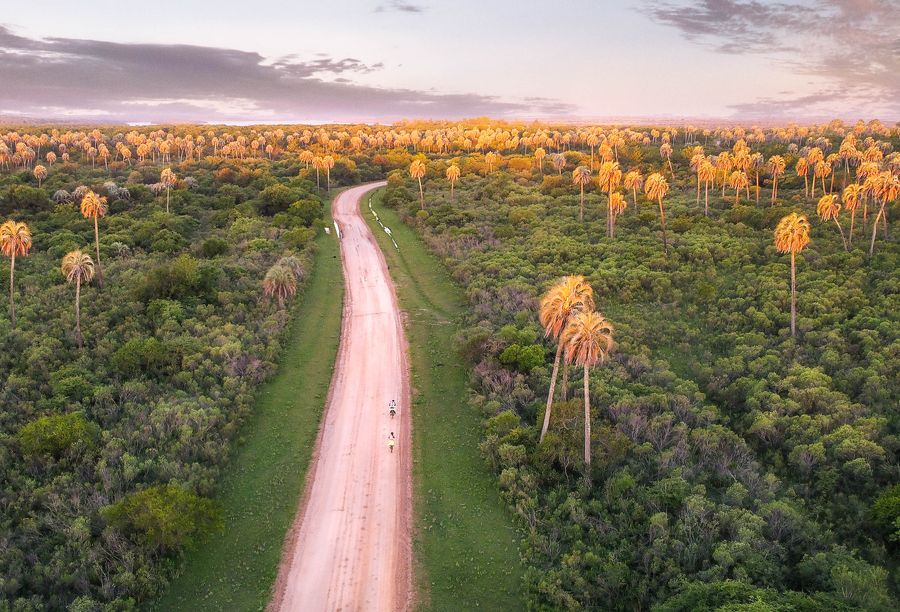
The Iténez River (known as the Guaporé in Brazil) forms the Bolivia–Brazil border for hundreds of kilometres. The gallery forest along both banks is an important jaguar corridor — camera traps have documented resident jaguar families along the Iténez system. The river is navigable by canoe for days: gallery forest on both banks, beaches used by giant river turtles for nesting (September–November), and an almost complete absence of other human activity.

Tip
Jaguar camera-trap evidence is significant along the Iténez but direct sightings are rare — the gallery forest is dense. The river beaches (October–November) are the best sites for giant river turtle nesting observation. The Brazilian bank is visible across the river — the ecosystem continues seamlessly on the other side, underlining the importance of cross-border protection.
Zone
Community · Chiquitano cultural zone

Santo Corazón

Indigenous Chiquitano community · transitional forest

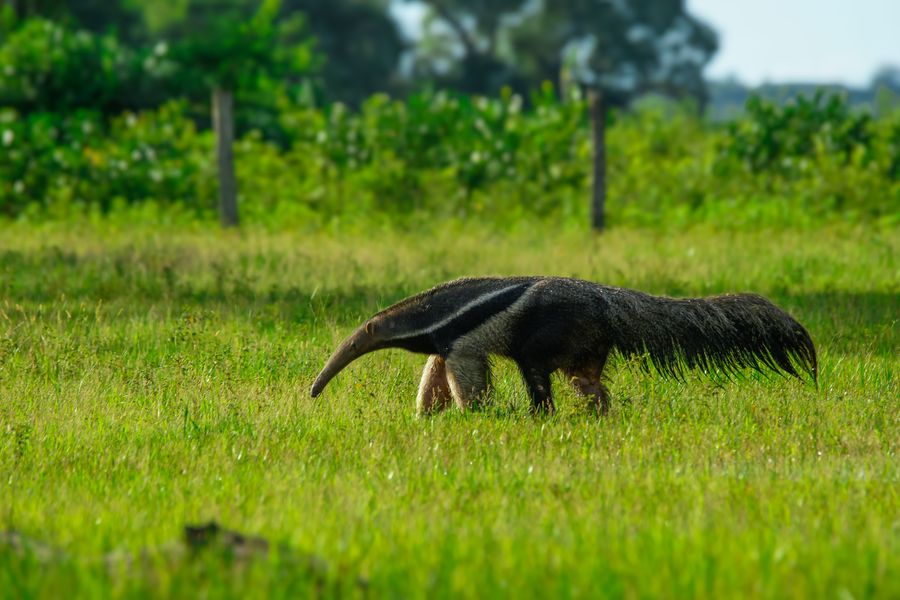
Santo Corazón is a Chiquitano indigenous community within the ANMI San Matías, accessible by road from San Matías town. It represents the cultural and ecological transition between the Pantanal lowlands and the Chiquitanía dry forest. Community guesthouses offer authentic Chiquitano hospitality. The surrounding transitional forest holds a different species set from the Pantanal waterways: maned wolf, peccaries, anteaters and the full Chiquitano bird community.

Tip
A community visit to Santo Corazón adds significant cultural depth to a San Matías trip. Ask the community guesthouse about local fishing and traditional food — the river fish (surubí, pacu, pacupeba) prepared fresh by local families is excellent. Combine with the nearby petroglyph sites discovered in the surrounding hills.
Zone
Southern Pantanal · 4×4 connection

Puerto Suárez & Otuquis

Extended Pantanal circuit · Otuquis National Park

Puerto Suárez (8h south of San Matías by 4×4) is the other gateway to the Bolivian Pantanal — the southern entry point through the Otuquis National Park. This extended circuit covers the Apa lagoon system and the San Pablo lagoon, with equally dense wildlife but a different landscape character — more open water, more visible in the dry season. Combining San Matías (northern Pantanal) and Puerto Suárez (southern Pantanal) in one circuit gives the fullest picture of Bolivia's Pantanal.

Tip
The San Matías–Puerto Suárez circuit requires 10–12 days minimum and a 4×4 vehicle for the overland sections. The route passes through the Chiquitanía (UNESCO Jesuit missions) en route — a natural combination. This is the El Yacaré route (Route 12 in Love Bolivia) — ask for it specifically when booking.
— Expedition logistics

Getting there and getting in.

✈️

How to get to San Matías

  • Charter plane from Santa Cruz: ~2h, the most practical option for groups of 4+. Price variable by provider, ~$300–500 USD per person in a group.
  • Private 4×4 from Santa Cruz: ~830km, ~20–24h (recommended over two days). Paved road to San Ignacio de Velasco (4h) then east on unpaved road (4×4 mandatory).
  • No regular commercial flight to San Matías.
  • No useful public transport from Santa Cruz for the final section.
  • All access must be organised through a specialist operator based in Santa Cruz. SERNAP requires an entry permit for the ANMI (managed by the operator).
  • From Brazil: San Matías connects with Cáceres (Mato Grosso), accessible by road from Cuiabá.
🚣

How to get around inside the ANMI

  • Motorised canoe: the primary transport within the ANMI. Operators have their own boats or manage them through local communities.
  • 4×4: for overland sections between different ANMI zones (transitional forest, Santo Corazón).
  • On foot: guided walks in gallery forest and transitional forest. Rubber boots essential.
  • Water is the axis: all wildlife experiences revolve around canoe excursions. Daily schedule is organised around peak animal activity (5:30–9am and 4:30–6:30pm).
  • Accommodation: community eco-lodges or camps inside the ANMI, managed by the operator.
  • No mobile coverage: bring satellite communication if possible (operator usually manages this).
— Climate and seasons in the Bolivian Pantanal

When to visit the Pantanal.

Jan
Feb
Mar
Apr
May
Jun
Jul
Aug
Sep
Oct
Nov
Dec
May – August
Dry season — the best
Water drops in Laguna La Gaiba channels and concentrates wildlife: otters, caimans and birds at their highest density. July–August are peak: giant otter sightings on virtually every outing. Temperatures 25–32°C. The July Pantanal sunset is extraordinary.
February
Avoid: peak flooding
February is the month of highest water in the Bolivian Pantanal. Access to many ANMI zones is closed or severely limited. Wildlife disperses in high water. 4×4 access tracks are impassable. It is not the time to plan a visit.
September – October
Transition: water dropping
September is still very good — water continues to drop, increasing wildlife concentration. October starts to heat up and early rains arrive. Sightings remain excellent in September. October is viable but heat (35–38°C) and rain intensify progressively.
— From San Matías

Connected routes and ecosystems.

San Matías is the northern node of the Bolivian Pantanal and the natural connection to the Chiquitanía in three Love Bolivia routes.


Ecosystems
caiman
Pantanal
San Matías · Otuquis · Nutrias · Yacaré
oso-hormiguero
Chiquitanía
Misiones UNESCO · Noel Kempff · Santa Cruz
Routes
caiman
12 · Pantanal ext.
El Yacaré
The extended Pantanal circuit. San Matías is the northern anchor — from here the route connects south to Otuquis and Puerto Suárez for the fullest picture of Bolivia's Pantanal.
8–12 daysfrom €1,930
jaguar
03 · Pantanal · Chaco
El Jaguar
Track the jaguar through Bolivia's most biodiverse corners. San Matías and the Río Iténez corridor are a documented jaguar habitat — camera traps record regular passing.
8–12 daysfrom €1,930
oso-hormiguero
10 · Chiquitanía
El Oso Hormiguero
The Chiquitanía route connects naturally with San Matías. The UNESCO Jesuit missions are 4–6h from San Matías by road — a natural cultural complement to the Pantanal expedition.
10–14 daysfrom €2,020
FAQ

Questions about San Matías.

The 9 most common questions about ANMI San Matías and the Bolivian Pantanal.

Plan your expedition with us →

San Matías is a frontier municipality of ~14,000 people at the far east of Santa Cruz department, on the Iténez River (which forms the Brazil border). It is the main gateway to the ANMI San Matías — a 2,918,500 hectare protected area and Bolivia's largest portion of the Pantanal. Wildlife is exceptional: giant river otters (90% sighting rate), black caimans in the hundreds per kilometre, jabiru storks, hyacinth macaws and 600+ bird species.

The ANMI San Matías (Área Natural de Manejo Integrado San Matías) is one of Bolivia's largest protected areas — 2,918,500 hectares in eastern Santa Cruz, bordering Brazil. Created in 1997, it protects most of the Bolivian Pantanal, plus transitional dry forests, cerrado and gallery forest. It combines strict conservation zones with sustainable use by local communities. Interior access requires SERNAP permits and an authorised guide.

The Bolivian Pantanal is Bolivia's portion of the Gran Pantanal — the world's largest freshwater wetland (150,000–195,000 km² across Bolivia, Brazil and Paraguay). The Bolivian portion covers ~120,000 km² and is comparatively less visited than the Brazilian Pantanal but holds comparable wildlife densities. The seasonal flooding dynamic — water rises November–April, drops May–October — is the engine of the entire ecosystem.

San Matías is 830km from Santa Cruz — one of Bolivia's most remote destinations. Options: (1) Charter plane from Santa Cruz: ~2h, most practical for groups of 4+; (2) Private 4×4: ~20–24h over two days (paved to San Ignacio de Velasco, then unpaved east). No regular commercial flight. No useful public transport for the final section. All access must be organised through a specialist operator. From Brazil: road access from Cáceres (Mato Grosso).

Near-guaranteed in dry season (May–September): giant river otters (family groups, 90% sighting rate), black caimans and yacaré caimans in the hundreds per km of bank, jabiru storks, roseate spoonbills, hyacinth macaws, giant kingfishers, dozens of heron species. With luck: green anacondas basking in gallery forest margins, tapirs at river edges, marsh deer, giant river turtles. With a camera trap: jaguar in the Iténez corridor. Total bird species: 600+.

The giant river otter (Pteronura brasiliensis) is the world's largest mustelid — up to 1.8m long and 32kg. It lives in family groups of 4–8 that hold territories in gallery forest channels. It is intensely vocal (each family has a distinct call pattern) and curious — families will approach canoes that enter their territory. The ANMI San Matías has one of the highest giant otter densities in South America, with near-daily sightings in dry season.

May to August (dry season) is best: water levels drop in the Laguna La Gaiba channels, concentrating wildlife at highest density. July–August are peak months. Avoid February: peak flooding, most access impossible. September is still excellent. October starts to heat up and early rains arrive. The entire November–April wet season has the Pantanal in its flooded state — wildlife disperses and access is difficult.

Yes — San Matías requires complete advance organisation. There is no self-service tourist infrastructure: no chain hotels, no useful public transport from Santa Cruz for the final 400km, and ANMI interior access requires SERNAP permits and an authorised guide. The best operators are based in Santa Cruz de la Sierra and manage everything: charter plane or 4×4 transport, community eco-lodge accommodation, wildlife and birding guides, SERNAP permits and canoe logistics.

Yes — and it should be. The most natural combinations from Santa Cruz: (1) San Matías + Chiquitanía UNESCO missions (6h by road, natural cultural complement); (2) San Matías + Noel Kempff Mercado National Park (by charter plane, 2-3 day addition); (3) Extended Pantanal circuit: San Matías (north) + Puerto Suárez/Otuquis (south) — this is the El Yacaré route (Route 12). Most Santa Cruz-based operators build these combinations into 10–14 day expeditions.

— Plan your Bolivian Pantanal expedition

The giant otter
is waiting.

45 minutes. We design your ANMI San Matías expedition with charter plane, certified guides, community eco-lodge and a realistic budget.

$90 · €85 · Bs. 623

Book consultation → $90El Yacaré route →