
Skip to content
Valle de los Cintis Bolivia — terrazas de viñedo verticales hasta 60 grados en cañón andino a 2000m, singani artesanal Moscatel de Alejandría, a 150km de Tarija
perezoso
— Vertical vineyards · Artisanal singani · Canyon light · 150km from Tarija2.000m

Cintis Valley,
Bolivia.

Vineyard terraces on slopes up to 60° carved into canyon walls at 2,000m. Artisanal singani from Moscatel de Alejandría by 18th-century techniques. The world's most vertical — and most unknown — vineyards.

Vineyard altitude
1,800–2,200m
From Tarija
150km · 3h
Terrace incline
Up to 60°
Grape variety
Moscatel de Alejandría
Product
Artisanal singani · local wines
Best base
Villa Abecia (overnight)
— How long do you need

Three options. One canyon.

1 day
  • Tarija → Villa Abecia (3h) · arrive midday
  • Artisanal winery visit + singani and local wine tasting
  • Walk the vineyard terraces · return to Tarija (3h)

Possible as a day trip from Tarija — depart and return the same day. Sufficient to see the terraces and do a tasting, but not for the Villa Abecia dawn.

2 days
  • Day 1: Tarija → Villa Abecia (3h) · check in · afternoon on terraces + tasting
  • Day 2: Dawn in the canyon (best hour for light photography) · local winery · return to Tarija

The recommended itinerary. The overnight in Villa Abecia is essential for the canyon dawn — the sunrise light on the vertical vineyard terraces is the defining photographic moment of the valley.

3 days
  • Day 1: Tarija → Villa Abecia · artisanal winery visits · dinner at local accommodation
  • Day 2: Dawn · terrace trekking + singani producer visit with distillation
  • Day 3: Camblaya canyon exploration · San Lucas village · return to Tarija

The extended version for travellers wanting to go deep into Bolivian singani and wine culture. The third day allows exploration of the Camblaya canyon and the village of San Lucas.

— Things to do in the Cintis Valley

Six experiences found nowhere else.

The world's most vertical vineyards, Bolivia's most artisanal singani and the most photogenic canyon light in the valleys. Far from everything — and unique in everything.

🍇
Cintis canyon walls · 1,800–2,200m

Vertical Vineyard Terraces

Up to 60° incline · hand-harvested · unique in South America

The vineyard terraces of the Cintis valley are carved directly into the vertical walls of the canyon at inclines of up to 60° — steeper than most working vineyards in the world. Each terrace was built by hand over generations using the canyon stone, and each is harvested by hand because no machinery can operate at these angles. The result is a production volume so small that Cintis singani almost never leaves the region.

Local tip
The best viewpoint of the terraces is from the opposite canyon wall — ask your accommodation in Villa Abecia for directions to the mirador. The terraces are most vivid in the light of the first 2 hours after dawn and the last 2 hours before sunset, when the low-angle sun creates shadows that define the terrace steps. At noon, the terraces flatten visually under direct overhead light.
🥃
Local distilleries · Villa Abecia

Artisanal Singani Tasting

18th-century techniques · Moscatel de Alejandría · unaged spirit

Singani is Bolivia's national spirit — a grape eau-de-vie distilled from Moscatel de Alejandría grown above 1,600m altitude. The Cintis valley singani is the artisanal extreme of the category: small-batch, single-copper-pot distilled by families using techniques documented since the 18th century. The resulting spirit is florally intense, with the characteristic white flower and citrus notes of the Moscatel grape amplified by altitude and the canyon microclimate.

Local tip
Ask for the artesanal singani rather than the commercial variety — the difference in quality is dramatic. In a tasting, the production singani is usually the unaged clear spirit; some producers also offer a reposado (rested in clay or old oak). The best tasting experience includes eating with the singani: local cheese, dried fruits and the mote (hominy) corn that grows in the canyon valley floor.
🌅
Villa Abecia viewpoints · canyon rim

Dawn Canyon Photography

The defining light of the Cintis valley · stay overnight

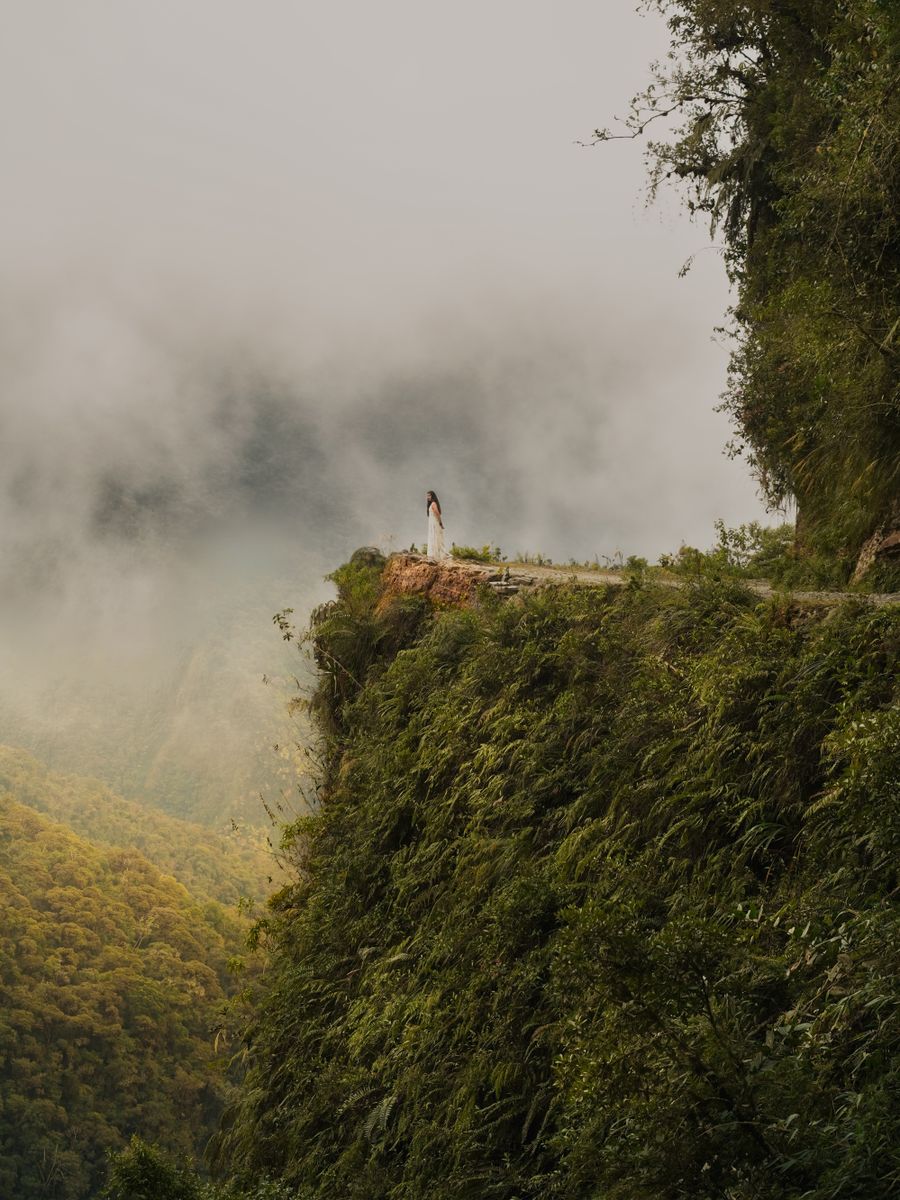
The canyon of the Cintis valley has one of the most photogenic dawn landscapes in the Bolivian valleys: the vertical vineyard terraces on the opposite canyon wall are lit by the first direct sun while the canyon floor remains in deep shadow, creating a dramatic contrast. This effect lasts 20–30 minutes after first direct light and is the defining photographic moment of the valley. It is only possible with an overnight in Villa Abecia.

Local tip
For the best dawn terrace light: ask your Villa Abecia accommodation for the specific viewpoint and set an alarm for 30 minutes before local sunrise. A 70–200mm lens captures the terrace detail best; a wide angle shows the full canyon scale. The canyon walls change colour throughout the day as the light angle changes — the hour before sunset is the second-best window for the terrace light.
🏚️
Valle de los Cintis · 2,000m

Villa Abecia · Colonial Town

The most isolated colonial town in southern Bolivia

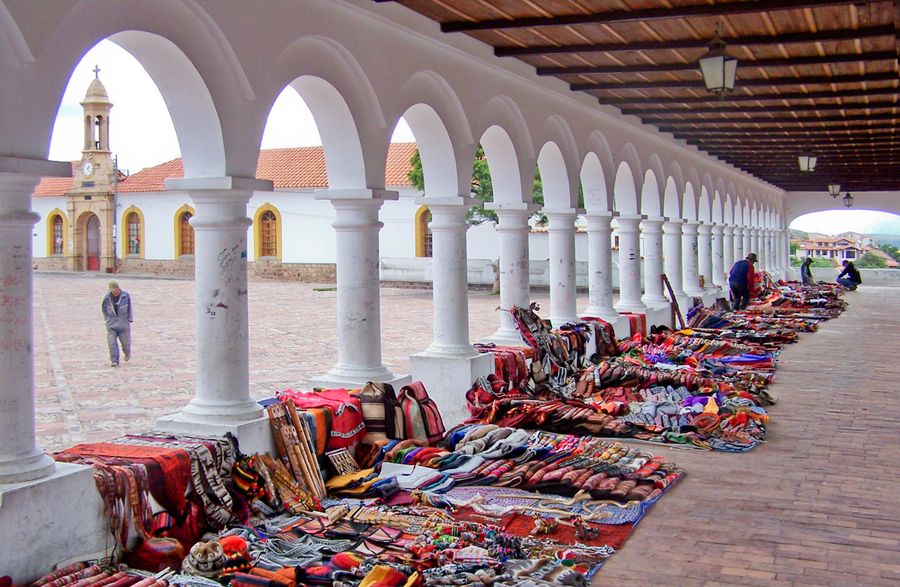
Villa Abecia is the main town of the Cintis valley — a colonial settlement of approximately 2,000 inhabitants at 2,000m altitude. The town has been described as one of the most isolated and best-preserved colonial towns in southern Bolivia: the main plaza, the church and the surrounding streets maintain the original 18th-century architecture without significant modern alteration. The singani and wine culture pervades the town — most families have some connection to viticulture.

Local tip
Villa Abecia has basic accommodation and a small number of local restaurants. The best dinner option is arranged through the accommodation — most places can prepare a set meal including local cheese, chuño (freeze-dried potato), dried meats and a glass of local singani. The town has limited mobile coverage — check in advance. Cash only in Villa Abecia (no ATMs).
🍷
Cintis valley bodegas

Local Wine Producers

Small-batch canyon wines · direct from producer

Beyond singani, the Cintis valley also produces small quantities of local wine — primarily from Moscatel de Alejandría (white) and some Mission-style red varieties. The wines are not commercially distributed and are only available at the source. Several family producers in and around Villa Abecia welcome visitors for tastings and will sell directly at cellar-door prices that reflect the tiny production volumes. The wines have none of the commercial polish of Tarija wines but a raw character unique to the altitude and canyon microclimate.

Local tip
Ask at your Villa Abecia accommodation for introductions to the local wine producers — a direct recommendation from the accommodation is far more effective than arriving unannounced. The canyon wines are best drunk with the local food pairing: dried meat (charque), local cheese and the canyon fruit grown on the terraces between the vine rows. Do not compare to commercial Tarija wines — judge on their own terms.
🌄
Cintis canyon · all day

Canyon Light & Landscape

Colours change by hour · the geology of the Bolivian valleys

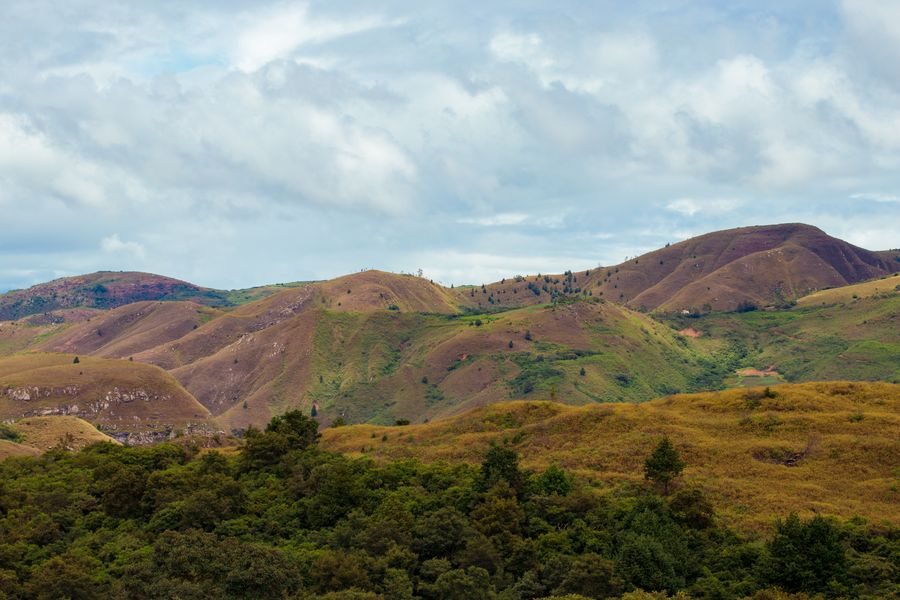
The Cintis canyon is a geological landscape of extraordinary visual variety — the canyon walls expose layers of sedimentary rock in ochre, red, grey and white, and the vertical vineyard terraces add a human layer of green (growing season) or dormant brown (winter). The light changes colour and direction continuously from dawn to dusk. Landscape photographers can find new compositions throughout the day just by waiting for the light.

Local tip
For the full canyon light experience: arrive at Villa Abecia by 4pm (afternoon terrace light), shoot dawn (6–8am terrace light), and walk the canyon floor in the mid-morning before the sun goes overhead. The canyon floor trail between Villa Abecia and the nearest terrace access takes 45 minutes and gives close-up views of the vine-terrace walls from below.
— What makes the Cintis Valley unique

Singani, terraces and 18th-century techniques.

Six keys to understanding Cintis — the geology, history and singani that almost nobody has drunk outside the canyon.

🥃
What singani is and why Bolivia
Singani (Bolivian Denomination of Origin) is a grape spirit from Moscatel de Alejandría grapes grown above 1,600m altitude in Bolivia. It has had PDO (Protected Designation of Origin) status since 2014. Unlike Peruvian-Chilean pisco (also from Moscatel), singani is distilled to higher strength but is known for its floral Moscatel aromas. Cintis produces the most artisanal version of Bolivian singani — outside the circuit of the large Tarija wineries.
🍇
Why the terraces are so vertical
The high incline of the Cintis viticulture terraces responds to the canyon morphology: the valley floor has water (the Camblaya river) but very little flat soil. The terraces were built by literally climbing the canyon walls to use every available metre of sun-exposed soil. This adaptation — called heroic viticulture — is also practised in regions like the Douro (Portugal) and Moselle (Germany), but in Cintis reaches extreme inclines.
🌡️
The canyon microclimate
The Cintis canyon creates a distinct microclimate from the rest of the Chuquisaca department. The altitude (1,800–2,200m) gives cool nights that slow grape ripening — developing more acidity and complex aromas. The canyon shelters from the southern winds (the cold Chaco winds) and concentrates daytime heat between its walls. The daily temperature oscillation (day/night difference) of 15–20°C is key to the Cintis Moscatel's aromas.
🗺️
History of singani in the Cintis
Singani production in the Cintis valleys dates to the early colonial period — Jesuits and Franciscans established the first vineyards in the region for communion wine production. Singani distillation techniques were documented in the 18th century. Cintis was the great producer of artisanal Bolivian singani until 20th-century industrial development concentrated production in modern Tarija wineries. The artisanal producers of Cintis are the last custodians of the original techniques.
💡
Why Cintis singani is almost unknown
Unlike Tarija wine (industrial production, national and international distribution), Cintis singani is produced in volumes of 200–2,000 litres per family per year — too small for commercial distribution. Cintis singani is consumed locally, given as a hospitality gift and occasionally sold to travellers who reach the valley. No systematic export. This invisibility is why the valley remains almost untouched by tourism.
📐
Artisanal distillation techniques
Cintis artisanal singani producers use small-capacity copper pot stills (50–300 litres) inherited from generation to generation. Distillation is single-pass (unlike some industrial double-distillation styles) and without cold filtration — techniques that preserve the Moscatel grape aromas. The fermentation system uses clay jars in some producers — a pre-colonial practice that persists in the valley.
— From Cintis and Tarija

The southern Bolivia circuit.

Excursion
150km · 3h

Tarija · Bolivia's Wine Capital

Bolivia's commercial wine region · Bolivia's best food · 1,854m

Tarija (1,854m) is Bolivia's wine capital — the Tarija valley wine region produces 90% of Bolivia's commercial wine and the most internationally known singani brands. The city has Bolivia's most accessible wine scene: the Camargo and Valle de la Concepción routes are just 30–90 minutes from Tarija. Tarija also has Bolivia's most established gastronomic culture outside Cochabamba: local cheese, singani cocktails and lamb.

Tip
Tarija to Cintis is 150km — plan the Cintis overnight as a 2-night extension from Tarija, returning via a different route if possible. The direct Tarija→Camargo→Villa Abecia road passes through the Camargo valley (another wine area). Tarija has Bolivia's best range of wine shops and singani tasting rooms — compare industrial and artisanal singani before visiting Cintis.
Excursion
100km from Tarija · 2h

Camargo · Cinti Wine Route

Commercial wine country en route to the Cintis valley

Camargo (2,150m, 100km from Tarija) is the main town of the Cinti wine region and the midpoint between Tarija and Villa Abecia. The Camargo area has the largest commercial wineries in the Cinti region — notably COVI (Cooperativa Vinícola de Camargo) which produces Bolivia's most widely distributed Cinti region wines and singani. Camargo is a half-day stop on the route to Villa Abecia.

Tip
COVI winery in Camargo does guided visits and tastings — call ahead. Camargo market on Sundays is the most active day in the town. The scenery between Tarija and Camargo is spectacular: the road descends into the Pilaya canyon and passes through vineyard country from Tarija's wine valley to the Cinti canyon. Allow 2.5h for the Tarija–Camargo drive with a canyon viewpoint stop.
Excursion
50km north of Villa Abecia

San Lucas · Remote Colonial Village

Colonial architecture · most isolated village in Chuquisaca

San Lucas is a small colonial village 50km north of Villa Abecia — one of the most isolated communities in the Chuquisaca department. The village has an 18th-century church and a small Sunday market that draws indigenous Quechua communities from the surrounding valleys. The road north from Villa Abecia to San Lucas passes through increasingly remote canyon scenery.

Tip
San Lucas requires a day and a 4×4 vehicle from Villa Abecia. The Sunday market in San Lucas is the reason most people make the trip — the market serves the surrounding communities and is the best opportunity to see the traditional dress and products of the interior Chuquisaca valleys. Confirm road conditions before departure — the track north of Villa Abecia is rough.
Excursion
150km north of Cintis · 3h

Potosí · UNESCO Silver City

The silver mountain that financed the Spanish Empire · 4,090m

Potosí (4,090m) is a UNESCO World Heritage City and one of South America's most historically significant cities — the Cerro Rico silver mines funded the Spanish Empire for two centuries. The city has a spectacular colonial centre: baroque churches, the Casa de la Moneda (Royal Mint) and the silver mine tours. Potosí makes the Cintis valley into a 3-night triangle from Tarija: Tarija → Cintis → Potosí → return to Tarija or continue to Sucre.

Tip
The altitude jump from the Cintis valley (1,800–2,200m) to Potosí (4,090m) is dramatic — allow acclimatisation time. The Potosí mine tours operate at the active Cerro Rico mine (no longer UNESCO-protected for the mine interior — go with a registered agency). The Potosí→Sucre connection is paved and scenic (2.5h).
— Travel logistics

Getting there and getting around.

🚌

How to get to the Cintis Valley

  • Tarija → Villa Abecia: 150km (3h) on the Tarija–Camargo–Villa Abecia road
  • Bus Tarija–Camargo (2h, Bs 20–30) + bus/taxi Camargo–Villa Abecia (1h, Bs 15–25)
  • Private taxi Tarija → Villa Abecia: ~$35–50 USD one-way
  • Rental vehicle: the Tarija–Camargo road is paved · Camargo–Villa Abecia is dirt but passable in a standard vehicle in dry season
  • For San Lucas (north of Villa Abecia): 4×4 essential
  • No flights to the area — all by road from Tarija
🚗

How to get around Villa Abecia and Cintis

  • Villa Abecia is fully walkable — all the town and nearby terraces on foot
  • For distant vineyard terraces: local guide from accommodation or producer
  • Canyon floor trail (Villa Abecia → terraces): 45min one-way
  • For Camargo (return): bus or shared taxi, Bs 15–25, 1h
  • For San Lucas: 4×4 + local guide + full day
  • No taxis in Villa Abecia — all arranged through accommodation
— Climate and seasons

When to visit the Cintis Valley.

Jan
Feb
Mar
Apr
May
Jun
Jul
Aug
Sep
Oct
Nov
Dec
May – August
Dry season — the best
The Camargo–Villa Abecia road is passable with any vehicle. Clear sky gives the best light for terrace photography. The new singani from the previous harvest (October–March) is available. Canyon temperatures are pleasant by day (22–28°C) and cool at night (10–16°C).
October – March
Harvest season and rains
The Moscatel harvest in the Cintis canyon is October to March. If you visit during harvest you can participate in the manual collection on the terraces — the logistics are extremely manual and the experience is unique. The road can be difficult in the worst rain months (January–February).
April – May
Post-harvest — freshest singani
April–May months give access to the freshly distilled singani from the harvest that just ended. Artisanal producers have their best product available just after distillation. The road is dry again after the end of the March rains. A good compromise between fresh singani and travel conditions.
FAQ

Questions about the Cintis Valley.

The 5 most common questions about Bolivia's most vertical vineyards and the canyon artisanal singani.

Plan your trip with us →

The Valle de los Cintis is a remote canyon valley in the Chuquisaca department of Bolivia, 150km north of Tarija at 1,800–2,200m altitude. It is best known for its extraordinary vertical vineyard terraces — carved into canyon walls at inclines up to 60° — and its artisanal singani production from Moscatel de Alejandría grapes using techniques dating to the 18th century. The main town is Villa Abecia (approximately 2,000 inhabitants). The valley sees fewer than 1,000 tourists per year.

Singani is Bolivia's national spirit (Denomination of Origin since 2014) — an unaged grape eau-de-vie distilled from Moscatel de Alejandría grown above 1,600m altitude. Singani and Peruvian-Chilean pisco share the same grape variety (Moscatel) but differ in production rules, geographic origin and often flavour profile. Singani is distilled to higher strength (minimum 40% ABV) but is known for intense floral, citrus and white fruit notes. The Cintis artisanal version is single-pot distilled in small batches — a category apart from commercial singani.

Villa Abecia is 150km from Tarija — approximately 3 hours by vehicle via the Tarija–Camargo road. Options: (1) Private taxi from Tarija, approximately $35–50 USD one-way; (2) Bus Tarija–Camargo (2h, Bs 20–30) + bus or shared taxi Camargo–Villa Abecia (1h, Bs 15–25); (3) Rental car — the Tarija–Camargo road is paved, Camargo–Villa Abecia is dirt but passable in dry season in a standard vehicle. 4×4 is recommended in rainy season (November–March).

The Cintis valley produces: (1) Artisanal singani from Moscatel de Alejandría — the primary product, produced by dozens of small family operations in volumes of 200–2,000 litres per year; (2) Small-quantity local wine from Moscatel de Alejandría (white) and some Mission-type red varieties — not commercially distributed; (3) Some producers also make local table grape raisins (pasas de Cintis) and grape must. The Cintis singani and wines are not available outside the valley — they must be bought directly from the producer.

Minimum 2 days (1 night in Villa Abecia) to see the canyon dawn light on the terraces — this is the defining visual experience and is not possible on a day trip. A 3-day visit allows for the full terrace experience, a winery and distillery visit with tasting, and exploration of the Camblaya canyon or San Lucas. The Cintis is best combined with Tarija (wine region base, 3h) or Potosí (150km north, 3h) as part of a southern Bolivia itinerary.

— Plan your Cintis & Bolivia trip

The singani is waiting.
Direct from the canyon.

45 minutes. We design your southern Bolivia itinerary — Tarija, Cintis and Potosí — with logistics, accommodation and a realistic budget.

$90 · €85 · Bs. 623

Book consultation → $90 · €85 · Bs. 623Tarija, base city →