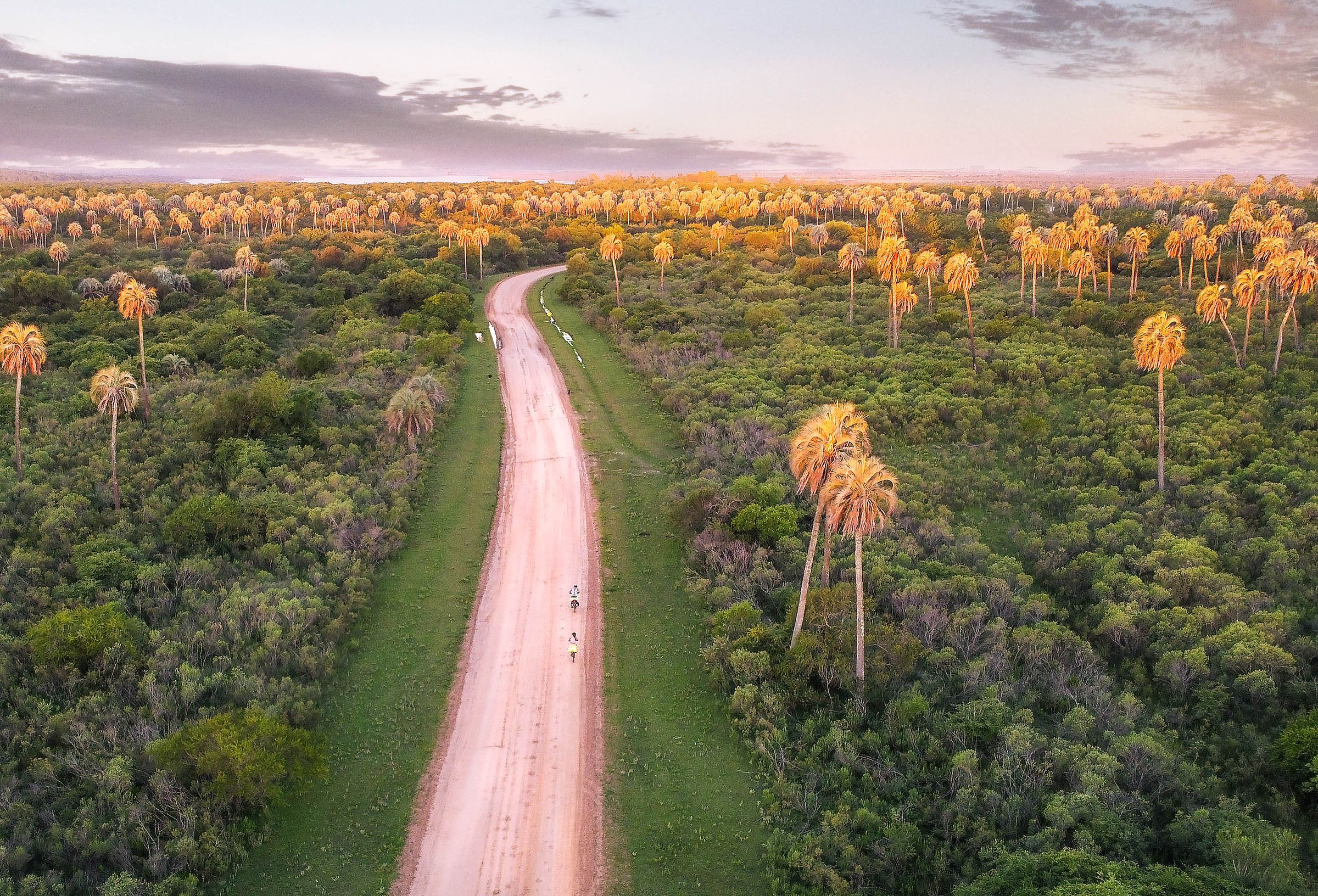
Three expeditions. One Chaco.
- Day 1: Santa Cruz → Charagua (4h) · Izoceño-Guaraní community · briefing
- Day 2: Dry forest trekking · jaguar tracking · Chaco birdlife
- Day 3: Dawn at the waterhole · return to Santa Cruz
Minimum to feel the Chaco. Jaguar track tracing at the waterhole dawn is near-guaranteed.
- Days 1–2: North sector — Charagua · Guaraní community · dry forest
- Days 3–4: Park interior — waterholes · giant armadillo · camera traps
- Day 5: Return and Santa Cruz connection
The complete itinerary. Enough time for two distinct habitat zones and maximised night sightings.
- Days 1–3: Charagua sector + north interior
- Days 4–5: Villamontes sector (park south)
- Days 6–7: Izozo Guaraní communities · ethnobotany · return
The full Bolivian Chaco expedition. Covers north and south with access to Izozo Guaraní communities.
Six Chaco experiences.
Jaguar Tracking
Kaa-Iya has more confirmed jaguar territory than any other Bolivian protected area. Camera traps and local guides consistently find fresh tracks at dawn at the park's aguadas (natural waterholes). A full sighting requires patience and luck — but tracks, scrapes on trees and the resident population are evidence at every visit.
Giant Armadillo
The giant armadillo (Priodontes maximus) reaches 60kg and 1.5m — the world's largest. It is a critically endangered specialist of dry forest. Kaa-Iya has one of the healthiest populations in South America. Night walks with guides consistently find burrows and, occasionally, active individuals. Camera trap programmes in the park have documented regular presence throughout the interior.
Izoceño-Guaraní Community
The creation of Kaa-Iya in 1995 was the first time an indigenous community in South America was formally recognized as co-manager of a national park. The Izoceño-Guaraní capitanía (traditional authority) of the Isoso region had been the driving force behind the park's creation — they understood that protecting the Gran Chaco was protecting their ancestral territory.
Chaco Birding
Bolivia's Gran Chaco has 400+ bird species including numerous endemics found nowhere else: the Chaco Eagle (Buteogallus coronatus), Quebracho Crested Tinamou, Sandy Gallito, and several Chaco-specialist woodpeckers. The dry forest at dawn — all birds active simultaneously before the heat — produces extraordinary birding. The Chaco is one of the world's most underbirded landscapes.
Dry Forest Ecology
The Gran Chaco is the second largest ecosystem in South America after the Amazon — and the least known. The Bolivian Chaco is dominated by quebracho (Schinopsis spp.) — one of the hardest woods on earth — and palo borracho (Ceiba chodatii), whose blooms turn the forest pink in spring. The park protects the largest continuous block of this ecosystem anywhere on earth.
Waterhole Vigils
In a landscape with little permanent water, the aguadas (natural waterholes) are the focal point of all large-mammal activity. At dawn and dusk, jaguar, tapir, peccary, deer and dozens of bird species converge. A pre-dawn hide at the waterhole edge is the closest thing the Chaco has to a guaranteed large-mammal encounter — in multiple species simultaneously.
Getting there and what to bring.
How to get to Kaa-Iya
- Santa Cruz → Charagua: 4–5h on the Camiri road (paved to Charagua)
- Santa Cruz → Villamontes: 6–7h south towards Tarija (park south access)
- From Camiri: 1–2h more to the park's southern boundary
- No public transport to the interior — 4×4 and specialist guide essential
- Chaco specialist operators from Santa Cruz arrange everything
- Access requires SERNAP permit and coordination with Guaraní capitanía
What to bring to the Chaco
- Water: minimum 4–5 litres per person per day — Chaco heat dehydrates extremely fast
- Long-sleeved shirts and thick trousers — sun, thorns and snake protection
- High leather or rubber boots — protection from pit viper and rattlesnake
- DEET 30%+ repellent — Chaco midges are intense at dawn and dusk
- Wide-brim hat — essential. The sun at 44°C in the Chaco is merciless
- GPS and offline maps — no data coverage in the park interior
When to visit Kaa-Iya.
Connected routes and ecosystems.



— Gallery
Bolivia in focus
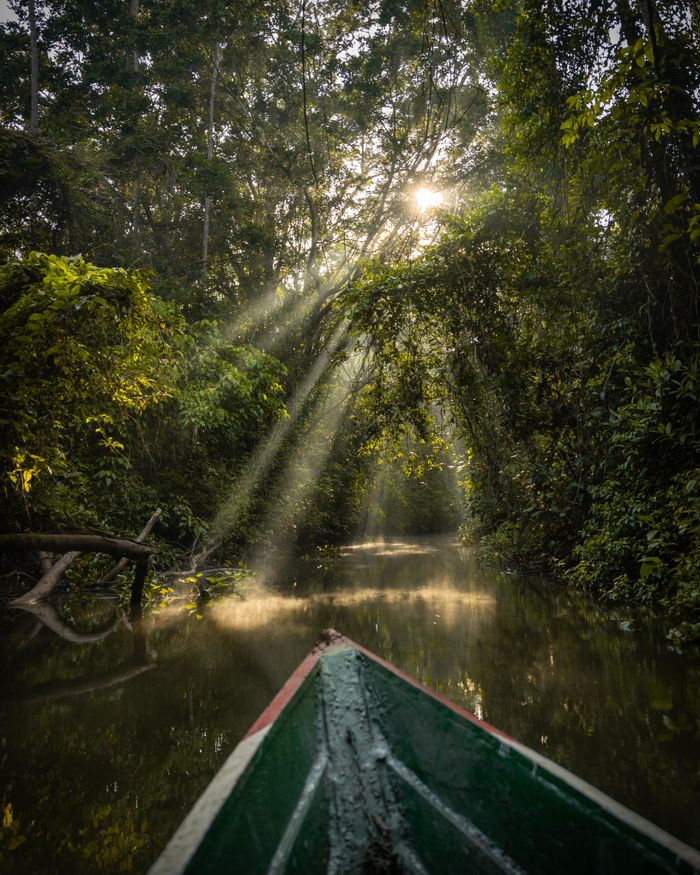
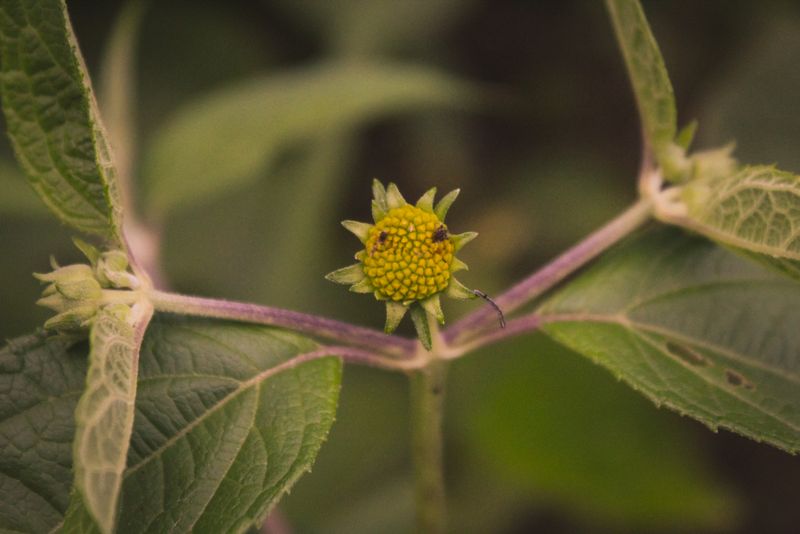
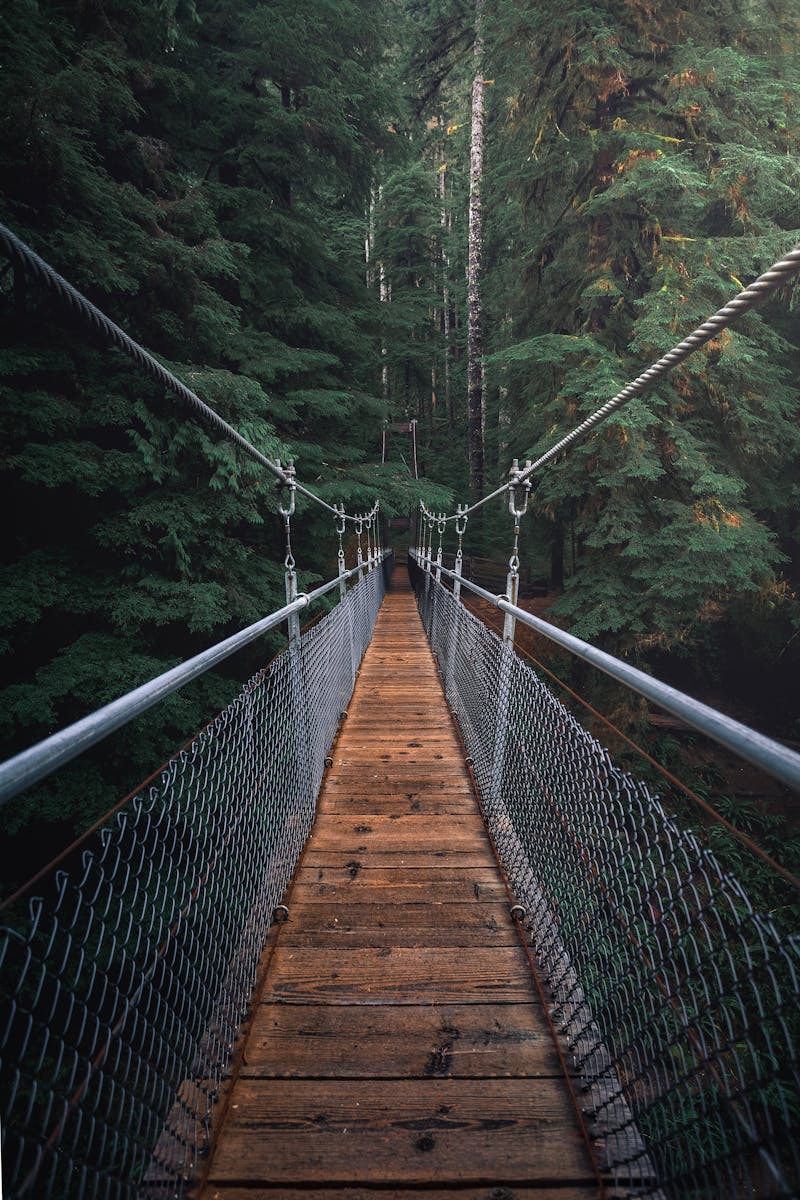
Real photography from our routes. No stock images. Hover to explore.



Questions about Kaa-Iya.
Everything you need to know about Bolivia's largest park.
Plan your expedition →The Master of the Forest
is waiting.
45 minutes. We design your Kaa-Iya expedition with Izoceño guides, 4×4, full logistics and a realistic budget from Santa Cruz.
$90 · €85 · Bs. 623