
Skip to content
Cordillera de Sama Bolivia — reserva biológica bosque nublado andino cerca de Tarija con cóndores andinos y laguna Tajzara
condor
— 108,500 ha · 15km from Tarija · Condors · Lake Tajzara · Cloud forest

Cordillera de Sama
Reserve.

Andean cloud forest 15 minutes from Tarija's wine cellars. Condors at dawn on the Cordillera crags. Lake Tajzara — southern Bolivia's most important wetland. The wild side of the wine capital.

Area
108,500 ha
Elevation
1,800 – 4,500m
From Tarija
15km · 20min
Wetland
Lake Tajzara (Ramsar)
Birds
200+ species
Best season
May – October
— How long do you need

Condors at dawn, wine at sunset.

Half day · Sama dawn
  • Depart Tarija at 5:00am (15km, 20min by car)
  • Arrive at north crags before sunrise — position for condors
  • Condor spotting (5:30-8am): up to 15-20 condors on thermal currents
  • Lake Tajzara: Andean flamingos and endemic ducks (30min)
  • Return to Tarija before midday

The Sama half-day is the natural complement to an afternoon at Tarija's wineries (Kohlberg, Casa Real, Aranjuez). Condors at dawn and wine at sunset — the defining Tarija experience. It is the most popular excursion from the city and fits perfectly into half a day alongside a Cintis valley or winery visit.

Full day · Reserve in depth
  • Dawn at north crags (5:30-8am) — condors taking flight
  • Lake Tajzara (8:30-10am): flamingos, ducks, waterbirds
  • Cloud forest trail (10:30am-1pm): transition 1,800m → 2,500m, Andean flora
  • Field lunch with views over Tarija valley
  • Afternoon: páramo sector (2,800-3,200m) — spectacled bear zone
  • Return to Tarija at sunset — dinner at a winery

The full day covers all three reserve ecosystems: lower cloud forest (1,800-2,500m), transition zone (2,500-3,000m) and high-Andean páramo (3,000-4,500m). The cloud forest has the greatest flora diversity; the páramo is the spectacled bear zone. A local guide is essential for the full day.

3 days · Tarija + Sama + Cintis
  • Day 1: Arrive Tarija — colonial city + central market + first winery tasting
  • Day 2: Sama dawn (condors + Tajzara) + afternoon at Tarija wineries (Kohlberg, Aranjuez)
  • Day 3: Valle de los Cintis (3h north): canyon vineyards + artisanal singani + colonial villages

The Tarija triangle: Tarija city (colonial culture, gastronomy), Sama Reserve (Andean wildlife, condors), Valle de los Cintis (Bolivia's most spectacular vineyards). The three destinations are entirely different in mood and experience. This 3-day itinerary is the most balanced and complete way to know southern Bolivia.

— What to see at Cordillera de Sama Reserve

Condors, Lake Tajzara and cloud forest.

Three ecosystems in one reserve, 15 minutes from Bolivia's wine capital. The perfect plan: Andean wildlife at dawn, wineries at sunset.

🦅
North ridges · 2,200–2,800m · before sunrise

Condor Spotting · North Crags

Up to 15–20 Andean condors on thermal currents — one of Bolivia's most accessible viewing sites

The Cordillera de Sama holds one of the most accessible Andean condor (Vultur gryphus) populations in Bolivia. The north-facing crags above Tarija are an established roosting and nesting site — condors spend the night on cliff ledges and launch on the first thermal currents at sunrise. The viewing window (5:30–8am) is reliable in dry season (May–October): arrive at the ridge viewpoints in darkness, position facing northeast, and watch the birds spiral upward as the thermals build. Groups of 5–20 birds are common in peak season.

Local tip
The key is positioning before the condors move. In darkness, walk to the north ridge viewpoints — your guide will know the exact locations. Bring a warm layer (temperatures drop to 5–8°C at night on the ridge) and binoculars rated at least 8×42. The birds are large enough to see well at 200–400m distance, but binoculars give details of the red head, white collar and 3m wingspan. Condors are most active in the first 2 hours of light; by 9am they've dispersed on long-distance flights.
💧
Laguna Tajzara · 2,200m · 15min from reserve entrance

Lake Tajzara · Ramsar Wetland

Southern Bolivia's most important wetland · Andean flamingos · 80+ waterbird species

Lake Tajzara is a high-altitude wetland at 2,200m within the Cordillera de Sama Reserve, and the most significant Ramsar-listed wetland in southern Bolivia. The lake supports three flamingo species (Andean, James's, Chilean), resident and migratory waterbird communities (80+ species including Andean goose, puna ibis, Chilean coot and several endemic duck species), and a reed-bed ecosystem that shelters nesting waterbirds year-round. Tajzara is particularly important as a wintering ground for migratory shorebirds from Patagonia and the southern cone.

Local tip
Lake Tajzara is best visited immediately after the condor-spotting session (the timing works naturally: condors at 5:30-8am, then drive 15 minutes to Tajzara for 8:30-10am). The flamingos are present year-round but numbers peak in the austral summer (November-March) when breeding activity is highest. Bring binoculars and approach the lake shore quietly — the birds are approachable but will flush if startled. The best photography position is the western shore in morning light.
🌿
Reserve · 1,800–2,500m · 3–4h return

Cloud Forest Trail

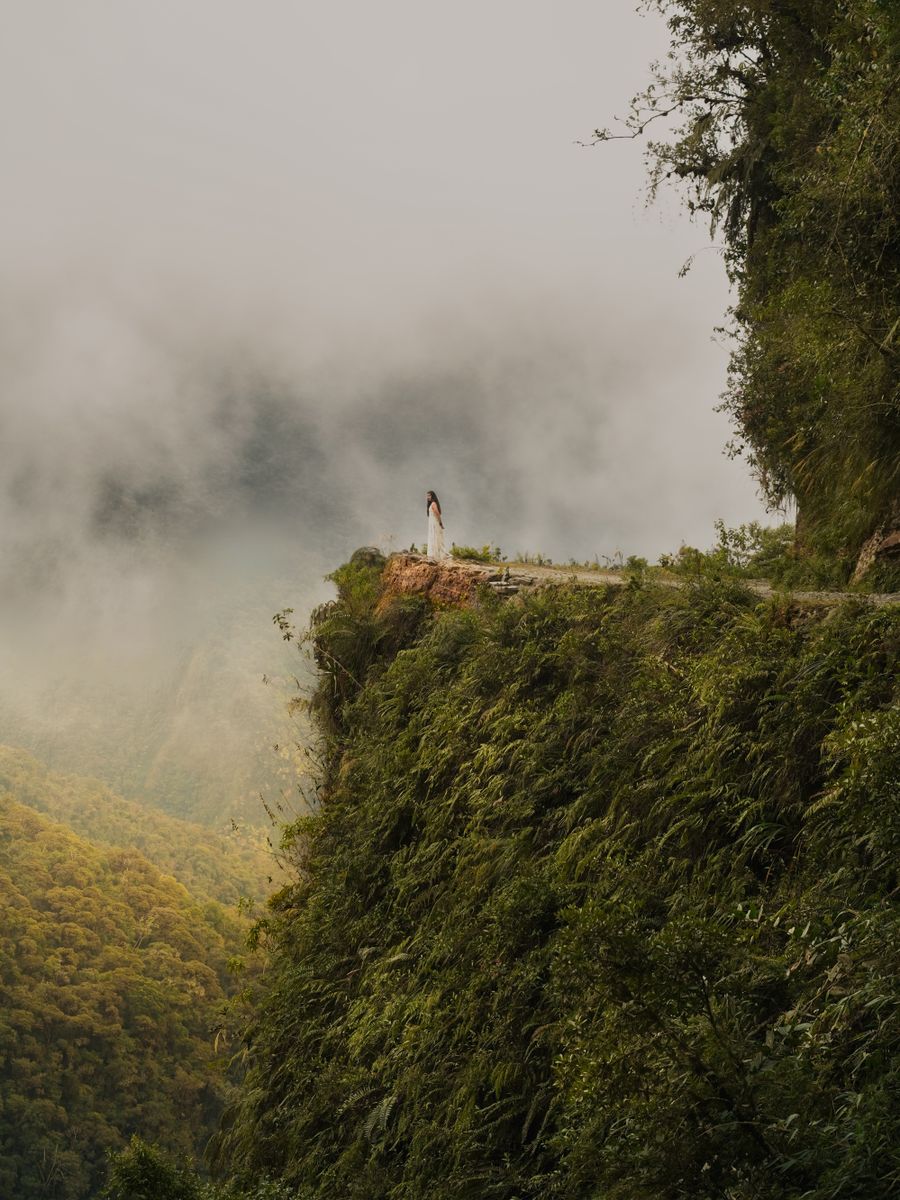
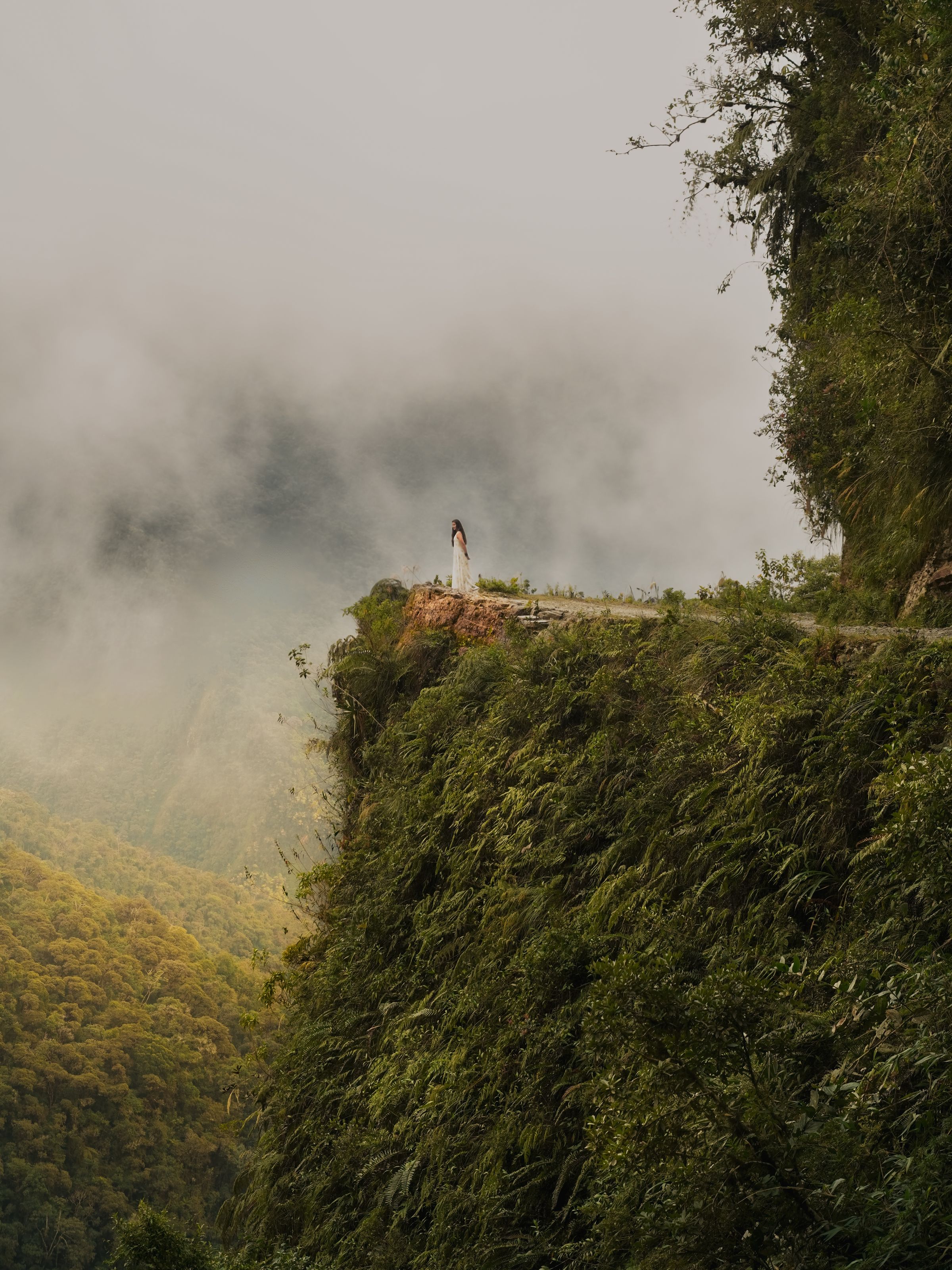
The most abrupt cloud forest transition in Bolivia — from Tarija's wine valley to Andean cloud forest in 15km

The cloud forest of the Cordillera de Sama represents one of the most dramatic ecological transitions in Bolivia: from the arid wine-producing valley of Tarija (1,866m) to full Andean cloud forest (2,500m+) in just 15 horizontal kilometres. The cloud forest zone holds the highest plant diversity of the reserve — orchids, bromeliads, tree ferns and Andean tree species draped in moss and epiphytes. The bird diversity here is exceptional: the cloud forest is home to 120+ species including Rufous-throated dipper, Bolivian brushfinch, White-tailed leaf-tosser and multiple hummingbird species.

Local tip
The cloud forest trail (3–4h return, moderate difficulty) gains 600–700m in elevation. Start early (by 9am) to avoid afternoon clouds that reduce visibility and add cold. The best trail access is via the eastern edge of the reserve, where the most intact forest fragments are found. The trail is not marked — a local guide is essential both for navigation and for bird identification. After rain, the cloud forest transforms: mist, dripping moss and concentrated bird activity make for the most atmospheric experience.
🐻
High reserve · 2,800–3,500m · specialist guide required

Spectacled Bear Zone

Confirmed spectacled bear population · most emblematic species of the southern Andean cloud forests

The Cordillera de Sama has a confirmed resident population of spectacled bears (Tremarctos ornatus), South America's only bear species. The bears use the high cloud forest and páramo transition zone (2,800–3,500m) as primary habitat, feeding on bromeliads, cacti fruit, corn and occasionally livestock (which creates conflict with local farmers). Spectacled bear sightings require multi-day camping in the high zone with a specialist tracker — they are not predictable on day visits. However, evidence of their presence (claw marks, hair on wire, digging signs) is commonly found by guides who know the area.

Local tip
Organising a spectacled bear wildlife watch requires 2–3 days in the high zone with a specialist guide who knows the bear circuits. Love Bolivia works with the best Tarijeño trackers for this experience. Even without a bear sighting, the high-zone landscape (3,000–4,000m páramo, condors overhead, panoramic views of the Tarija valley 2,000m below) is extraordinary. The bear zone is best accessed in dry season (May–October) when tracks are clear on dry ground.
🏔️
Reserve summit zone · 3,500–4,500m · half-day add-on

High-Andean Páramo · 4,000m+

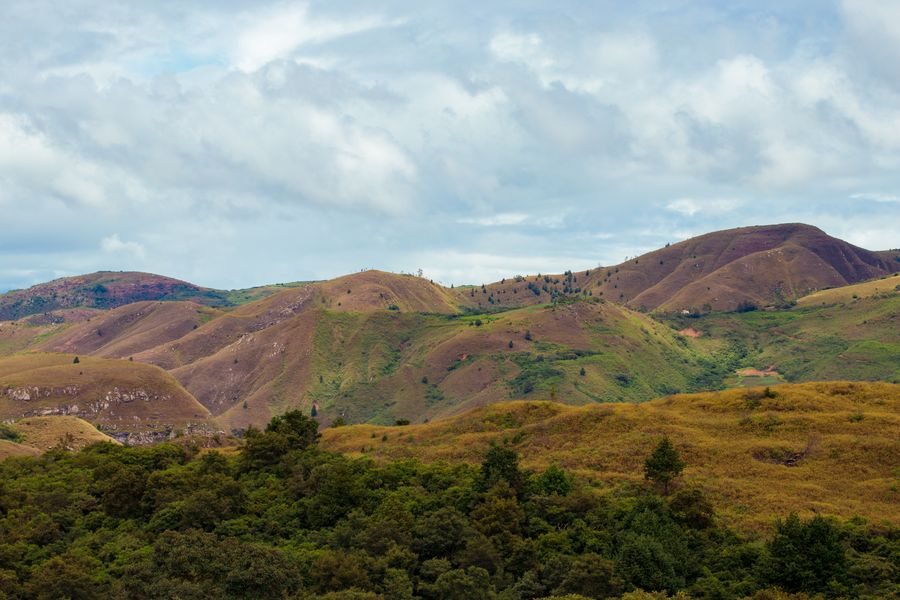
Altiplano wetlands · puna grassland · panoramic views over the Tarija valley and beyond

Above 3,500m, the Cordillera de Sama opens into the high-Andean páramo — a vast puna grassland landscape of cushion plants, high-altitude wetlands (bofedales) and rocky outcrops that stretches to 4,500m+. This zone is the domain of puna birds: giant hummingbirds (Patagona gigas), Andean flicker, puna ibis and mountain caracara. On clear days, the views from the summit ridge look east over the entire Tarija department and west toward the altiplano horizon. The bofedales support rare high-altitude plant communities found nowhere else in the region.

Local tip
The páramo is a 2–3h drive from Tarija (via rough tracks — 4×4 essential). Organise it as a separate half-day from the Sama dawn session: condors at sunrise (lower zone), then drive up to the páramo for the panorama and high-altitude birds before returning to Tarija by 2pm. Acclimatisation matters: Tarija is at 1,866m and the páramo at 4,000m+ — the 2,000m+ gain in an hour of driving can cause altitude symptoms. Drink water and move slowly on arrival.
🍷
Tarija · same day or consecutive days

Nature + Wine Combination

The definitive Tarija experience: Andean wildlife in the morning, world-class wine in the afternoon

The Cordillera de Sama Reserve and Tarija's wine circuit are just 15km apart — a distance that makes their combination unique in South America. No other wine-producing region in the world offers Andean condors, a Ramsar wetland and spectacled bear habitat at walking distance from its vineyards. The typical combination: Sama dawn session (5am-10am, condors + lake) → return to Tarija hotel for breakfast → winery visits (11am-6pm, Kohlberg, Casa Real, Campos de Solana, Aranjuez). The afternoon wine circuit pairs naturally with the morning altitude experience.

Local tip
The three best Tarija wineries for a post-Sama visit: Kohlberg (10km south, bodega tour + tasting, book in advance), Aranjuez (5km south, boutique winery, best for small groups), Casa Real (city centre, easiest access). Singani — Bolivia's native grape spirit distilled from Muscat of Alexandria — is the other Tarijeño drink: ask at any bodega for singani tasting alongside the wine. The combination of cold-dawn wildlife and late-afternoon wine is the trip Tarijeños design for every visiting friend.
— History and context of Sama Reserve

Three ecosystems, one reserve.

From cloud forest and Lake Tajzara to the condor páramo. Why the Cordillera de Sama is southern Bolivia's most diverse natural area.

🌿
What is the Cordillera de Sama Reserve?
The Cordillera de Sama Biological Reserve was created in 1991 and covers 108,500 hectares north of Tarija city. It is one of the few protected areas in Bolivia spanning a complete altitudinal transition: from the pre-puna valley (1,800m) to the high-Andean páramo (4,500m+). The reserve protects the last intact cloud forest fragments of southern Bolivia, as well as Lake Tajzara (the most important Ramsar wetland in the Tarija department) and Bolivia's southernmost condor and spectacled bear populations.
📐
The three reserve ecosystems
(1) Lower zone / cloud forest (1,800–2,500m): the most biodiverse, with 120+ bird species, orchids, bromeliads and tree ferns. This is the Lake Tajzara zone and the easiest access. (2) Transition zone / high forest (2,500–3,000m): more open forest with moss-covered floor, spectacled bear and puma habitat. (3) High-Andean páramo (3,000–4,500m): puna grassland, bofedales, specialised high-altitude birds. Each zone requires different preparation and visit timing.
🐻
Spectacled bear at Sama: why here
The spectacled bear (Tremarctos ornatus) is South America's only bear and one of the continent's most threatened species. The Cordillera de Sama is one of its most southerly refuges in Bolivia — further south than any other known population in the country. The bears use the corridor between the Cordillera de Sama and Tariquía Reserve (130km south) as a movement area. The species is threatened by habitat loss and conflict with livestock farmers — a coexistence programme led by Bolivian conservation organisations works with local communities.
💧
Lake Tajzara: why it matters
Lake Tajzara (2,200m) is a high-altitude wetland unique in the context of southern Bolivia. Unlike the great altiplano wetlands (Uyuni, Coipasa, Poopó), Tajzara is a mountain-enclosed lake with its own ecological characteristics. It is Ramsar-listed for its importance to Andean waterbirds — especially the three South American flamingos (Andean, James's, Chilean) and an endemic duck community. The lake is also the main water source for several villages in northern Tarija department.
📅
Reserve history (1991)
The Cordillera de Sama Biological Reserve was declared a protected area in 1991 as part of Bolivia's national protected areas system (SERNAP). Its creation responded to concern over the deforestation of Tarijeño cloud forest, pressure on condor populations and the degradation of Lake Tajzara. The reserve is jointly managed by SERNAP and local communities — several guides operating inside the reserve are from the communities of Tomatitas and San Mateo de Mendoza.
🍷
The unique combination: reserve + wine
The proximity between Sama Reserve (15km) and Tarija's wineries makes possible a combination that exists nowhere else in South America: Andean condor spotting at dawn and Tarijeño wine tasting at sunset in the same day. The average elevation of Tarija's vineyards (1,600–2,000m) is responsible for the high acidity and aromatic complexity of their wines — the world's highest vineyards at subtropical latitudes. This duality (wildlife/wine, altitude/valley, wild/cultivated) is the essence of the Tarijeño experience.
— From Sama Reserve

Tarija, Cintis and more.

Excursion
15km · 20min

Tarija City · 15km south

Bolivia's wine capital · colonial city · Tarijeño gastronomy · wineries

Tarija (1,866m) is the natural base for visiting the Cordillera de Sama Reserve — the city centre is just 15km south. Bolivia's wine capital has a well-preserved colonial centre (Plaza Luis de Fuentes, Casa Dorada), excellent gastronomy (chapanas, saice tarijeño, fried cheese), and a winery circuit within 15km of the city centre. The best wineries for visits: Kohlberg (10km, full bodega tour), Aranjuez (8km, boutique), Casa Real (city limits), Campos de Solana (12km). Tarija's airport (TJA) has daily connections to La Paz, Santa Cruz and Cochabamba.

Tip
The Sama-Tarija combination works best when the reserve is the morning session (5am-11am) and Tarija and its wineries are the afternoon and evening. Arrange the winery visit in advance — Kohlberg requires a booking (tours at 11am and 3pm). The Tarijeño evening: saice at a traditional restaurant, then singani cocktails at a local bar — ask at your hotel for current recommendations.
Excursion
130km · 3h

Valle de los Cintis · 3h north

Bolivia's most dramatic vineyard landscape · canyon vineyards · artisanal singani

The Valle de los Cintis (130km north of Tarija, 3h on a winding road) is the most spectacular wine landscape in Bolivia and one of the most dramatic in South America: vineyards growing in deep Andean canyons at 2,000–2,500m, with terraced agriculture on near-vertical canyon walls. The artisanal singani producers of the Cintis valley (Rujero, Los Parrales) are considered the benchmark for high-quality singani. The valley is also home to colonial churches, traditional communities and the most intact rural landscape in the Tarija department.

Tip
The Valle de los Cintis is a half-day or full-day excursion from Tarija — too far for a combined day with Sama. Best combined on Day 3 of the Tarija 3-day itinerary (Day 1: Tarija, Day 2: Sama + wineries, Day 3: Cintis). The road to Cintis (TJA-Camblaya route) is paved to Camblaya and then gravel — a standard car is sufficient but 4×4 gives more flexibility. The singani producers in the Cintis can usually be visited without a booking — call ahead to confirm.
Excursion
130km · 2.5h

Tariquía Reserve · 130km south

Bolivia's most intact Tucumano-Boliviano forest · jaguar · peccary · 370 bird species

The Tariquía Flora and Fauna National Reserve (146,000 ha, 130km south of Tarija) is the protected area partner to Sama in the south: while Sama protects the northern cloud forest and altiplano, Tariquía protects the southern Tucumano-Boliviano forest — Bolivia's most intact example of this endemic forest type. Tariquía has confirmed jaguar populations, tapirs, peccaries and 370+ bird species. It is an off-the-beaten-track destination that requires planning but rewards with complete solitude and exceptional wildlife.

Tip
Tariquía and Sama together cover the full altitudinal range of the Tarijeño mountains (1,000m Tariquía → 4,500m Sama). Combining both reserves requires 5 days minimum from Tarija: 2 days Sama, 2 days Tariquía, 1 day Tarija city. Tariquía has limited infrastructure — organise accommodation (community lodge or camping) in advance through Tarija tour operators. The best Tariquía season is dry (May-October), same as Sama.
Excursion
180km · 3h

Bermejo · Subtropical border town · 180km south

Subtropical Bolivia · Argentina border · orchards · Bermejo river · dramatically different from Tarija

Bermejo (180km south of Tarija, 3h on a paved road) is Bolivia's subtropical border town at just 400m elevation — a dramatic contrast to Tarija's wine valley. The town sits on the Bermejo river at the Argentine border, surrounded by subtropical vegetation, banana plantations, sugarcane fields and citrus orchards. The drive from Tarija to Bermejo (descending 1,400m in 180km) passes through the entire altitudinal transition of the Tarijeño mountains — a mini version of the full Sama elevational range in one road trip.

Tip
Bermejo is primarily of logistical interest (Argentina border crossing, domestic flights) but the Tarija-Bermejo drive is one of the most scenic in southern Bolivia. If crossing into Argentina, the border town of Aguas Blancas (Salta province) is immediately adjacent. The subtropical fruits of Bermejo — oranges, mandarins, avocados — are sold fresh on the roadside. The town has basic accommodation; most travellers treat it as a day trip from Tarija.
— How to get there

15 minutes from Tarija. The most accessible in the south.

🚙

How to get to Cordillera de Sama Reserve

  • Base: Tarija city (airport TJA with flights from La Paz, Santa Cruz, Cochabamba)
  • From Tarija to Sama: 15km north, 20-25min by car (road to Tomatitas)
  • Taxi from Tarija: ~$15-20 round trip (negotiate with the driver to wait)
  • Rental car: the most flexible option — no 4×4 needed for the lower zone and Lake Tajzara
  • Public transport: bus to Tomatitas, then 30min walk to the reserve entrance
  • Organised tour from Tarija: the easiest option if it includes a local guide for condors
ℹ️

At the reserve: what to know before you go

  • Free entry — no ticket office or permanent rangers in all sectors
  • No services inside the reserve: bring water, food, warm layers and basic first aid
  • Local guide recommended (not required) for condor crags — exact roosting locations are not obvious without a guide
  • For high zone (spectacled bear, páramo): specialist guide mandatory and 4×4
  • Best start time: 5:00am from Tarija to reach the crags before sunrise (5:30am)
  • Mobile signal: limited inside the reserve — download maps before entering
  • Dry season (May-October): dry roads, clear skies, best for condors
— Reserve seasons

May to September, the best time.

Jan
Feb
Mar
Apr
May
Jun
Jul
Aug
Sep
Oct
Nov
Dec
May – September
Dry season — best for condors
The dry season is the optimal period for visiting the Cordillera de Sama Reserve. The clear skies of May to September allow the best condor spotting — no clouds blocking the view of the crags or the condors' flight. High-zone dirt roads are dry. July and August are the best months for the combination of clearest skies and most active condors (breeding season).
April and October
Transition — good visibility, variable
April and October are transition months between wet and dry season. Conditions for condors are good (partially clear skies) though more variable than in full dry season. Lake Tajzara has higher water levels in April (after rains), which can attract more waterbirds. October is the transition toward wet season — condors are still visible but the probability of rain increases.
November – March
Wet season — best for flora and Tajzara
The wet season (November-March) has specific advantages for the reserve: the cloud forest flora is at its most lush, Lake Tajzara reaches its highest level with greater flamingo and waterbird concentrations, and the páramo wildflowers are in bloom. Condors are harder to see (clouds over the crags), but the reserve is visitable and Lake Tajzara is at its best hydrological moment.
FAQ

Questions about the reserve.

The 5 most common questions about the Cordillera de Sama Reserve — condors, Lake Tajzara, seasons and the combination with Tarija's wineries.

Plan your visit with us →

The Cordillera de Sama Biological Reserve (108,500 ha, created 1991) is the most biodiverse natural area in southern Bolivia. Its special character comes from three factors: (1) the highest ecological concentration per km² in the region — cloud forest, high páramo and a Ramsar wetland (Lake Tajzara) within one reserve; (2) southern Bolivia's most accessible Andean condor population, just 15km from Tarija city; (3) a confirmed spectacled bear population — the southernmost in Bolivia. No other reserve in southern Bolivia combines these three elements.

The best time for condors is dawn (5:30–8am) during dry season (May–October). Position yourself at the north ridge crags before sunrise — condors leave their cliff roosts and ascend on the first thermal currents as the air warms. Groups of 5–20 condors are common in peak season (July–August). July and August are the optimum months: clearest skies and most active condors during the breeding period. A local guide is strongly recommended to find the exact roosting locations.

Yes — this is the definitive Tarija day. The reserve is just 15km from Tarija, making the combination perfectly feasible: leave Tarija at 5am, reach the condor crags by 5:30am, watch condors until 8am, visit Lake Tajzara (8:30-10am), return to Tarija hotel for breakfast by 11am, then start the winery circuit (Kohlberg, Aranjuez, or Casa Real) from 11am-6pm. The full day — Andean wildlife at dawn, wine country in the afternoon — is the experience that defines Tarija for most visitors.

Not legally required, but strongly recommended for condors and essential for spectacled bear. For condors: the roosting locations on the north crags are specific ledges not visible from the approach road — a guide saves 30-60 minutes of searching and positions you correctly in darkness before sunrise. For spectacled bear (high zone, 2,800m+): a specialist tracker who knows the bear circuits is mandatory — this is not a casual hike. For Lake Tajzara and cloud forest: a guide improves the bird identification experience significantly. Entry to the reserve is free; guide fees are negotiated locally (roughly $30-60/day for a local Tarijeño guide).

Sama and Tariquía are the two protected areas of the Tarija department and complement each other: Sama (108,500 ha, north of Tarija) protects the cloud forest, altiplano and Tajzara wetland — the most accessible and most visited, focused on condors and highland ecosystems. Tariquía (146,000 ha, 130km south) protects the Tucumano-Boliviano forest — lower elevation, more remote, with confirmed jaguar populations but no easy condor access. Sama is the right choice for a day or 2-day visit; Tariquía requires 3-4 days minimum and more planning. Together, they cover the full ecological range of southern Bolivia.

— Plan your Sama Reserve day

Condors at dawn.
Wine at sunset.

45 minutes. We design your perfect Tarija day: dawn with condors at Sama Reserve with expert local guide, and afternoon at the best Tarijeño wineries.

$90 · €85 · Bs. 623

Book consultation → $90 · €85 · Bs. 623Tarija →