Skip to content
Trinidad Bolivia — Catedral de la Santísima Trinidad, capital del departamento del Beni. Foto: Kristoffer Barks / Wikimedia Commons
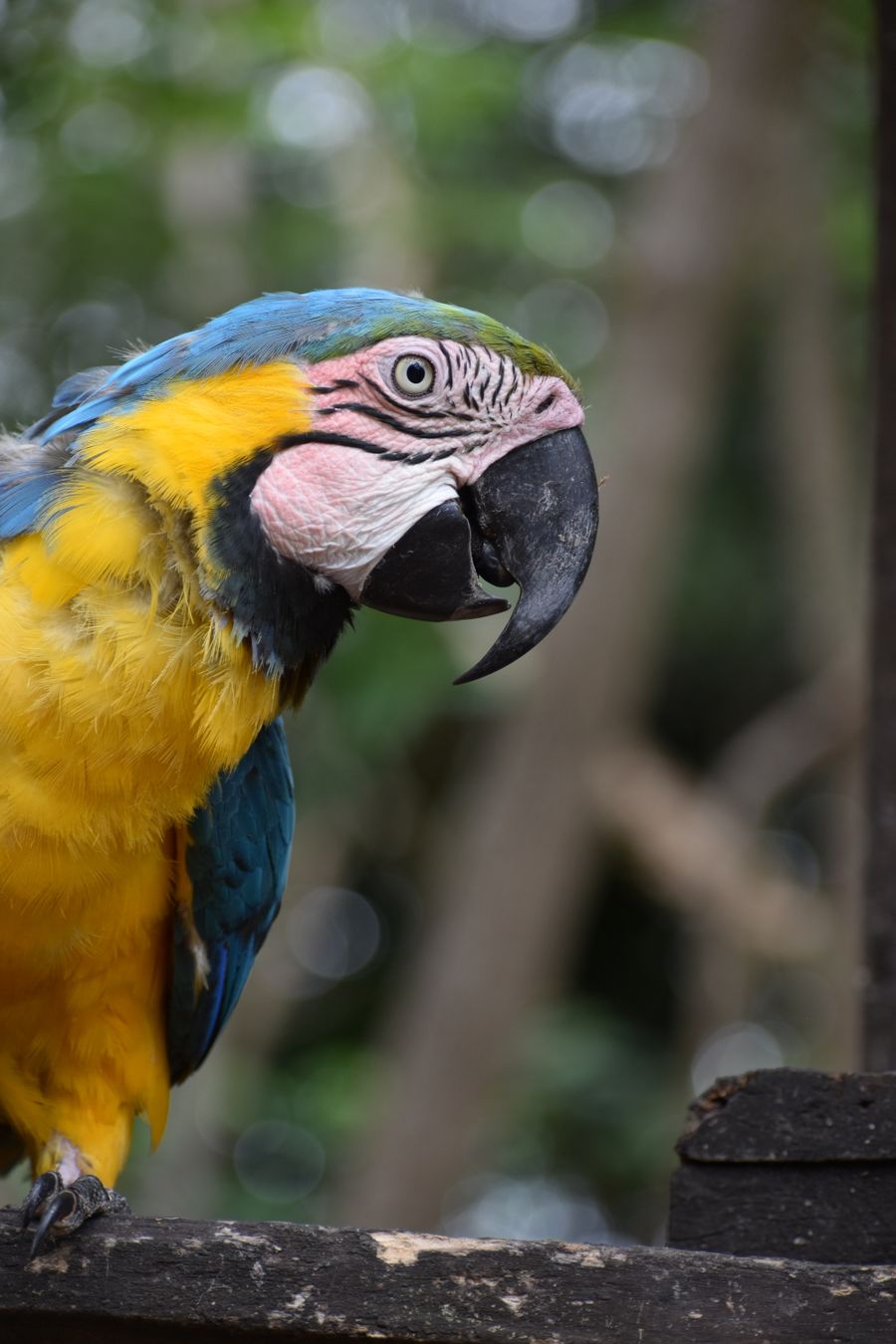
guacamayo
— City · Capital of Beni, Bolivia250m

Trinidad,
Bolivia.

The tropical capital of Beni. Mototaxis, wide streets and enormous skies over the Llanos de Mojos. 1,000+ birds in the area. The Bolivian Amazon almost no traveller visits — and should.

Altitude
250 m
Population
~115,000
Founded
1686 (Jesuits)
Birds in area
1,000+ species
Flight from La Paz
~1h
Flight from SCZ
~45 min
— How long you need

Three itineraries. One Beni.

2 nights
  • Day 1: Arrival · Loma Suárez dawn (birds) · historic centre · Cathedral
  • Day 2: Ibaré lagoons · wildlife tour · Mamoré river malecón
  • Day 3: Connecting flight or bus

Minimum to experience Trinidad and basic birding. Works well combined with a connecting flight to Rurrenabaque.

4 nights
  • Days 1–2: Trinidad city — birds, centre, market, riverfront
  • Days 3–4: Beni pampas tour — wildlife in the Llanos de Mojos
  • Day 5: Return flight or connection

The most complete Trinidad itinerary. Enough time for both city and nature properly.

7 nights (Beni circuit)
  • Days 1–3: Trinidad · Loma Suárez · lagoons · birds
  • Days 4–6: Pampas del Yacuma from Rurrenabaque (25 min internal flight)
  • Day 7: Return to La Paz

The grand Beni circuit. Trinidad + Yacuma in a week = the entire llanos and Bolivian northern Amazon ecosystem.

— Things to do in Trinidad Bolivia

Six reasons to go to Trinidad.

🦜
10 min from centre by mototaxi

Loma Suárez

100+ bird species before breakfast

Loma Suárez is a birding observation platform on the edge of Trinidad — 10 minutes by mototaxi from the city centre. At dawn, the transition between gallery forest, savanna edge and open grassland produces extraordinary species diversity: jabiru storks nesting in the trees, roseate spoonbills at the lagoon edge, macaws overhead, hawks and falcons quartering the grassland. 100+ species in a single morning is achievable.

Local tip
Arrive before sunrise — 5:30am. Bring your own binoculars (8x42 minimum) and a guide who knows the site. The first 90 minutes are the richest. A specialist local birding guide doubles the species count versus going alone.
🦢
15 min from Trinidad

Ibaré Lagoons

Waterbirds in extraordinary density

The lagoons of the Ibaré river system surrounding Trinidad are among the best waterbird sites in all of Bolivia. At low water (dry season), thousands of herons, egrets, spoonbills, cormorants and wood storks concentrate on the exposed banks. Freshwater dolphins (bufeo) are regularly seen. Caimans on every bank. A boat tour on the lagoons at dawn takes 3–4 hours and produces the most spectacular waterbird photography in the country.

Local tip
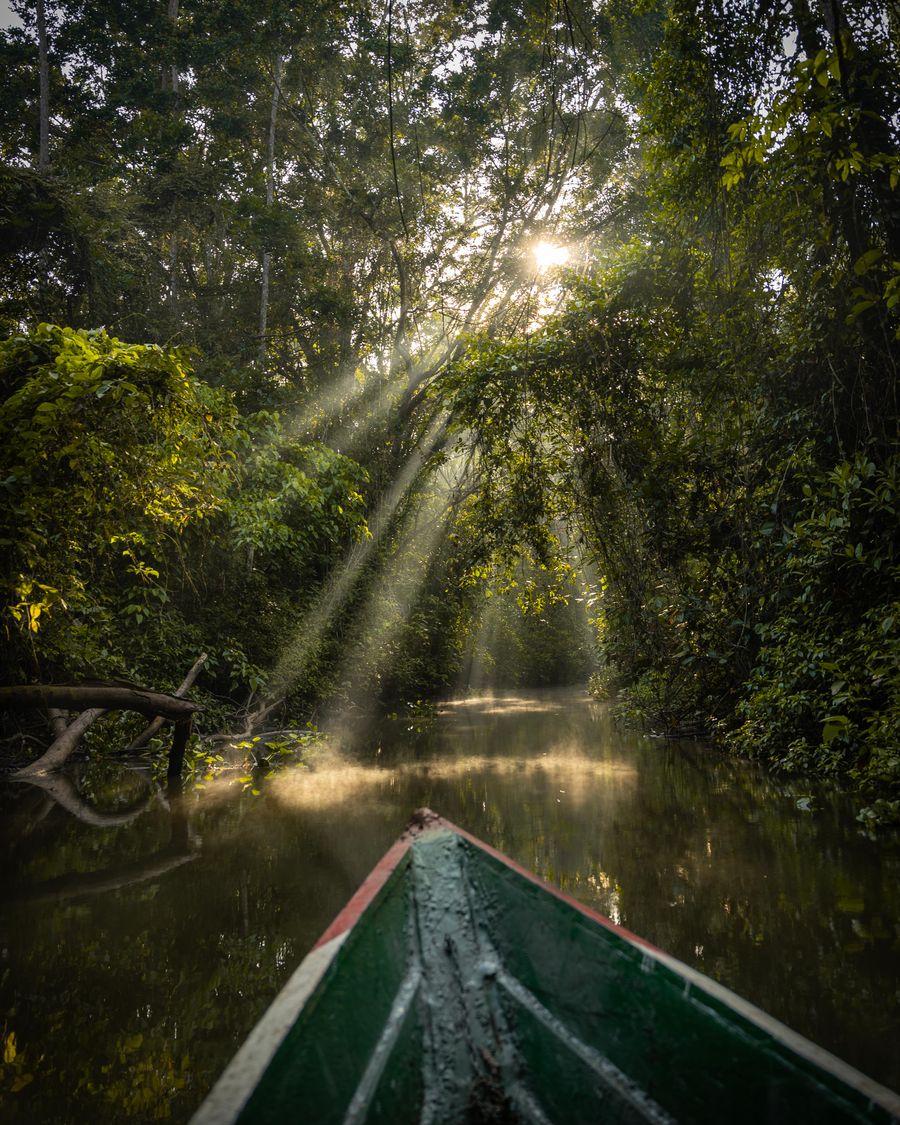
Hire a local boatman through your Trinidad hotel or the tourist office. Confirm the departure time — you need to be on the water by 6am. Morning mist on the lagoons at dawn, with jabiru silhouettes against the pink sky, is extraordinary.
🛵
Entire city

Mototaxi Trinidad

Bolivia's mototaxi capital — 1 per 3 people

Trinidad has the highest concentration of mototaxis per capita in Bolivia — approximately 1 mototaxi for every 3 inhabitants. The mototaxi (motorbike with a passenger cab) is Trinidad's dominant public transport. A ride anywhere in the city costs 5–10 Bs. Navigating the city by mototaxi — with the warm air and the enormous skies of the Beni overhead — is one of Bolivia's most specific local experiences.

Local tip
Mototaxis wait at every corner. Wave one down, state your destination (they all know the city), and negotiate price if it feels high (5 Bs most city trips, max 15 Bs). Don't share a mototaxi with strangers at night — use hotel-recommended transport after dark.
City centre

Plaza Ballivián & Cathedral

Jesuit foundation city, 1686

Trinidad was founded in 1686 by the Jesuits as part of the Beni mission circuit. The Plaza Ballivián is the social and architectural heart of the city, flanked by the Cathedral of the Holy Trinity (a 20th-century reconstruction on the original Jesuit site) and the departmental government building. The plaza is lively at dusk — families, food vendors and mototaxis circling under the palms. The scale of the sky is unlike anything in the Andes.

Local tip
The evening promenade around Plaza Ballivián is the best way to understand Trinidad. Eat at one of the pavement restaurants around the plaza — grilled meat (asado) and river fish are the local specialities. Surubí (catfish) in Trinidad is extraordinary.
🌊
Edge of the city

Mamoré River

The great Bolivian river — Beni boundary

The Mamoré is one of the great rivers of the Bolivian Amazon — 2,000km long, flowing north from Cochabamba to join the Beni and eventually the Amazon. In Trinidad, the Mamoré's bank (malecón) is a social space at sunset. Boat trips on the river produce pink dolphin sightings, caimans and spectacular sunsets over the open water. The river also marks the geographical boundary between the Llanos de Mojos and the denser jungle.

Local tip
The sunset from the Mamoré bank is a Trinidad institution. Bring a cold drink, find a spot on the bank and wait for the sky over the river. Dolphins surface most evenings in the calmer sections near the malecón.
🌿
Surrounding savanna · 30 min–2h

Llanos de Mojos Day Tour

World's largest tropical savanna system

The Llanos de Mojos surrounding Trinidad are the largest tropical savanna system on earth — an ancient pre-Columbian landscape of earthworks, raised fields and forest islands that hosted complex civilisations for 10,000 years. Today the flooded savannas are the habitat of enormous wildlife populations. Day tours from Trinidad access ranches, lagoons and gallery forest within 30–90 minutes of the city.

Local tip
The best Llanos de Mojos tours go to private ranches that maintain open-access lagoons and gallery forest. Ask specifically for "estancias ganaderas con avistamiento de fauna" at the Trinidad tourist office. Wildlife density on these ranches rivals the pampas.
— Trinidad as birding base

1,000+ birds. Six access points.

Trinidad is one of the best starting points for Beni birding. From the city, mototaxi or boat accesses six distinct habitat sites within an hour.

Loma Suárez
10 min
100+ species per morning
Observation platform. The best introduction to Beni birds. Ideal for the day of arrival.
Ibaré Lagoons
15 min
Massive waterbird concentrations
Dawn boat among thousands of herons, spoonbills and jabirus. 3–4 hour boat tour.
Itonama Ranches
45 min
Raptors + grassland birds
Cattle ranches with open habitats. Kestrels, hawks, caranchos and grassland species.
Mamoré River
5 min
Dolphins + riparian birds
Sunset boat ride. Pink dolphins + gallery forest birds + epic sunset.
Gallery forest
30 min
Understorey species
On foot from nearby ranches. Tapaculos, antbirds, manakins, cotingas and woodcreepers.
Rurrenabaque connection
25 min by plane
1,000+ species in Madidi
Internal flight to Rurrenabaque → Madidi. Trinidad as transit base. The perfect Beni combination.
— Travel logistics

Getting there and getting around.

✈️

How to get to Trinidad

  • Flight from La Paz: BoA or Amaszonas — ~1h · ~$70–120 USD one way. Daily flights.
  • Flight from Santa Cruz: ~45 min · ~$50–90 USD. The cheapest option from the east.
  • Bus from Santa Cruz: ~18–20h — possible but exhausting. Not recommended.
  • Bus from Cochabamba: ~12h north. Only viable in dry season.
  • Trinidad as internal hub: Trinidad–Rurrenabaque flight (25 min) to connect with Madidi.
  • Jorge Henrich Arauz Airport (TDD) is 5 min from the centre by mototaxi.
🛵

How to get around Trinidad

  • Mototaxi: the universal transport. At every corner. 5–15 Bs per trip.
  • Conventional taxis: available but infrequent — ask your hotel to call one.
  • Motorbike rental: possible for exploring surrounding ranches — ask at hotels.
  • Boat: for lagoon and river tours — hotel or tourist office organises.
  • The city is relatively small — the centre is walkable though heat is intense.
  • No ride-hailing app — mototaxi or telephone taxi are the options.
— Climate and seasons

When to visit Trinidad.

Jan
Feb
Mar
Apr
May
Jun
Jul
Aug
Sep
Oct
Nov
Dec
May – September
Dry season — the best
The Llanos de Mojos dry out, concentrating wildlife in lagoons and rivers. Loma Suárez and the Ibaré lagoons are at their best. Heat is intense (35°C+) but wildlife is exceptional. The Beni sky in dry season is an extraordinary blue.
October – November
Transition — still excellent
First rains arrive in October–November. The landscape starts greening. Austral migrant birds arrive in the Beni during this period — adding species. Loma Suárez remains productive.
December – April
Wet season — flooded
The Llanos de Mojos flood. Many rural roads become impassable. Loma Suárez and the Mamoré malecón remain accessible but heat and humidity are extreme. January–February: peak flood season. Trinidad city functions well year-round.
— From Trinidad Bolivia

Connected routes and ecosystems.

Ecosystems
capibara
Llanos
Pampas del Beni · Trinidad · Capibaras
bufeo
Amazonia
Madidi · Pampas · Delfines rosados
Love Bolivia Routes
capibara
08 · Beni Pampas
La Capibara
The grand Beni circuit — flooded savannas, mototaxis, giant capibaras and almost zero other tourists.
6–9 daysfrom €1,470
bufeo
02 · Amazon
El Bufeo
Navigate Bolivia's Amazon rivers alongside pink dolphins — Trinidad to Rurrenabaque and beyond.
7–10 daysfrom €1,650
caiman
03 · Pantanal
El Yacaré
Track the jaguar through Bolivia's most biodiverse corners — wetlands, Pantanal and vast Chaco.
8–12 daysfrom €1,930
FAQ

Questions about Trinidad.

Everything you need to know about Trinidad and the Llanos de Mojos.

Plan your trip →

Trinidad (full name: Santiago de la Trinidad) is the capital of Bolivia's Beni department, at 250m altitude in the Amazonian lowland. With ~115,000 inhabitants, it is the main city of the Llanos de Mojos — the largest tropical savanna system on earth. Founded in 1686 by the Jesuits, it is also a world-class birding destination with 1,000+ species in the area, and the city with the highest mototaxi-per-capita ratio in Bolivia.

Flights from La Paz (~1h, BoA or Amaszonas, ~$70–120 USD) or from Santa Cruz (~45 min, ~$50–90 USD). Daily connections from both cities. The airport (TDD) is 5 minutes from the centre by mototaxi. Bus from Santa Cruz is possible (~18–20h) but not recommended. Trinidad also serves as an internal hub — a 25-min flight connects Trinidad with Rurrenabaque for Madidi access.

Trinidad has the highest mototaxi concentration per capita in Bolivia — approximately 1 mototaxi for every 3 inhabitants. The mototaxi (motorbike with a passenger cab) is the dominant public transport, adopted for Trinidad's tropical street conditions and the historical scarcity of conventional taxis. A ride anywhere in the city costs 5–15 Bs. The constant sound of mototaxis is a constitutive element of Trinidad's sonic landscape.

Yes — Trinidad and the Llanos de Mojos are one of Bolivia's top birding destinations, with 1,000+ bird species recorded in the area. Key sites: Loma Suárez (observation platform, 100+ species per morning), Ibaré lagoons (waterbirds in massive concentrations), surrounding ranches (grassland raptors and savanna species). Trinidad also serves as the transit hub for flights to Rurrenabaque and Madidi (1,000+ more species).

The Llanos de Mojos are the largest tropical savanna system on earth, covering much of Bolivia's Beni department. They consist of seasonally flooded grasslands, forest islands and river gallery forests — a landscape shaped by 10,000 years of indigenous landscape management. At high water (Dec–Apr) vast areas are inundated. At low water (May–Sep) wildlife concentrates in lagoons and rivers, producing extraordinary sighting opportunities.

May to September (dry season) is best: the Llanos de Mojos partially dry, concentrating wildlife in lagoons and rivers, Loma Suárez and the Ibaré lagoons are at their best, and the Beni's enormous skies are clear blue. Heat is intense (35°C+) but wildlife density is at its peak. October–November: transition with arrival of austral migrant birds. December–April: wet season, roads flood, humidity extreme, but Trinidad city functions year-round.

— Your Trinidad & Beni trip

The Beni sky.
Start here.

45 minutes. We design your Trinidad, Llanos de Mojos and Bolivian Amazon itinerary.

$90 · €85 · Bs. 623

Book consultation → $90 · €85 · Bs. 623Llanos ecosystem →