
Itineraries
How long do you need
- Depart Santa Cruz 6am
- Concepción (3h, mostly paved)
- Main plaza and facade
- Church interior + mission museum
- Lunch in Concepción
- Return to Santa Cruz
- Day 1: Concepción (facade, interior, museum, overnight)
- Day 2: San Francisco Javier (50km north, first mission in the circuit)
- All 6 UNESCO missions + San Javier
- Concepción → San Miguel → San Rafael → Santa Ana → San José de Chiquitos → return
What to Do
The essential experiences in Concepción
The cream-white facade of Concepción de Chiquitos is the defining image of the Jesuit Missions Circuit. The two-towered baroque facade with its ornate painted decorations is the work of Jesuit architects who combined European baroque with local Chiquitano craftsmanship. Hans Roth's restoration (1975–1982) faithfully recreated the original pigments and compositions from surviving traces. The facade faces west — the late afternoon light turns it warm gold.
The interior of Concepción's church is one of the best-preserved baroque mission interiors in South America. The silver altarpieces were created by Chiquitano craftsmen under Jesuit direction using silver from the Potosí mines. The carved wooden structural elements (columns, choir loft, pulpit) are in the Chiquitano baroque style — a fusion of European baroque with Amazonian rainforest motifs. The nave ceiling has original painted wooden panels.
The Museo Misional at Concepción covers the full history of the Chiquitos Jesuit missions from the first foundation (San Francisco Javier, 1691) to the Jesuit expulsion (1767) and the subsequent centuries of decline and restoration. Exhibits include original mission documents, maps of the Jesuit reduction network, examples of Chiquitano baroque music scores, and models of the mission layout.
The EABO (Expresión Barroca de América) festival is held every two years (even years) in the Chiquitos mission churches. Concepción is the main venue — its restored acoustic church interior is one of the best baroque performance spaces in South America. The festival brings together early music ensembles from Europe and Latin America to perform 17th-18th century repertoire in the churches where this music tradition originated.
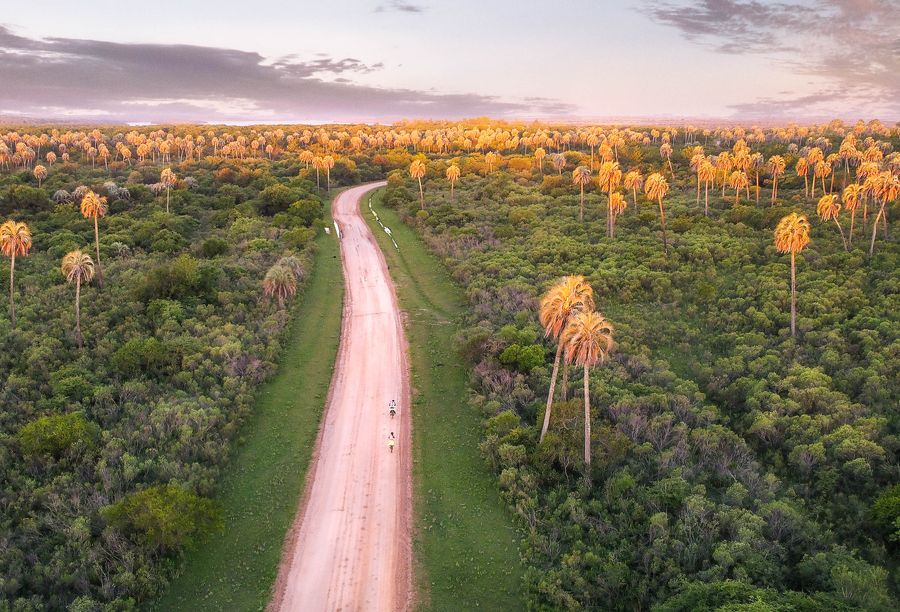
Concepción sits in the Chiquitano dry forest — the world's largest intact tropical dry forest, covering 200,000 km² across Bolivia and Brazil. The forest ecosystem surrounding the mission is part of what made the Jesuit reductions possible: abundant timber for construction, diverse wildlife for food, and fertile soils for agriculture. The Chiquitano forest is now a biodiversity priority area, home to giant anteaters (Myrmecophaga tridactyla), tapirs, jaguars and over 600 bird species.
The current residents of Concepción and the other mission towns are largely Chiquitano — the direct descendants of the indigenous people who were gathered into the Jesuit reductions from the 1690s onwards. The Chiquitano people (approximately 180,000 in Bolivia and Brazil) maintain their language (Bésiro), traditional music, weaving and craft traditions that developed in the mission context.
Historical Guide
Everything you need to know about the missions
The Society of Jesus established 10 missions (reducciones) in the Chiquitano region of eastern Bolivia between 1691 and 1760. The Jesuit approach combined religious conversion with community organisation: the indigenous Chiquitano people were gathered into planned towns (reductions) organised around a central plaza and church. The Jesuits brought European baroque culture — music, architecture, painting — while the Chiquitano contributed craftsmanship and labour. The result was a distinctive Chiquitano baroque style. The Jesuits were expelled from Spanish territories in 1767.
Swiss architect Hans Roth (1934–2000) spent 28 years restoring the Chiquitos mission churches for the APAC foundation (Acción Para el Arte y la Cultura). He began with San Miguel de Velasco in 1972 and worked through all six UNESCO missions. Roth's approach was archaeological — he removed later additions, analysed original materials and pigments, and restored based on physical evidence. His work saved churches that were in advanced decay. Concepción's restoration (1975–1982) is considered his masterpiece.
The six Jesuit Missions of Chiquitos were inscribed as a UNESCO World Heritage Site in 1990. The six missions are: San Francisco Javier (1691), Concepción (1709), Santa Ana (1755), San Rafael (1696), San Miguel (1721) and San José de Chiquitos (1698). A second UNESCO inscription in 2016 extended the Qhapaq Ñan (Inca road) to include the region. The missions are the only group of Jesuit mission churches in the world that remain substantially intact in their original setting.
The Chiquitano baroque music tradition is one of the most extraordinary cultural survivals in South America. The Jesuits composed hundreds of pieces for indigenous choirs and orchestras — masses, motets, cantatas — in the European baroque style. After the Jesuit expulsion in 1767, these manuscripts were left in the mission archives and largely forgotten until the musicologist Piotr Nawrot discovered them in 1972. The EABO festival (founded 1996) performs this repertoire in the original venues.
The Chiquitano baroque style is a synthesis of European Jesuit baroque with Amazonian craft traditions. The most distinctive features: (1) painted wooden facades rather than stone; (2) carved wooden structural elements (not masonry columns); (3) natural pigments derived from local plants and minerals; (4) integration of Amazonian natural motifs (birds, plants) into European iconographic programmes. The result is a baroque style found nowhere else in the world.
The six UNESCO mission circuit covers approximately 500km from San Francisco Javier (north) to San José de Chiquitos (south-east). The route is not fully paved — stretches between San Rafael, Santa Ana and the return to San José de Chiquitos require a robust vehicle (ideally 4×4) in wet season. The circuit can be driven independently with a rental vehicle or with an organised tour from Santa Cruz. Allow 4–5 days for the full circuit with overnight stays in the mission towns.
Day Trips & Circuit
The other missions and the gateway city
Founded in 1691 as the first of the Chiquitano reductions, San Francisco Javier is 50km north of Concepción on a good road. The church has a distinctive wooden interior with carved columns and is the oldest mission church in the circuit. Hans Roth began his restoration work here. The town is smaller and quieter than Concepción.
Hans Roth began his mission restoration work at San Miguel in 1972. The church has a striking painted facade and interior. San Miguel is known for its women's weaving cooperative — traditional Chiquitano textiles using techniques dating to the mission period.
San José de Chiquitos has the largest and most architecturally ambitious mission complex — four buildings (church, college, mortuary chapel, tower) with a unique stone facade (all other mission churches in the circuit use wood and plaster). It is the most accessible mission (train from Santa Cruz to Brazil stops here) and the most monumental.
Santa Cruz de la Sierra (3.2 million inhabitants) is the gateway city for the Chiquitos circuit. Flights from La Paz and Cochabamba. The city has the best hotels, restaurants and tour operators for the Chiquitos circuit. Allow 1 night before and after the circuit for logistics.
How to Get There & Around
Practical logistics
- Santa Cruz → Concepción 145km (3h, mostly paved) — bus or rental car
- Buses from Santa Cruz Terminal Bimodal (full bus, Bs 60–80)
- Car rental recommended for the full circuit
- Flights to Santa Cruz (VVI) from La Paz, Cochabamba, and international
- The main plaza is the hub
- Church open for mass and guided tours
- Museum open 8am–6pm
- Accommodation: Hotel La Chiquitana (main option), basic but comfortable
- Restaurant options around the plaza
Best Time to Visit
Seasons and travel conditions
Best time: cool, clear skies, good road conditions. Temperatures 18–30°C. Ideal for the full circuit.
Growing/fading heat, some rain. The roads between the southern missions can become difficult.
The baroque music festival adds special cultural value — concerts in the mission churches. Book accommodation months in advance.
— Gallery
Bolivia in focus
Real photography from our routes. No stock images. Hover to explore.


FAQ
Everything you need to know about Concepción de Chiquitos and the circuit.