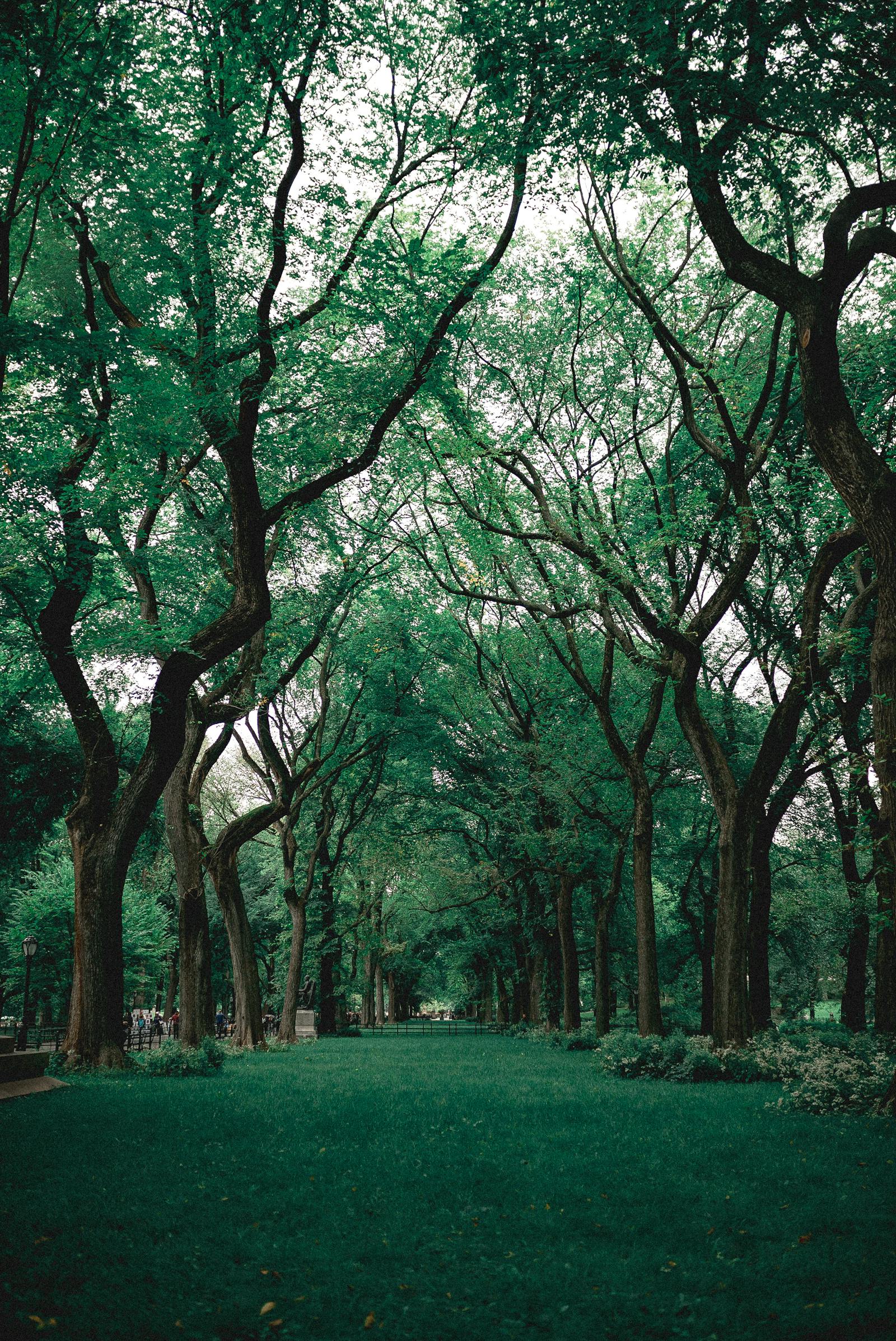
Where the Andes yield to the Chaco.
The Chaco Serrano is the zone where Bolivia gets complicated. It is neither the altiplano, nor the valleys, nor the flat Chaco. It is the tectonic wrinkle between the Andes and the plains — a system of ridges at 400–1,500m altitude covered in thorny forest, cut by red rock canyons and inhabited by centuries-old Guaraní communities.
The Chaco Serrano's biodiversity is exceptional precisely because it is a transition zone. Species from the deep Chaco — jaguar, giant anteater, giant armadillo — mix here with those from the Andean valleys and ridges. The result is a wildlife inventory richer than any of the neighbouring ecosystems individually.
And then there is the history. The Nancahuazú canyons hold the memory of Che Guevara's last guerrilla. The Chaco War (1932–35) — the bloodiest war in 20th century South American history — was fought in these ridges and the plains to the east. The Chaco Serrano is history deposited in red rock.
1966–1967. Nancahuazú.
The Chaco Serrano canyons are the stage of one of the most studied episodes in Latin American history. Che Guevara's Bolivian guerrilla — 11 months, 47 men at peak, 500km of walking — ended here on October 8, 1967.
Chaco, Andes and valleys in one landscape.
The Chaco Serrano's wildlife richness comes from its frontier position. Three groups of species coexist in the same ravines and canyons.
Three entry points.
The canyons are reddest in July.
— Gallery
Bolivia in focus
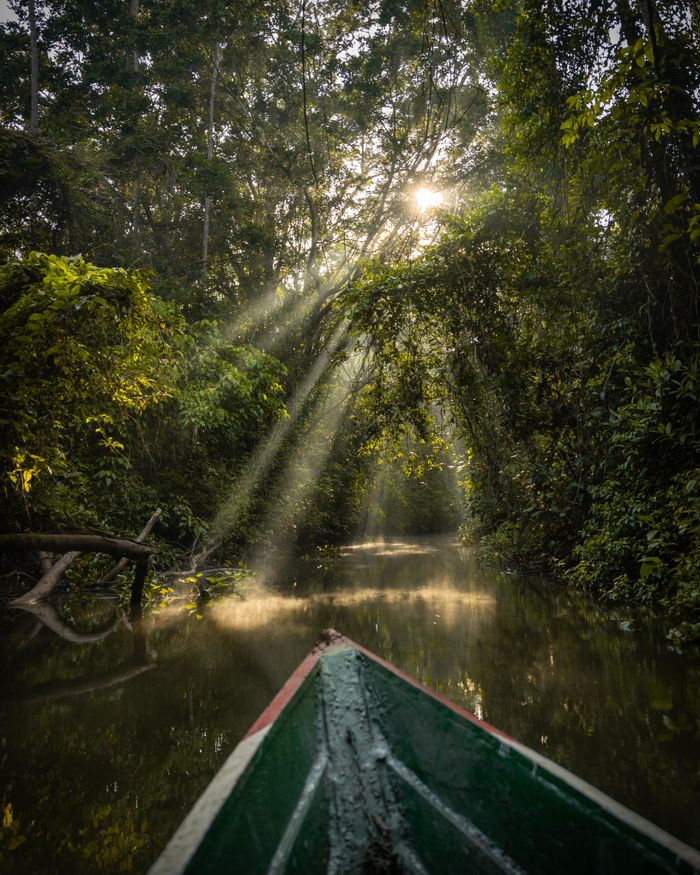
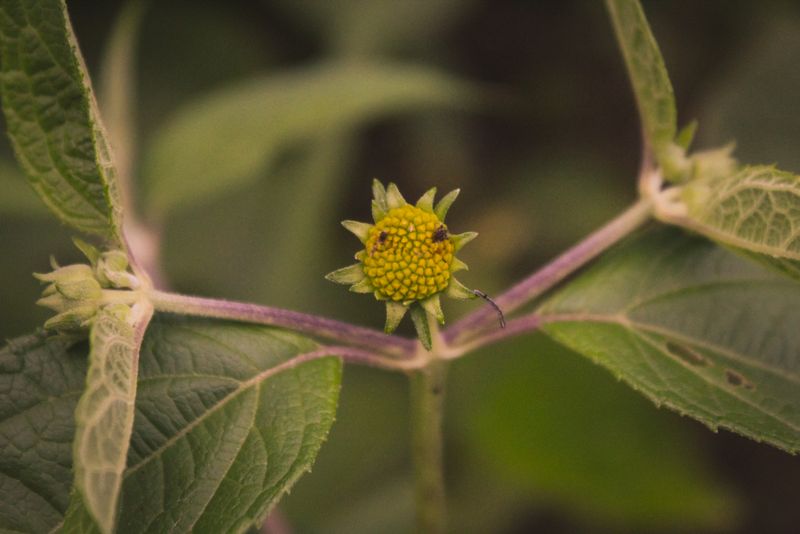
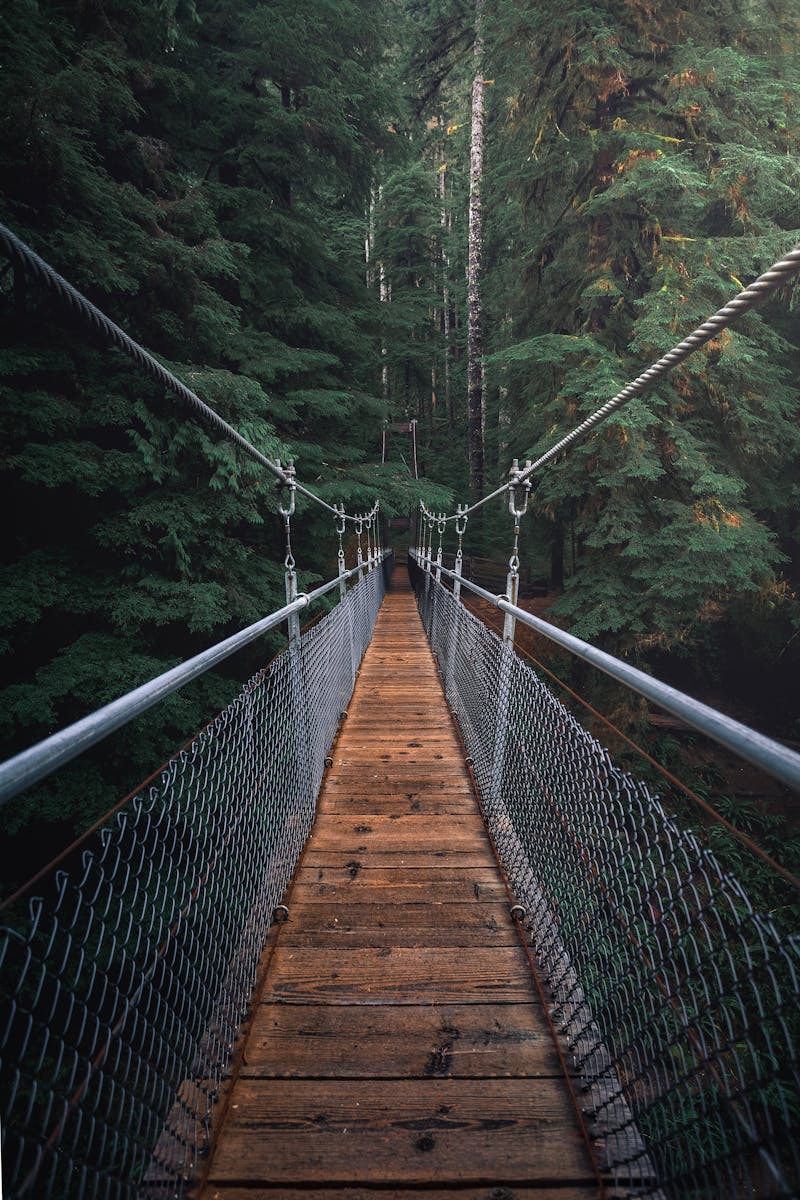
Real photography from our routes. No stock images. Hover to explore.



Frequently asked questions.
Still wondering? Write to us — we answer every question personally.
Get in touch →The canyons are waiting.
So is the history.
45 minutes. We design your Chaco Serrano itinerary with wildlife, history and complete logistics.
$90 · €85 · Bs. 623