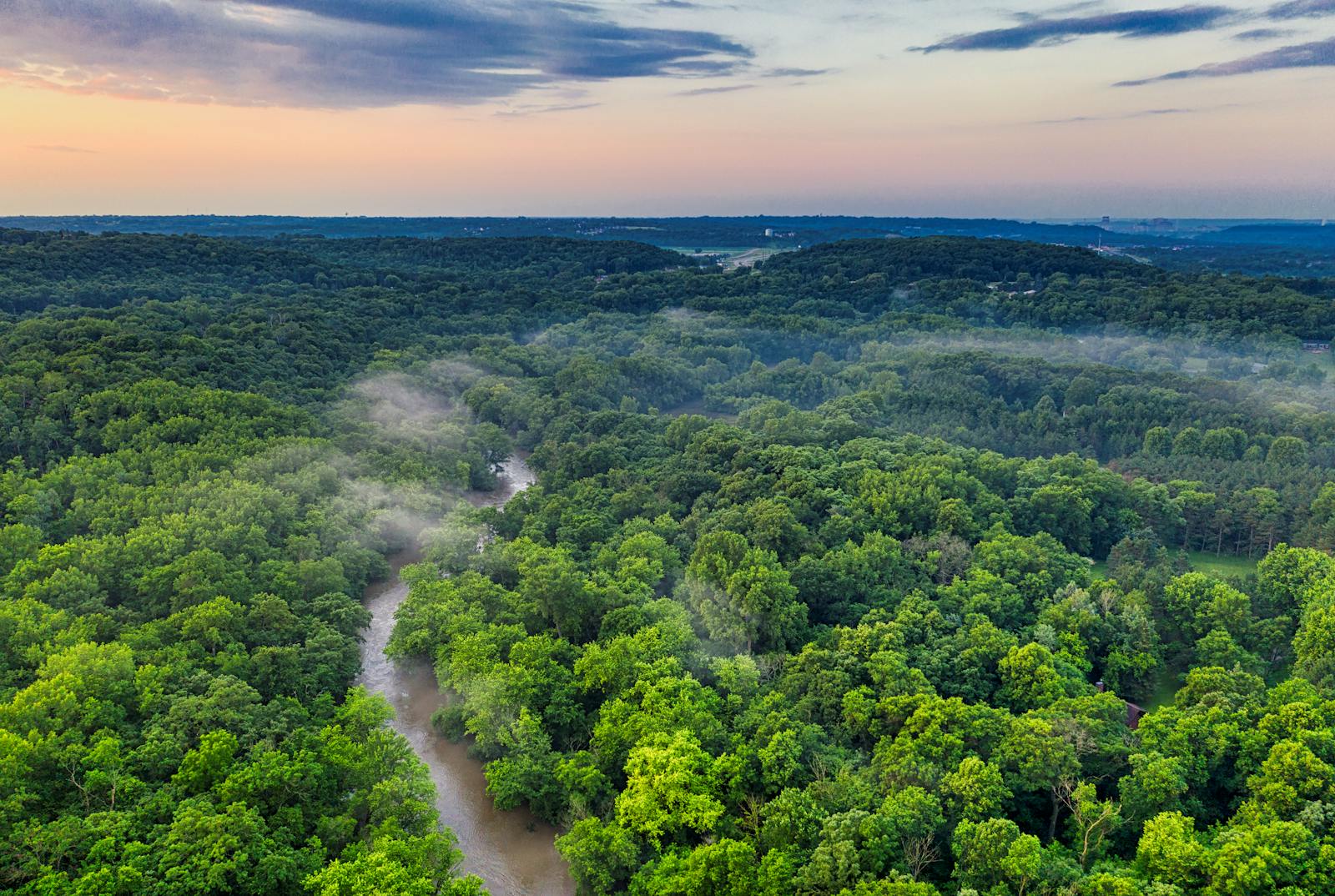
The Yungas that has always worked this way.
Four centuries of coca, community and market. Uninterrupted.
Chulumani never needed the Death Road to find its rhythm. While Coroico filled with cyclists, the Sunday market kept running as it always had — farmers, coca, citrus, community. The Yungas that isn\'t in the guidebooks has been running for centuries.
The Yungas that isn\'t in the guidebooks.
Coca, communities, rural markets and citrus straight from the farm. The real Yungas.
Sunday Market
The Chulumani Sunday market is the social and commercial heart of the Sud Yungas — farmers from the surrounding valleys descend to sell coca, tropical fruits (maracuyá, chirimoya, papaya, avocados), vegetables and artisan goods. Unlike the more tourist-oriented markets of Coroico, Chulumani's market is a working market for local families. The coca-weighing at the morning opening (7–9am) is one of the most distinctive scenes in Bolivian rural life.
Coca Leaf Culture
The Sud Yungas produces coca leaf (Erythroxylum coca) for traditional Bolivian consumption — chewing (acullico), teas and ritual use. This is the same plant but a distinct cultural product from the cocaine trade. Visiting working coca plantations (cocales) near Chulumani gives insight into the most economically important crop in Bolivia's lowland culture. Local farmers can explain the distinction between traditional coca use and illicit production, and the political economy of coca in Bolivia.
Valley Trails & Waterfalls
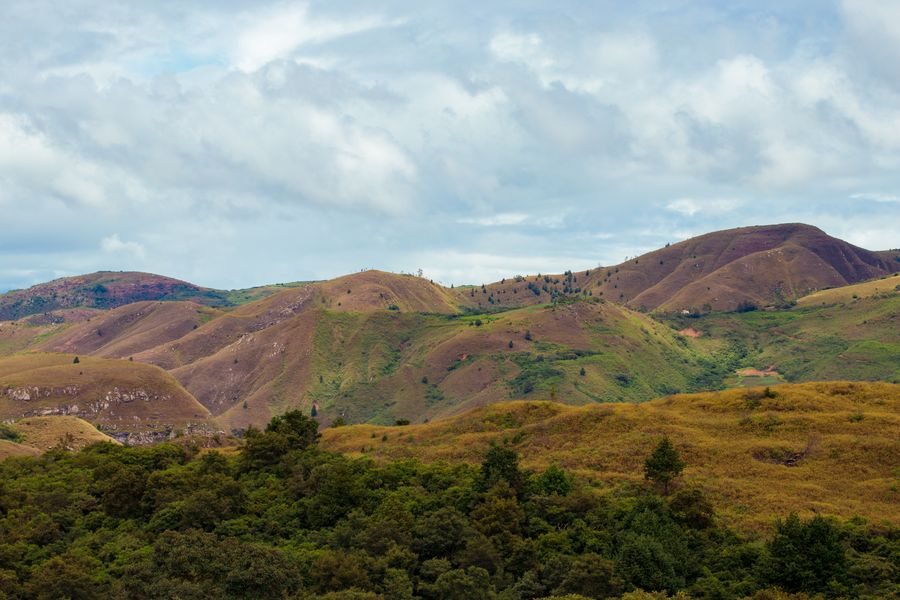
The Sud Yungas around Chulumani has extensive hiking trail networks connecting farming communities through subtropical gorges, bamboo forests and roadside waterfalls. The Río Solacama gorge (45 min from town) has natural swimming holes. The Puente Colorado trail (2h loop) follows the historic colonial road between Yanacachi and Chulumani through citrus and avocado groves. Unlike Coroico, these trails have no tourist infrastructure — you walk through working agricultural land.
Taquesi Trail Connection
Yanacachi (2,150m), the finishing point of the Taquesi Inca Trail, is 1h from Chulumani by road. This makes Chulumani the natural base for trekkers finishing the Taquesi from the north (Chojlla) — arriving in Yanacachi and continuing to Chulumani for rest, food and a proper guesthouse. It is also possible to start the Taquesi in reverse from Yanacachi heading uphill toward the Mina pass (4,630m).
Citrus & Avocado Farms
The valleys below Chulumani produce exceptional citrus (naranja, limón mandarina), avocados, maracuyá, chirimoya and cacao at altitudes between 1,200 and 1,700m. Roadside stalls run by farming families sell at prices that are 70–80% cheaper than in La Paz. Several farms near Chulumani accept informal visits — the Finca Miravalles (15 min from town) offers orange juice pressing and cacao pod harvesting demonstrations outside dry season.
Afro-Bolivian Culture Access
The Afro-Bolivian communities of Tocaña, Mururata and Dorado Chico are accessed both from Coroico (Nor Yungas) and via a longer route through the Sud Yungas valleys. Chulumani is the cultural centre closest to the Afro-Bolivian historical trajectory — the coca and sugar plantations that were worked by enslaved Africans in the 16th–18th centuries are in the valleys between Chulumani and Coroico. The Museo Afroboliviano in Coroico contextualises the history that is lived in the Chulumani valleys.
— Gallery
Bolivia in focus
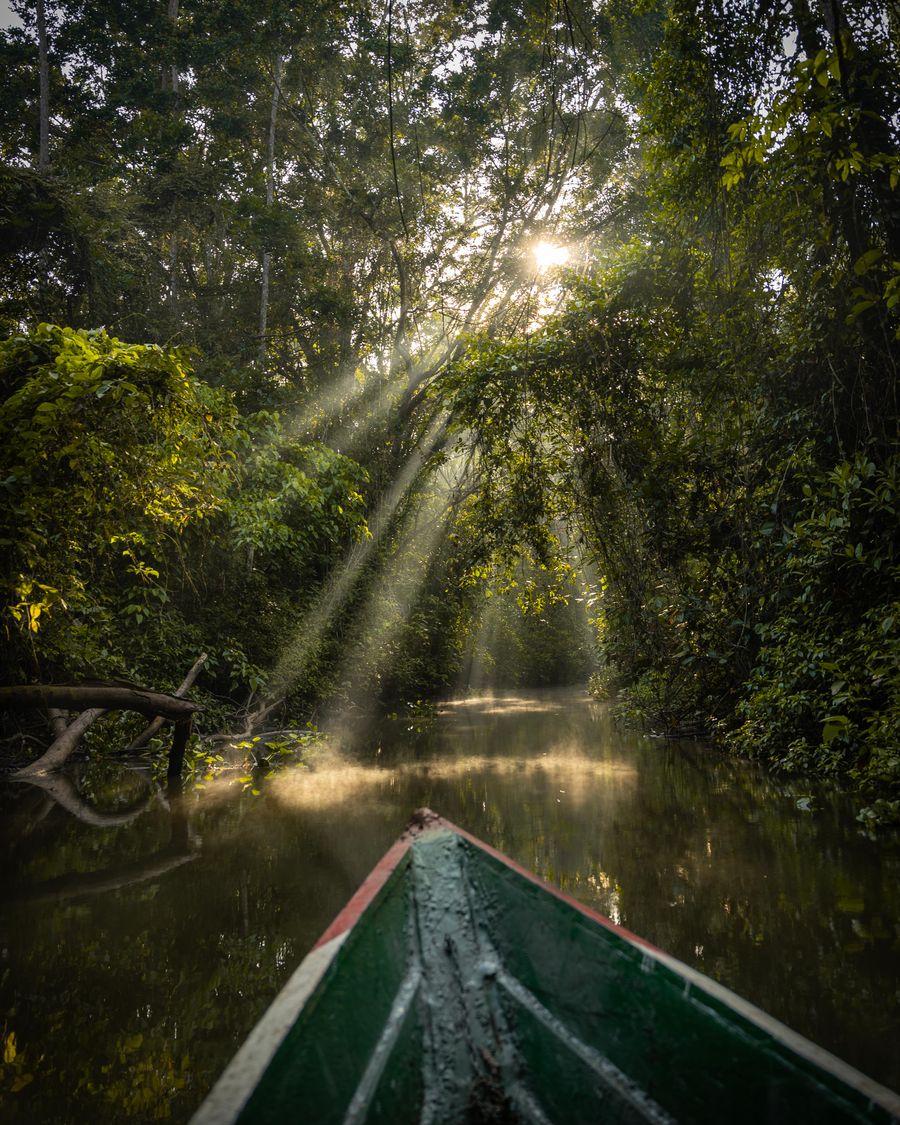
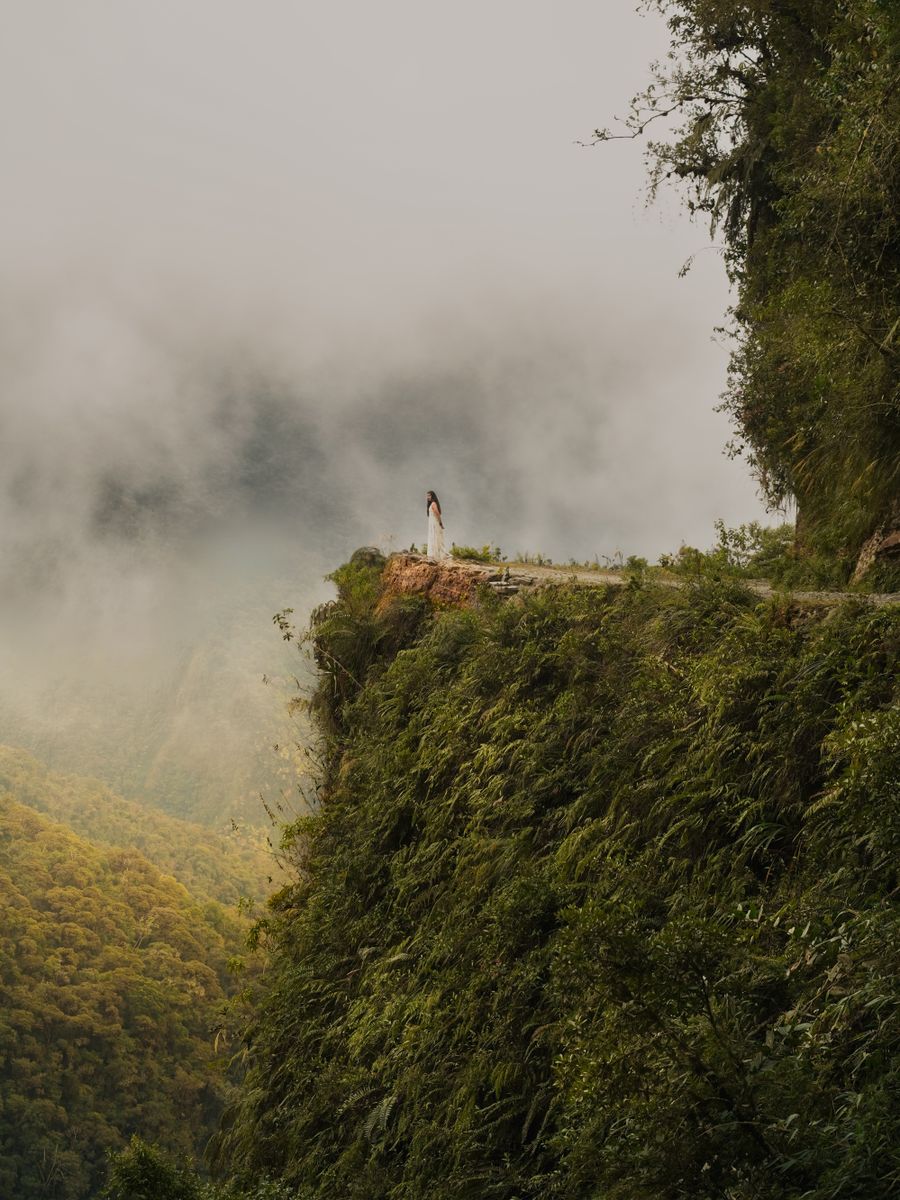
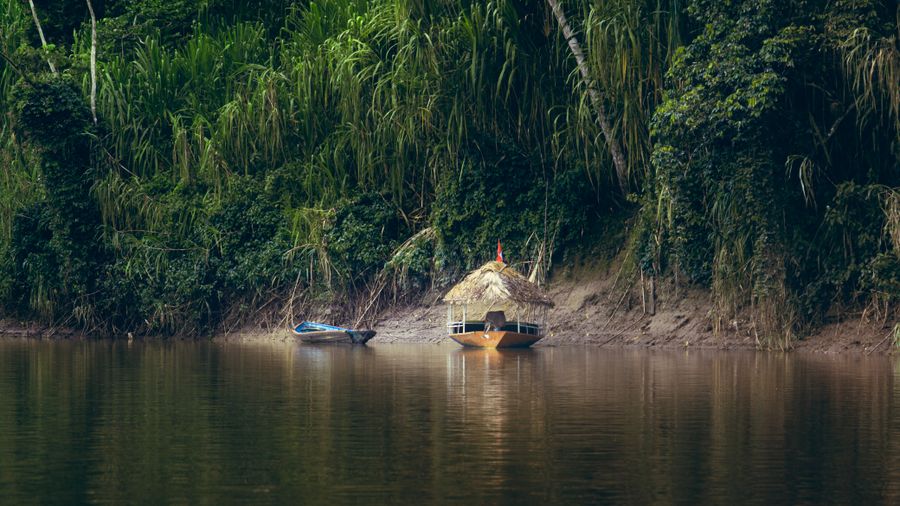
Real photography from our routes. No stock images. Hover to explore.
Getting there, staying and settling in.
How to get to Chulumani
- Bus from La Paz (Villa Fátima terminal): 3–3.5h · departures 5–8am · ~20–25 Bs.
- Shared taxi: ~60–80 Bs per person · faster and more direct than the bus.
- Private vehicle: ~$50–70 USD from La Paz · road partly paved, partly gravel.
- Route: La Paz → Unduavi → Sud Yungas branch road → Chulumani. Gravel sections on the Sud Yungas road.
- Dry season (May–Oct): recommended for the gravel sections of the road.
Accommodation and what to combine
- Hostals on Chulumani main plaza: 80–150 Bs/night. Hotel Prefectural: only one with pool and valley views.
- Combine with: Tocaña Afro-Bolivian community (20km) and the Taquesi Trail (1 day).
- Classic itinerary: Friday evening from La Paz → Sunday market → Tocaña Monday → return.
- 4x4 rental recommended for exploring the Sud Yungas valley beyond Chulumani.
- Citrus harvest (April–July): the best time to combine market, fresh fruit and sunshine.
Sunday market.
Freshly harvested coca.
We design your Sud Yungas itinerary — Chulumani, Taquesi, communities and the Sunday market.
$90 · €85 · Bs. 623