Altitude
4,200m
Colonial dams
32
Built 1573–1621
17th c.
From Potosí centre
15 min
No entrance fee
Free
How Kari Kari fed the Spanish Empire
1573–1987: the engineering that made Cerro Rico possible.
1573
The water problem
The silver amalgamation process with mercury required vast quantities of water. At 4,100m, there were no permanent rivers. Viceroy Francisco de Toledo ordered the most ambitious engineering project in colonial America.
1573–1621
48 years of construction
32 earth-and-stone dikes connected by canals and wooden sluice gates. Built with mita forced labour: indigenous communities compelled to provide workers under threat of imprisonment or worse.
17th c.
The engine of the Empire
Water descended from the reservoirs to the ingenios (hydraulic mills) of Cerro Rico. Without Kari Kari, mass silver extraction was impossible. The system was the invisible heart that kept the Spanish Empire running.
1987
UNESCO Heritage
All 32 reservoirs remain intact and most are still full. Part of Potosí's UNESCO World Heritage Site since 1987. The 17th-century canal system is still visible between the dikes. The largest surviving colonial hydraulic engineering system in the Americas.
One fact says it all: Potosí minted more coins than all of Europe combined during the 17th century. Every silver coin required water — the water from Kari Kari. Without these 32 reservoirs, there was no silver, no currency, and the financial history of the modern world would have been different.
What to see and do at Kari Kari.
Potosí's most underrated excursion — and the most accessible.
🥾Trekking between the dams
- 2–4h routes across the 32 colonial dikes
- Circular or linear trail depending on time available
- Cerro Rico as permanent backdrop
- No crowds — minimal mass tourism
🦅High-Andean birdwatching
- Flamingos in wet season (Dec–Mar)
- Torrent duck, Andean ibis, variable hawk
- Large flocks of parina grande common in Feb–Mar
- Binoculars essential at this altitude
📸Landscape photography
- Best light: sunrise and 1h before sunset
- Cerro Rico reflected in the calmest lagoons
- Deep blue skies in dry season (May–Oct)
- No barriers — free access to the shores
🏛️Living colonial history
- The dams funded silver extraction at Cerro Rico
- 17th-century canal and sluice system still operational
- Part of Potosí's UNESCO World Heritage Site (since 1987)
- A local guide adds essential mita colonial context
🌿High-Andean flora
- Ichu, paja brava and queñua at 4,200m
- Candelabra cactus on dry slopes
- Mosses and lichens along dam shores
- No marked trails — navigate by cairns
🌅Combined Potosí day trip
- Morning in Cerro Rico + afternoon at Kari Kari
- Combinable with Casa de la Moneda and historic centre
- Shared taxi from Plaza 10 de Noviembre
- Lunch in Potosí before heading up to the lagoons
Getting there, when to go and what to bring.
Everything you need for a smooth visit.
🚕Getting there
- Taxi from Potosí centre: ~Bs 15–20 · 15 minutes
- Walking from the city: 3.5km uphill, ~50–60 min
- Potosí agencies offer half-day tours (~$15–25)
- No direct public transport — taxi is most practical
📅When to go & what to bring
- Best time: May–October (dry season, clear skies)
- Flamingos: December–March (reservoirs with more water)
- Avoid rainy afternoons — lightning risk at 4,200m
- Bring: warm layers (5–10°C), SPF50+ sunscreen, water (2L), snacks
FAQ
Plan your visit
Kari Kari + Potosí in one day.
We arrange custom itineraries combining Cerro Rico, Casa de la Moneda and Kari Kari. No-obligation consultation.
Book consultation → $90 · €85 · Bs. 623— Gallery
Bolivia in focus
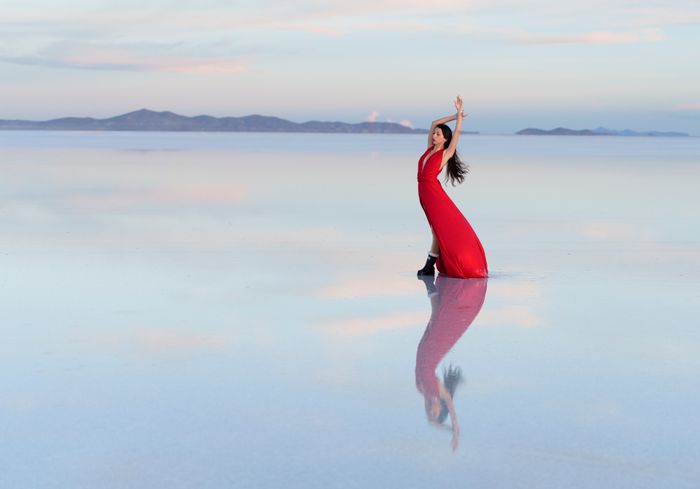
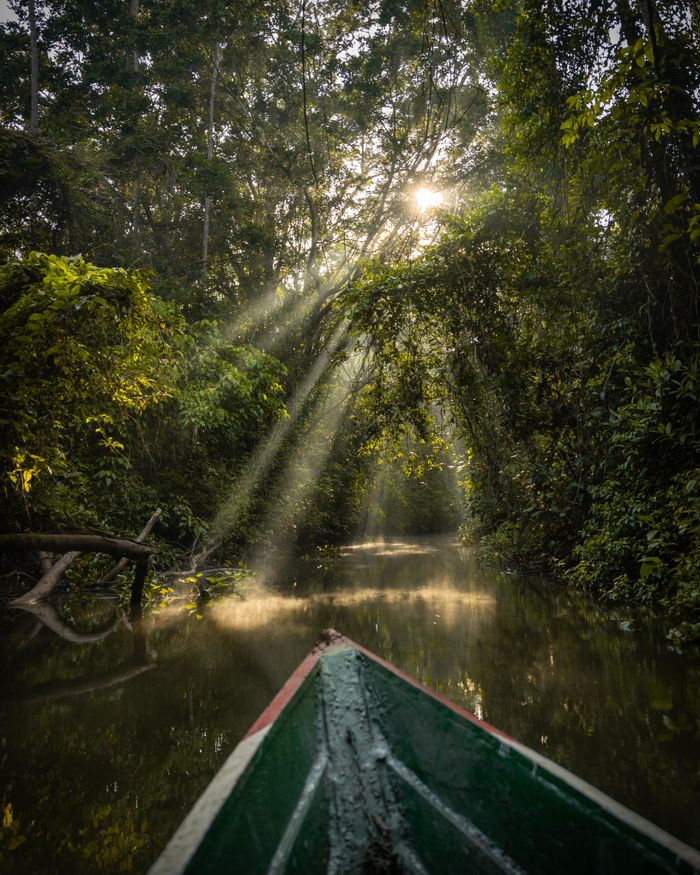
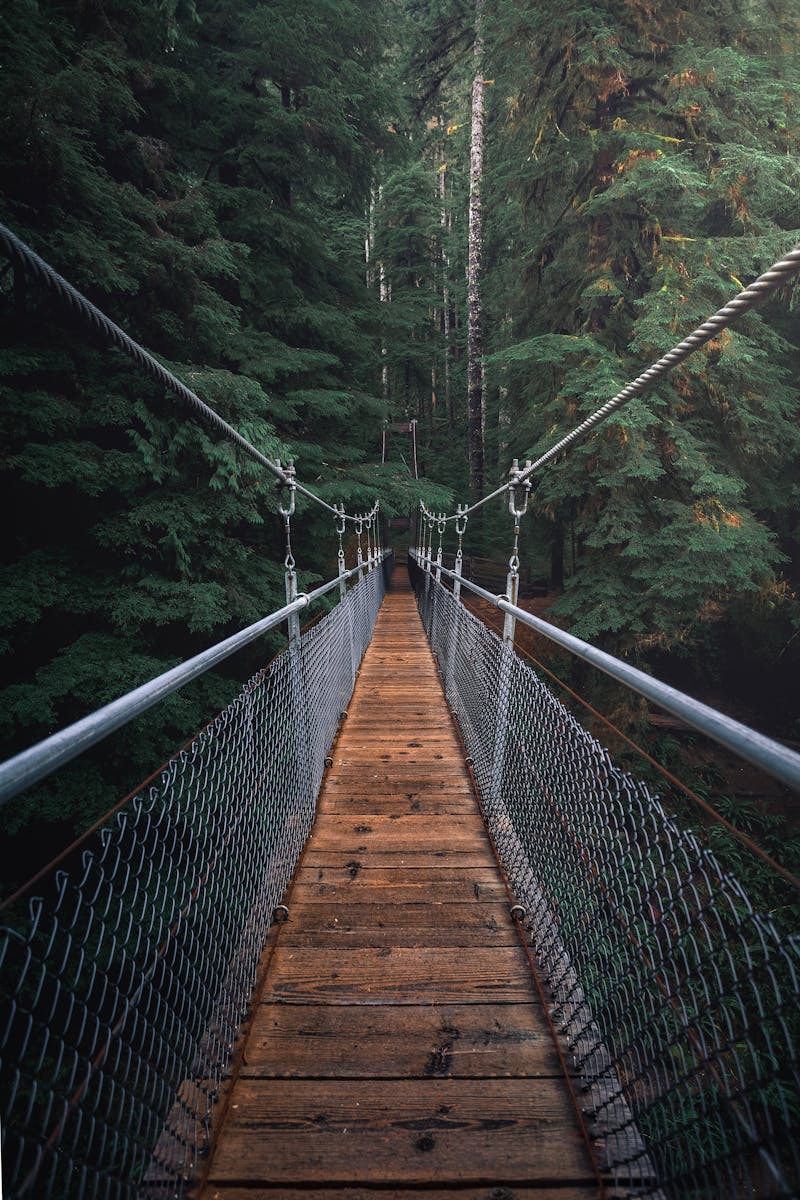
Real photography from our routes. No stock images. Hover to explore.