
Three itineraries. One imperial city.
- Day 1: Casa de la Moneda (morning) + colonial churches + central market at midday
- Day 2: Cerro Rico mine tour (3–4h, morning) + Laguna Kari Kari (afternoon)
The minimum viable. The two essential sites: the institution that minted the Empire and the mountain that funded it.
- Day 1: Casa de la Moneda + San Lorenzo Church + Cathedral + Quijarro street
- Day 2: Cerro Rico mine tour (morning) + Laguna Kari Kari (afternoon)
- Day 3: Day trip to Sucre (3h bus, full day or overnight)
The standard itinerary. Time to see Potosí properly and add the natural Sucre excursion.
- Days 1–2: City in depth — Casa de la Moneda, museums, 36 churches
- Day 3: Full Cerro Rico tour + Tarapaya hot springs (afternoon)
- Day 4: Sucre excursion + Tarabuco (if Sunday)
- Day 5: Free + market + Laguna Kari Kari
The perfect week on the Bolivian altiplano. Combines Bolivia's densest historical heritage with the best excursions.
Six essential experiences.
Selected by Bolivians. Potosí without the usual travel guide shortcuts.
Casa de la Moneda
The Real Casa de la Moneda was built between 1572 and 1773 — 11,000m² of colonial architecture that housed the machinery for minting every silver coin used across the Spanish Empire. The 33-room museum contains original colonial coining machinery (massive wooden gears driven by water power), Baroque art, viceregal silver artefacts and the famous Máscarón — a strange grinning face above the entrance whose identity remains debated. The collection of silver coins tells the complete economic history of colonial America.
Cerro Rico Mine Tour
Tours into the active Cerro Rico cooperative mines are one of Bolivia's most visited and most debated experiences. You enter with a helmet, headlamp and protective suit into tunnels where miners still work — you can see the conditions, meet the miners and understand what the extraction of silver has meant for the human beings who did it. Before entering: the miners' market, where you buy offerings (coca leaves, 96% alcohol, dynamite) to give workers in exchange for conversation.
36 Colonial Churches
UNESCO registered 36 colonial churches in Potosí's historic centre — the densest concentration of colonial religious architecture in Bolivia. Key visits: San Lorenzo (the finest baroque stone facade in the country — carved by Andean indigenous craftsmen combining European baroque with pre-Inca motifs); the Cathedral (twin-tower neoclassical on Plaza 10 de Noviembre); San Francisco (Franciscan, 1547, the oldest church in Potosí); Belén (interior colonial painting). Many churches charge ~10–15 Bs entrance.
Laguna Kari Kari
The Kari Kari lagoon system consists of 32 artificial reservoirs built by the Spanish from 1574 to power the hydraulic machinery of the silver refineries in Potosí. They represent one of the largest hydraulic engineering projects of the 16th century. Today the lakes (at 4,150–4,300m) are used for recreation by Potosinos and offer spectacular altiplano hiking. The walk from the city takes 2–3 hours return; taxi is 15 minutes. At dawn the lakes reflect the surrounding altiplano peaks.
Central Market & Food
The Potosí central market is the most complete surviving colonial-era market space in Bolivia — a covered iron structure from the 19th century with permanent stalls of produce, prepared food and local crafts. Breakfast specialties: api blanco or api morado (hot white or purple corn drink) with pastel or sopaipilla, best from the market stalls at 7–9am. Lunch: pique macho (beef, sausage, chips, peppers — the local institution), fricasé, or sopa de maní. The market chicha stalls serve the local corn beer on ceramic gourds.
Colonial Museums
Beyond the Casa de la Moneda, Potosí has a cluster of colonial museums worth an afternoon: the Casa Real de la Moneda holds the permanent numismatic collection; the Museo Universitario Tomás Frías has colonial painting including works attributed to Melchor Pérez de Holguín (the greatest colonial painter of Bolivia); the Museo del Convento San Francisco (open mornings) has the finest viceregal silver collection after the Casa de la Moneda. The Municipio building on the main plaza has a free photographic exhibition on Potosí's colonial history.
The weight of silver.
Six keys to understanding why Potosí is Bolivia's most significant city — and one of the most important places in human history.
Everything within 5 hours.
Sucre
Sucre is the most natural day trip from Potosí — or a 2-night combination. 3 hours by bus, dropping from 4,090m to 2,750m (a welcome altitude relief). The city's whitewashed colonial centre, Casa de la Libertad (where Bolivian independence was signed in 1825), Cal Orcko dinosaur tracks and the Tarabuco Sunday market make this the densest cultural circuit in Bolivia. Many travellers do Potosí–Sucre as back-to-back stops on the same itinerary.
Tarapaya Hot Springs
Tarapaya is a natural hot spring complex 30km from Potosí at 3,500m — a small geothermal lake (the "Eye of God") and surrounding pools where the water stays at 30–35°C. It is the closest natural escape from Potosí's cold. The lake itself is striking: a perfectly circular geothermal pool in a volcanic crater, with water ranging from tepid at the edges to warm at the centre. Local families use it on weekends.
Uyuni & Salar de Uyuni
Uyuni is 4–5 hours from Potosí on a road that crosses the altiplano at 3,600–4,000m. The route passes through mining villages, volcanic landscapes and high altiplano wetlands. Uyuni town is the base for the Salar de Uyuni (10,582 km²) — the world's largest salt flat. Most Bolivia itineraries do Uyuni → Potosí → Sucre (or the reverse) as the altiplano circuit. An overnight in Potosí followed by a full Uyuni 4×4 excursion is the standard.
Betanzos
Betanzos is a small colonial mining village 45 minutes from Potosí at 3,300m — a quieter, less-visited version of Potosí's story. The 16th-century church, weekly market (Thursdays) and surrounding altiplano landscape give a sense of the mining culture beyond the city. In the surrounding hills: dinosaur footprints and petroglyph walls discovered in the 1990s, similar in scale (though smaller) to Sucre's Cal Orcko. Not commonly included in standard Potosí tours — worth adding if you have a day.
Getting there and getting around.
How to get to Potosí
- From Sucre: bus 3h, multiple daily departures, ~25 Bs. The most popular route.
- From La Paz: overnight bus ~11h or daytime ~10h, several companies, ~80–100 Bs. Recommended to arrive during the day to enjoy the altiplano landscape.
- From Uyuni: bus 4–5h, partially unpaved (passable in dry season), ~40 Bs.
- From Oruro: bus 3–4h.
- Potosí has no operational commercial airport — all access is by land.
- The Sucre–Potosí route (3h) is recommended: gradual acclimatisation from 2,750m to 4,090m.
How to get around Potosí
- The historic centre is compact and walkable — main sites within 10–20 min on foot from Plaza 10 de Noviembre.
- Taxis: abundant, ~10–20 Bs for any journey within the city.
- For Cerro Rico: tours include transport from the centre (~15–20 min by taxi or tour minibus).
- For Laguna Kari Kari: taxi ~15 min, ~50–70 Bs one way.
- For Tarapaya: taxi ~30 min, ~150–200 Bs return with wait.
- The altitude (4,090m) makes any walk feel more demanding — distances are short but take them slowly.
When to visit Potosí.
Connected routes and ecosystems.
Potosí is the node connecting the Altiplano with the Bolivian Valleys — four Love Bolivia routes pass through here.

— Gallery
Bolivia in focus
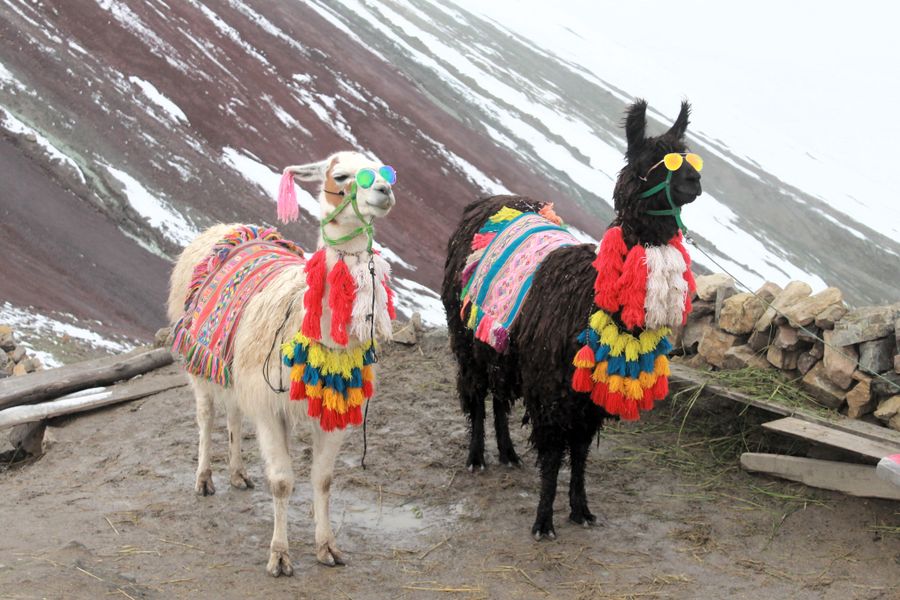
Real photography from our routes. No stock images. Hover to explore.

Questions about Potosí.
The 9 most common questions about travelling to the Villa Imperial de Potosí.
Plan your trip with us →Cerro Rico
is waiting.
45 minutes. We design your Potosí and Bolivia itinerary with logistics, accommodation and a realistic budget.
$90 · €85 · Bs. 623