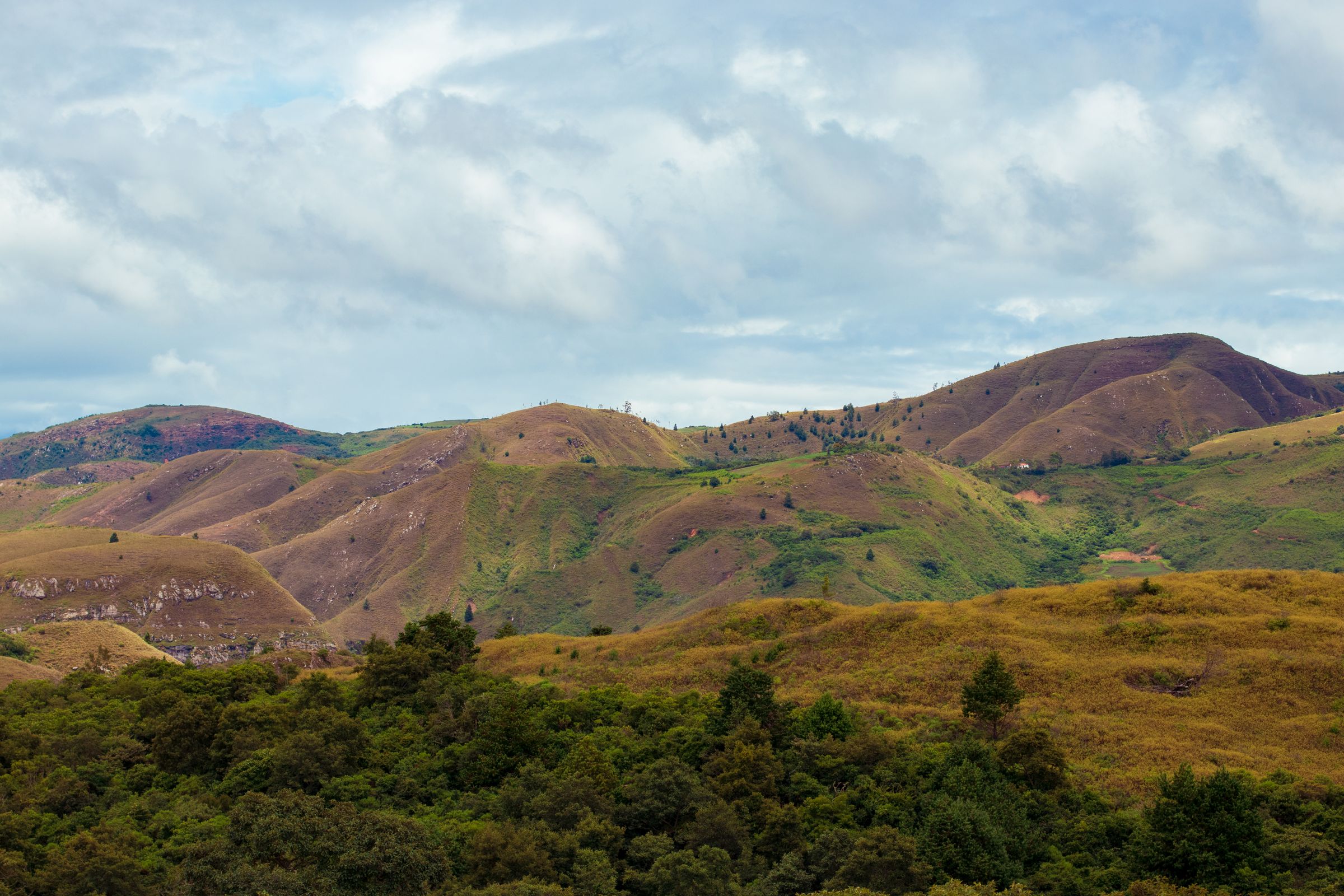
Three itineraries. One forest.
- Day 1: El Fuerte UNESCO (morning, 9km) + Samaipata Museum + town at dusk
- Day 2: Amboró Bermejo sector or La Yunga trail — cloud forest + birding
The minimum viable. El Fuerte + basic Amboró. If arriving from Santa Cruz, start day 1 in the afternoon and extend day 2.
- Day 1: Arrival + town + Samaipata Museum
- Day 2: El Fuerte UNESCO (morning) + local trails (afternoon)
- Day 3: Deep Amboró — Bermejo sector, long walk, local guide
- Day 4: La Higuera (3h) — where Che Guevara was captured and executed in 1967
The standard itinerary. Combines archaeological heritage, cloud forest and Bolivia's contemporary history.
- Days 1–2: Town + El Fuerte + cloud forest introduction
- Days 3–4: Deep Amboró — two distinct sectors, ornithologist guide
- Day 5: La Higuera + Vallegrande (full Che Guevara trail)
- Day 6: Río Los Negros + waterfalls + local farming communities
- Day 7: Free + town market (Sundays) + return to Santa Cruz
The perfect week in the heart of Bolivia's cloud forest.
Six essential experiences.
Selected by Bolivians. The cloud forest without the standard tourist circuit.
El Fuerte de Samaipata
El Fuerte is a 2,000m² sandstone rock covered with pre-Inca carvings — channels, feline figures, serpents and astronomical representations carved by the Chané, Mojocoyas and later Inca cultures between 300 AD and 1400 AD. It is the world's largest petroglyph and UNESCO World Heritage since 1998. The site also includes administrative structures, residential platforms and a ritual water system. The Samaipata Museum in town has the excavated artefacts and contextualises the site.
Amboró National Park
Amboró covers 637,600 hectares with 829 confirmed bird species — more than all of Europe. Access from Samaipata: the Bermejo sector (45 min from town) and the La Yunga trail. Cloud forest trails from 1,500 to 2,800m: quetzals, toucans, hummingbirds (25+ species), spectacled bears and pumas. A dedicated birding guide from Samaipata can achieve 80–120 species in a single Bermejo dawn walk. The park has no tourist infrastructure inside — all visits depart from Samaipata.
Cloud Forest Trails
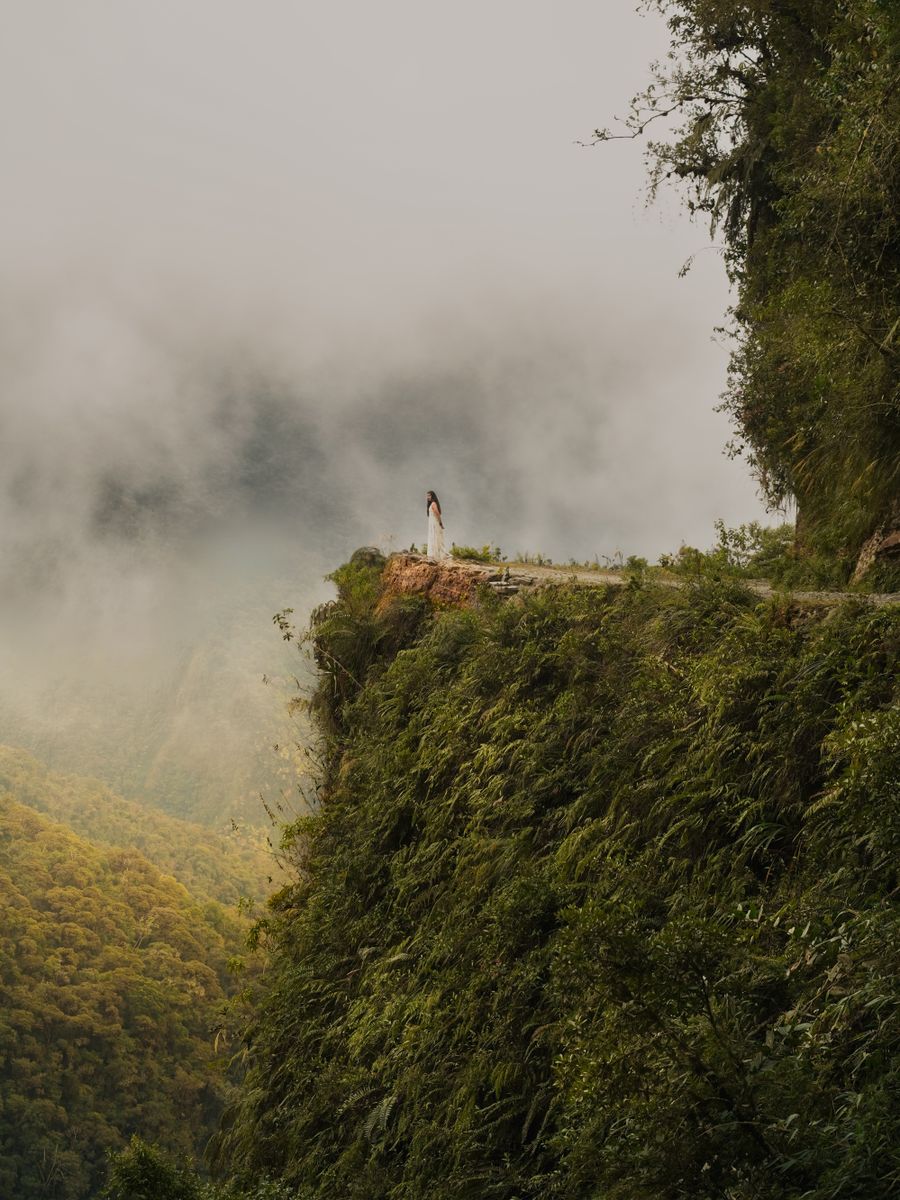
Samaipata sits in the middle of the Tucumano-Bolivian cloud forest — trail access begins at the edge of the village. The La Yunga trail (3–5h return from town) goes through primary cloud forest with tree ferns up to 10m, bromeliads, orchids and the moss-covered canopy typical of the ecosystem. The El Bosquecillo trail is shorter (1.5h loop) and accessible without a guide. For higher-altitude cloud forest: guided ascent to 2,500m via the Amboró western edge.
La Higuera · Che Guevara
La Higuera is the small village where Ernesto "Che" Guevara was captured by the Bolivian army on 8 October 1967 and executed the following day. The schoolhouse where he was held is preserved as a memorial. Vallegrande (30km from La Higuera) is where his body was displayed and where his remains were found in 1997 — now a place of pilgrimage. The landscape of the Vallegrande valleys en route is genuinely beautiful. A full day from Samaipata includes both La Higuera and Vallegrande.
Samaipata Town
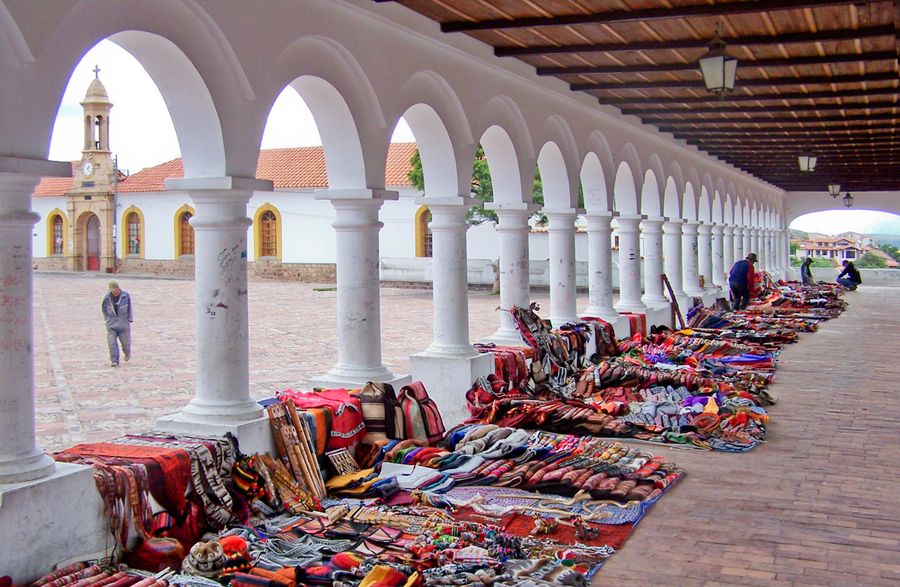
Samaipata has an unusual character for a Bolivian town of 5,000 people: a mix of local Bolivian families, an international community (Germans, Swiss, Americans, Argentines who settled over the last 30 years) and seasonal travellers has created unexpectedly good restaurants, craft workshops and a relaxed social life around the main plaza. The Sunday market on the plaza is the social event of the week. Artisan woodwork, ceramics and textiles from local families are sold directly at fair prices.
Mountain Biking
Samaipata is the end point of one of Bolivia's most scenic mountain bike descents: the Santa Cruz–Samaipata route drops from the Andes into the cloud forest along back roads with spectacular valley views. Several agencies in Samaipata offer guided day rides on local forest tracks (15–45km, 500–1,500m vertical). The cloud forest riding is technical — root-covered trails, slippery switchbacks, and sudden views over the valley that require stopping. Best done with a local guide.
The cloud forest: what few expect.
Six keys to understanding why Samaipata is one of Bolivia's most interesting destinations — beyond the standard Santa Cruz circuit.
Everything within 3 hours.
El Fuerte UNESCO
El Fuerte is 9km from Samaipata on a paved road — the most accessible UNESCO site in Bolivia. The guided visit takes 1.5–2 hours: rock channels, feline and serpent carvings, astronomical alignments and the surrounding Inca administrative structures. The Samaipata Museum in town (Calle Bolívar) should be visited before or after for the excavated ceramics and the site's full archaeological context.
Amboró · Bermejo Sector
The Bermejo sector is the closest Amboró access point from Samaipata — 45 minutes by vehicle. A single dawn Bermejo walk with a specialist guide can record 80–120 bird species before 10am. The trail goes through primary cloud forest with tree ferns, mossy canopy and multiple waterfalls. For deeper Amboró immersion: overnight camping at the La Yunga shelter (arranged through Samaipata agencies). The park has no tourist infrastructure inside.
La Higuera & Vallegrande
La Higuera is where Che Guevara was captured (8 October 1967) and executed (9 October 1967). The preserved schoolhouse memorial and the surrounding landscape of the Vallegrande valleys make this a full-day historical excursion from Samaipata. Vallegrande (30km from La Higuera) has the Hospital Señor de Malta where Guevara's body was displayed on a stone laundry table for press photographs — now a museum. The valley road scenery is extraordinary in its own right.
Río Los Negros & Waterfalls
The Río Los Negros flows through the lower valleys below Samaipata, with natural swimming pools in the dry season (May–October) when water levels drop. The road follows the river through farms growing citrus, avocado, coffee and corn — local families sell produce directly from the roadside. Several accessible waterfalls within 30–45 minutes of the river road. A half-day that shows the agricultural side of Samaipata and the transition from cloud forest to subtropical valley.
Getting there and getting around.
How to get to Samaipata
- From Santa Cruz: bus from the bimodal terminal (micro or regular bus), 3h, ~25–35 Bs. Frequent departures from 6am.
- Shared taxi from Santa Cruz: ~80–100 Bs per person, faster than the bus, departs when full.
- Private taxi from Santa Cruz: ~400–500 Bs (negotiate before).
- From La Paz: flight to Santa Cruz (50 min, BoA/Amaszonas) + bus or taxi to Samaipata (3h).
- From Sucre: overnight bus to Santa Cruz (12–14h) or flight + bus. Also possible via Cochabamba.
- Santa Cruz airport (VVI-Viru Viru) receives international flights: Madrid, Buenos Aires, Lima, São Paulo, Miami.
How to get around Samaipata
- The village is completely walkable — everything 10–15 min on foot from the main plaza.
- For El Fuerte (9km): taxi from the plaza, ~30 Bs return including 2h wait.
- For Amboró and excursions: local agencies manage transport with their own or contracted vehicles.
- Samaipata taxis: not street taxis — ask at guesthouses or plaza. ~20–30 Bs for any local journey.
- Mountain bikes: rental at agencies on Calle Bolívar, ~150–200 Bs per day.
- Mototaxi: available for short journeys and trail access, ~15–25 Bs.
When to visit Samaipata.
Connected routes and ecosystems.
Samaipata is the central point of the Bosque Tucumano and the natural stop between Santa Cruz and the Bolivian valleys in four Love Bolivia routes.


— Gallery
Bolivia in focus
Real photography from our routes. No stock images. Hover to explore.
Questions about Samaipata.
The 9 most common questions about travelling to Samaipata and Bolivia's cloud forest.
Plan your trip with us →The forest is waiting.
Start in Samaipata.
45 minutes. We design your Samaipata and Bolivia itinerary with logistics, boutique accommodation and a realistic budget.
$90 · €85 · Bs. 623