

Always from San Rafael, 20km to the north.
- San Rafael → Santa Ana (20km unpaved, 45min)
- Main plaza and church facade
- Interior: finest preserved in the circuit
- Walk through the Chiquitano village
- Return to San Rafael or continue south/east
Santa Ana is almost always visited from San Rafael — 20km of unpaved road between them. The visit requires 2 hours in Santa Ana: the church, the plaza and a village walk reveal the best preservation of traditional Chiquitano community life in the circuit.
- Day 1: Santa Cruz → San Miguel (215km, 3.5h) → San Rafael (55km, 1.5h) · overnight San Rafael
- Day 2: Santa Ana (20km, 45min) → 2h in Santa Ana → return to San Miguel → Santa Cruz or San José
The classic southern sub-circuit. San Rafael + Santa Ana in two days is the most authentic Chiquitos circuit experience — the two most isolated, least visited and best preserved missions, combined in a 2-day excursion from Santa Cruz.
- Day 1: Santa Cruz → San José de Chiquitos (220km)
- Day 2: San José → San Miguel (90km)
- Day 3: San Miguel → San Rafael (55km) → Santa Ana (20km)
- Day 4: Santa Ana → San Francisco Javier via Concepción
- Day 5: Concepción → Santa Cruz
Santa Ana as the penultimate stop of the full circuit. The southern route (San Rafael → Santa Ana) is the trip's highlight — the most remote and the most authentic. Plan Day 3 with an early start from San Miguel (7am) to have full time in both missions.
The most remote treasure in the circuit.
The last founded, the most isolated, the best preserved. Santa Ana de Velasco rewards the effort of getting there with the most authentic Chiquitano baroque interior of the six UNESCO missions.
The Finest Preserved Interior
Santa Ana de Velasco's church interior is widely considered the finest of the six UNESCO missions. The painted wooden ceiling panels, carved columns and altar elements retain their original 18th-century pigments and form in exceptional condition. Unlike some other missions where later generations painted over or modified the originals, Santa Ana's remote location meant fewer interventions — the isolation that makes it hard to reach is the same thing that preserved it. Hans Roth's restoration work here was more conservation than reconstruction.
The Last Mission Founded
Santa Ana de Velasco holds a particular historical significance: it was founded in 1755, just 12 years before the Jesuit expulsion from Spanish territories in 1767. The Jesuits must have sensed the growing political pressure against them — the church was completed with impressive speed and craftsmanship. The quality of the construction is all the more remarkable given the timeframe. The urgency to complete Santa Ana before the expulsion gave the craftsmen — Chiquitano artisans who had developed their skills over 70 years of mission construction — maximum artistic freedom and expertise.
Living Chiquitano Community
The ~3,000 residents of Santa Ana de Velasco are predominantly Chiquitano — the direct descendants of the mission's original community. Of all six UNESCO missions, Santa Ana has preserved the traditional community structure most faithfully: the relationship between the central plaza, the church, and the surrounding residential blocks functions much as it did in the mission period. The Bésiro (Chiquitano) language is heard in daily life more regularly in Santa Ana than in the more touristically developed missions.
Deep Chiquitano Forest
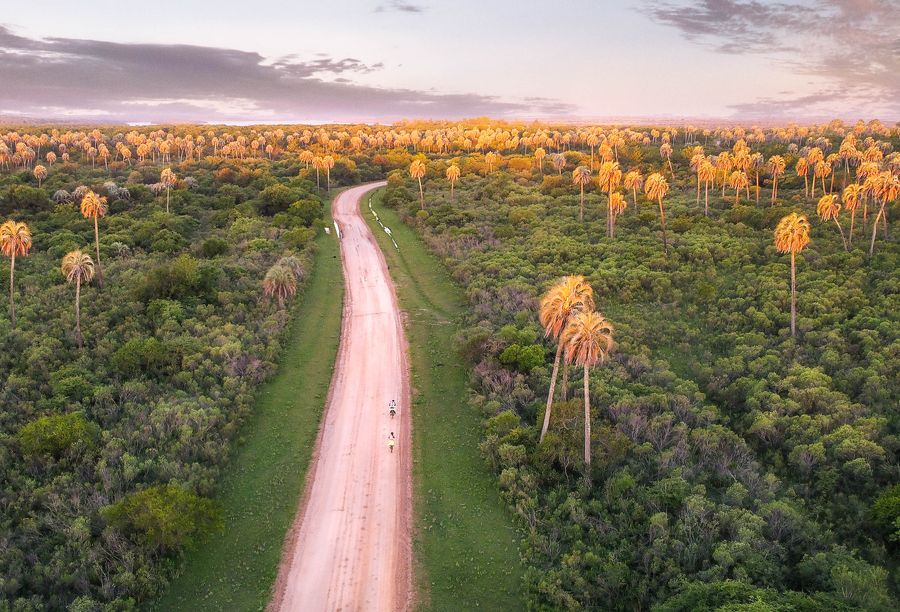
Santa Ana sits in the deepest section of the Chiquitano dry forest — the world's largest intact tropical dry forest (200,000 km²). The 20km unpaved road between San Rafael and Santa Ana passes through uninterrupted forest with higher wildlife density than the roads closer to Santa Cruz. Tapirs, giant anteaters, howler monkeys, peccaries and over 400 bird species are present. The isolation of Santa Ana means the surrounding forest has been subject to less hunting pressure than areas near larger towns.
The Unpublicised Treasure
The story of Santa Ana's exceptional preservation is the story of productive neglect. After the Jesuit expulsion of 1767, the Chiquitos missions entered decades of decline. The more accessible missions suffered more modification: new coats of paint, structural changes, replacement of original elements with later versions. Santa Ana, at the end of the most difficult road in the circuit, was largely left alone. When Hans Roth arrived, he found the 18th-century original in better condition here than anywhere else. His restoration was consequently the most conservative.
Chiquitano Baroque Music Tradition
The Chiquitano baroque music tradition is one of the most extraordinary cultural survivals in South America. The Jesuits composed hundreds of pieces for indigenous choirs and orchestras between 1691 and 1767. These manuscripts were stored in the mission archives and largely forgotten until musicologist Piotr Nawrot rediscovered them in 1972. Santa Ana, as one of the six UNESCO missions, participates in the biennial EABO (Festival de Música Barroca de América) — held in even years, usually in April. The concert in Santa Ana's church, with its exceptional acoustic interior, is one of the festival's most intimate performances.
The expulsion that preserved everything.
Why the last mission founded is the best preserved: the paradox of isolation as preservation.
The complete southern sub-circuit.
San Rafael de Velasco · 20km north
San Rafael de Velasco (20km north of Santa Ana) is the natural companion visit and the staging point for the southern sub-circuit. Almost every visitor to Santa Ana overnight in San Rafael and visit Santa Ana the following morning. San Rafael has the most extensively painted church interior in the circuit (18th-century natural pigment murals) and the distinctive twin-tower facade. Together, San Rafael + Santa Ana constitute the most authentic and least-visited segment of the six UNESCO missions.
San Miguel de Velasco · 75km north
San Miguel de Velasco (75km north of Santa Ana — 20km to San Rafael then 55km more) is the junction point for the southern missions and the best-equipped base for the sub-circuit. San Miguel has Hans Roth's first restoration (1972), a women's weaving cooperative, and the most reliable accommodation of the southern missions. The main circuit road from Santa Cruz (paved) reaches San Miguel, making it the natural staging base.
San José de Chiquitos · 210km southeast
San José de Chiquitos (210km southeast of Santa Ana via Roboré and the main highway) is the natural anchor of the full circuit. From Santa Ana, the route east reaches Roboré (80km unpaved) then the main Santa Cruz–Brazil highway, and San José is 130km more west. San José has the largest mission complex (four buildings, stone facade) and the best accommodation of the circuit. It is also the most accessible (train from Santa Cruz stops here).
Santa Cruz de la Sierra · 310km
Santa Cruz de la Sierra (310km from Santa Ana — back via San Rafael and San Miguel) is the gateway to the entire Chiquitos circuit. All tour operators, car rental agencies and logistics for the circuit are based here. The city has international connections (via Bogotá, Lima, São Paulo) and domestic flights from La Paz and Cochabamba. Allow 1 night in Santa Cruz before and after the circuit.
310km from Santa Cruz. Only by 4×4.
How to get to Santa Ana de Velasco
- 310km from Santa Cruz: 215km paved to San Miguel + 55km unpaved to San Rafael + 20km unpaved to Santa Ana
- 4×4 essential in wet season (November–April)
- No direct public transport to Santa Ana — requires own vehicle or organised tour
- Recommended base: San Rafael (20km north) for the night before the visit
- Check road conditions before departure, especially the San Miguel–San Rafael stretch
In Santa Ana: what to know
- Visit time: 2 full hours (church + plaza + village walk)
- Church open for mass and visits — coordinate with the parish on arrival
- Accommodation: very basic options in the village — better to overnight in San Rafael
- Restaurants: local comedores only — bring additional supplies
- No ATMs — bring cash from San Rafael or San Miguel
- Saturday morning market: the best time to see the community gathered
May–September: the only safe window.
— Gallery
Bolivia in focus
Real photography from our routes. No stock images. Hover to explore.

Questions about Santa Ana.
The 5 most common questions about the most isolated and best-preserved mission in the Chiquitos circuit.
Plan the circuit with us →The most authentic.
The most preserved.
45 minutes. We design your Chiquitos circuit with San Rafael, Santa Ana and the 4 remaining missions.
$90 · €85 · Bs. 623