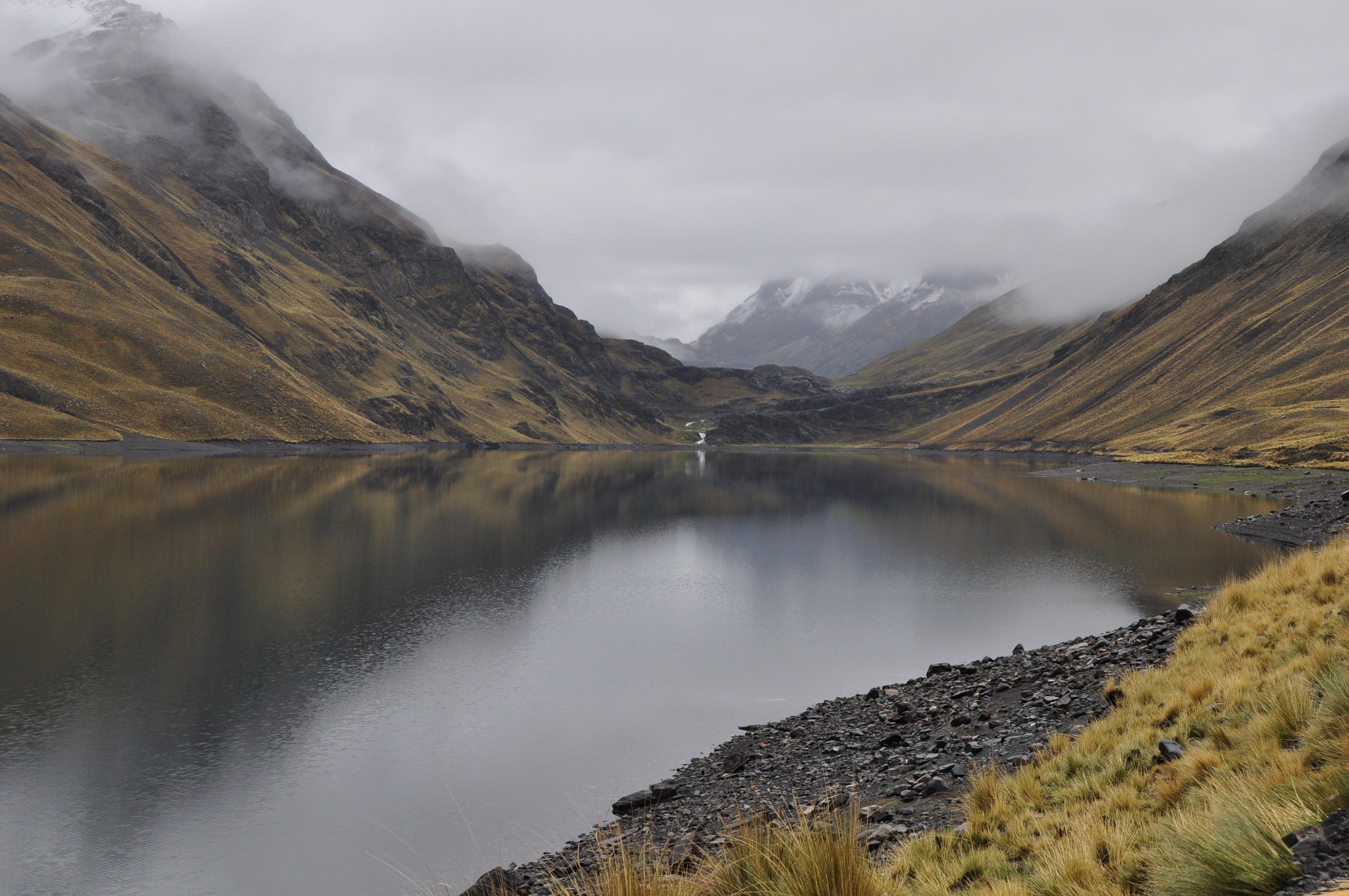
The cultural and gastronomic heart of Bolivia.
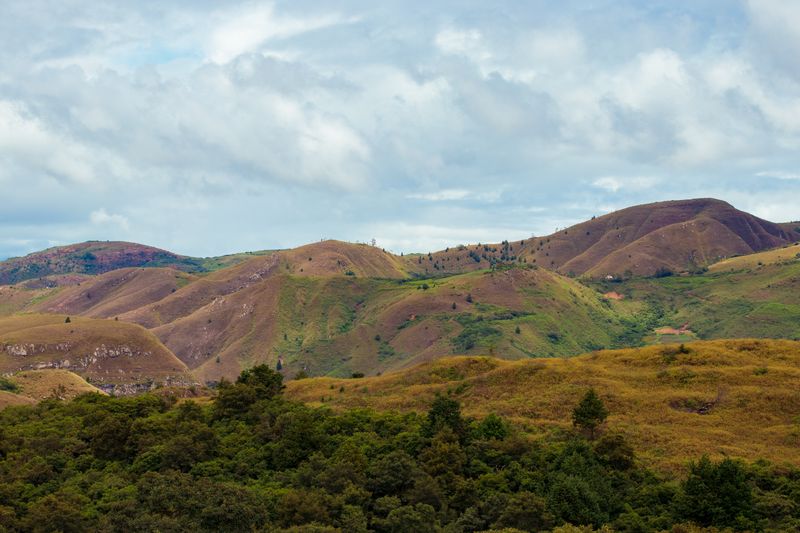
Bolivia's valleys are the temperate strip between the altiplano and the lowlands — fertile river valleys at 1,800–2,800m where temperatures hold between 15–22°C year-round. It's the most inhabited zone of Bolivia and the one that accumulated the most history: independence was born here, the constitutional capital is here, and here Bolivian cooking reaches its richest expression.
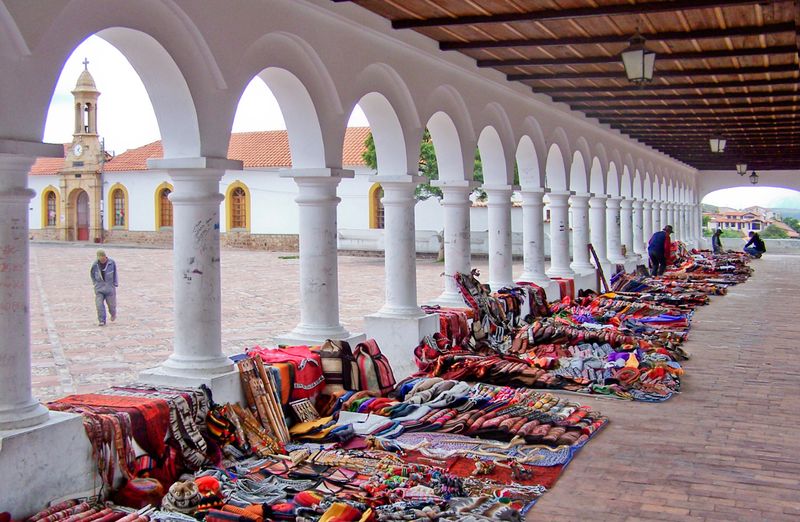
The valleys are the heart of Quechua culture in Bolivia. Cochabamba produces the chicha consumed across the country. Sucre holds the most complex jalq'a textiles on the continent. Tarija speaks with its own accent and produces wines at one of the highest vineyards on earth. Samaipata has the world's largest carved rock. And Torotoro has dinosaur tracks you walk at open air.
Valley altitude solves the altitude sickness problem: at 2,500–2,800m, the vast majority of travelers experience no symptoms. The body breathes well. The climate is ideal. The food is Bolivia's best. It is the most accessible and most underrated ecosystem.
Six cities, one temperature.




The valleys invented Bolivia\'s best food.
Six dishes and drinks that define valley cooking. All with context — where to eat them, how to order and what to expect.
Salteña
Bolivia's answer to the empanada — a thick braided pastry filled with a juicy stew of meat or chicken, potatoes, olives, egg and raisins. The key is the juice inside, which must not spill. Eaten standing up, with two hands, before noon only. Salteñas eaten with cutlery mark the tourist.
Silpancho
A thin, breadcrumbed beef schnitzel (pounded flat, the size of a dinner plate) served over white rice, fried potatoes and a fried egg. Topped with a fresh tomato and onion salsa. Cochabamba's signature dish. A complete meal for under $3. At the Cancha market, the best silpanchos are cooked in front of you.
Pique Macho
A sharing dish of chopped beef and sausage sautéed with peppers, onions, tomatoes and beer, served over a bed of fried potatoes and topped with hard-boiled egg, yellow mustard and llajua (the Bolivian chilli sauce). Named for its heat. Serves 2–4. A Cochabamba lunchtime staple.
Chicha
A fermented corn drink with a history of 4,000 years in the Andes. Slightly alcoholic, cloudy, sour-sweet. Brewed by women (chicheras) in earthenware vats, served in huge glasses (chicherías have a white flag outside when fresh batches are ready). Cochabamba's chicha is considered the benchmark. An acquired taste and a cultural ceremony.
Charque
Sun-dried and freeze-dried llama or beef — one of the oldest food preservation techniques in the Andes, dating to pre-Inca times. The same technique used for chuño. Charque is used as an ingredient in stews and rice dishes (majadito in the lowlands, charque cochabambino in the valleys). The flavour is deeply concentrated, slightly mineral.
Singani & Chuflay
Singani is Bolivia's national spirit — a grape brandy distilled exclusively from Muscat of Alexandria grapes grown above 1,600m. Unlike pisco (Peruvian/Chilean), singani is a geographical indication: if it's not made in Bolivia's Tarija or Cinti valleys, it's not singani. A chuflay is singani + Sprite + lime. The drink of every Bolivian fiesta.
Vineyards at 3,000 metres.
Bolivia produces wine and singani (grape brandy) in Tarija and Chuquisaca departments, at altitudes of 1,700–3,100m — among the highest vineyards on earth. Extreme altitude, intense UV radiation and cold nights produce wines with high acidity and concentrated fruit. Singani — distilled from Muscat of Alexandria grapes — is Bolivia's national spirit and the base of the national cocktail, the chuflay.
Perfect climate year-round.
The valleys are well connected.
Two routes that pass through the valleys.

— Gallery
Bolivia in focus
Real photography from our routes. No stock images. Hover to explore.


Ready to eat
the world\'s best salteñas?
45 minutes. We design your valley itinerary with gastronomy, culture and logistics.
$90 · €85 · Bs. 623