Skip to content
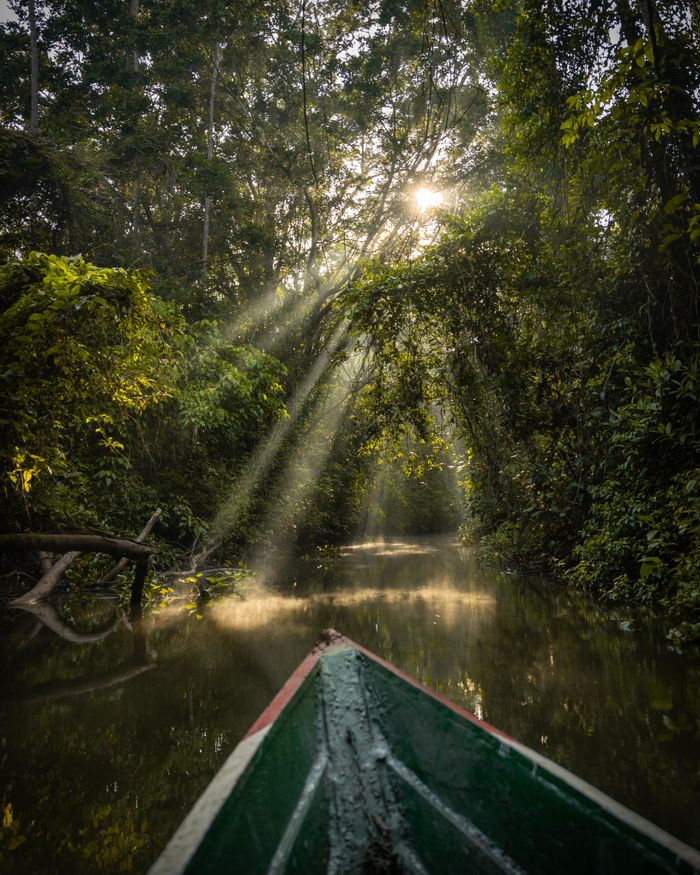
Río Pilcomayo en Villamontes, Bolivia — el río más productivo del Gran Chaco, capital pesquera boliviana
— Ecosystem · Bolivian Gran Chaco380m

Villamontes,
Bolivia.

Bolivia's fishing capital on the Río Pilcomayo. The country's largest dorado. The Fiesta del Pescado — August, three countries, one river. Where the Andes dissolve into the Chaco.

Altitude
380m
Max temp.
46°C record
Festival
August
River
Pilcomayo
From Tarija
3h by bus
Argentina border
90km (Yacuiba)
— Gateway to the Chaco

The river that makes Bolivia a fishing capital.

Villamontes would be nothing without the Pilcomayo. The river enters Bolivia from the high plateaus of Potosí, drops 3,000m in 400km and arrives here laden with Andean sediment and fish that have swum from the heart of Argentina. This point — where the river leaves the mountain — is one of South America's greatest river fishing destinations.

The Chaco begins here too. The thorny vegetation, century-old algarrobo trees and dry heat that can reach 46°C in January are the Bolivian version of an ecosystem stretching thousands of kilometres to the Río de la Plata. Villamontes is Bolivia's most Chaco city.

🌊
Where the Andes dissolve
Villamontes sits at the precise point where the last Andean foothills yield to the Chaco plain. The river changes character here: from torrential to slow and powerful.
🐟
The river that produces most fish
The Pilcomayo is one of the last great South American rivers with intact migratory populations of dorado and surubí. The August dorado run is one of the most spectacular natural events in the Chaco.
🏘️
Weenhayek and Tapiete people
The Weenhayek (Mataco) and Tapiete are the Pilcomayo's original peoples. Their caraguatá palm-leaf baskets and weavings are the finest in the Bolivian Chaco — available at the market during the Fiesta.
🦅
Bird migration corridor
The Pilcomayo is a migratory highway. October-November brings dozens of shorebird, heron and stork species from Argentina and Paraguay — including the jabiru, the largest stork on the continent.
— The most authentic festival in the south

The Fiesta del Pescado. August.

Bolivia's largest fishing festival. Three days on the Pilcomayo with fishermen from Bolivia, Paraguay and Argentina. This is not a festival designed for tourism — it is an authentic Chaco celebration that has happened for decades and welcomes visitors. The distinction matters.

Day 1
Opening and parade

Parade through the streets of Villamontes with traditional Chaco costumes, Weenhayek indigenous dance and live music. The main plaza becomes an open-air stage.

Day 2
Fishing competition

The festival's heart. Thousands of fishermen on the Pilcomayo compete in categories: largest dorado, largest surubí, largest pacú. Fish are weighed and returned to the river per fishing regulations.

Day 3
Gastronomy and closing

The day of dorado a las brasas — the Chaco's best cooks prepare fish over quebracho wood fires on the banks of the Pilcomayo. Chaco music concerts until dawn.

📅
When: First week of August. Exact dates vary each year — confirm with the Municipality of Villamontes (Tarija). Accommodation: book 3–4 weeks in advance. The city fills completely during the festival.
— The three fish of the Pilcomayo

Dorado, surubí and pacú.

The three fish that define the Pilcomayo fishing culture. Click each card for where and how to catch them.

🐟
The prize catch
Up to 30kg
Dorado
Salminus brasiliensis
The golden catfish — Bolivia's most prized river fish
🐠
The spotted giant
Up to 80kg
Surubí
Pseudoplatystoma spp.
The tiger catfish of the Chaco rivers
🫧
The local favourite
Up to 25kg
Pacú
Piaractus mesopotamicus
Bolivia's most popular river fish
— River and Chaco wildlife

The river brings the wildlife.

🦩
Jabiru stork
The Americas' tallest stork — up to 1.5m. Common on the Pilcomayo Oct–Dec.
🦦
Neotropical otter
Present in pools and banks of the Pilcomayo. Less visible than in the Beni.
🐊
Yacaré caiman
Abundant in Pilcomayo deep pools. Visible from the bank at dusk.
🦭
Capybara
Large groups in riverside vegetation — especially at dawn.
🦜
Military macaw
Ara militaris — the most Chaco-typical macaw. In flocks around the area.
🦌
Pampas deer
In grasslands of the pre-Chaco near Villamontes. Shy but frequent.
🐗
Collared peccary
In small herds in thorny forest south and east of the city.
🦔
Giant anteater
Present in Chaco grasslands to the north toward Camiri.
— When to visit

The Chaco in winter.

Jan
Feb
Mar
Apr
May
Jun
Jul
Aug
Sep
Oct
Nov
Dec
🎣August
Festival + dorado fishing peak
The reference month. The Fiesta del Pescado (first week) coincides with peak dorado migration. Climate is ideal: 25–32°C days, cool nights. Book accommodation 3–4 weeks ahead.
☀️May–Jul
Dry season — wildlife and fishing
Bearable temperatures (22–30°C), river wildlife concentrated and visible, fish acclimatised to low water. Fewer visitors than August. The ideal season for relaxed Pilcomayo fishing.
🦩Oct–Nov
Bird migration — riverside spectacle
The arrival of migratory birds from Argentina and Paraguay turns the Pilcomayo into an aerial highway. Jabirus, herons, roseate spoonbills, plovers and shorebirds at maximum concentration. The best month for birdwatching.
🔥Dec–Mar
Chaco summer — avoid
Temperatures of 40–45°C, heat index up to 50°C with humidity. Risk of power cuts and access problems on tracks toward Kaa-Iya. Only for those with very specific reasons to visit.
— Getting there

Three access routes.

🚌Recommended
Bus from Tarija

3 hours on paved road. Several companies operate the Tarija–Villamontes route daily. Price: $3–5 USD. Tarija has an airport (TJA) with direct flights from La Paz, Santa Cruz and Cochabamba. The flight + bus combination is the most comfortable option from any Bolivian city.

During the Fiesta del Pescado (August), buses fill quickly — buy your ticket at least 1 week ahead.
🚌From Santa Cruz
Bus from Santa Cruz

8–10 hours. Overnight departures from Santa Cruz Bimodal Terminal. Price: $10–15 USD. The route passes through Camiri (5h), Boyuibe and the pre-Chaco. Arrives early in Villamontes — ideal for breakfast by the river.

The highway to Camiri is paved. The Camiri–Villamontes section is also in good condition.
🇦🇷From Argentina
Yacuiba → Villamontes

The Bolivia-Argentina Yacuiba border crossing (Pocitos on the Argentine side) is 90km south of Villamontes. Shared taxis and buses cover the route (1.5h, ~$3 USD). Many Fiesta del Pescado visitors arrive from Salta and Jujuy this way.

The Yacuiba/Pocitos crossing is an official international border. Hours: 8am–8pm.
— Nearby destinations

Villamontes as base.

2–3h south by 4×434,411 km²
Kaa-Iya del Gran Chaco NP
Bolivia's largest national park
Access from Camiri or Boyuibe. Advance SERNAP permits required. Specialist guide essential.
Full guide →
3h north by bus1,866m · Wine capital
Tarija
Bolivia's wine and singani capital
Flights from La Paz and Santa Cruz. Wine route: Kohlberg, Campos de Solana, Casa Real wineries.
Full guide →
Surrounding Villamontes~250,000 km²
Gran Chaco Ecosystem
The second largest forest in South America
The Chaco begins right outside Villamontes. Day walks into the thorny forest with a local guide.
Full guide →
— FAQ

Frequently asked questions.

Still wondering? Write to us — we answer every question personally.

Get in touch →

Villamontes is a city of approximately 50,000 people in Bolivia's Tarija department, at 380m on the banks of the Río Pilcomayo where the Andes foothills give way to the Gran Chaco lowlands. Known as Bolivia's fishing capital due to the extraordinary dorado and surubí populations in the Pilcomayo, it hosts the Fiesta del Pescado every August — the country's largest fishing festival, drawing visitors from Bolivia, Paraguay and Argentina.

The Fiesta del Pescado is Bolivia's largest fishing festival, held in Villamontes during the first week of August for 3 days. Thousands of fishermen and visitors from Bolivia, Paraguay and Argentina compete in dorado and surubí competitions on the Río Pilcomayo. The festival includes live Chaco music, indigenous Weenhayek artisan crafts, and traditional gastronomy — especially dorado a las brasas (grilled dorado over quebracho wood fire). Accommodation must be booked 3–4 weeks in advance.

The Río Pilcomayo near Villamontes holds three premier fish: dorado (Salminus brasiliensis, up to 30kg) — the golden-coloured characin that migrates upstream from Argentina each year; surubí (Pseudoplatystoma spp., up to 80kg) — the tiger-spotted giant catfish active at night; and pacú (Piaractus mesopotamicus, up to 25kg) — the vegetarian round-bodied fish most commonly eaten. Also present: sábalo, boga and several catfish species. Best fishing season: August–October.

By bus from Tarija (3 hours, ~$5 USD, paved road) — the most convenient option since Tarija has direct flights from La Paz, Santa Cruz and Cochabamba. From Santa Cruz, overnight buses take 8–10 hours ($10–15). From Argentina, the Yacuiba border crossing is 90km south (shared taxi 1.5h). There is no commercial airport in Villamontes itself. Book transport in advance for the August festival.

August is the best month: the Fiesta del Pescado takes place and it is peak fishing season for dorado and surubí. The full dry season (May–September) offers bearable temperatures (22–32°C) and the best Chaco wildlife sightings. October–November is excellent for bird migration on the Pilcomayo. Avoid December–March: temperatures regularly reach 40–45°C and heat index can exceed 50°C.

The Pilcomayo near Villamontes has jabiru storks, roseate spoonbills, various herons, river otters, capybaras and yacaré caimans. The surrounding dry Chaco holds pampas deer, collared peccaries, giant anteaters, armadillos and military macaws. Kaa-Iya National Park (2–3 hours by 4×4) has the Chaco jaguar, puma and giant armadillo — Bolivia's largest national park.

The Río Pilcomayo is a 2,500km river originating in Bolivia's Andes (near Potosí) and flowing southeast across the Gran Chaco to join the Río Paraguay near Asunción. It forms the international border between Paraguay and Argentina for much of its lower course. Near Villamontes, the river exits the mountains and fans across the Chaco plain — creating exceptional freshwater biodiversity. It is considered one of the most productive migratory fish rivers in South America.

Villamontes has one of Bolivia's most extreme climates. In summer (November–March), temperatures regularly reach 40–45°C with high humidity near the river. The city holds Bolivia's all-time temperature record of 46°C. Cold surazos (southern polar winds) can drop winter nights (June–July) to 8–12°C despite warm days. Best visiting months for climate: May–September.

The Chaco gastronomy of Villamontes centres on river fish and Guaraní-influenced cooking: dorado a las brasas (grilled dorado over quebracho wood fire — the city's signature dish, eaten at the Fiesta and in riverside restaurants year-round), surubí frito (fried tiger catfish), locro chaqueño (thick corn and meat stew), majadito seco (rice with charque and fried egg) and chicha de maíz.

Yes — Villamontes is 90km north of Yacuiba, the main Bolivia-Argentina crossing in this region (facing Pocitos, Salta province). Shared taxis and buses cover the route in 1.5 hours (~$3 USD). The crossing is an official international border open 8am–8pm. Many visitors arrive from Salta and Jujuy for the Fiesta del Pescado. From the Argentine side, Embarcación (Salta) is 120km from the border.

— Plan your Gran Chaco trip

The dorado won\'t wait.
The Pilcomayo will.

45 minutes. We design your Gran Chaco itinerary with logistics, local accommodation and specialist guides.

$90 · €85 · Bs. 623

Book a consultation → $90 · €85 · Bs. 623Gran Chaco ecosystem →