Madidi National Park, in Bolivia’s upper Amazon basin, is the most biodiverse protected area on Earth — and one of the easiest places in South America to step from a small riverside town straight into pristine rainforest. You reach it from Rurrenabaque, a 45-minute flight or a long bus ride north of La Paz, and from there you choose between the jungle of Madidi itself and the wildlife-packed pampas wetlands nearby. This guide covers what makes Madidi extraordinary, how to get there, the difference between the two classic tours, what it all costs in 2026, and how to travel responsibly.
The most biodiverse park on the planet
The numbers behind Madidi are almost hard to believe. Established in 1995 and covering 18,958 km² (1,895,750 hectares), the park tumbles from 6,000-metre Andean peaks down to 180-metre Amazon lowlands in a single protected sweep. That altitude range — glaciers to jungle — is exactly why so much life crowds into it.
Between 2015 and 2017, the Wildlife Conservation Society ran a landmark scientific expedition called Identidad Madidi, sending biologists across the park’s habitats to count what actually lives there. The final tally: 1,028 bird species, 265 mammals, 105 reptiles, 109 amphibians, 314 fish, 5,515 plants and 1,544 butterflies. Along the way researchers flagged roughly 120 candidate species new to science. Put in global terms, Madidi shelters about 11% of the world’s bird species and 3.75% of its vertebrates on less than 0.0037% of the planet’s land surface. No other protected area on record matches it.
For travelers, that abstraction becomes real fast. In a couple of days on the water and the trails you can reasonably hope to see pink river dolphins, several kinds of monkey, caimans, capybaras and dozens of birds — a density of wildlife that most of the Amazon can no longer offer.
Where Madidi is and how to get there
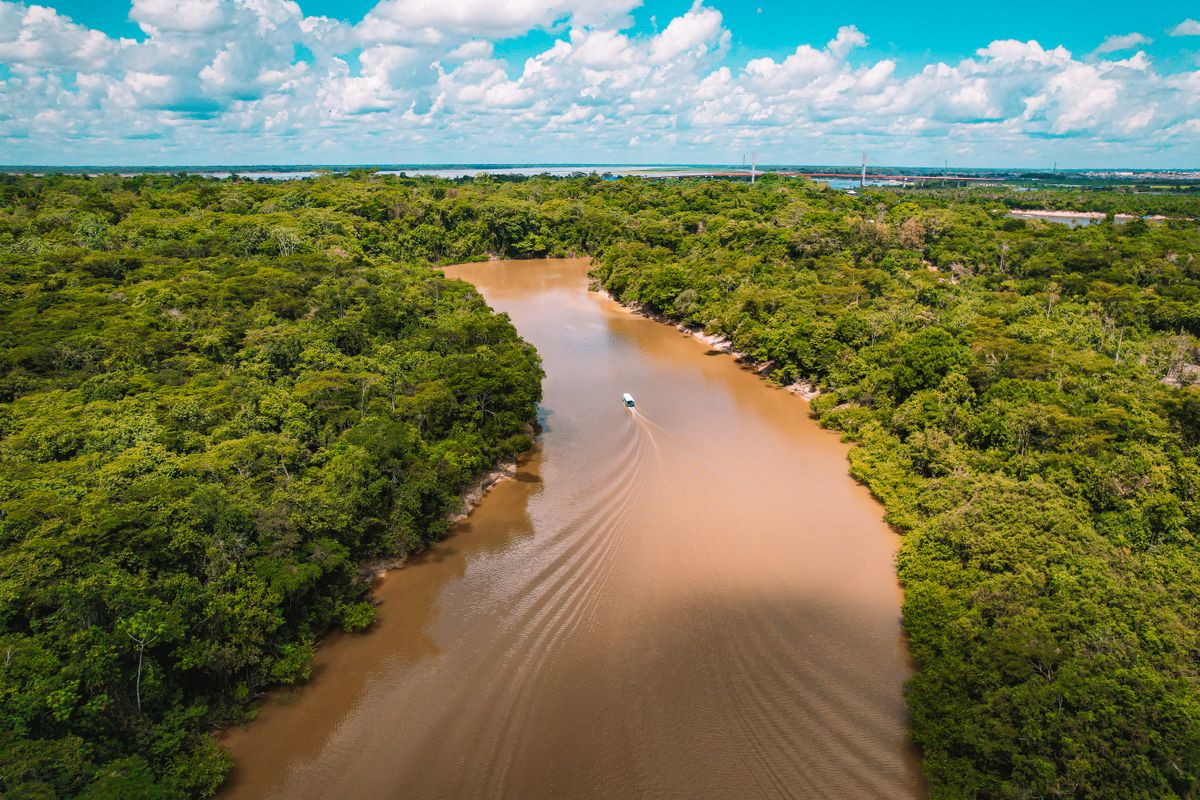
Madidi sits in the far north of the La Paz Department, bordering Peru. The launch point for every trip is Rurrenabaque, a laid-back town on the Beni River where the Andes finally flatten into jungle. The park proper begins just across the water: from Rurrenabaque you cross the Beni to San Buenaventura and continue upriver into Madidi along the Tuichi River.
There are two ways in from La Paz. The comfortable option is a 45-minute flight with Ecojet or Amaszonas, dropping you from the 3,600-metre altiplano to the steamy lowlands in under an hour. Expect to pay around US$80–100 each way; book ahead, and build in slack, because rainy-season fog and storms delay these small planes regularly — sometimes for a day or more.
The budget alternative is the bus from La Paz’s Minasa terminal in Villa Fátima, a scheduled 18-hour haul that winds down the notorious Yungas mountain roads. In the dry season it is a spectacular, cheap descent; in the wet months landslides can stretch it past 30 or even 40 hours. If your schedule is tight, fly at least one direction.
Jungle versus pampas: two very different trips
This is the decision every visitor faces, and the two options feel nothing alike.
The jungle tour takes you upriver into Madidi itself — dense, humid primary rainforest along the Tuichi. Days are spent walking forest trails with a local guide, learning about medicinal plants and giant ceiba trees, spotting monkeys and macaws in the canopy, and listening to the wall of sound at dawn. Wildlife here is harder to see because the forest is so thick, but the sense of wilderness is total. Most jungle trips are based at rustic or community-run lodges.
The pampas tour heads in the opposite direction, to the Pampas del Yacuma protected area near Santa Rosa — flooded savanna and slow rivers rather than rainforest. Because the landscape is open, wildlife viewing is dramatically easier: you glide by motorized canoe past pink river dolphins, black caimans, capybaras, turtles, monkeys and hundreds of birds, and anaconda searches are a common add-on. If your single goal is seeing animals, the pampas usually delivers more in less time. The trade-off is more sun, more mosquitoes and a less “deep jungle” atmosphere.
Can’t choose? The classic answer is a combo tour — typically three days in the pampas and two in the Madidi jungle — which many Rurrenabaque operators sell as a single five-day package, sometimes bundled with the La Paz flights.
What a Madidi trip costs in 2026
Amazon tours from Rurrenabaque remain some of the best value in South America. A standard 3-day jungle or pampas tour starts around US$120 per person, all-inclusive of transport, a local guide, simple lodge accommodation, meals and activities. Higher-end ecolodges and private guiding cost more, but the budget backpacker rate is genuinely low for what you get.
On top of the tour price you pay the Madidi park entry fee, currently about BOB 200 (US$30) for foreign visitors, plus a smaller municipal fee for the pampas reserve. Add your flights (US$80–100 each way) or the cheaper bus, and a well-planned 3-to-5-day Amazon add-on lands most travelers in the US$250–450 range, transport included. Bring cash in bolivianos — ATMs in Rurrenabaque exist but are unreliable, and lodges deep in the park take nothing else.
The wildlife you can realistically expect
Manage your expectations by habitat. In the pampas, sightings are close to guaranteed: Bolivian pink river dolphins surfacing beside the boat, rows of caimans along the banks, families of capybara — the world’s largest rodent — grazing at dusk, and squirrel and howler monkeys in the riverside trees. Birdlife is relentless: herons, kingfishers, roseate spoonbills and the prehistoric-looking hoatzin.
In the Madidi jungle, the star species are shier. Red-and-green macaws, spider and titi monkeys, peccaries and an astonishing range of insects and frogs are all present, and the park is genuine jaguar and tapir country — though seeing either takes luck and time. What you are really buying in the jungle is the ecosystem itself: the scale, the sound and the knowledge that this is the most species-rich forest measured anywhere. For more on Bolivia’s flagship animals, see our guides to the pink river dolphin route and the trail of the jaguar.
Choosing a responsible operator
Madidi’s conservation success is tied to community tourism, and where you spend matters. The best-known model is Chalalán Ecolodge, owned and run by the Indigenous Quechua-Tacana community of San José de Uchupiamonas deep inside the park — a project widely cited as a template for how tourism income can protect rather than exploit rainforest. Other well-regarded operators, including several holding Green Action sustainability certificates, run lodges and small-group trips from Rurrenabaque.
When booking, ask a few pointed questions: Is the operator locally owned? Do guides come from nearby communities? What is their policy on handling wildlife (reputable pampas guides do not pull anacondas or dolphins from the water for photos)? Choosing a certified, community-linked operator costs little more and keeps your money — and the park — where it belongs.
Best time to go and what to pack
Madidi is a year-round destination, but the seasons shape the experience. The dry season (May to October) brings lower water, fewer mosquitoes, easier trails and the most reliable flights — the sweet spot for most visitors. The wet season (November to March) floods the pampas, which can actually improve dolphin and boat access, but heavy rain and grounded flights are the price. Whatever the month, the lowlands are hot and humid, a world away from La Paz.
Pack light long sleeves and trousers, strong insect repellent (DEET), sunscreen, a hat, a refillable water bottle, sandals plus closed shoes, a headlamp, and a poncho or dry bag for the boat. A yellow fever vaccination is recommended for the Bolivian Amazon and required for onward travel to some countries — see our Bolivia yellow fever vaccine guide before you go. Sort your entry paperwork with our visa requirements guide, and you are ready for the most biodiverse patch of forest on Earth.
Key facts
- → Madidi National Park covers 18,958 km² (1,895,750 hectares) and was established in 1995, spanning altitudes from 180 m in the Amazon lowlands to 6,000 m in the Andes.
- → A 2018 Wildlife Conservation Society survey (Identidad Madidi) documented 1,028 birds, 265 mammals, 105 reptiles, 109 amphibians, 314 fish, 5,515 plants and 1,544 butterflies, making it the most biodiverse protected area on Earth.
- → Madidi holds roughly 11% of the world's bird species and 3.75% of its vertebrates on less than 0.0037% of the planet's land surface.
- → The gateway town of Rurrenabaque is a 45-minute flight (about US$80–100 each way) or an 18-hour-plus bus ride from La Paz.
- → A 3-day jungle or pampas tour from Rurrenabaque starts around US$120, and foreign visitors pay a Madidi park entry fee of about BOB 200 (US$30).
Frequently asked questions
What makes Madidi National Park so special? +
Madidi is considered the most biodiverse protected area on Earth. A two-year Wildlife Conservation Society survey documented over 1,028 bird species and 8,000 plant and animal species in total. Because it drops from Andean peaks to Amazon lowlands, it packs an extraordinary range of habitats and wildlife into one park.
Should I do a jungle tour or a pampas tour? +
Do the pampas if wildlife spotting is your priority: the open savanna and river make it easy to see pink dolphins, caimans, capybaras and monkeys. Choose the jungle inside Madidi for dense rainforest, canopy walks, medicinal plants and a wilder feel. Many travelers combine both in a 5-day trip.
How do I get to Rurrenabaque and Madidi from La Paz? +
The fastest way is a 45-minute flight from La Paz with Ecojet or Amaszonas, costing about US$80–100 each way, though rainy-season delays are common. The budget option is an 18-hour-plus bus from La Paz's Minasa terminal, which can stretch far longer if the road washes out. From Rurrenabaque you cross the Beni River to enter the park.