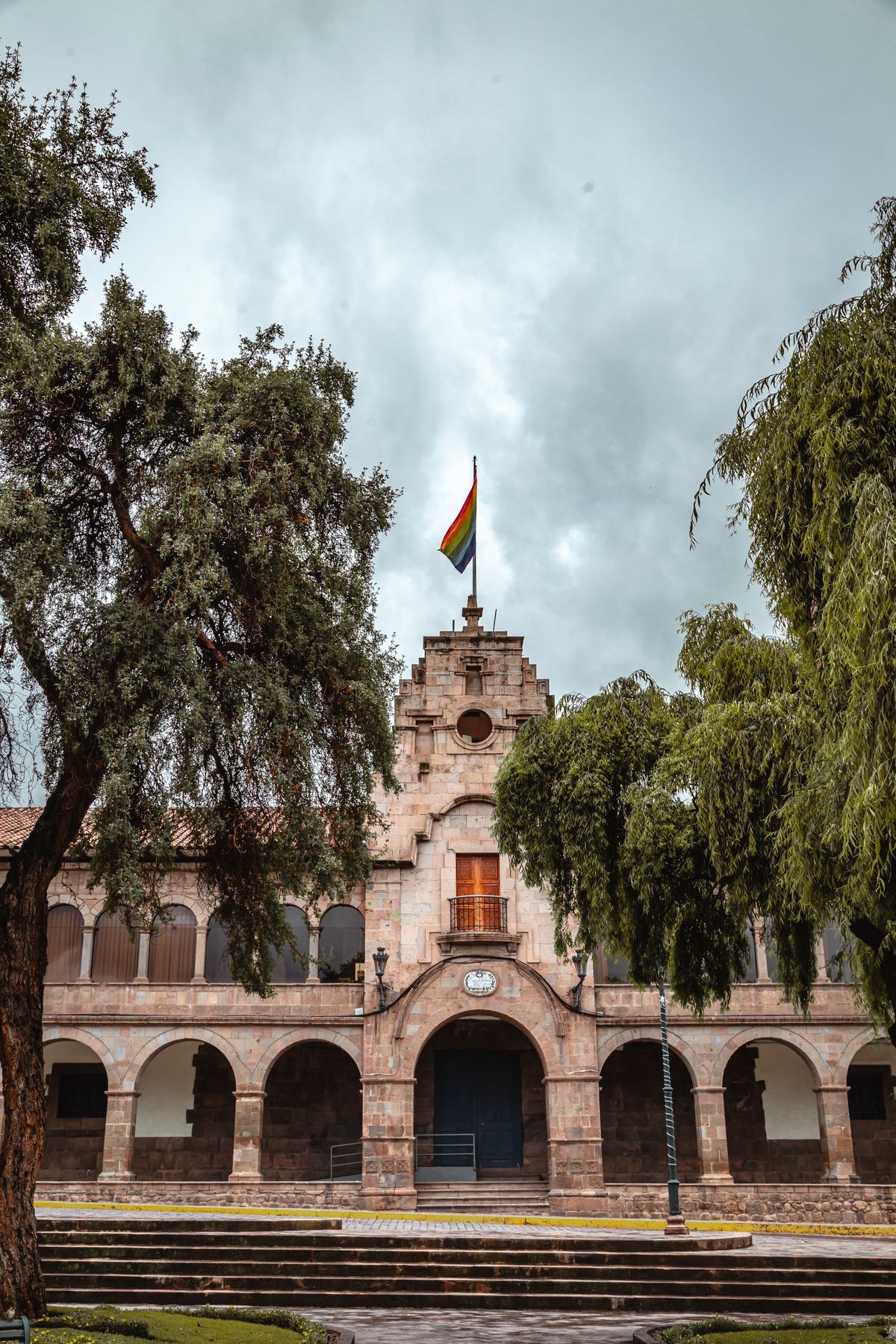
Potosí is the city that once bankrolled an empire — and today it lets you walk straight into the mountain that did it. Perched at 4,090 metres in Bolivia’s southern Altiplano, it is one of the highest cities on Earth, and its silver mountain, Cerro Rico, is arguably the single most consequential hill in the history of the Americas. If you are travelling between the Uyuni salt flats and Sucre, Potosí is the natural stop in the middle, and it rewards you with UNESCO-listed colonial streets, a working silver mine you can tour, and a story that is equal parts glittering and grim.
Here is how to visit Potosí properly: what to see, how to get there, when to go, and how to handle the altitude that trips up more travellers than the mines ever do.
Why Potosí matters
In 1545, an Indigenous prospector named Diego Huallpa is said to have stumbled on silver on the slopes of Cerro Rico. Within a generation Potosí exploded into one of the largest and richest cities in the world — at its peak rivalling London or Paris in size, all of it clinging to a treeless plateau in the Andes.
The numbers are staggering. During the second half of the 16th century, Cerro Rico produced an estimated 60% of all the silver mined on the planet. That silver crossed the Atlantic in Spanish galleons, funded European wars, and pumped so much bullion into the global economy that Spanish coinage — much of it stamped at Potosí — became a de facto world currency. The Spanish phrase “vale un Potosí” (worth a Potosí) still means “worth a fortune.”
The wealth came at a terrible human cost. For centuries, Indigenous labourers under the mita forced-labour system, and later enslaved Africans, died in the tunnels in enormous numbers. Bolivians still call Cerro Rico “the mountain that eats men.”
That double story — extraordinary wealth built on extraordinary suffering — is exactly why UNESCO added Potosí to its World Heritage list in 1987, and why the city sits on the List of World Heritage in Danger since 2014, as uncontrolled mining slowly hollows the mountain out.
What to see in Potosí
Cerro Rico and the cooperative mines
The mountain still works. Thousands of miners, organised into cooperatives, dig for silver, zinc and tin using methods that have barely changed in a century. A guided mine tour takes you inside these active tunnels — you crouch through low passages, meet miners mid-shift, and see offerings left for El Tío, the horned underworld figure the miners believe rules the mountain’s depths.
- Cost: around Bs 100 (~$14) for a 2–3 hour tour.
- Reality check: it is hot, dusty, tight and genuinely emotional — not a sanitised attraction. Skip it if you have claustrophobia or respiratory issues.
- Do it right: book a small operator that employs ex-miners as guides and buy gifts (coca leaves, gloves, soft drinks, or the legally sold dynamite) for the miners you visit.
Casa Nacional de Moneda (the Royal Mint)
If you do one indoor thing in Potosí, make it the Casa Nacional de Moneda. This vast colonial mint is where Potosí’s silver was turned into coins for the Spanish Empire, and it is now one of the finest museums in South America — a maze of courtyards, colonial art, wooden coin presses, and a famous carved mascarón over the entrance.
- Entry: Bs 40 (~$6), guided visit, closed Mondays.
- Allow around two hours; the guided tour is included and worth taking.
The colonial centre
Potosí’s historic core is compact and walkable, full of baroque churches, ornate balconies and the Convento de Santa Teresa. The Torre de la Compañía de Jesús gives you a rooftop view over terracotta roofs with Cerro Rico looming pink-grey behind them. It is a city best explored slowly on foot — which suits the altitude anyway.
How to get to Potosí
Potosí has no major airport for travellers, so you arrive by road — and the connections are easy.
- From Sucre: roughly 3 hours by minibus (around 150 km), leaving frequently for under $10. This is the most common route and pairs the two cities beautifully.
- From Uyuni: 3–4 hours for about $7–15, with several daily services. This is the classic follow-on after the salt-flat circuit.
- From La Paz: an overnight bus (roughly 10–12 hours), best avoided unless you enjoy long night rides at altitude.
Most travellers treat Potosí as a one- or two-night stop rather than a base — a night is enough for the mint and a mine tour, two if you want to slow down for the altitude and the churches.
Best time to visit Potosí
Potosí is high, dry and cold year-round, so timing is about comfort and clear skies rather than crowds.
- May to October (dry season): the best window. Expect sunny days, crisp deep-blue skies, and cold nights that can drop below freezing. This also lines up with the ideal season for Uyuni and the rest of the Altiplano.
- December to March (wet season): slightly warmer days but afternoon rain and storms, which can muddy roads and occasionally disrupt mine tours.
Whenever you come, pack layers: mornings and nights are genuinely cold, while the midday sun at this altitude is fierce.
Practical tips for Potosí
- Acclimatise first. At 4,090 m, Potosí is higher than La Paz. Arrive after Uyuni, La Paz or Titicaca — not straight from the lowlands.
- Take day one easy. Coca tea, plenty of water, light meals, no alcohol. Save the mine tour for when you feel steady.
- Carry cash. Bolivianos in small notes are king; card acceptance is patchy, and mine-tour gifts and market meals are cash-only.
- Dress for the mine. Wear clothes you don’t mind ruining; reputable operators provide boots, helmet and headlamp.
- Respect the miners. These are real workplaces, not sets. Ask before photographing anyone, and keep out of the way of loaded ore carts.
- Eat local. Try kalapurka, a fiery corn-and-meat soup served with a hot volcanic stone dropped into the bowl — a perfect defence against Potosí’s cold.
A city that stays with you
Potosí is not a comfortable, postcard-pretty stop, and that is precisely its power. Few places let you stand inside the actual machinery of world history — a mountain that reshaped economies, empires and lives — and still see it working today. Pair it with Sucre’s whitewashed elegance just down the road, and you get two sides of colonial Bolivia in a single, unforgettable stretch of the Altiplano.
Come for the silver story; leave with a far deeper understanding of what that silver cost, and of the Bolivian miners who keep climbing into the mountain that eats men to this day.
Key facts
- → Potosí sits at 4,090 m (13,420 ft), making it one of the highest cities in the world.
- → Cerro Rico rises to about 4,782 m above the city and is the world's largest silver deposit.
- → Cerro Rico produced an estimated 60% of the world's silver during the second half of the 16th century.
- → UNESCO inscribed Potosí as a World Heritage Site in 1987 and added it to the List of World Heritage in Danger in 2014.
- → A cooperative mine tour lasts 2–3 hours and costs about Bs 100 (~$14); Casa Nacional de Moneda entry is Bs 40 (~$6).
- → Minibuses reach Potosí from Sucre in about 3 hours and from Uyuni in 3–4 hours.
Frequently asked questions
Is the Cerro Rico mine tour safe and ethical? +
The tours enter working cooperative mines, so conditions are hot, dusty and cramped — not for anyone with claustrophobia, heart or lung issues. Choose a small operator that employs former miners as guides, keeps groups small and buys gifts (coca, water, gloves) for the miners you meet. It is confronting rather than a theme-park ride, and that honesty is the point.
How do I get to Potosí? +
Potosí is easiest to reach by road. Minibuses from Sucre take about 3 hours and cost under $10; from Uyuni it is 3–4 hours for roughly $7–15. Most travellers slot Potosí between the Uyuni salt flats and Sucre, spending one or two nights. The bus terminal sits below the old town, a short taxi ride from the historic centre.
Do I need to acclimatise before visiting Potosí? +
Yes. At 4,090 m Potosí is higher than La Paz, so arrive already acclimatised — ideally after Uyuni, La Paz or the Titicaca region, not straight from the lowlands. Take your first day slowly, drink coca tea, avoid alcohol and heavy meals, and postpone the mine tour if you feel headachy or breathless. The altitude, not the mine, is what catches most visitors off guard.