
The most authentic southern sub-circuit.
- Santa Cruz → San Rafael (5–6h: paved to San Miguel + 55km unpaved)
- Main plaza + facade with twin towers
- Painted interior + parish museum
- Lunch in San Rafael
- Return to Santa Cruz or overnight in San Rafael
San Rafael is 270km from Santa Cruz — the full day justifies at least one night. The San Miguel–San Rafael road (55km) may require 4×4 in wet season (November–April).
- Day 1: Santa Cruz → San Miguel (215km, 3.5h) → San Rafael (55km more, 1.5h) · overnight San Rafael
- Day 2: Santa Ana (20km south, 45min) → morning exploration → return to Santa Cruz via San Miguel
The natural pairing is San Rafael + Santa Ana — only 20km apart, the two most isolated and least visited missions. This 2-day sub-circuit from Santa Cruz is the most authentic Chiquitos experience.
- San José de Chiquitos → San Miguel → San Rafael → Santa Ana (south sub-circuit)
- Concepción → San Francisco Javier (north sub-circuit)
- Return to Santa Cruz
San Rafael appears as the third point of the full circuit. The southern route (San Miguel → San Rafael → Santa Ana) is the most remote and the most authentic — smaller communities, fewer tourists, better preservation of traditional Chiquitano life.
18th-century murals and living community.
The mission with the most painted interior in the circuit. Twin towers, original 18th-century murals and the junction to Santa Ana, the most isolated of the six.
Painted Interior Murals
San Rafael de Velasco has the most extensively painted church interior in the Chiquitos UNESCO circuit. The ceiling panels, upper walls and structural columns retain their original 18th-century pigments — ochres, terra cottas, greens and blues derived from local minerals and plants. The figurative and botanical murals were painted by Chiquitano craftsmen under Jesuit direction. Hans Roth's restoration revealed layers of subsequent painting that had obscured the originals, and conserved the earliest pigment layers with minimal intervention.
Facade with Twin Towers
San Rafael's church facade has a distinctive architectural feature that sets it apart from other missions in the circuit: twin bell towers flanking the main entrance. While Concepción has an integrated tower-and-facade design, San Rafael's separate towers give it a more traditional European Jesuit baroque proportions. The towers were used for bells that regulated community life — work, prayer, meals — across the entire mission settlement. The facade's painted ornamental panels (terracotta on white) have been faithfully restored from original material evidence.
Padre Cipriano Baraza SJ · Founder
Cipriano Baraza was born in Valencia, Spain in 1641. He joined the Society of Jesus and was sent to the Jesuit missions of the Americas, arriving in the Chiquitos region in the 1680s. He founded what would become San Rafael in 1696 — one of the earliest Chiquitano reductions. Baraza was killed by indigenous resistance in 1702, becoming one of the Jesuit martyrs of the Río de la Plata region. His cause for beatification was formally opened in Rome in the 20th century and remains ongoing. The original 1696 foundation was later relocated to its current site in 1747.
Chiquitano Community of San Rafael
The ~2,500 residents of San Rafael are predominantly Chiquitano — direct descendants of the mission's original indigenous community. San Rafael is less touristically developed than Concepción or San José de Chiquitos, which means the day-to-day rhythm of Chiquitano community life is more visible: the plaza as social centre, the church as active parish, traditional crafts and music as living practices rather than reconstructions for tourists. The Chiquitano Bésiro language (spoken by approximately 30,000 people in Bolivia and Brazil) retains daily use in San Rafael.
Deep Chiquitano Forest
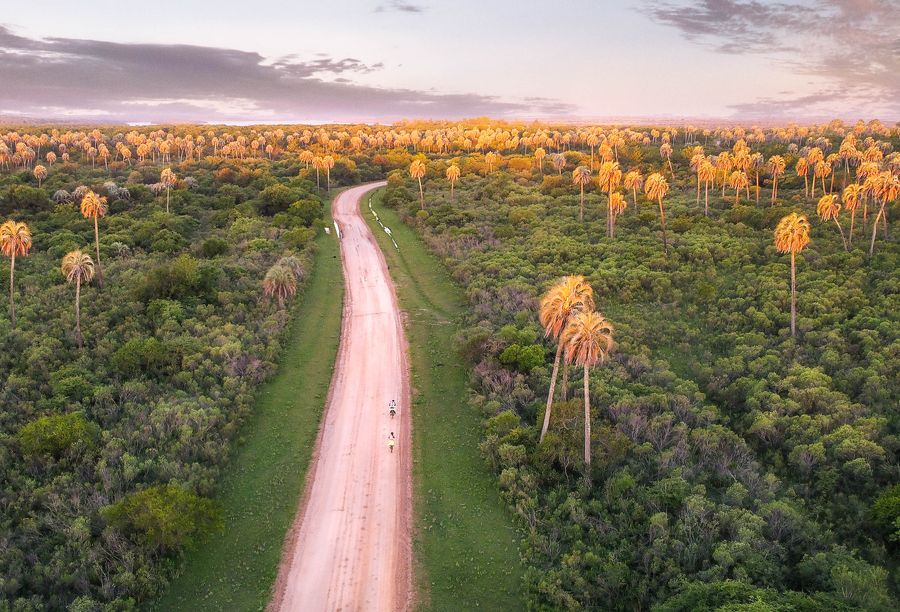
San Rafael sits in one of the most intact sections of the Chiquitano dry forest — the world's largest tropical dry forest (200,000 km²), shared between Bolivia and Brazil. The 55km unpaved road from San Miguel to San Rafael passes through uninterrupted forest with excellent wildlife viewing at dawn and dusk. The forest ecosystem around San Rafael harbours tapirs (Tapirus terrestris), giant anteaters (Myrmecophaga tridactyla), peccaries, howler monkeys, and over 400 bird species.
Southern Circuit Junction
San Rafael is the junction point for the most remote section of the Chiquitos UNESCO circuit. From San Rafael, Santa Ana de Velasco is only 20km south on an unpaved road — the two missions are almost always visited together. This southern pairing (San Rafael + Santa Ana) is the least visited of the circuit and, for that reason, the most authentic: smaller communities, fewer tourists, better preservation of day-to-day Chiquitano life. The road from San Rafael south to Santa Ana requires a robust vehicle in wet season.
The double foundation and the revealed murals.
Six contexts to understand the Jesuit history, 18th-century murals and the dry forest surrounding the circuit's most painted mission.
The most authentic southern circuit.
Santa Ana de Velasco · 20km south
Santa Ana de Velasco (20km south of San Rafael) is the natural companion visit. Founded in 1755 as the last of the six UNESCO missions, Santa Ana is the most isolated and arguably the best preserved — its church interior is considered even finer than San Rafael's. The 20km unpaved road between them is passable in dry season with a standard vehicle. Almost every visitor to San Rafael continues to Santa Ana.
San Miguel de Velasco · 55km north
San Miguel de Velasco (55km north of San Rafael on the unpaved road) is the natural staging point for the southern circuit. Hans Roth began his restoration work here in 1972. San Miguel has a women's weaving cooperative producing traditional Chiquitano textiles. The town is larger than San Rafael and has better accommodation options (though still basic). Most travellers overnight in San Miguel before or after visiting San Rafael and Santa Ana.
San José de Chiquitos · 190km southeast
San José de Chiquitos (190km southeast of San Rafael via Roboré and the main Santa Cruz highway) is the largest and most architecturally ambitious mission in the circuit — four buildings with a unique stone facade. San José is the most accessible mission (the Santa Cruz–Brazil train stops here) and the best starting point for the circuit. From San Rafael, reach San José via the unpaved road south to Roboré, then west on the main highway.
Santa Cruz de la Sierra · 270km
Santa Cruz de la Sierra (270km from San Rafael) is the gateway to the entire Chiquitos circuit. All tour operators and car rental agencies for the circuit are based here. The city has international connections (flights from Europe via Bogotá, Lima, São Paulo) and domestic connections from La Paz and Cochabamba. Allow 1 night in Santa Cruz before and after the circuit for logistics.
4×4 recommended, flexibility essential.
How to get to San Rafael de Velasco
- 270km from Santa Cruz: 215km paved (3.5h) to San Miguel + 55km unpaved (1.5h)
- 4×4 or high-clearance vehicle recommended (essential in wet season)
- Bus from Santa Cruz Terminal Bimodal to San Miguel (3.5h, Bs 60–80) + local transport to San Rafael (less frequent)
- Best by rental car from Santa Cruz — gives maximum flexibility for the southern circuit
In San Rafael: what to know
- Church open for mass and guided visits — coordinate with the parish
- Parish museum: approx. 8am–5pm (variable hours)
- Accommodation: basic options in the village — book in advance
- Restaurants: local comedores on the plaza — homemade Bolivian food
- Road conditions: always check before the San Miguel–San Rafael stretch
- Connection to Santa Ana: 20km south, same unpaved road
May–September: the only safe window.
— Gallery
Bolivia in focus
Real photography from our routes. No stock images. Hover to explore.

Questions about San Rafael.
The 5 most common questions about the mission with the most painted interior in the Chiquitos circuit.
Plan the circuit with us →The most painted interior.
The revealed mission.
45 minutes. We design your Chiquitos circuit with all 6 UNESCO missions, the right operators and the complete itinerary.
$90 · €85 · Bs. 623