Skip to content
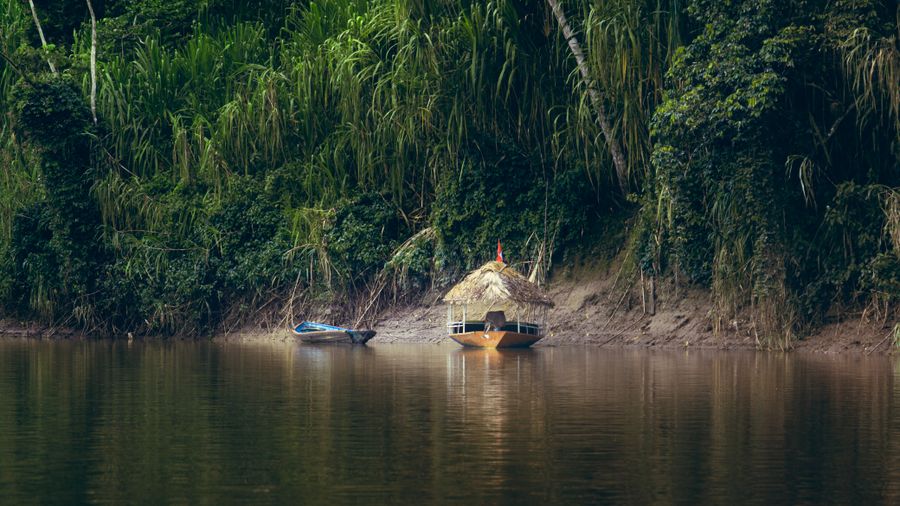
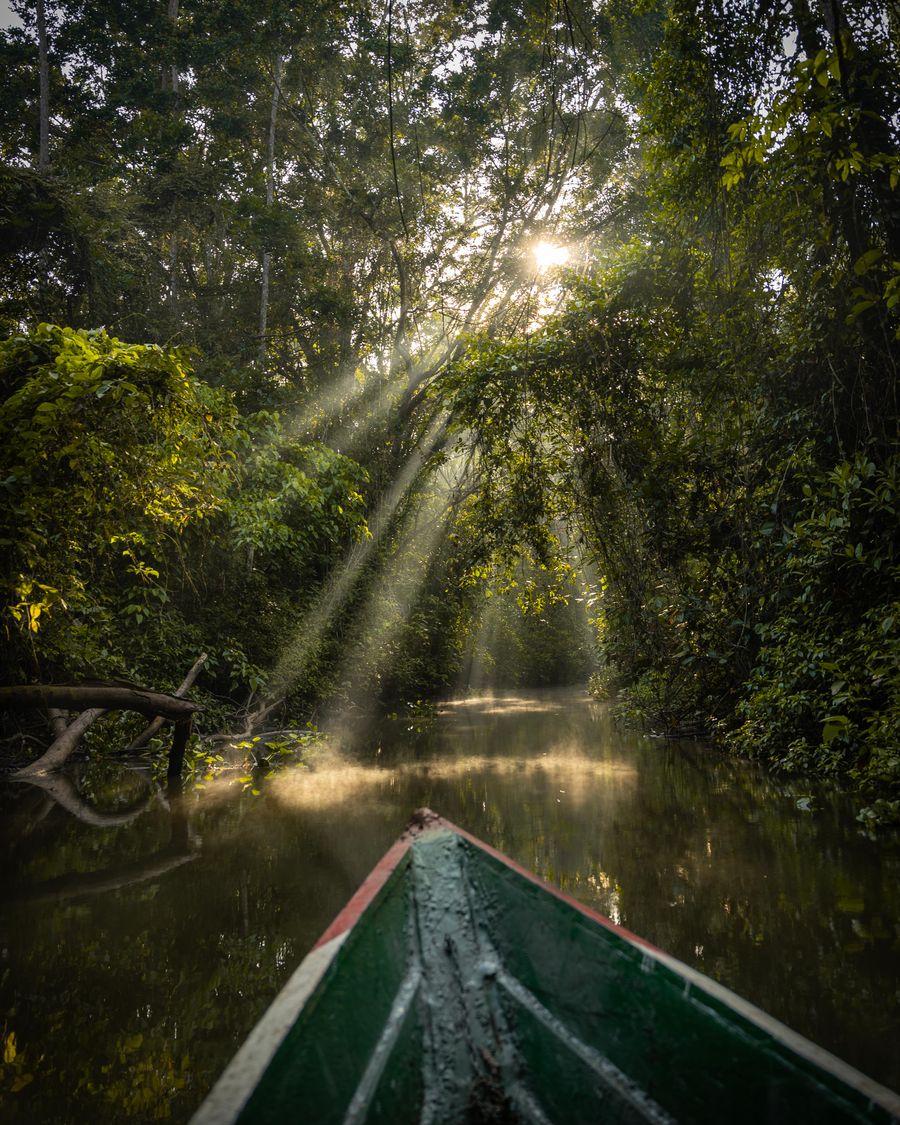
Virgin Amazon rainforest in Bolivia's Department of Pando — the country's most pristine jungle
— Department · Virgin Amazon · Brazil Nut · Bolivia–Brazil–Peru Border

Department of Pando

Bolivia's least-known department and its most remotely Amazonian. Primary forest covering 95% of the territory, jaguar, giant otter, the world's most extensive Brazil nut forests, and the Bolivia–Brazil–Peru triple border.

← All departmentsPlan a trip →Gallery ↓
Capital
Cobija
Area
63,827 km²
Population
~115,000
Capital alt.
250m above sea level
Alt. range
100 – 300m
Languages
Spanish · Tacana · Cavineño · Esse Ejja

The Department

What is Pando?

>95% forest
Bolivia's highest primary forest cover
Brazil nut
Bolivia — world's largest Brazil nut exporter
747,000 ha
Manuripi Reserve — jaguar, giant otter, pink dolphin
Triple border
Bolivia · Brazil (Acre) · Peru (Madre de Dios)

The Department of Pando is Bolivia's least known, least populated (~115,000 inhabitants) and most remotely Amazonian department. Located in the far north, bordering Brazil's Acre state and Peru's Madre de Dios department, it forms one of the world's highest-biodiversity regions.

Over 95% of the territory is covered by primary Amazon rainforest. The main economic activity is Brazil nut collection (Bertholletia excelsa) — the tallest canopy tree in the Amazon (up to 50m) that can only reproduce in primary forest. Bolivia is the world's largest Brazil nut exporter, and Pando's forests are the most extensive on earth. This economic model makes forest conservation directly profitable.

The capital, Cobija, is the Bolivian city most integrated with Brazil: a pedestrian bridge over the Acre River connects it to Brasiléia (Acre, Brazil). For the adventurous traveller, Pando offers the Manuripi Wildlife Reserve (747,000 ha) with jaguar, giant otter, manatee, pink river dolphin and 600+ bird species.

Pando is not a destination for conventional tourism. It has no developed tourism infrastructure, roads are dirt and many routes only accessible by river. But for those seeking Bolivia's real and unfiltered Amazon, it is irreplaceable.

Ecosystems

Pando's ecosystems

Virgin Amazon
Amazon rainforest · 100–300m
Virgin Amazon
Manuripi · Madre de Dios · Orthon · Brazil nut

Destinations

What to see in Pando

Cobija
250m
Cobija
Pando capital · Brazil border · Acre river
Manuripi Reserve
747.000 ha
Manuripi Reserve
Jaguar · Giant otter · Pink dolphin · 600+ birds
Madre de Dios River
Río
Madre de Dios River
River wildlife · Artisan fishing · Jungle riverbanks
Triple border
Bolivia · Brasil · Perú
Triple border
Where Bolivia, Brazil and Peru meet
Brazil nut forests
Los más extensos
Brazil nut forests
Sustainable harvesting · Jun–Aug · Primary forest
Cobija–Brasiléia Bridge
Frontera
Cobija–Brasiléia Bridge
Pedestrian bridge over Acre river · Bolivia–Brazil

Love Bolivia Routes

Routes through Pando

02
El BufeoAmazon
Amazon basins · Dolphins · Northern connection
7–10 days · from $1,766
07
El TapirMadidi / Amazon
Madidi · Chalalan · Northern Amazon · 8–12 days
8–12 days · from $2,154
See all 19 Bolivia routes →

Getting there

How to reach Pando

By air
Capitán Aníbal Arab Airport (CIJ), Cobija: flights from La Paz (1.5h, Amaszonas/BoA). Frequent but limited flights. Airport 3km from Cobija centre. From Brazil: flights via Rio Branco (Acre, Brazil) provide alternative access.
🚌
By bus
From Riberalta (Beni): 3–4h dirt road. From Brazil: pedestrian crossing from Brasiléia (Acre) over the Acre River bridge — easiest if coming from Brazil. From Rio Branco (Acre capital): 4h bus to Cobija. Most Bolivia-based travellers fly.
🚗
By road
Pando has few roads and many are unpaved. Cobija–Riberalta road partly unpaved. In wet season land access is very difficult. Rivers are the main internal transport in the department.

When to visit

Best time for Pando

Pando has an equatorial climate: heat and humidity year-round (26–34°C). The dry season (May–October) makes roads more accessible and wildlife concentrates on riverbanks.

May – OctDry season — access
Roads passable. Rivers drop in level and wildlife concentrates on banks. Temperature 26–32°C. Best time for Manuripi Reserve by boat and Pando's rivers.
Nov – AprWet season — active jungle
Heavy daily rain. Roads frequently impassable. Rivers at maximum flow. Jungle at its most biologically active. Not recommended without an expert local guide.
Jun – AugBrazil nut season
The castañeros (Brazil nut collectors) are in the forest. A unique experience to accompany a traditional harvest in primary rainforest — the best Cobija operators organise these outings.
Year-roundBirding
Pando is one of Bolivia's best departments for bird watching — 600+ species, including Amazonian endemics not found elsewhere in Bolivia. Possible year-round from Cobija.

People & culture

Identity & traditions

Indigenous peoples
Amazonian peoples of Pando
Pando is home to several Amazonian indigenous peoples: Tacana (most numerous), Cavineño, Esse Ejja, Pacaguara and Yaminahua. Most live in riverbank communities with subsistence economies based on hunting, fishing and Brazil nut collection. Contact with these communities requires respect and preferably a local guide.
History
The rubber boom (1870–1912)
Pando's history is marked by the rubber boom. The rubber barons — the Suárez family primarily — controlled vast northern Bolivian territories through near-slave labour on indigenous populations. The Acre Revolution (1903), in which Bolivia lost Acre to Brazil, is part of this history. Cobija was born as a border control post during that period.
Forest economy
The Bolivian Brazil nut (castaña)
The Brazil nut (Bertholletia excelsa) sustains thousands of Pando families. It can only reproduce in undisturbed primary forest — making sustainable harvesting a powerful direct economic incentive for conservation. Bolivia is the world's largest Brazil nut exporter. Pando's forests are the most extensive on the planet. Many Pando cooperatives hold organic and fair-trade certifications for export to Europe and North America.

Gastronomy

What to eat in Pando

Pando's food is tropical, riverine and forest-centred. River fish, yuca, plantain and Brazil nut are the defining ingredients.

Surubí and pacú pandino
Pando's rivers — Madre de Dios, Orthon, Acre — have some of Bolivia's best fishing: surubí (up to 1m), pacú, tucunaré and paiche. Grilled or fried with yuca and plantain — the basic food of riverbank communities.
Fresh Brazil nut (castaña)
Pando Brazil nuts freshly collected from the forest (June–August) have a completely different flavour from imported ones. Eaten raw, roasted, as nut oil or nut milk. Available at Cobija markets during season.
Fried yuca
Yuca (cassava) is Pando's basic starch — fried in palm oil, boiled or as masaco. The universal accompaniment to every dish in the department.
Amazonian fruits of Pando
Cobija's markets have Bolivia's largest variety of Amazonian fruits: açaí, copoazú, cupuaçú, taperiba and bacurí. Fruits that don't reach the rest of Bolivia — a unique gastronomic experience.
Majadito
Rice with charque, plantain and fried egg — the border dish shared with neighbouring Beni. The universal breakfast at Cobija pensions.
River broths
Thick fish soups with yuca, green plantain and Amazonian herbs. Every riverbank community has its version. Fresh surubí broth at dawn, just caught — genuine Pando.

— FAQ

Frequently asked questions

Still have questions? Drop us a line — we answer every question personally.

Contact us →

Neighbouring departments

Beni
Llanos de Moxos · Pampas · Trinidad
La Paz
Madidi · Rurrenabaque · Tiwanaku

— Love Bolivia

Ready to explore Pando?

We design custom itineraries. A 45-minute call with a Bolivian who knows every corner of the country.

Plan my trip →