— The Department
What is Beni?
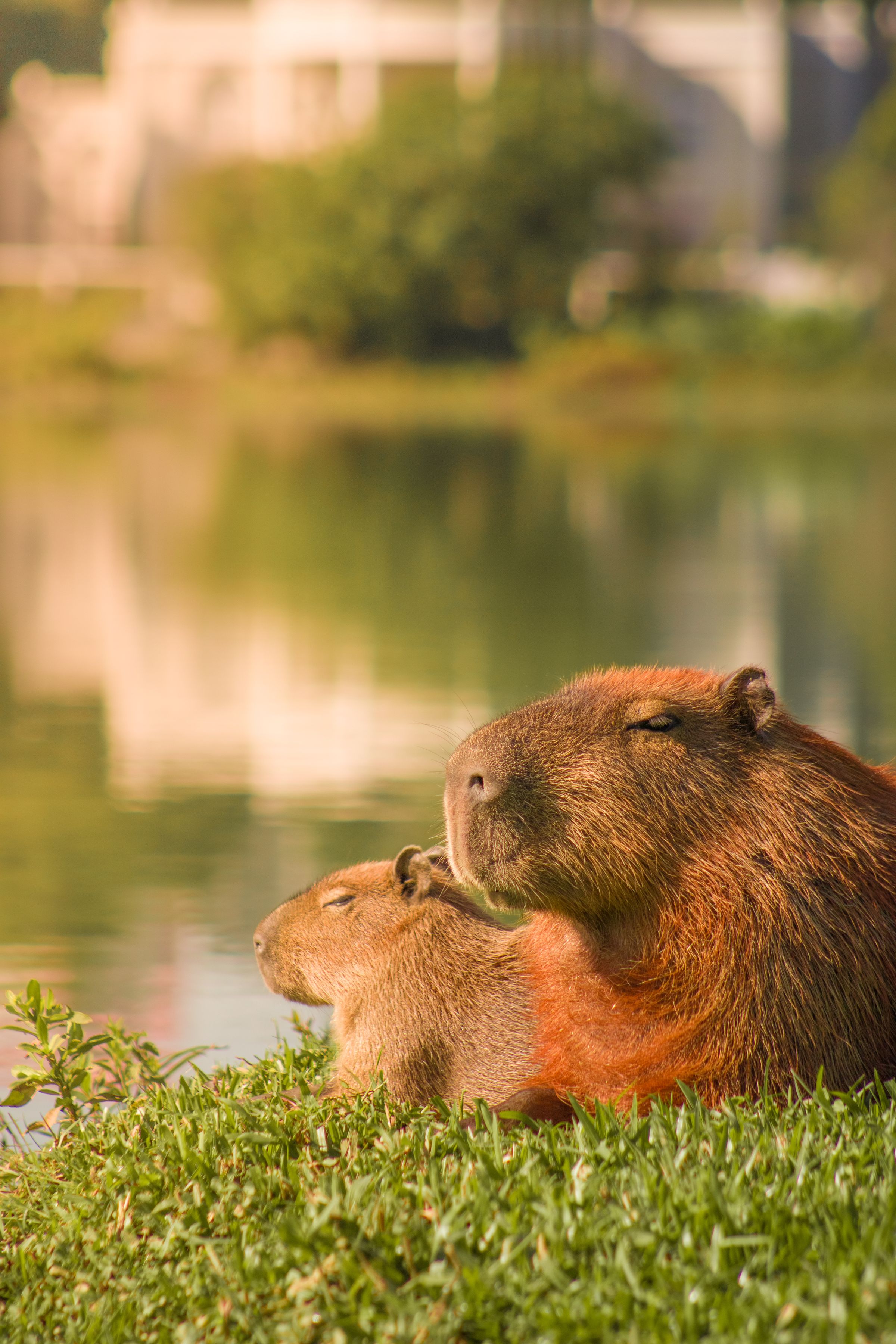
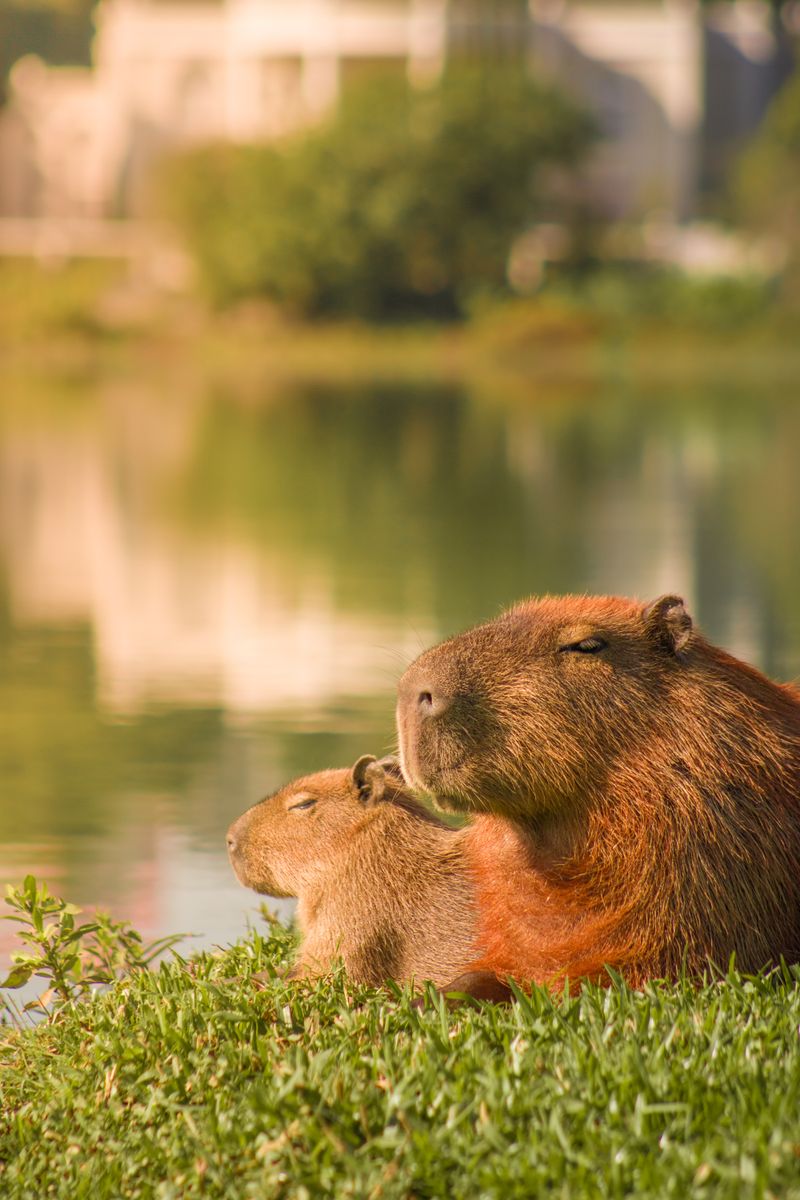
The Department of Beni is Bolivia's second largest (213,564 km²) and one of the least visited by international travellers — making it a destination of genuine authenticity. Located in the northern lowlands, it concentrates some of the planet's most exceptional ecosystems.
The Llanos de Moxos are South America's largest floodplain and the continent's most extensive prehispanic hydraulic engineering site: over 10,000 geoglyphs, artificial canals hundreds of kilometres long, raised fields and mounds built by Moxos civilisations over 6,000 years. UNESCO World Heritage candidate.
The capital, Trinidad, is a river city at 236m on the Mamoré River. From here, tours go to the Yacuma Pampas — where you can swim with pink river dolphins (bufeo), observe anacondas from canoe, and photograph caimans at arm's length — and to San Ignacio de Moxos, Beni's most important Mojeño cultural centre.
San Ignacio de Moxos inherited a tradition of Baroque music from 17th-century Jesuit missions unique in the Amazonian world. Its Festival of the Lord of Miracles (August) — with machete dances, the Ichapekene Piesta, violin and harp ensembles — was declared UNESCO Intangible Heritage in 2012.
— Ecosystems
Beni's ecosystems
— Destinations
What to see in Beni

— Love Bolivia Routes
Routes through Beni
— Getting there
How to reach Beni
— When to visit
Best time for Beni
Beni has a tropical humid climate. The dry season (May–October) is better for roads and organised tours. The wet season (November–April) floods the llanos and activates aquatic wildlife.
— People & culture
Identity & traditions
— Gastronomy
What to eat in Beni
Beni's food is tropical and river-centred. Fish is the core protein — surubí and pacú as the stars. Dishes are simple, fresh and genuinely tropical.
— Gallery
Bolivia in focus
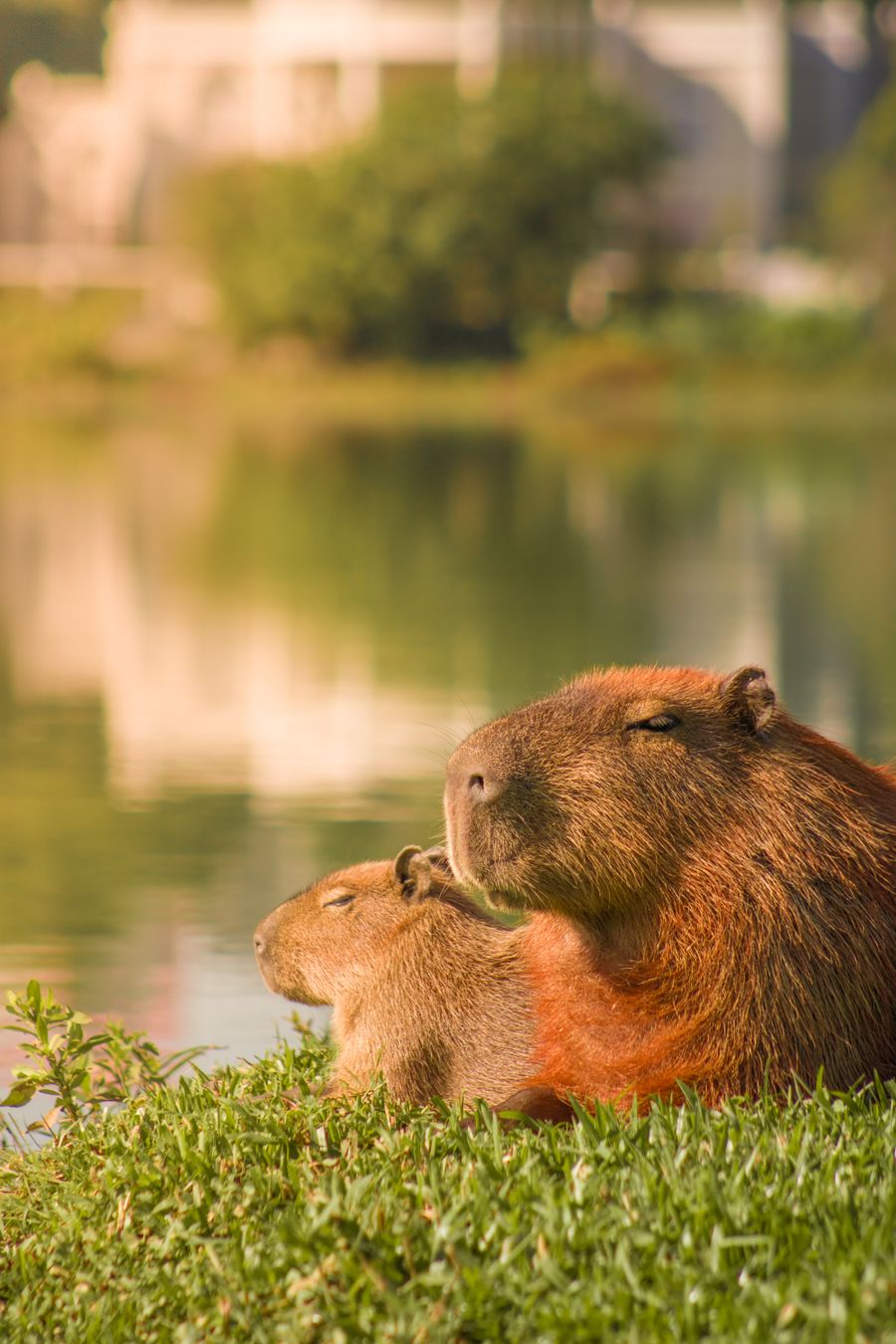
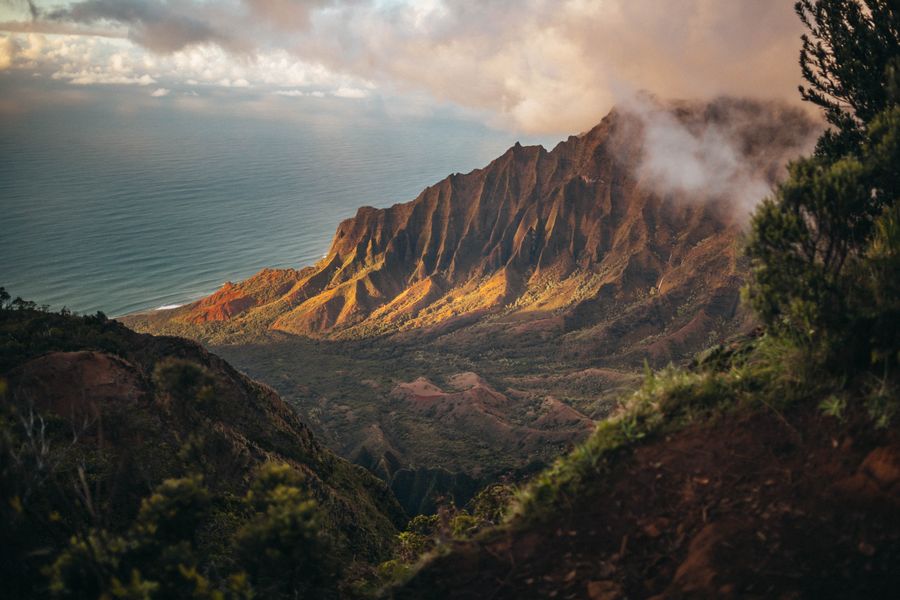
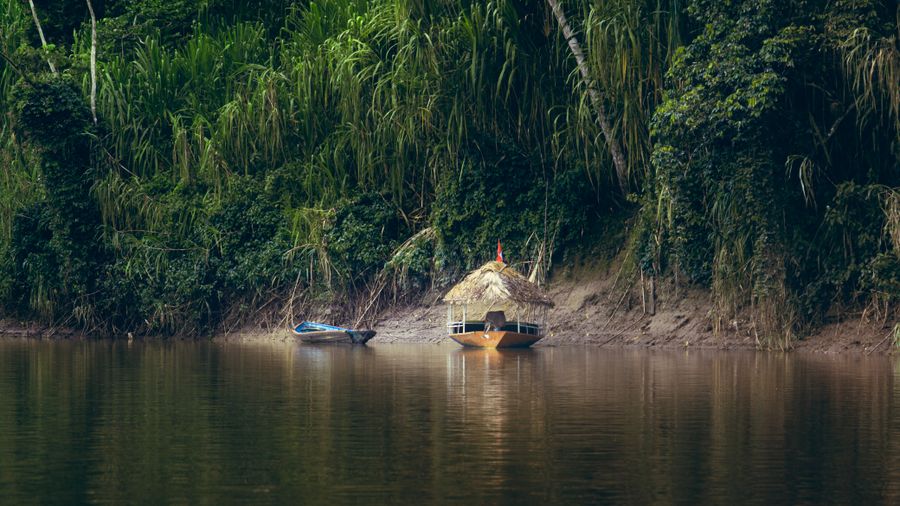
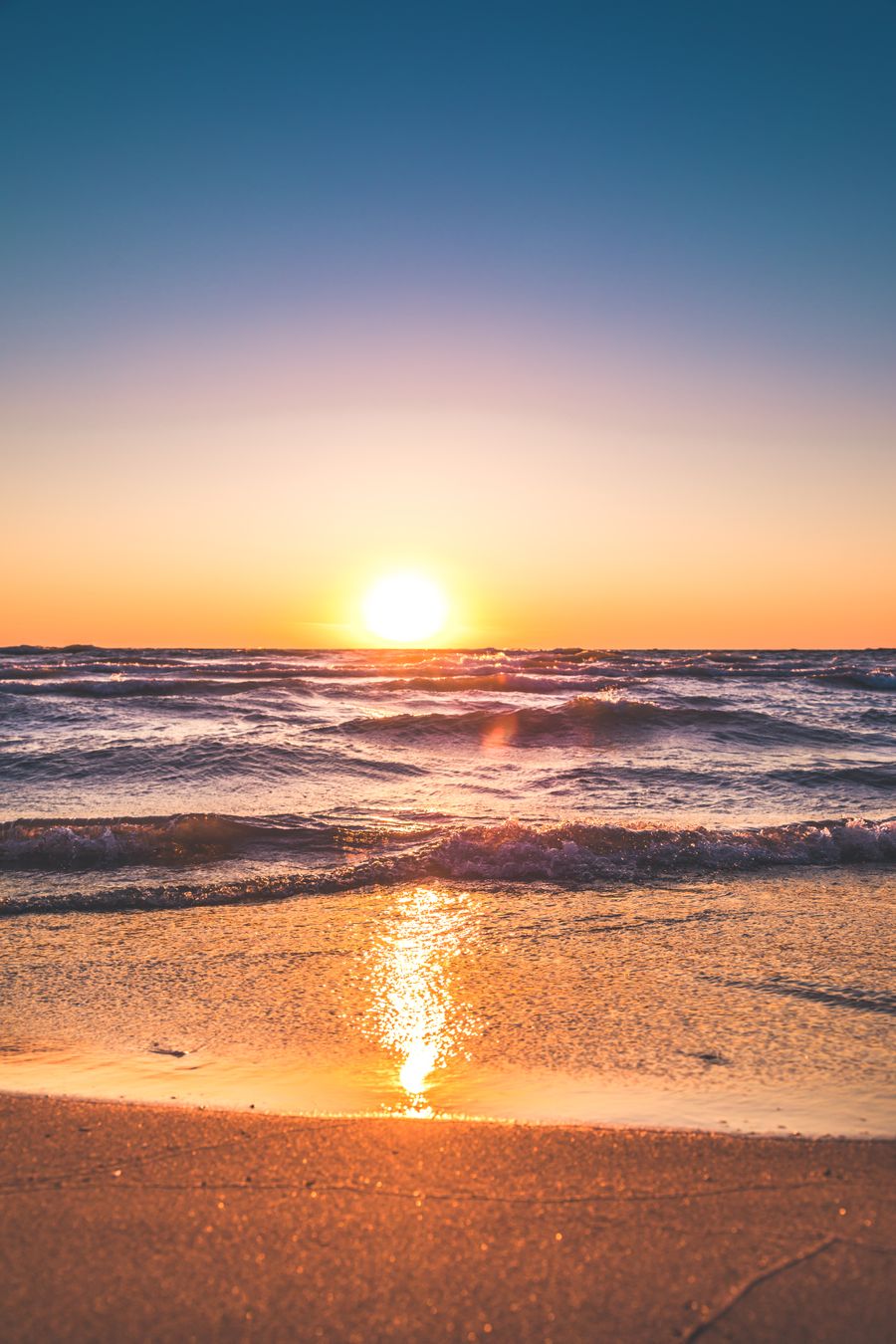
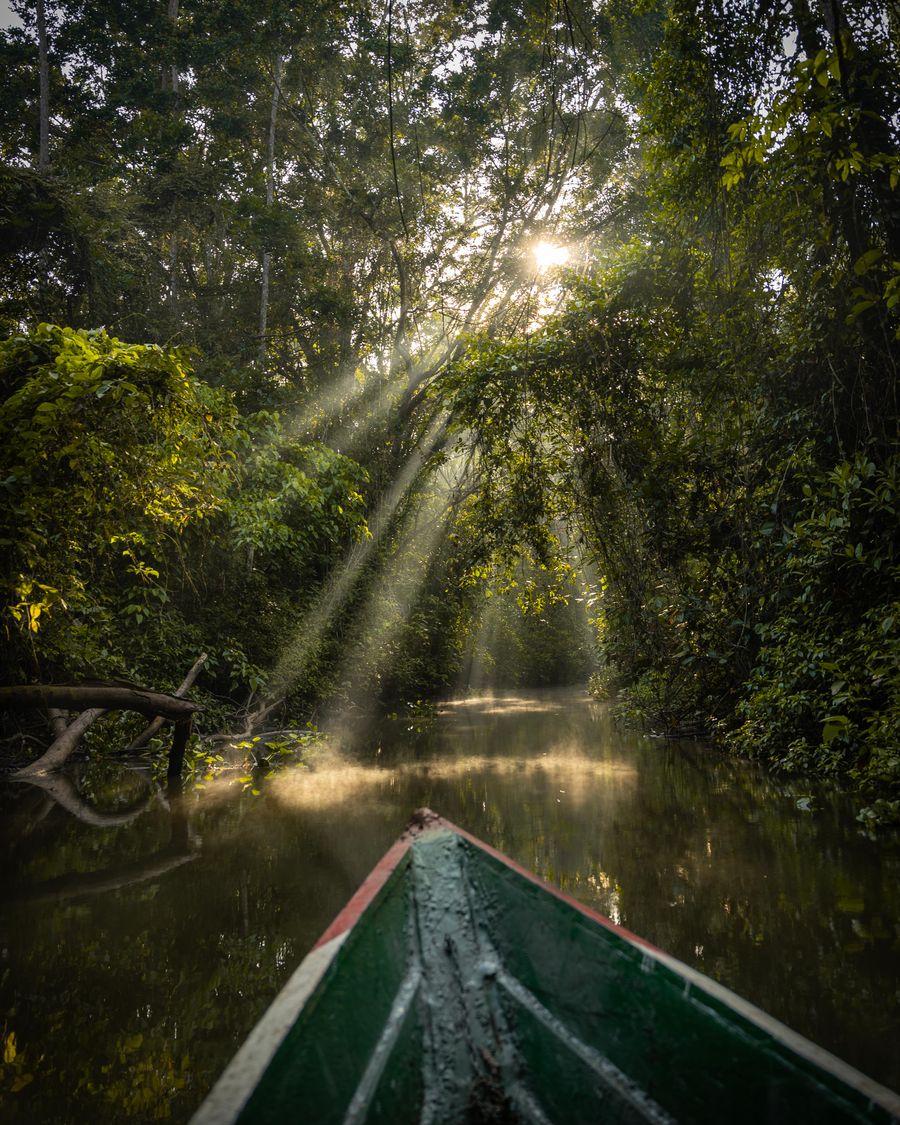
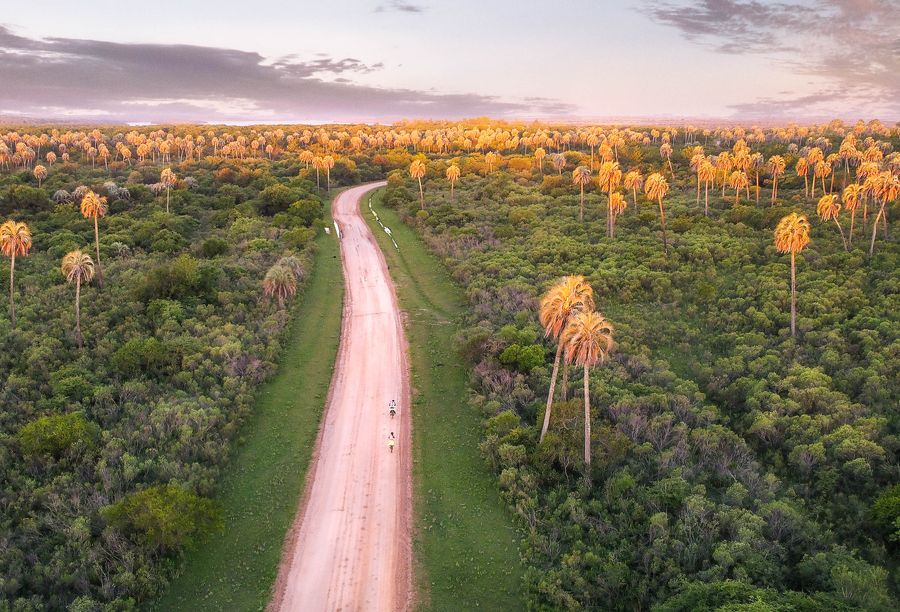
Real photography from our routes. No stock images. Hover to explore.
— FAQ
Frequently asked questions
Still have questions? Drop us a line — we answer every question personally.
Contact us →— Love Bolivia
Ready to explore Beni?
We design custom itineraries. A 45-minute call with a Bolivian who knows every corner of the country.
Plan my trip →