Skip to content
City of La Paz, Bolivia — the world's highest capital
— Department · Altiplano · Yungas · Amazon

Department of La Paz

Bolivia's most diverse department: from the world's highest capital to the Amazon rainforest of Madidi, through the Yungas, Lake Titicaca and Tiwanaku.

← All departmentsPlan a trip →Gallery ↓
Capital
City of La Paz
Area
133,985 km²
Population
~3.3 million inhabitants
Capital alt.
3,640 m.a.s.l.
Alt. range
200 – 6,542 m
Languages
Spanish · Aymara · Quechua

The Department

What is La Paz?

6,542 m
Nevado Sajama — Bolivia's highest peak
3,812 m
Lake Titicaca — world's highest navigable
UNESCO 2000
Tiwanaku — pre-Inca capital
1,000+
Bird species in Madidi

The Department of La Paz is Bolivia's second-largest department (133,985 km²) and the one with the greatest geographic, cultural and ecosystemic diversity in the country. It spans from the Andean altiplano and Lake Titicaca (3,812m) to the yungas cloud forests and the Amazon rainforest of Madidi National Park — one of the most biodiverse places on Earth.

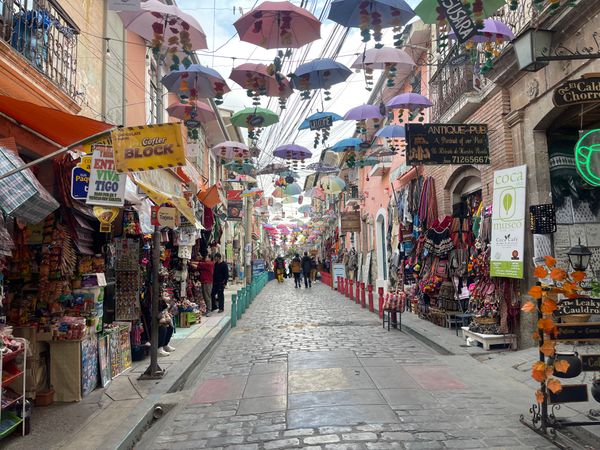
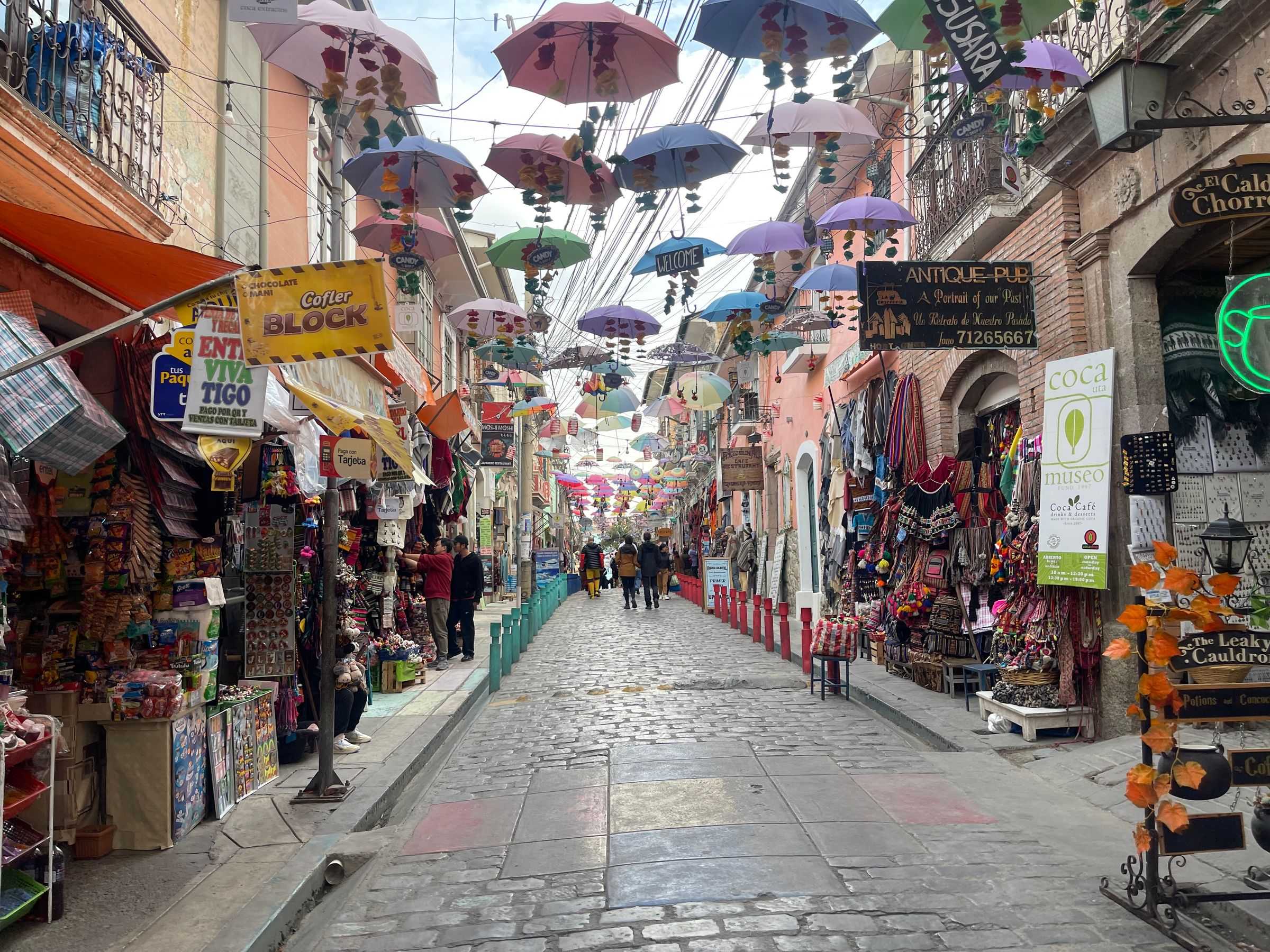
The City of La Paz, Bolivia's administrative capital, is the world's largest high-altitude metropolis. With its 30km urban cable car, the Witches' Market, Sopocachi neighbourhood and Freddy Mamani's extraordinary choletos in El Alto, La Paz is one of South America's most visually stimulating cities.

Within 2 hours of the capital lie three of Bolivia's greatest destinations: Tiwanaku (South America's most important pre-Inca city, UNESCO 2000), the Death Road (the world's most famous mountain bike descent) and Lake Titicaca with Copacabana and Isla del Sol. For nature lovers, Madidi National Park — accessible from Rurrenabaque — is the planet's most biodiverse protected area.

Ecosystems

La Paz's ecosystems

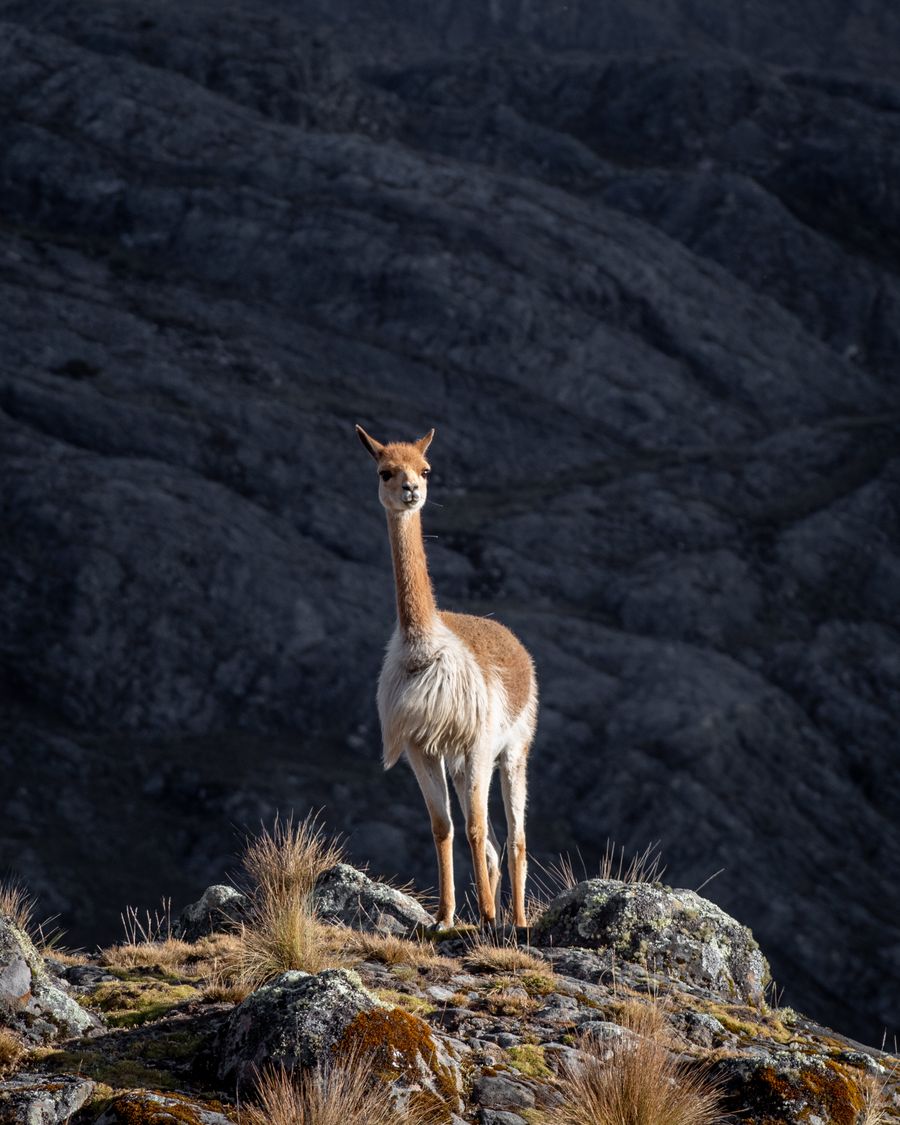
Altiplano
Andes · 3,600–4,000m
Altiplano
Lake Titicaca · La Paz · Tiwanaku
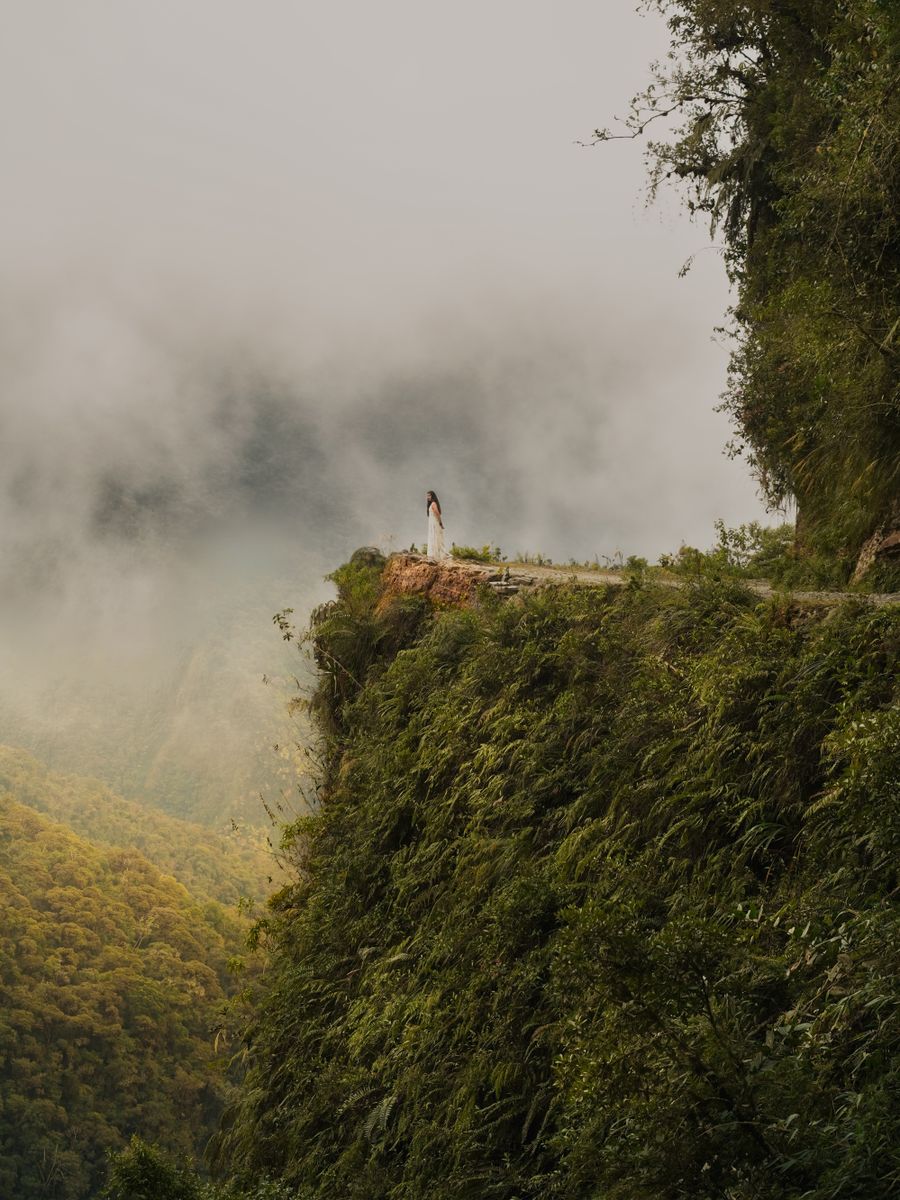
Yungas
Cloud forest · 800–2,800m
Yungas
Death Road · Coroico · Taquesi
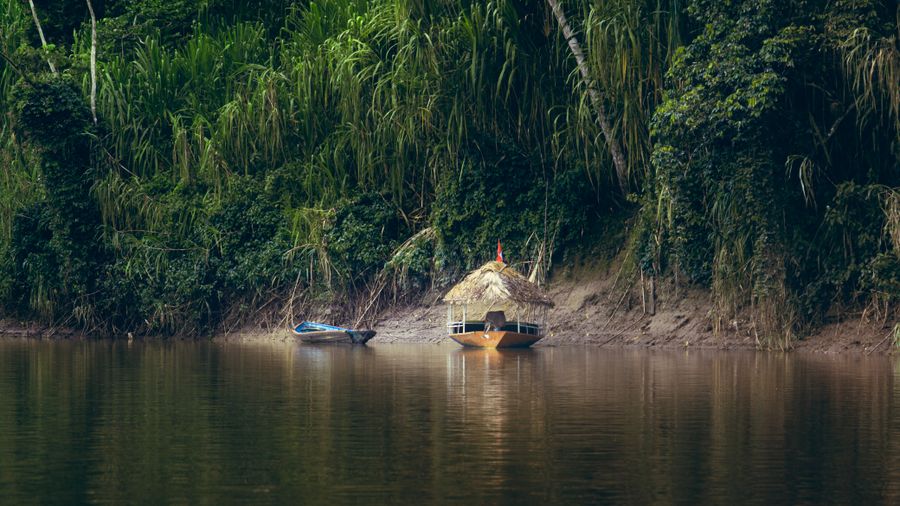
Amazon
Rainforest · 200–800m
Amazon
Madidi · Rurrenabaque · Chalalan

Destinations

What to see in La Paz
City of La Paz
3.640m
City of La Paz
World's highest capital · 30km cable car
Lake Titicaca
3.812m
Lake Titicaca
World's highest navigable lake
Tiwanaku
UNESCO
Tiwanaku
Pre-Inca capital · Gate of the Sun · 700 AD
Death Road
3.600→1.200m
Death Road
World's most famous mountain bike descent
Copacabana
3.841m
Copacabana
Titicaca gateway · Virgin of Copacabana
Isla del Sol
3.800m
Isla del Sol
Birthplace of Inca civilization · Titicaca
Madidi National Park
1.895.750 ha
Madidi National Park
World's most biodiverse park · 1,000 bird species
Rurrenabaque
230m
Rurrenabaque
Gateway to Madidi and Pampas del Yacuma

Love Bolivia Routes

Routes through La Paz

14
El CóndorAltiplano
La Paz · El Alto · Tiwanaku · 5–8 days
5–8 days · from $1,566
06
El Oso AndinoYungas
Death Road · Coroico · Taquesi · 5–8 days
5–8 days · from $1,466
01
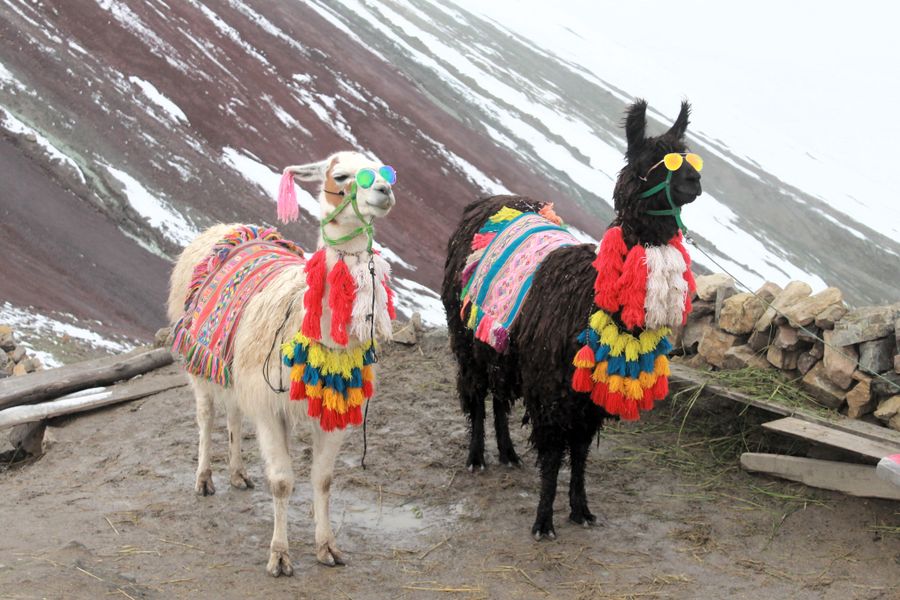
La LlamaAltiplano
La Paz · Uyuni · Titicaca · 10–14 days
10–14 days · from $2,354
07
El TapirMadidi
Madidi · Chalalan · Tuichi · 8–12 days
8–12 days · from $2,154
See all 19 Bolivia routes →

Getting there

How to reach La Paz

By air
El Alto International Airport (LPB): direct flights from Miami (American Airlines), Buenos Aires (LATAM/Aerolíneas), Lima (LATAM), Bogotá (Avianca), São Paulo (LATAM/GOL) and Madrid (Air Europa, seasonal). Bolivia's main international gateway.
🚌
By bus
Bus from Oruro: 3.5h (~$5 USD). Bus from Cochabamba: 5–6h. Bus from Santa Cruz: 14–16h. La Paz is connected by paved road to all departmental capitals.
🚗
By road
La Paz–Copacabana: 3.5h on paved road (ferry at Tiquina Strait). La Paz–Tiwanaku: 1.5h. La Paz–Oruro: 3.5h. The city has complex traffic — the cable car (teleférico) is recommended for getting around.

When to visit

Best time for La Paz

La Paz and its department have a temperate climate year-round. The dry season (May–October) is preferred for excursions and trekking. The rainy season (November–March) is greener and better for Madidi.

May – OctDry season
Clear skies, 12–18°C in La Paz. Best time for Titicaca, Tiwanaku, Death Road and Yungas trekking. Madidi is more accessible but drier.
Nov – MarRainy season
Department at peak green. Titicaca has better light. Madidi and Rurrenabaque are more biologically active. Death Road may be slippery. Rain mostly in afternoons.
Jun – JulPeak season
Most visitors. Perfect blue skies, calm Titicaca, best cable car visibility. Book ahead especially in Copacabana.
Jan – FebCarnival & Alasitas
La Paz celebrates Ekeko (Alasitas) in January and Carnival in February. Rainy season but culturally very rich. The altiplano blooms. Yungas at their most lush.

People & culture

Identity & traditions

Indigenous people
Aymara
The Aymara people are the department's majority indigenous nation. La Paz, El Alto and the entire Titicaca basin are historic Aymara territory. Their culture: the ayllu system (communities), the wiphala flag, ch'alla rituals, cholitas and the Aymara language (co-official in Bolivia).
Andean worldview
Tiwanaku & Kallawayas
Tiwanaku (UNESCO 2000) is the centre of a 1,600-year civilisation that preceded the Incas. The Kallawayas are itinerant Andean healers, guardians of thousands of years of herbal knowledge, declared UNESCO Intangible Heritage in 2003.
Urban culture
La Paz & El Alto
La Paz and El Alto (Bolivia's second-largest city, 100% Aymara) represent one of the world's most unique cultural fusions: the modernity of the cable car and Freddy Mamani's buildings alongside chola markets, cholita wrestling and Andean rituals at the Witches' Market.

Gastronomy

What to eat in La Paz

La Paz's gastronomy is one of Bolivia's richest, fusing Aymara highland cooking with influences from the yungas and valleys.

Anticucho paceño
Grilled beef heart skewers with peanut and chilli sauce. La Paz's most iconic street snack, especially in Sopocachi and the Mercado de la 27.
Chairo
La Paz's most representative soup: broth of chuño, wheat, charque (dried meat), vegetables and herbs. Robust, nutritious and warming for cold paceño days.
Fricasé
White pork stew with chuño and maize, served with bread. The quintessential La Paz late-night dish — eaten after carnival and celebrations.
Api morado con buñuelos
Hot spiced purple maize drink with cinnamon and cloves. Served with buñuelos (Andean fritters) at street markets at dawn. The classic La Paz breakfast.

— FAQ

Frequently asked questions

Still have questions? Drop us a line — we answer every question personally.

Contact us →

Neighbouring departments

Oruro
Altiplano · UNESCO Carnival
Cochabamba
Valleys · Torotoro · Gastronomy
Beni
Amazon · Llanos · Trinidad
Pando
Virgin Amazon · Cobija

— Love Bolivia

Ready to explore La Paz?

We design custom itineraries. A 45-minute call with a Bolivian who knows every corner of the country.

Plan my trip →