Skip to content
Ciudad de Tarija Bolivia — Valle Central de Tarija, capital del vino y singani boliviano con clima mediterráneo andino
condor
— City · Capital of Bolivian wine · 1,866m

City of Tarija,
Bolivia.

1,866m, Andean Mediterranean climate. The world's highest-altitude wine and singani. Bolivia's most Spanish city. The most fertile valley in the southern Andes.

Altitude
1,866 m
Climate
16–24°C · Mediterranean
Wine
85% of BO production
Singani
Bolivian D.O.
Wineries
12+ visitable
Flight from SCZ
~1h
— Tarija wine and singani

The world\'s highest-altitude wines.

🍷
High-altitude wines
The Valle Central of Tarija produces wines at 1,800–2,500m — the world's highest commercially produced altitude wines. The combination of high UV radiation, extreme temperature swings (15–20°C daily) and intense solar radiation produces thick-skinned grapes with high concentration. Star varietals: Cabernet Sauvignon, Malbec, Tannat and Torrontés.
🥃
Singani
Singani is Bolivia's Moscatel grape brandy — with a protected Designation of Origin, the only Bolivian DO spirit. Its characteristic floral notes (moscatel flower) distinguish it from pisco. The chuflay (singani + ginger ale + lime) is the classic mix. Produced mainly in Tarija and the Valle de los Cintis.
🏡
Visitable wineries
The main Valle Central wineries admit visits by appointment: Kohlberg, Campos de Solana, Aranjuez, Casa Real and several boutique producers. Tours include vineyard walks (harvest Feb–Mar), production process and tasting. A Tarija winery tour is one of Bolivia's most specific and least expected experiences.
🍇
Harvest (Feb–Mar)
The Tarija harvest (February–March) is a multi-week celebration with the Harvest Festival, Queen of the Harvest procession, public tastings in the plazas and winery open days. It is the best time to visit Tarija and experience the wine culture in full activity.
📍
Valle de los Cintis
3h from Tarija, the Valle de los Cintis is the most recognised singani production zone. Vineyards hang from vertical terraces in the Camblaya River canyon at 2,000–3,000m. Only a few boutique producers work here. The landscape — vine terraces on vertical rock — is one of the most extraordinary in the Bolivian Andes.
Love Bolivia conclusion
Tarija is Bolivia's most underrated city. Its climate is the most pleasant of any major Bolivian city. Its gastronomy (tarijeña empanadas, ranga-ranga, chanfaina) is unique. Its wines are a genuine surprise for any oenophile. And almost no traveller passes through — which makes the experience even more authentic.
— Things to do in Tarija Bolivia

Four unique Tarija experiences.

🏛️
City centre

Plaza Luis de Fuentes

Bolivia's most Spanish plaza

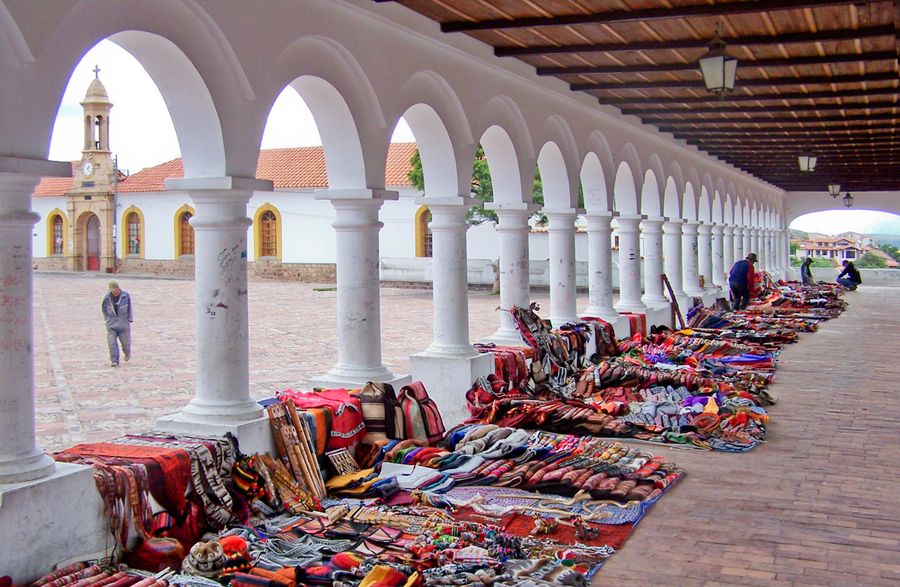
The Plaza Luis de Fuentes (named after Tarija's founder, 1574) is the social heart of the city — a leafy square flanked by the Cathedral (1612), the Gobernación and colonial arcades. Tarija's colonial architecture has stronger Spanish Andalusian character than any other Bolivian city: white walls, terracotta tiles, wrought iron balconies.

Tip
The best time for the plaza is Sunday morning — the weekly market surrounds the square with local food vendors. Eat breakfast at one of the pavement cafés: empanadas tarijeñas (flour pastry with cheese and egg) with café con leche.
🌿
15km from Tarija

Reserva Cordillera de Sama

Cloud forest, condors and highland lakes

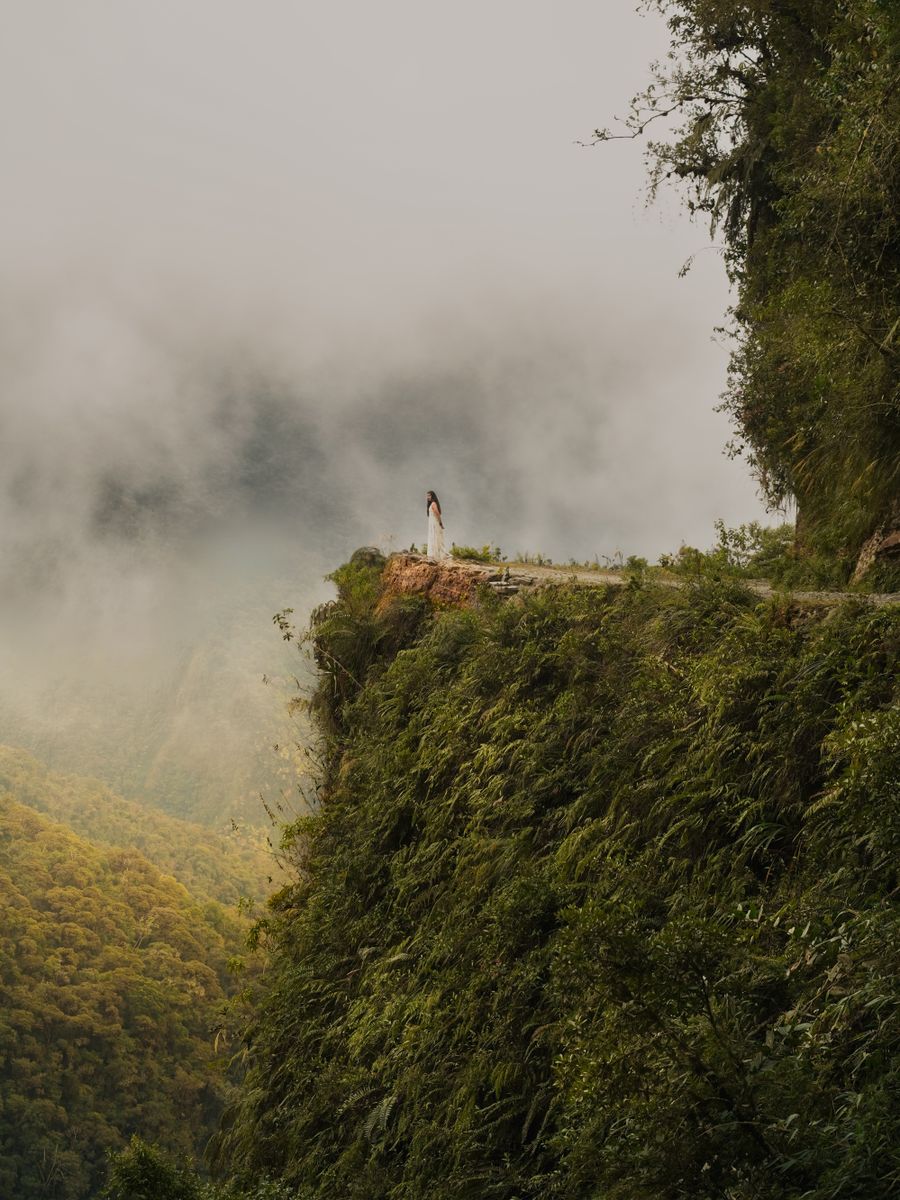
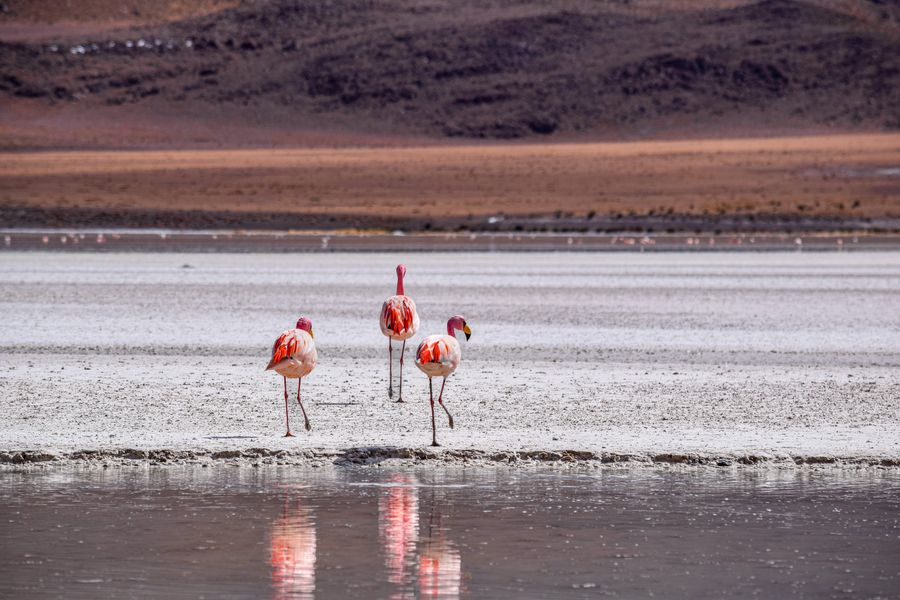
The Reserva de Biosfera Cordillera de Sama begins just 15km from Tarija and rises to 4,600m. The reserve protects cloud forest, Andean puna, high-altitude lakes (lagunas) and one of Bolivia's densest condor populations. The Laguna Tajzara (4,100m) hosts flamingos. The cloud forest access is one of the best day trips from Tarija.

Tip
The most accessible area is the Laguna Tajzara circuit (4,100m) — reachable by 4×4 in 1.5h from Tarija. Condor sightings are frequent on the ridgelines above the laguna. Hire a local guide from Tarija for the puna trekking circuit.
Full guide →
🥟
City-wide

Tarijeña Gastronomy

Bolivia's most underrated regional kitchen

Tarija's gastronomy has strong Spanish-Andalusian roots — more European in character than any other Bolivian city. Classics: empanadas tarijeñas (oven-baked flour pastry with cheese/meat), ranga-ranga (tripe stew in chicha sauce), saice (minced meat sauce over rice), chanfaina (offal stew) and the extraordinary local cheeses. The city's wine culture means restaurant quality is consistently higher than elsewhere.

Tip
For the best empanadas: the market stalls on Calle Colón open at 7am. For wine tourism dining: Viñedo La Concepción and Aranjuez winery restaurant. For traditional tarijeño food: La Tablita del Tío (off the main plaza). For singani cocktails: Calle Trigo bars on Friday evenings.
🌄
3h from Tarija

Valle de los Cintis

Vertical vine terraces in a canyon

The Valle de los Cintis is Bolivia's most spectacular wine landscape — vineyards hanging from sheer canyon walls at 2,000–3,000m, accessed by winding roads through arid Andean scenery. Only a handful of boutique singani producers work here. The Camblaya River canyon is stunning. A day trip or overnight from Tarija.

Tip
The Valle de los Cintis requires a car and some navigation confidence — the road is paved but the last access tracks are unpaved. Ask at the Tarija tourist office for current road conditions. The singani boutique producers here often receive visitors without appointment but confirm ahead.
Full guide →
— How to get to Tarija

Getting there and getting around.

✈️
  • Flight from Santa Cruz: ~1h, BoA or Amaszonas, ~$70–120 USD. Most practical option.
  • Flight from La Paz: ~1.5h with connection in Sucre or Cochabamba. Less frequent.
  • Bus from Potosí: ~5h on the mountain road. Spectacular scenery.
  • Bus from Sucre: ~6–7h. Most used route for the southern circuit.
  • Capitán Oriel Lea Plaza Airport (TJA) 3 min from centre by taxi (5 Bs)
  • For Valle de los Cintis: car rental from Tarija (~$60–80 USD/day)
FAQ

Questions about Tarija.

Plan your trip →

Tarija produces 85% of Bolivian wine in the Valle Central at 1,800–2,500m — the world's highest commercially produced altitude wines. Extreme UV radiation, large daily temperature swings (15–20°C) and intense solar radiation produce thick-skinned grapes with high concentration. Main varietals: Cabernet Sauvignon, Malbec, Tannat and Torrontés. 12+ wineries open for visits by appointment.

Singani is Bolivia's Moscatel grape brandy — the only Bolivian spirit with a protected Denomination of Origin. Its characteristic floral notes (moscatel flower aroma) distinguish it from Peruvian and Chilean pisco, which are made from different grape varieties. The classic serve is chuflay (singani + ginger ale + lime). Produced mainly in Tarija and the Valle de los Cintis. Bolivia's national spirit.

Tarija has the most pleasant climate of any major Bolivian city — 16–24°C virtually year-round. Two best periods: (1) Harvest season (February–March): the harvest festival, winery open days, Queen of the Harvest procession. (2) Dry season (May–September): clearest skies, best for the Cordillera de Sama excursion and Valle de los Cintis road. The Easter/Holy Week celebration in Tarija is also extraordinary.

— Your Tarija & valleys trip

Bolivia\'s best wine.
Start here.

45 minutes. We design your Tarija, Valle Central wineries and Cintis itinerary with logistics and a realistic budget.

$90 · €85 · Bs. 623

Book consultation → $90 · €85 · Bs. 623Valleys ecosystem →