— The Department
What is Pando?
The Department of Pando is Bolivia's least known, least populated (~115,000 inhabitants) and most remotely Amazonian department. Located in the far north, bordering Brazil's Acre state and Peru's Madre de Dios department, it forms one of the world's highest-biodiversity regions.
Over 95% of the territory is covered by primary Amazon rainforest. The main economic activity is Brazil nut collection (Bertholletia excelsa) — the tallest canopy tree in the Amazon (up to 50m) that can only reproduce in primary forest. Bolivia is the world's largest Brazil nut exporter, and Pando's forests are the most extensive on earth. This economic model makes forest conservation directly profitable.
The capital, Cobija, is the Bolivian city most integrated with Brazil: a pedestrian bridge over the Acre River connects it to Brasiléia (Acre, Brazil). For the adventurous traveller, Pando offers the Manuripi Wildlife Reserve (747,000 ha) with jaguar, giant otter, manatee, pink river dolphin and 600+ bird species.
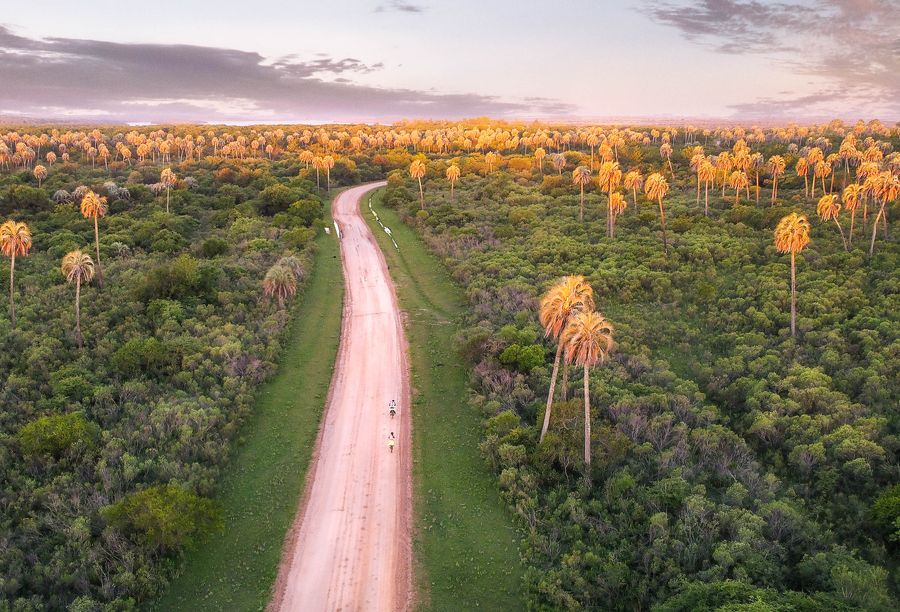
Pando is not a destination for conventional tourism. It has no developed tourism infrastructure, roads are dirt and many routes only accessible by river. But for those seeking Bolivia's real and unfiltered Amazon, it is irreplaceable.
— Ecosystems
Pando's ecosystems
— Destinations
What to see in Pando

— Getting there
How to reach Pando
— When to visit
Best time for Pando
Pando has an equatorial climate: heat and humidity year-round (26–34°C). The dry season (May–October) makes roads more accessible and wildlife concentrates on riverbanks.
— People & culture
Identity & traditions
— Gastronomy
What to eat in Pando
Pando's food is tropical, riverine and forest-centred. River fish, yuca, plantain and Brazil nut are the defining ingredients.
— Gallery
Bolivia in focus
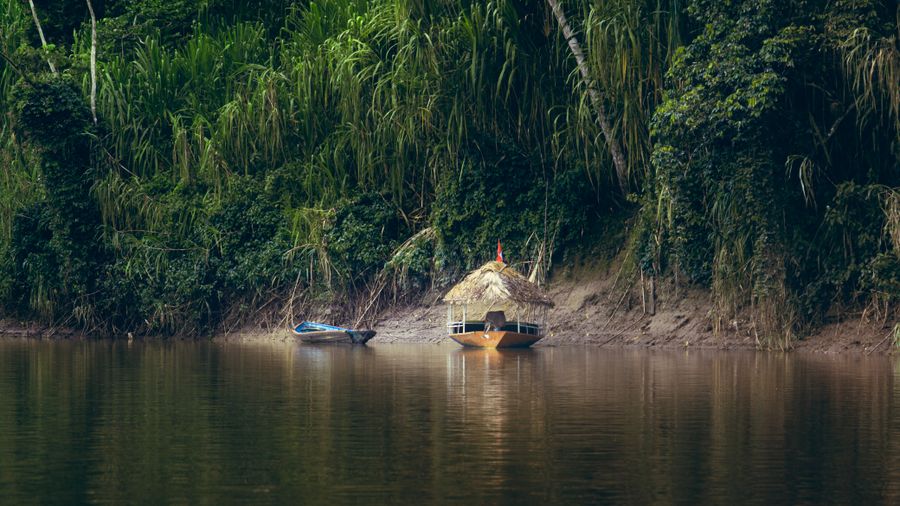
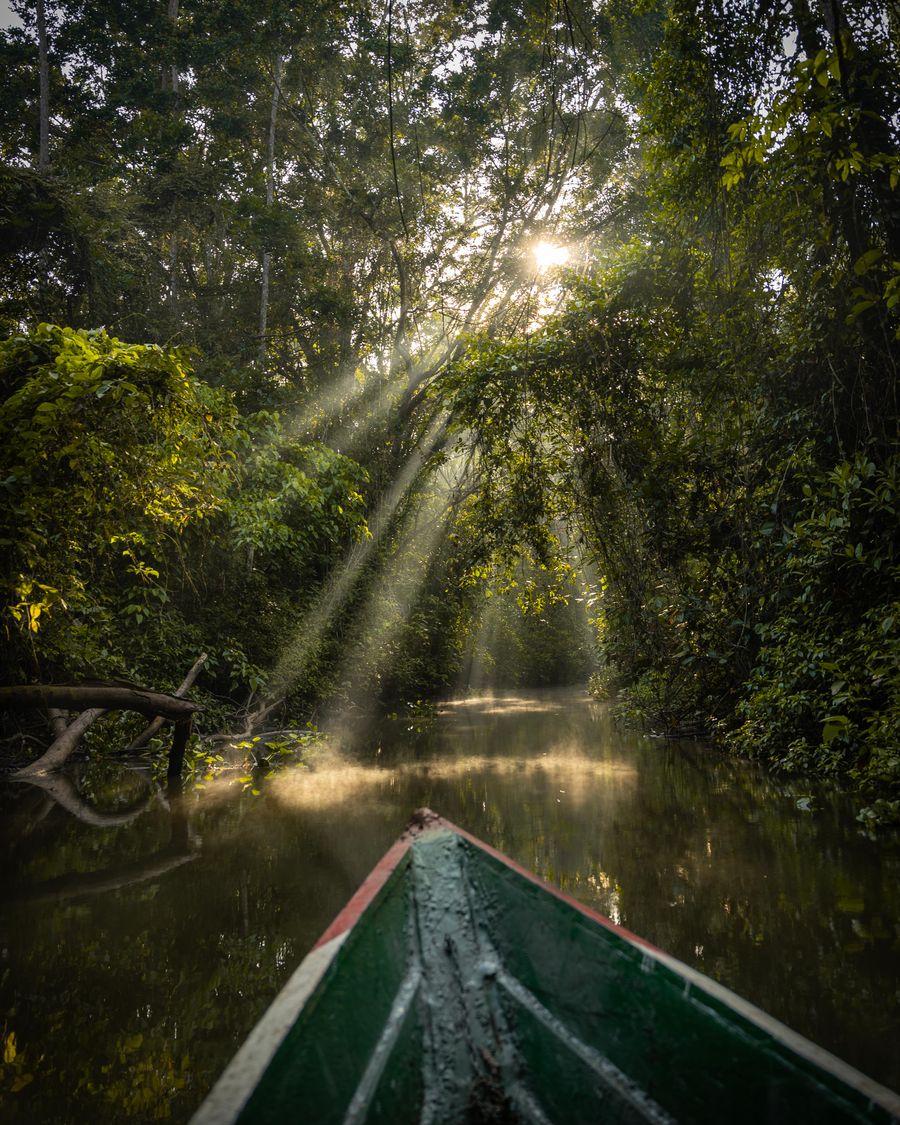
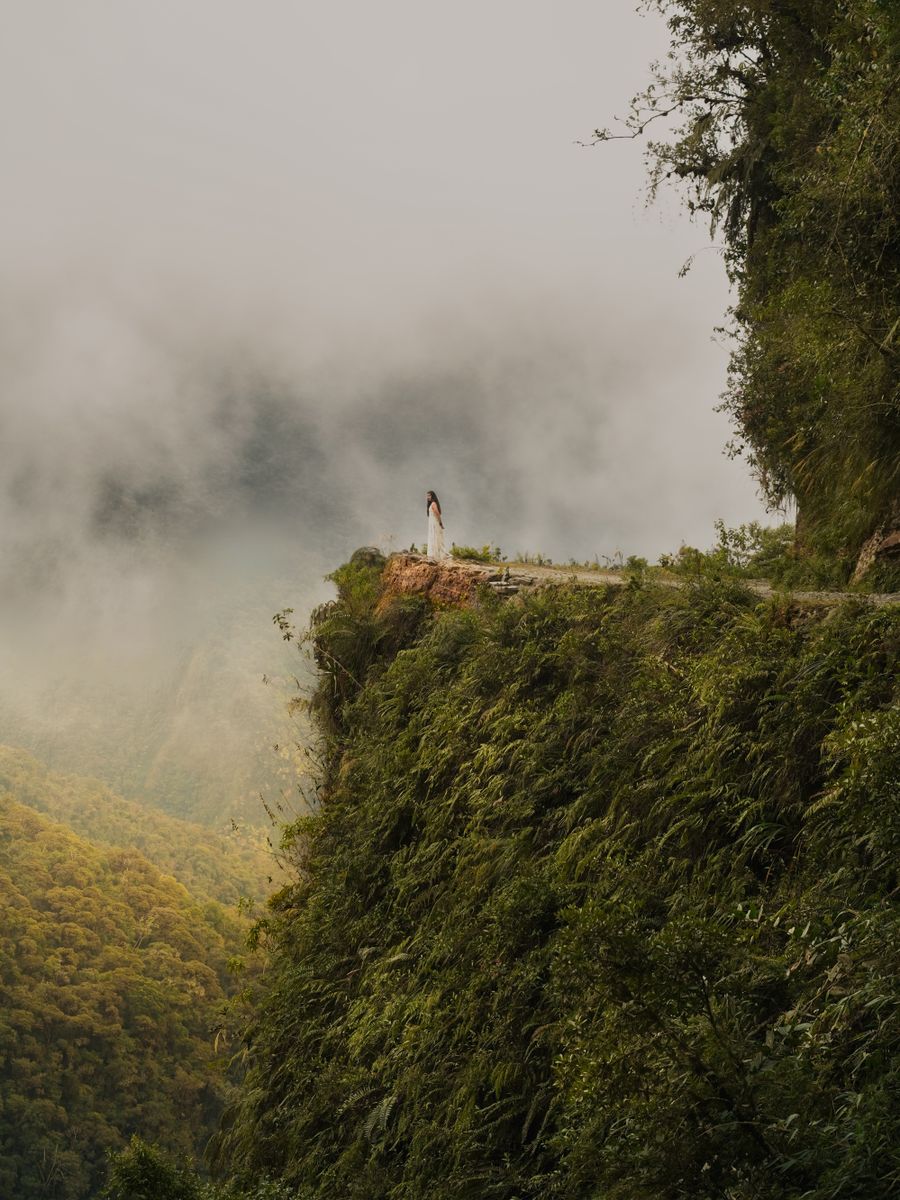
Real photography from our routes. No stock images. Hover to explore.
— FAQ
Frequently asked questions
Still have questions? Drop us a line — we answer every question personally.
Contact us →— Neighbouring departments
— Love Bolivia
Ready to explore Pando?
We design custom itineraries. A 45-minute call with a Bolivian who knows every corner of the country.
Plan my trip →