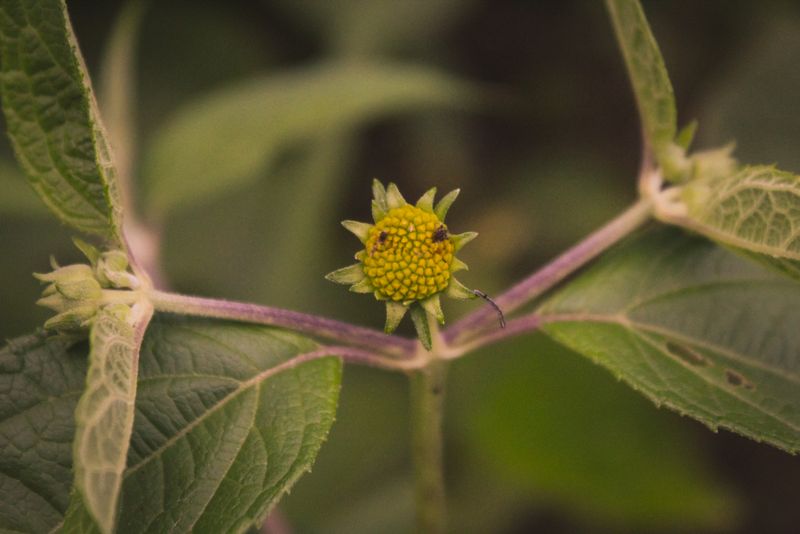

Bolivia\'s Pantanal: almost unexplored.
The Pantanal is the world's largest tropical wetland — 150,000 km² of flooded plains, gallery forests and savannahs spanning Brazil, Bolivia and Paraguay. Bolivia holds roughly 15–20% of the total: about 30,000 km² in the far east of Santa Cruz department, where the Paraguay, Negro and Iténez rivers drain southward.
What distinguishes Bolivia's Pantanal from Brazil's is precisely what few visitors know: it is the least touristed, most pristine sector, and it combines best with other destinations (the Jesuit Missions, Santa Cruz, the Chaco). Kaa-Iya del Gran Chaco — Bolivia's largest national park at 34,411 km² — has been co-managed with the Izoceño-Guaraní indigenous community since 1995, in the first such agreement in South America.
Bolivia's Pantanal contains the highest documented jaguar concentration in the world. San Matías, Bolivia's largest protected area (2,918,000 ha), connects the Pantanal with the Amazon and the Brazilian Cerrado in a biodiversity corridor with no parallel in South America.
Six destinations, one frontier.
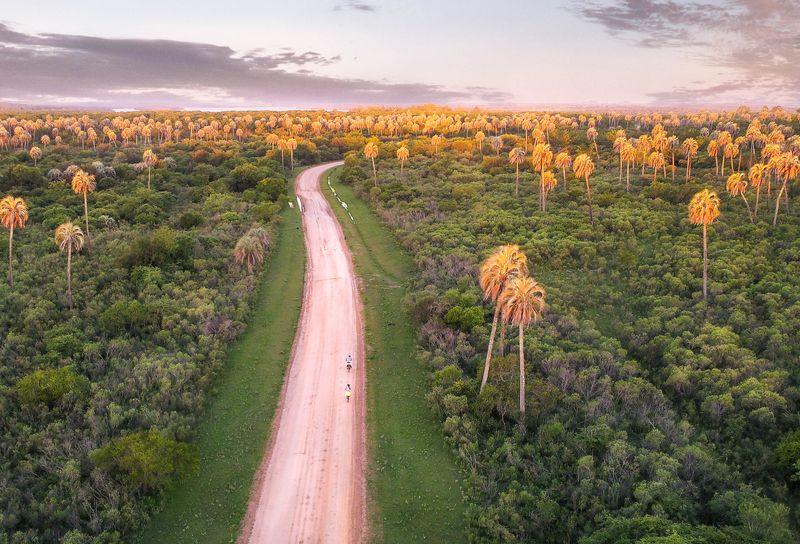


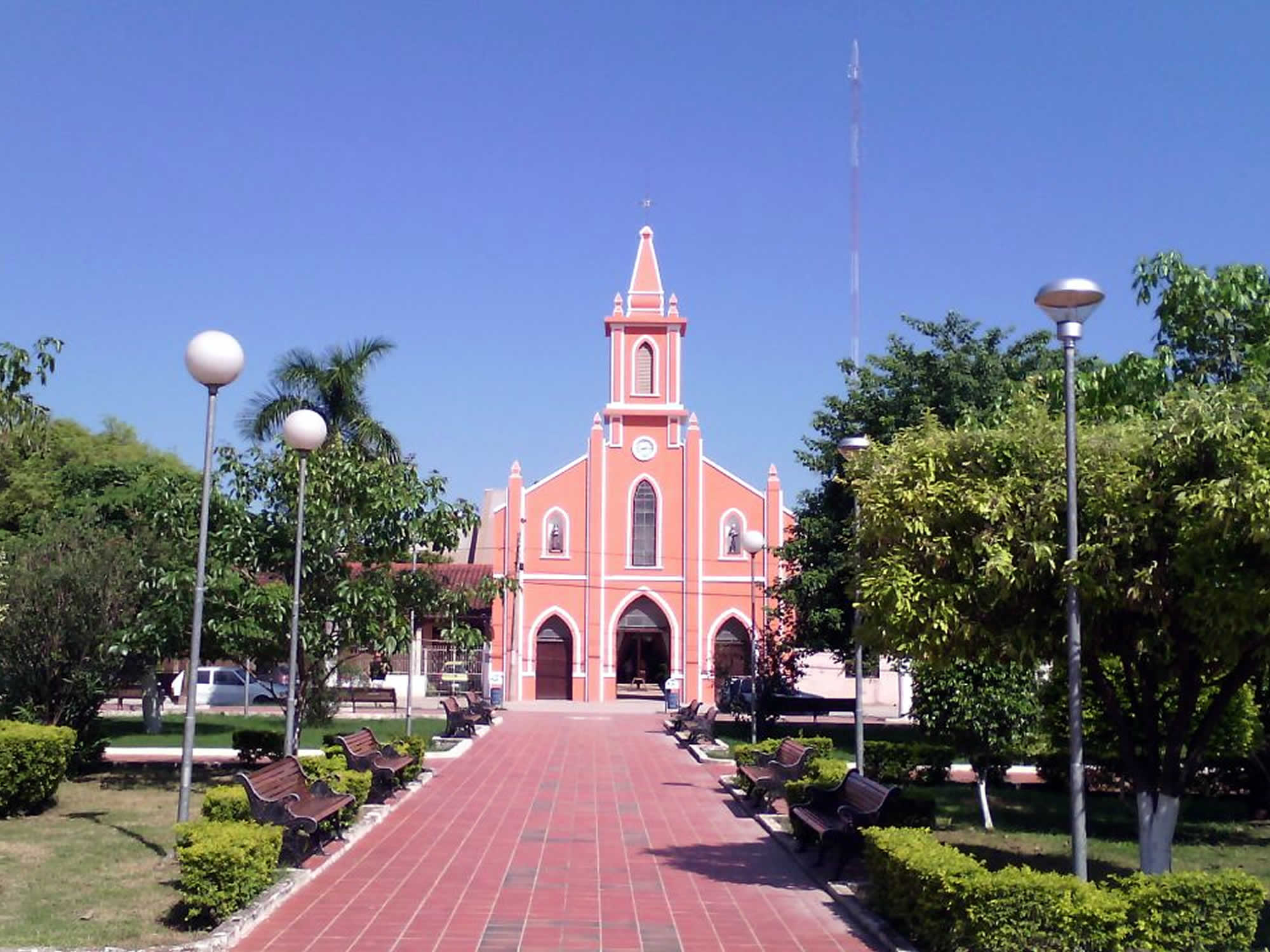

The jaguar guide for Bolivia.
Bolivia has the world's highest jaguar density. What it doesn't have is Brazil's tourist infrastructure. This guide tells you exactly what to expect.
9 species that define Bolivia\'s Pantanal.
Click to expand each species — zone, season and what to realistically expect.
July–September: the jaguar season.
The Death Train: 15–18 hours of wilderness.
The Ferrobus — nicknamed the Death Train for the thousands of workers who died during its construction in the 1940s and 50s — runs 560km from Santa Cruz de la Sierra to Puerto Quijarro, on the Brazilian border. Today it's a comfortable train with executive seating, a dining car and panoramic windows.
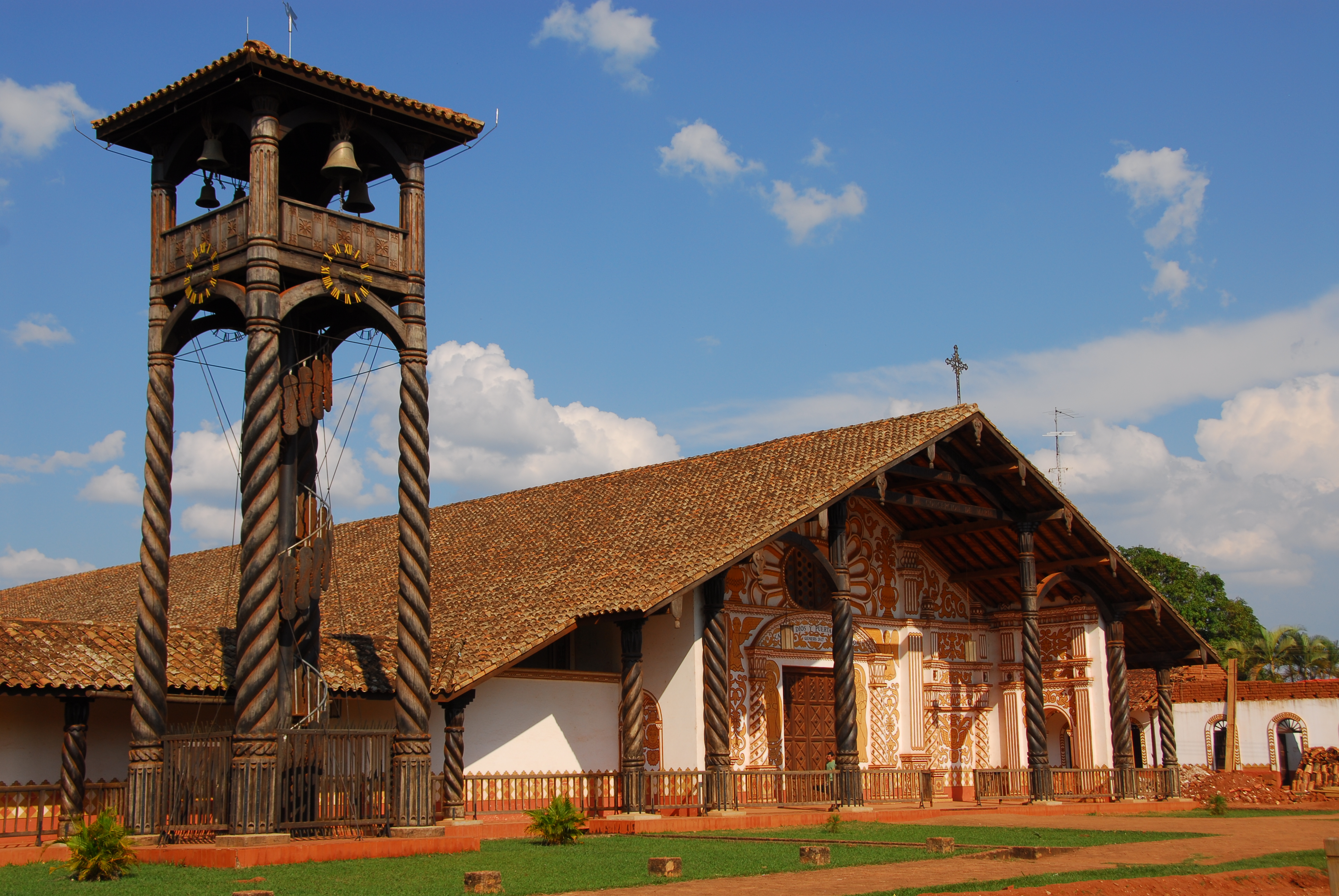
The overnight journey crosses the Chiquitano dry forest, passes two Jesuit missions (San José de Chiquitos is the most accessible from the station) and enters the Pantanal before dawn. The journey itself is an experience — not just transport.
Two routes for eastern Bolivia.
— Gallery
Bolivia in focus
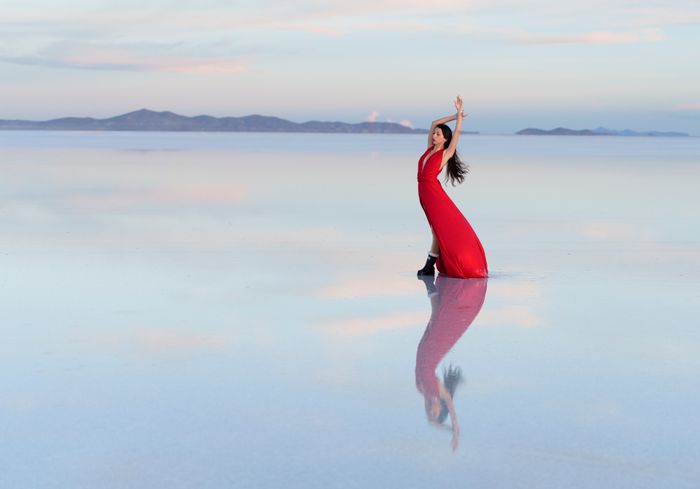
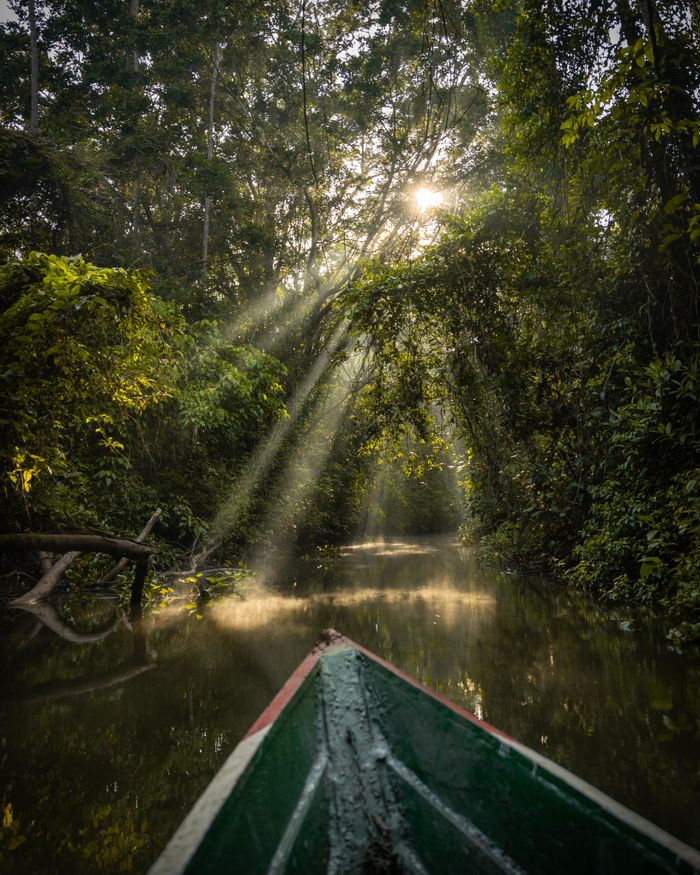
Real photography from our routes. No stock images. Hover to explore.

Ready to track
the jaguar?
45 minutes. We design your Pantanal itinerary with logistics, accommodation and a realistic budget.
$90 · €85 · Bs. 623