Skip to content
Oruro Carnival Bolivia — UNESCO Intangible Heritage
— Department · Altiplano heartland · UNESCO Carnival

Department of Oruro

The heart of the Bolivian altiplano. Oruro is home to South America's most spectacular Carnival (UNESCO 2001), Nevado Sajama (6,542m), the ancient Chipaya community and Salar de Coipasa.

← All departmentsPlan a trip →Gallery ↓
Capital
City of Oruro
Area
53,588 km²
Population
~560,000 inhabitants
Capital alt.
3,706 m.a.s.l.
Alt. range
3,500 – 6,542 m
Languages
Spanish · Aymara · Quechua · Chipaya

The Department

What is Oruro?

UNESCO 2001
Oruro Carnival — Intangible Heritage
6,542m
Nevado Sajama — Bolivia's highest peak
28,000
Dancers in the Carnival Entrada
~4,000 yrs
Age of the Chipaya community

The Department of Oruro is the geographic and cultural heart of the Bolivian altiplano. Sitting at an average altitude of 3,700m above sea level, it's one of Bolivia's most extreme departments — intense cold in winter (-20°C at the highest points), exceptionally clear skies and landscapes of austere beauty.

Internationally known for the Oruro Carnival — declared a UNESCO Masterpiece of Oral and Intangible Heritage of Humanity in 2001 — the department is also home to Nevado Sajama (6,542m, Bolivia's highest peak), the world's highest queñua forest, the Chipaya community (South America's most ancient) and the Salar de Coipasa, Bolivia's second salt flat, virtually unknown and tourist-free.

As a transit hub between La Paz and southwestern Bolivia, Oruro is also the essential stop for those heading to Uyuni. Its Campero market is one of the best gastronomic markets on the altiplano, and its historic centre preserves valuable republican and colonial architecture.

Ecosystems

Oruro's ecosystems

Altiplano
Andes · 3,500–6,500m
Altiplano
Sajama · Coipasa · Lake Poopó · Chipaya

Destinations

What to see in Oruro

Oruro city
UNESCO 2001
Oruro city
UNESCO Carnival · Diablada · Morenada
Carnaval de Oruro
14–15 Feb 2026
Carnaval de Oruro
UNESCO Heritage · 20,000 dancers · 48 conjuntos
Sajama National Park
6.542m
Sajama National Park
Bolivia's highest peak · Ancient queñua forest
Chipaya
La ciudad más antigua
Chipaya
Bolivia's most ancient pre-Inca community
Salar de Coipasa
2.218 km²
Salar de Coipasa
Bolivia's second salt flat — zero tourists
Train Cemetery
s.XIX
Train Cemetery
19th-century locomotives near Uyuni

Love Bolivia Routes

Routes through Oruro

01
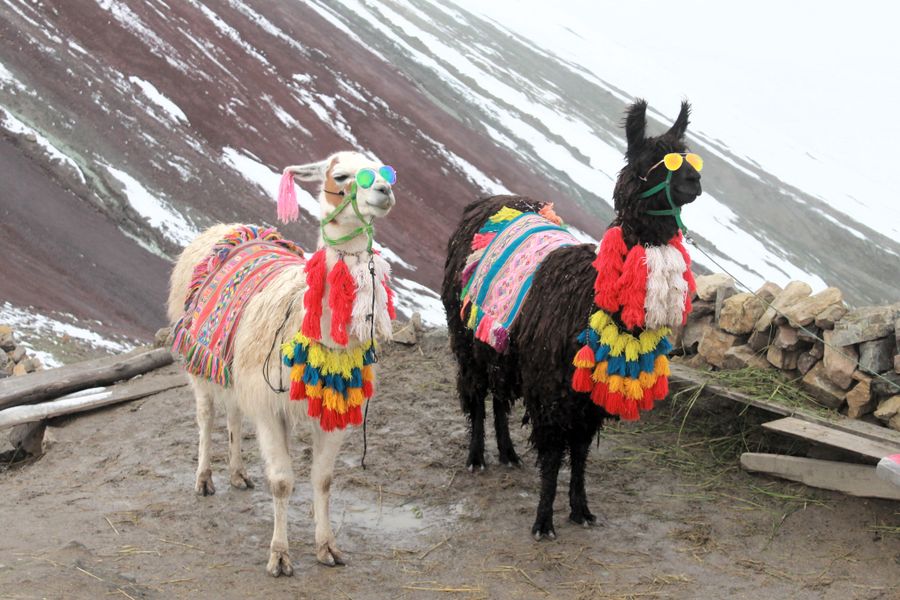
La LlamaAltiplano
Passes through Oruro en route to Uyuni and Titicaca
10–14 days · from $2,354
16
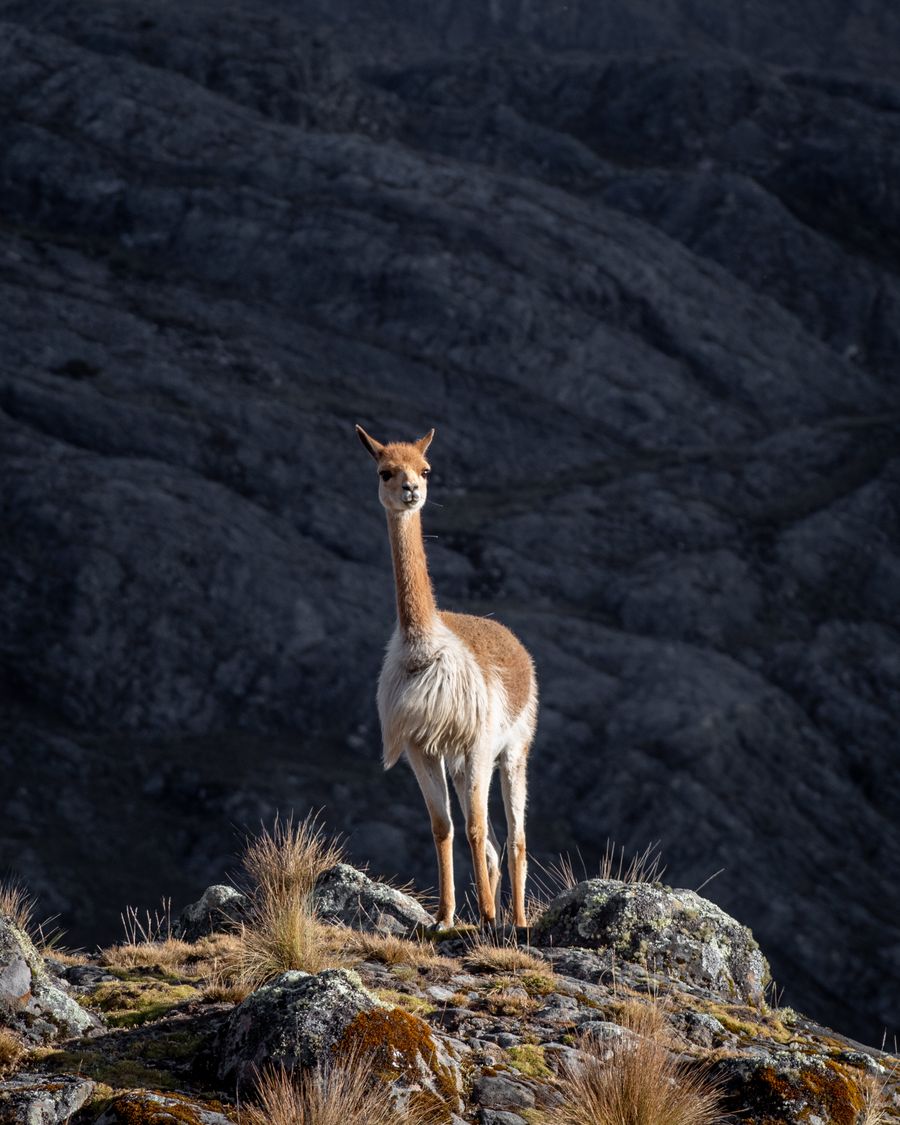
La VicuñaAltiplano
Sajama · Coipasa · Uyuni · 12–16 days
12–16 days · from $2,766
See all 19 Bolivia routes →

Getting there

How to reach Oruro

By air
Flight from La Paz (Amaszonas, 30min, ~$60–90 USD). Oruro Airport (ORU) is small but operational. Most travellers prefer the bus for frequency and convenience.
🚌
By bus
La Paz–Oruro bus: 3.5–4h, frequent departures (~$5–7 USD). Cochabamba–Oruro: 4h. Potosí–Oruro: 3.5h. Uyuni–Oruro: 6h. La Paz terminal has hourly departures to Oruro.
🚗
By road
Oruro is 230km south of La Paz on Route 1 (fully paved, flat, no mountain curves). 3.5h by car. From Cochabamba: 4h via the valley road. From Potosí: 230km, 3.5h.

When to visit

Best time for Oruro

Oruro has an extreme altiplano climate: intense cold year-round, even more so in winter. Best time for the Carnival is February-March. For nature and Sajama: May-October (dry season).

Feb – MarCarnival (unmissable)
The Oruro Carnival is the event of the year. The main Entrada is held on the Saturday before Ash Wednesday. 28,000 dancers, 20 hours of parade. Book accommodation 6-8 months ahead.
May – OctDry season
Best time for Sajama National Park (climbing, trekking, hot springs), Salar de Coipasa and Chipaya. Cold, dry, clear skies. Nights cold (-5 to -15°C).
Jun – AugAltiplano winter
The coldest months (-10 to -20°C at night) but with the clearest skies of the year. Ideal for photography of Sajama and the altiplano. Pack extreme cold-weather gear.
Nov – JanTransition / rains
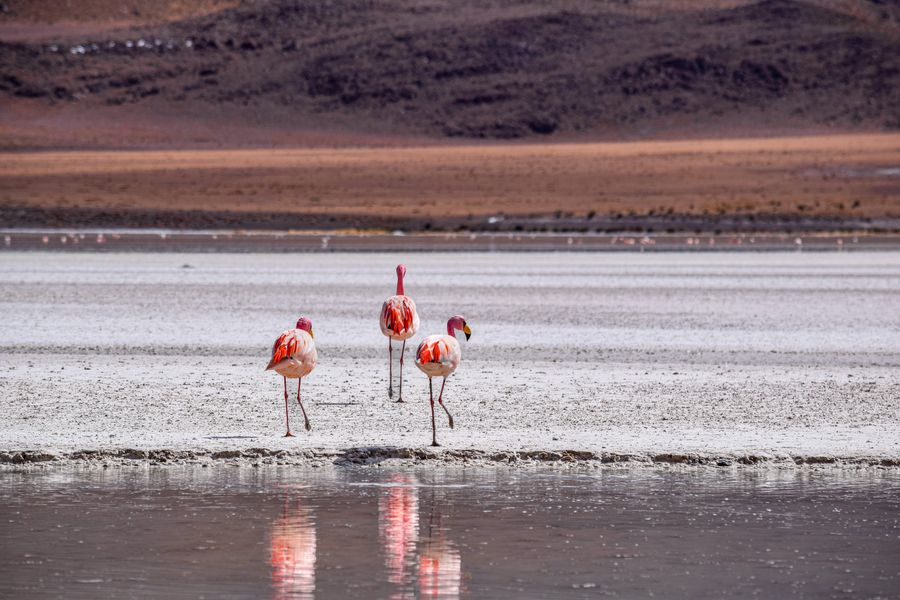
The altiplano begins greening with first rains. Flamingos appear in wetlands and bofedales. Sajama becomes greener but harder to climb.

People & culture

Identity & traditions

Indigenous people
Chipaya
The Chipayas are Bolivia's most ancient people and possibly South America's oldest documented community, with a history spanning over 4,000 years. Their language, Puquina, is an isolated tongue with no relationship to Quechua or Aymara. They live in the extreme western altiplano of Oruro, around the Salar de Coipasa. Their conical tower architecture (circular chullpas used as dwellings) is unique in the world.
Intangible heritage
Oruro Carnival
The Oruro Carnival is Bolivia's most important folkloric expression. 48 fraternities, 28,000 dancers, 10,000 musicians and 20 continuous hours of parade. Main dances: Diablada, Morenada, Caporales, Tinkus and Kullawada. Each devil costume costs $2,000–6,000 USD and weighs 25–40kg.
Mining culture
Tin mining heritage
Oruro was the centre of Bolivia's tin mining in the 20th century. The nationalisation of mines in 1952 is one of Bolivia's key historical moments. Mining culture — El Tío, ch'alla rituals, trade unions — remains central to Oruro's identity.

Gastronomy

What to eat in Oruro

Oruro's gastronomy is robust altiplano fare — hearty soups, chuño, llama meat and Andean tubers.

Chicharrón orureño
Pork fried in its own fat, served with mote (cooked maize) and llajwa (spicy tomato sauce). Oruro's quintessential celebration dish.
Caldo de carachis
Soup made with carachi — a fish endemic to Lake Poopó — with chuño, potato and herbs. A recipe at risk of extinction due to the Poopó crisis.
Lawa de chuño
Thick soup of ground chuño (freeze-dried potato) with beef or llama. The most deeply rooted dish in rural communities of the department.
Chicha de jora
Fermented maize beer, an essential part of Andean culture in Oruro. Consumed during ch'alla rituals and Carnival celebrations.

— FAQ

Frequently asked questions

Still have questions? Drop us a line — we answer every question personally.

Contact us →

Neighbouring departments

La Paz
Titicaca · Tiwanaku · Yungas
Potosí
Uyuni · Laguna Colorada · Cerro Rico
Cochabamba
Valleys · Torotoro · Gastronomy

— Love Bolivia

Ready to explore Oruro?

We design custom itineraries. A 45-minute call with a Bolivian who knows every corner of the country.

Plan my trip →