Skip to content
Cochabamba valley, Bolivia — the gastronomic capital at 2,558m
— Department · Valleys · Bolivia's Gastronomic Capital

Department of Cochabamba

Bolivia's undisputed gastronomic capital at 2,558m. Extraordinary diversity: from fertile valleys to the Chapare Amazon and Tunari's 5,035m peaks. Home of Torotoro, Inkallajta and chicha.

← All departmentsPlan a trip →Gallery ↓
Capital
City of Cochabamba
Area
55,631 km²
Population
~2.1 million
Capital alt.
2,558m above sea level
Alt. range
200 – 5,035m
Languages
Spanish · Quechua

The Department

What is Cochabamba?

2,558m
Altitude of Cochabamba — most comfortable of Bolivia's major cities
Gastronomic capital
Chicha · Silpancho · Pique macho · Cochabamba chicharrón
Bolivia's largest
Inkallajta — Inca kallanka 78×25m
70M years
Dinosaur tracks at Torotoro — Late Cretaceous period

The Department of Cochabamba is Bolivia's fourth largest (55,631 km²) and one of its most geographically diverse. Its capital — known locally as "La Llajta" — sits at 2,558m in a fertile inter-Andean valley. Bolivia's third largest city and its unanimous gastronomic capital.

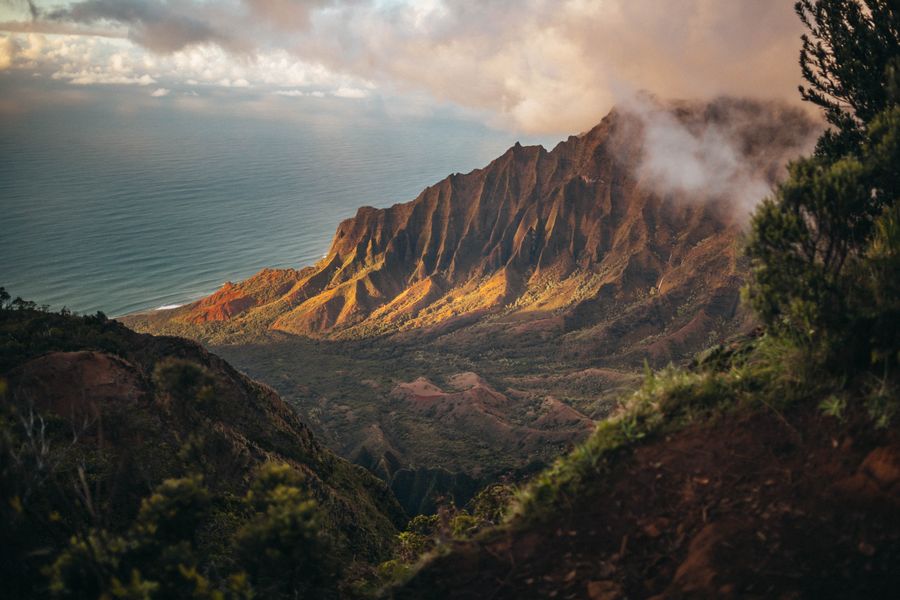
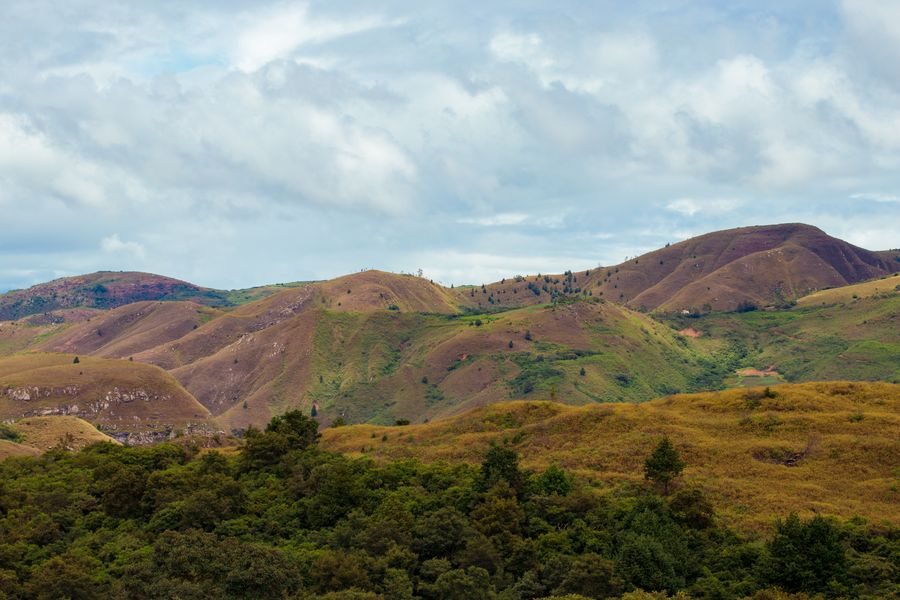
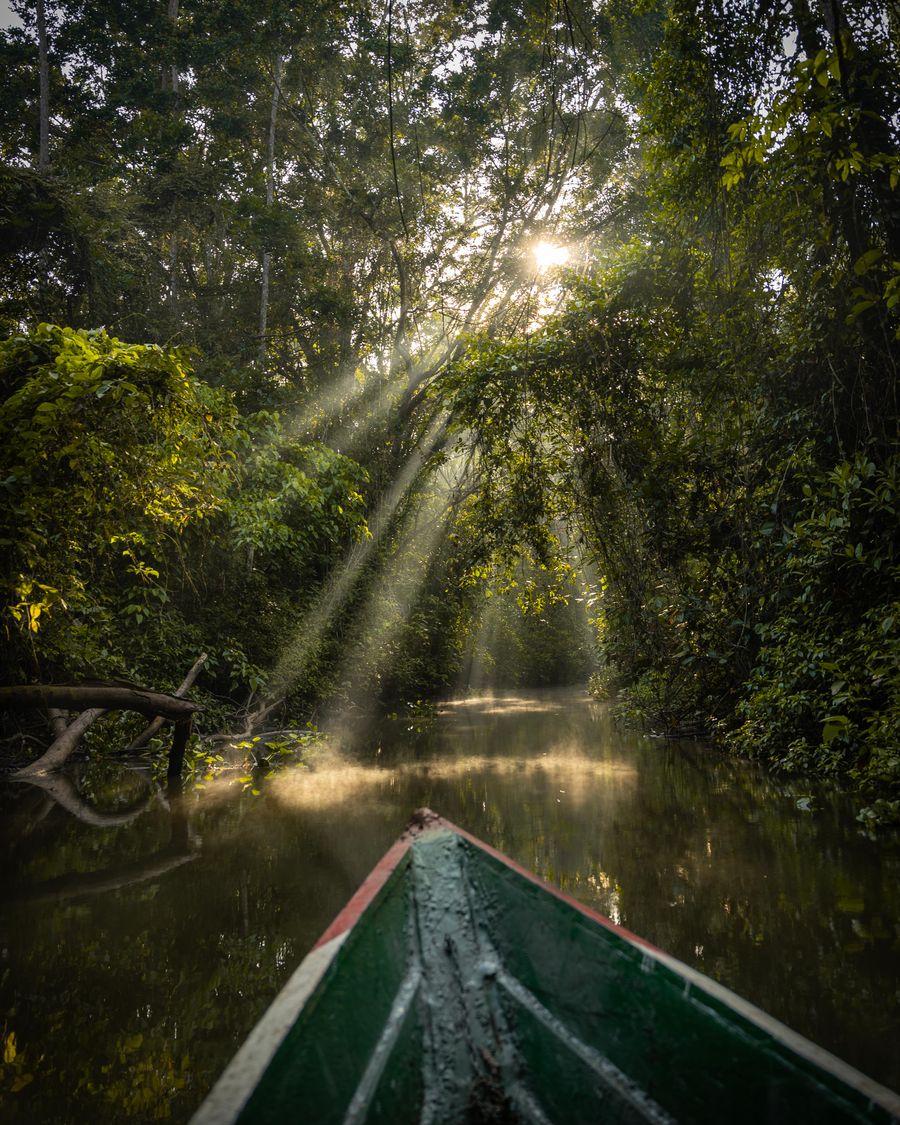
The department spans three radically different ecosystems: the temperate central valleys with their chicha culture and markets, the Amazon rainforest of the Chapare (Carrasco National Park, 622,000 ha), and the peaks of Tunari National Park (5,035m), where spectacled bears and pumas live directly above the city.

For travellers, Cochabamba is the gateway to two of Bolivia's most spectacular destinations: Torotoro National Park (150m canyon, 1,400+ dinosaur tracks, oilbird caves, condors) and Inkallajta — Bolivia's largest Inca fortress, with a 78×25m ceremonial hall that was the largest in the entire Inca Empire.

Ecosystems

Cochabamba's ecosystems

Inter-Andean Valleys
Temperate valleys · 2,500–3,200m
Inter-Andean Valleys
Cochabamba · Inkallajta · Gastronomy · Urkupiña
Amazon / Chapare
Tropical rainforest · 200–1,000m
Amazon / Chapare
Chapare · Carrasco Park · Villa Tunari · Wildlife
Mountains · Tunari
Andes · 3,200–5,035m
Mountains · Tunari
Tunari Park · Spectacled bear · Andean peaks

Destinations

What to see in Cochabamba
City of Cochabamba
2.558m
City of Cochabamba
Gastronomic capital · Cristo Concordia · La Cancha
Torotoro National Park
2.700–3.600m
Torotoro National Park
Dinosaur tracks · 150m canyon · Condors · Caves
Inkallajta
2.900m
Inkallajta
Bolivia's largest Inca fortress · 78×25m kallanka
Tunari National Park
5.035m
Tunari National Park
Spectacled bear · Puma · Ravines above the city
Chapare
200–800m
Chapare
Tropical forest · Villa Tunari · Caimans · Anacondas
Carrasco National Park
622.000 ha
Carrasco National Park
Oilbird cave · Spectacled bear · Cloud forest
Urkupiña · Quillacollo
Agosto
Urkupiña · Quillacollo
Bolivia's largest pilgrimage · 400,000 people
Amboró National Park
Santa Cruz
Amboró National Park
Border zone · 830 birds · Spectacled bear

Love Bolivia Routes

Routes through Cochabamba

04
El PerezosoValleys
Cochabamba · Sucre · Samaipata · 14–21 days
14–21 days · from $1,766
01
La LlamaAltiplano
Uyuni · Titicaca · La Paz · passes through Cochabamba
10–14 days · from $2,354
See all 19 Bolivia routes →

Getting there

How to reach Cochabamba

By air
Jorge Wilstermann International Airport (CBB): direct flights from La Paz (30min), Santa Cruz (45min), Sucre (35min) and international connections via Santa Cruz. The airport is in the city centre.
🚌
By bus
Bus from La Paz: 5–6h (~$7–12 USD). Bus from Santa Cruz: 10–12h overnight. Bus from Oruro: 4h. Bus from Sucre: 8–9h. Well-connected terminal in Cochabamba city centre.
🚗
By road
Cochabamba–La Paz: 380km, 5h on paved road (high mountain section). Cochabamba–Oruro: 210km, 3.5h. Cochabamba–Santa Cruz: 500km, 8–9h. The old Chapare road to Santa Cruz (11h) is spectacular.

When to visit

Best time for Cochabamba

Cochabamba has an almost year-round spring climate (18–24°C in the city). The dry season (May–October) is best for excursions. The wet season doesn't prevent visiting the city.

May – OctDry season — excursions
Ideal for Torotoro, Inkallajta and Tunari trekking. Clear skies, perfect temperature 20–25°C days, 12°C nights. All roads accessible.
Nov – MarWet season
Chapare at its most biologically active. Carrasco waterfalls at maximum flow. City functions normally — rain mainly in the afternoons. Valleys intensely green.
Aug 14–16Urkupiña Festival
Bolivia's largest pilgrimage in Quillacollo (15km from Cochabamba). Over 400,000 people. One of South America's most massive religious events. Book accommodation months ahead.
FebCarnival
Cochabamba's Carnival is colourful and authentic, less touristy than Oruro. Chicherías at their peak — fresh jora chicha is at its best during Carnival.

People & culture

Identity & traditions

Andean culture
Chicha culture
Chicha — fermented corn beer — defines Cochabamba's social identity. Every neighbourhood has its chichería, recognisable by the white flag on the door indicating fresh production. It is the social gathering place for family events, politics and celebrations.
Indigenous people
Quechua Cochabambino
Quechua is the department's main indigenous language. The Cochabamba Quechua culture has its own expressions: the Urkupiña Virgin festival (Bolivia's largest pilgrimage), valley markets and its own musical tradition.
Gastronomy
Gastronomic capital
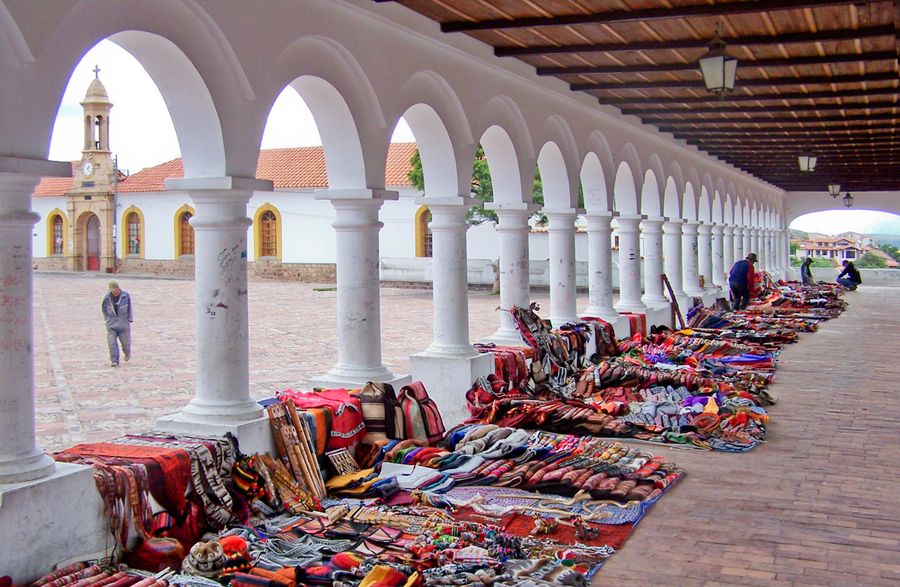
Cochabamba holds unanimous recognition as Bolivia's best city for food. Its dishes — silpancho, pique macho, chicharrón — are known across the country. La Cancha is Bolivia's largest market.

Gastronomy

What to eat in Cochabamba

Cochabamba is Bolivia's gastronomic capital, no question. Hearty dishes, Quechua and colonial techniques, and a street food scene that surpasses any other Bolivian city.

Full Bolivia gastronomy guide →
Silpancho
Extra-thin breaded beef fillet on rice and potato, with raw tomato salsa, onion and fried egg. The most popular daily dish in Cochabamba — in every market and pension.
Pique macho
French fries with beef and sausage pieces, pickled red onion, locoto chili, hard-boiled egg and mayonnaise. Born in Cochabamba and now found across Bolivia.
Chicharrón cochabambino
Pork ribs fried in their own fat, served with hominy corn and llajwa spicy sauce. Juicier and more tender than the La Paz version. The weekend family gathering dish.
Huminta
Sweet ground corn dough stuffed with fresh cheese, wrapped in corn leaves and grilled. The Cochabamba tamale — sweeter and cheesier.
Sopa de maní
Thick peanut soup with noodles, potato and beef. A deeply rooted Quechua dish in the valleys, comforting and nutritious.
Chicha de jora
Fermented sprouted corn drink — the social drink of Cochabamba since pre-Columbian times. Slightly alcoholic, refreshing, nutritious. Served in ceramic or plastic jugs at chicherías.

— FAQ

Frequently asked questions

Still have questions? Drop us a line — we answer every question personally.

Contact us →

Neighbouring departments

La Paz
Titicaca · Tiwanaku · Yungas
Oruro
UNESCO Carnival · Sajama · Altiplano
Potosí
Uyuni · Cerro Rico · Southwest
Chuquisaca
Sucre UNESCO · Cal Orcko · Tarabuco
Beni
Amazon · Llanos de Moxos · Pampas

— Love Bolivia

Ready to explore Cochabamba?

We design custom itineraries. A 45-minute call with a Bolivian who knows every corner of the country.

Plan my trip →