
— The Department
What is Potosí?
The Department of Potosí is Bolivia's third-largest department (118,218 km²) and the most important for international tourism. Here you'll find the Salar de Uyuni — the world's largest natural mirror and South America's most photographed destination — alongside Laguna Colorada, the Dalí Desert, Sol de Mañana geysers and the Villa Imperial de Potosí, the world's highest city and a UNESCO World Heritage Site.
Potosí's history is written in silver. Cerro Rico, discovered in 1545, financed the Spanish Empire for nearly 300 years and was the largest city in the Western Hemisphere in the 17th century. Today, its mines remain active and offer one of Bolivia's most powerful tours.
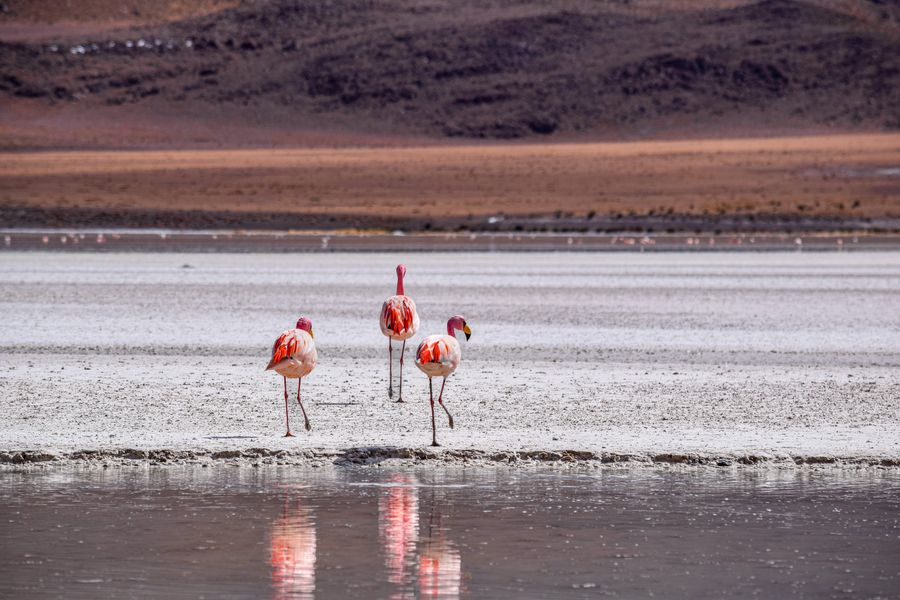
The department's southeast holds Bolivia's most extreme altiplano: at 4,000–5,000m above sea level, colours are unreal — red, white, green and blue lakes; pink flamingos; bubbling geysers at dawn. This is the Bolivia on every magazine cover.
— Ecosystems
Potosí's ecosystems


— Destinations
What to see in Potosí



— Love Bolivia Routes
Routes through Potosí
— Getting there
How to reach Potosí
— When to visit
Best time for Potosí
Potosí has two distinct seasons. The dry season (May–October) is best for the southwest circuit, but the Salar mirror effect requires the rainy season (January–March).
— People & culture
Identity & traditions
— Gastronomy
What to eat in Potosí
Potosí's gastronomy is altiplano and mining — hearty, rich in llama and pork, and deeply Quechua in its ingredients and techniques.
— Gallery
Bolivia in focus
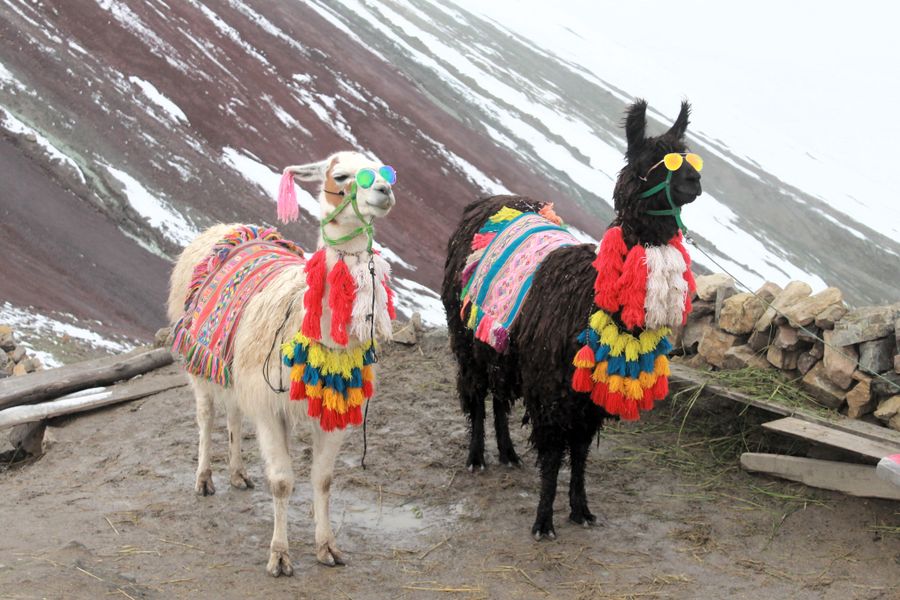
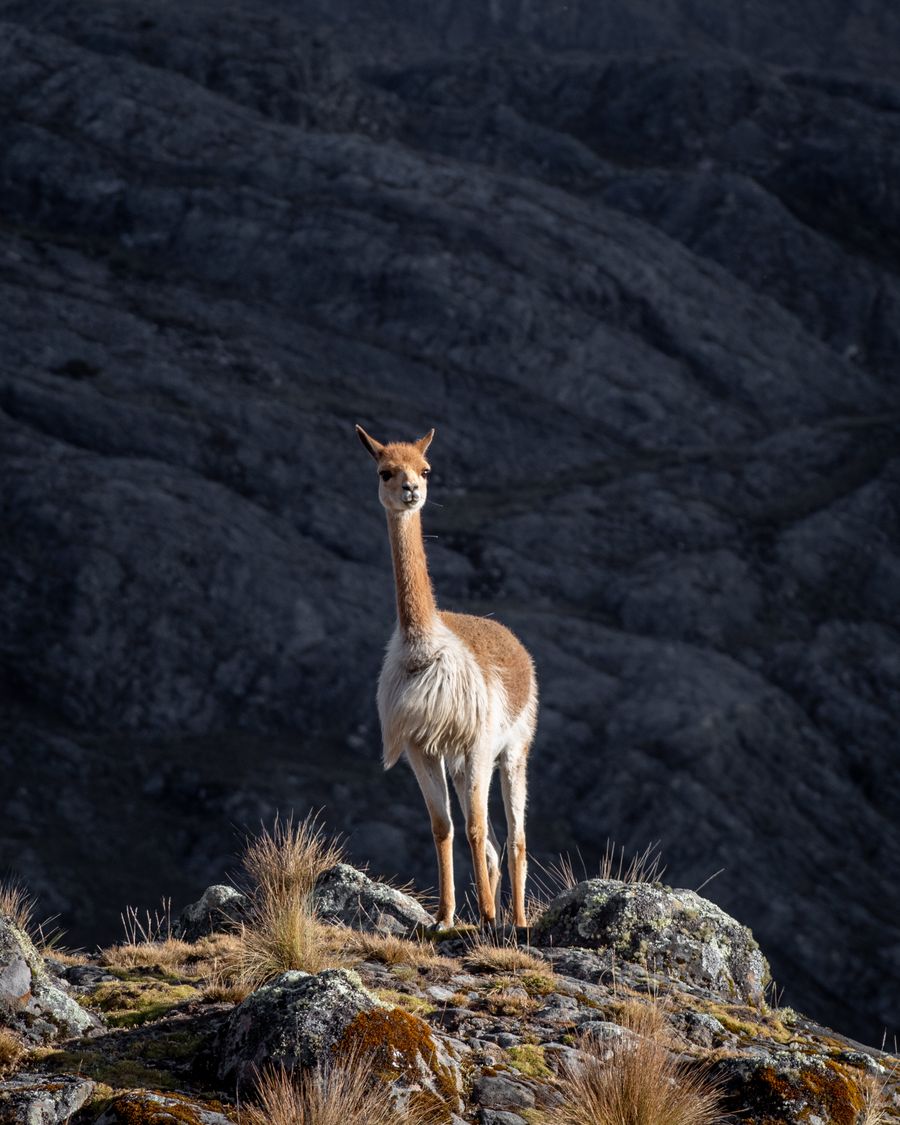
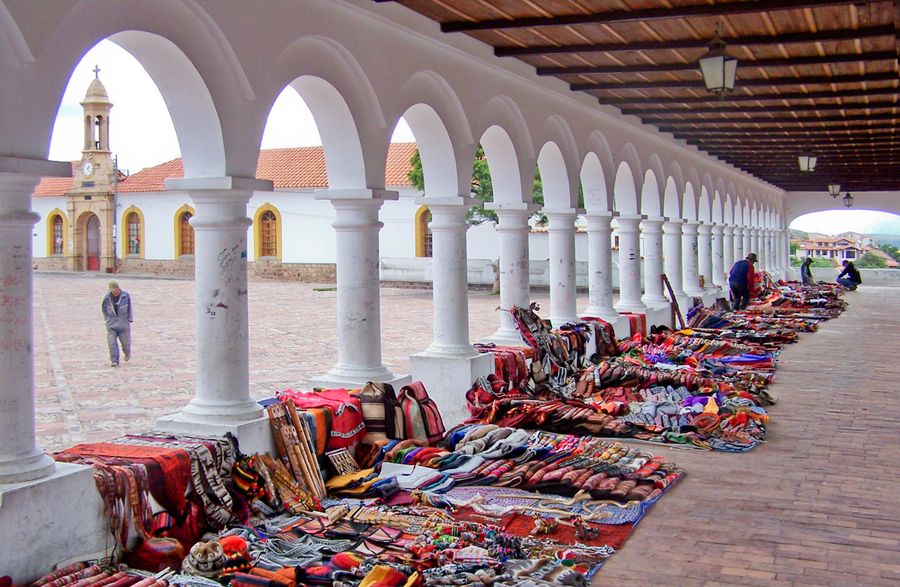
Real photography from our routes. No stock images. Hover to explore.

— FAQ
Frequently asked questions
Still have questions? Drop us a line — we answer every question personally.
Contact us →— Love Bolivia
Ready to explore Potosí?
We design custom itineraries. A 45-minute call with a Bolivian who knows every corner of the country.
Plan my trip →