Bolivia is not the first country that comes to mind when you think of wine. That is precisely why Tarija is worth the flight.
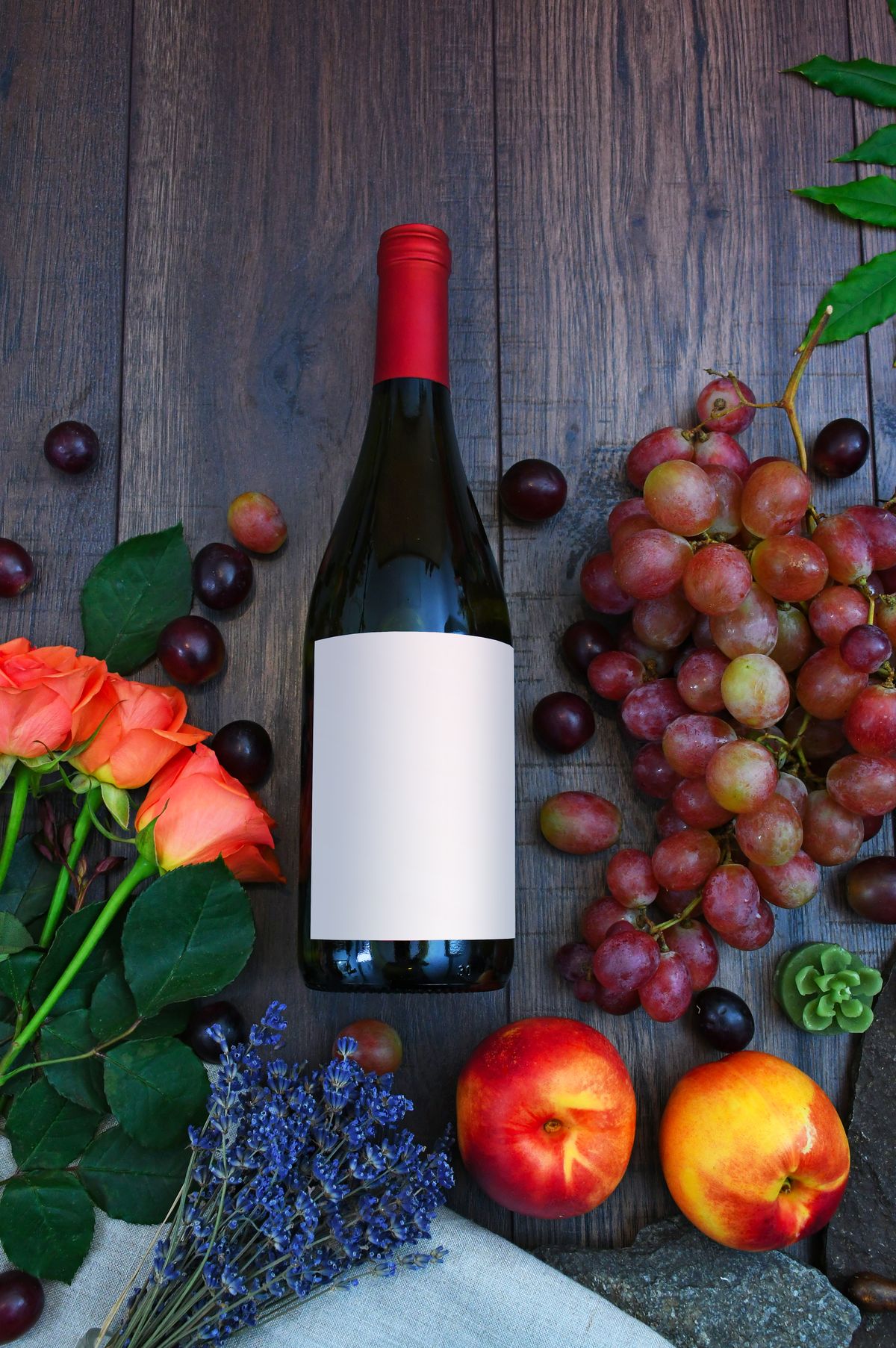
Bolivia’s southernmost department sits at 21° South — the same latitude as northern Argentina’s Cafayate and Salta wine regions — with vineyards planted between 1,700 and 2,100 metres above sea level. Those altitudes produce conditions that no European winery can replicate: a UV index two to three times higher than Bordeaux, a 20°C temperature difference between day and night during growing season, and a dry subtropical climate that requires no pesticides on most varietals. The result is wine with thick-skinned grapes, concentrated flavour and acidity that ages unusually well for such a hot-looking climate.
Tarija is also singani country. Singani — Bolivia’s grape brandy distilled exclusively from white Muscat of Alexandria grapes grown above 1,600 m — is the only denomination of origin distilled spirit in South America. It is the base of the Bolivia Libre (singani + lemon Sprite) and the ingredient that separates Tarija’s food culture from anywhere else in Bolivia.
The Wine Valleys
The main wine-producing area centres on the Valle de la Concepción, 30 km west of Tarija city. This broad, sun-flooded valley runs roughly east–west, channelling afternoon light along the vine rows and catching cool Andean air from the surrounding ridges at night. Secondary growing areas extend into the Cinti Valley (Camargo, in Chuquisaca department) and into smaller quebradas above 2,000 m where altitude produces even higher acidity.
The key varieties:
- Tannat — the signature red, originally from south-west France, thrives at altitude with thick skins that handle UV stress. Tarija’s Tannats tend to be more structured than Uruguayan examples and less extracted than some Argentine styles.
- Malbec — the variety that put Argentina on the world wine map also grows in Tarija, with a distinctive mineral note that tasters attribute to the rocky Andean soils.
- Torrontés Chaqueño — the local white, distinct from Argentina’s Torrontés Riojano. Floral and citrus on the nose, with higher acid than most Torrontés styles. Best drunk young and cold, ideally the day you buy it at the bodega.
- Cabernet Sauvignon — produces reliable, food-friendly reds at the valley floor.
The Wineries
Campos de Solana is the largest and most export-oriented of Tarija’s producers. They offer daily tours (Bs 50, including tasting) of the vineyard and cellars in the Valle de la Concepción. Their Tannat Reserva and the estate’s single-vineyard Malbec are the bottles worth taking home.
Aranjuez (also in the Valle de la Concepción) produces one of Bolivia’s most lauded Cabs and a Charmat-method sparkling wine. The winery tour is more relaxed than Campos de Solana — more family-run in feel, with better food pairing at the tasting table.
Kohlberg dates to 1925 — the oldest continuously operating winery in Bolivia — and specialises in singani as well as wine. Their singani tasting is the most instructive available, with side-by-side comparison of three distillation styles.
Casa Real is the brand you will find in most Bolivian supermarkets and restaurants. The winery itself is in the city outskirts and is worth visiting for the scale — it processes grapes from multiple valley appellations and runs high-volume fermentation and bottling lines that show the industrial side of Bolivia’s wine industry.
When to Visit
February–March: Vendimia (Harvest Season)
The annual harvest festival is Tarija’s biggest tourism moment. Winery open days, folk music (cuecas and jotas chapacas — Tarija has its own folk tradition distinct from Cochabamba and Oruro), traditional grape-treading ceremonies and food markets fill the Valle de la Concepción and the city centre. Accommodation books weeks in advance.
April–October: Dry Season
The vines have been harvested, the cellars are working on last season’s wine, and the tourist pressure is zero. Tasting rooms are open with no appointment needed. The Tariquia reserve is accessible by 4WD on dry roads. This is also the best season for birdwatching — the cloud forest edge at Tariquia is richest between May and August.
November–January: Growing Season
The vineyards are green and dramatic, though the grapes are not ready. The wet season (November–March) brings afternoon rains that make some access roads to upper vineyards impassable without a 4WD.
Beyond the Wine
Reserva de Tariquia — 246,870 ha of cloud forest 80 km south of Tarija, on the Bolivian side of the Argentine border. The reserve protects spectacled bears, pumas, river otters and 700+ plant species in a transitional zone between the Andean cloud forest and the Chaco lowlands. Access requires a 4WD and is best with a guide from Tarija who knows the reserve’s two navigable tracks. It is one of Bolivia’s least-visited protected areas — you may have it entirely to yourself.
Reserva de Sama — 108,500 ha of high-altitude wetlands and puna at 3,500–5,000 m, north of Tarija on the road to Potosí. The Laguna Tajzara (3,500 m) hosts flamingos, Andean geese and migratory birds. A sharp contrast to the subtropical valley climate — bring layers.
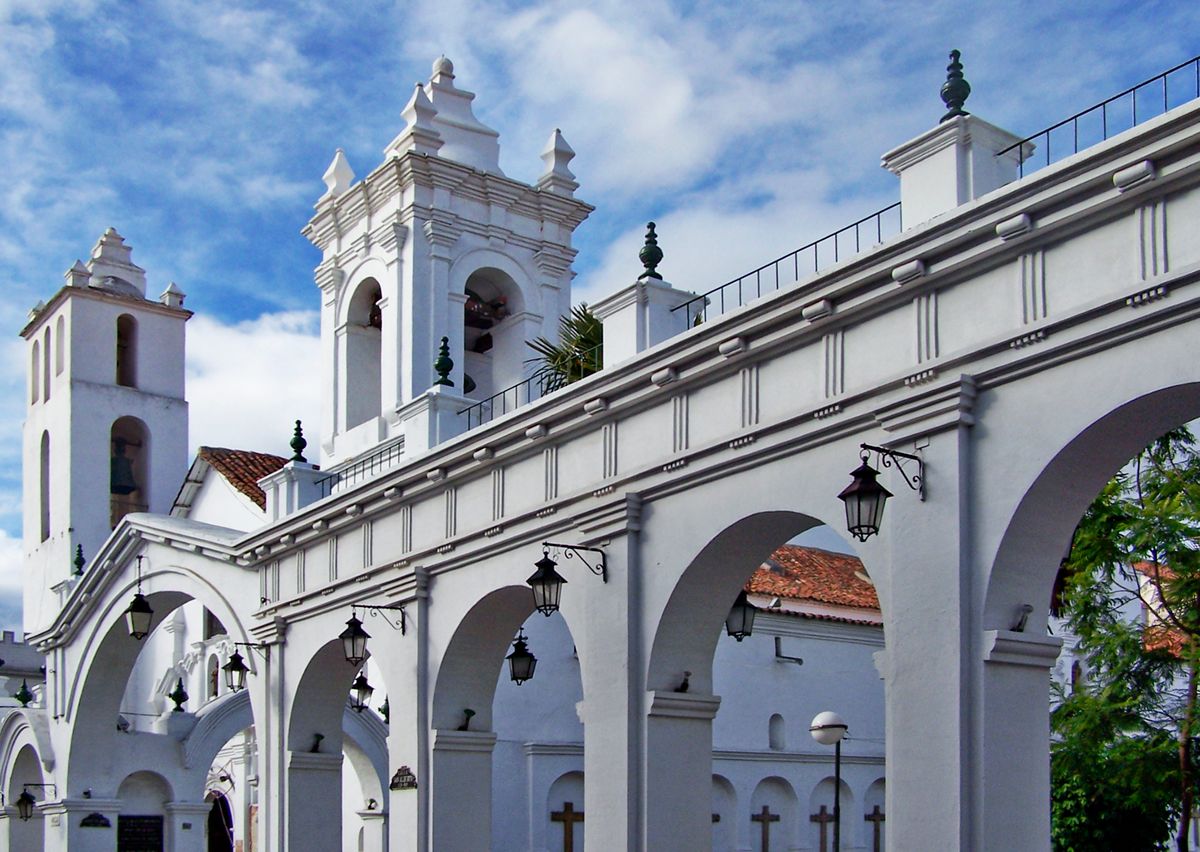
The City of Tarija — Tarija city (pop. ~200,000) moves at a pace closer to Salta than to La Paz. The colonial plaza and cathedral are well-preserved, the market sells Argentine beef alongside Bolivian chuño, and the café culture leans toward espresso rather than the api (corn drink) of highland markets. The city has a distinct Chapaco identity — residents who take mild offence at being called paceños and who maintain folk traditions (the Fiesta de San Roque in September, the Carnaval Chaqueño in February) that differ from Andean Bolivia in tone and music.
Getting There
By air: BoA and Amaszonas fly La Paz–Tarija daily (1 hour, USD 80–120). The Tarija airport is 3 km east of the city centre — taxi to the centre costs Bs 20.
By bus: Nightly buses from La Paz take 18–20 hours via Potosí or Tupiza (Bs 90–130). The road south via Tupiza is paved and faster; the road via Potosí has more spectacular scenery but more unpaved sections. Semi-cama buses (reclining seats) make the overnight journey manageable.
By car: From Sucre, Tarija is 6–7 hours on a paved road via Camargo — and Camargo itself is worth a stop for Cinti Valley wines. From Potosí, approximately 7 hours.
Practical Notes
Altitude: Tarija city sits at 1,866 m — comfortable for most travellers, well below La Paz’s 3,640 m. No significant acclimatisation needed. The surrounding hills reach 3,500 m and the Sama reserve goes above 4,000 m, so carry layers for day trips.
Currency: Bolivian boliviano (Bs). Wineries accept cash only. The city centre has ATMs but they are often empty on weekends — withdraw in La Paz.
Language: Spanish. Argentine slang and intonation bleed in from across the border. English is scarce outside tourist-oriented restaurants.
Food: Tarija’s gastronomic signature is ranga ranga (tripe stew), saice (spiced minced meat with potatoes, distinct from the Cochabamba version), and empanadas de vigilia (cheese and chard pastries eaten during Holy Week). Argentine cuts of beef appear on menus not common elsewhere in Bolivia.
Key facts
- → Tarija's vineyards sit at 1,700–2,100 m above sea level, making them the highest commercial wine-producing vineyards in South America outside of Argentina's Cafayate region.
- → The UV index in Tarija's wine valleys averages 14–17 in summer — two to three times higher than Bordeaux — producing grapes with thick skins and concentrated tannins.
- → Tarija department produces approximately 70% of Bolivia's total wine and singani (grape brandy) output; Bolivia's DO Singani is the only national denomination of origin for a distilled spirit in South America.
- → Reserva Nacional de Fauna Andina Eduardo Avaroa (Tariquia) covers 246,870 ha of cloud forest between Tarija and the Argentine border, protecting 700 plant species and Andean bear populations.
- → The annual vendimia (harvest festival) in February–March draws visitors from across Bolivia and from Argentina; it includes winery open days, folk music and traditional grape-treading ceremonies.
Frequently asked questions
What wine varieties grow in Tarija, Bolivia? +
Tarija's principal red varieties are Tannat, Malbec and Cabernet Sauvignon. The signature white is Torrontés Chaqueño — a local variant of the Torrontés family, related to but distinct from Argentina's Torrontés Riojano. The altitude and UV intensity produce wines with higher natural acidity and more concentrated flavours than lowland Bolivian wine regions.
How do I get to Tarija from La Paz? +
Boliviana de Aviación (BoA) and Amaszonas operate daily 1-hour flights from El Alto airport (La Paz) to Tarija. The bus takes approximately 20 hours via Potosí or 18 hours via Tupiza, costing Bs 90–130. Most visitors fly in and rent a 4WD in Tarija to reach the wine valleys and Tariquia reserve.
Is Tarija worth visiting for non-wine drinkers? +
Yes. Tarija has a distinct culture (Chapaco identity, with Spanish colonial architecture and Argentine-influenced food), the Reserva de Tariquia cloud forest for birdwatching and hiking, the high-altitude wetlands of Reserva de Sama, and a slower pace than Bolivia's Andean cities. The landscape — dry subtropical valleys with red cliffs — resembles Mendoza or Salta more than La Paz.